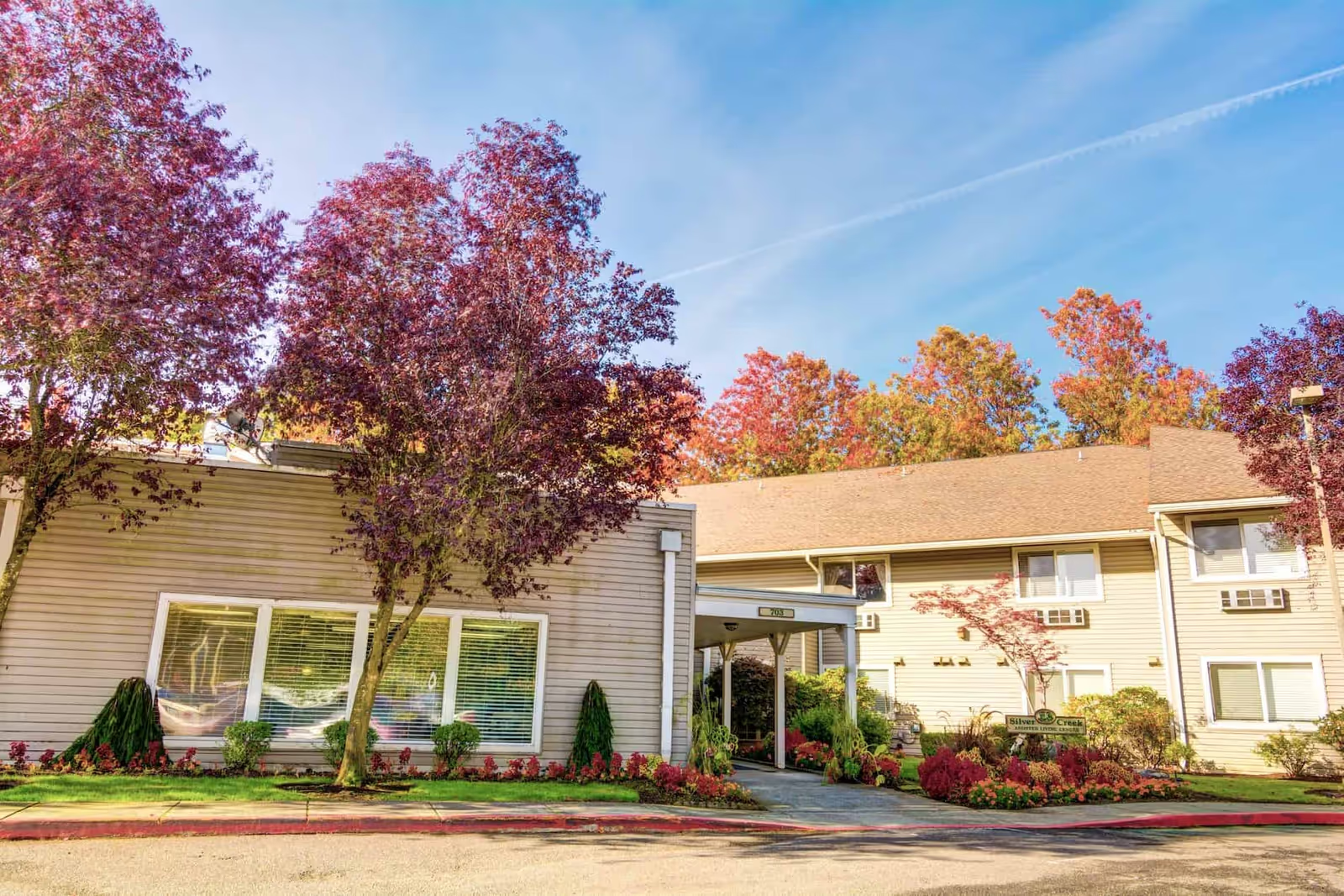
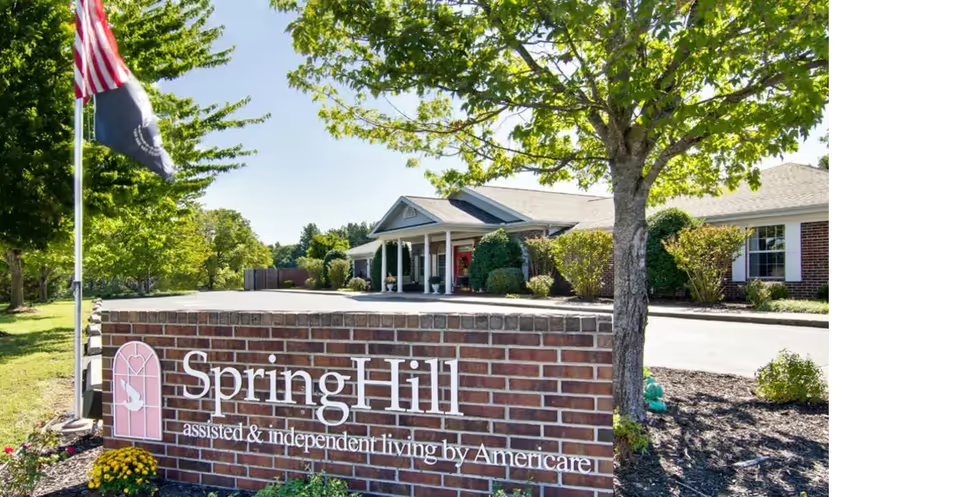
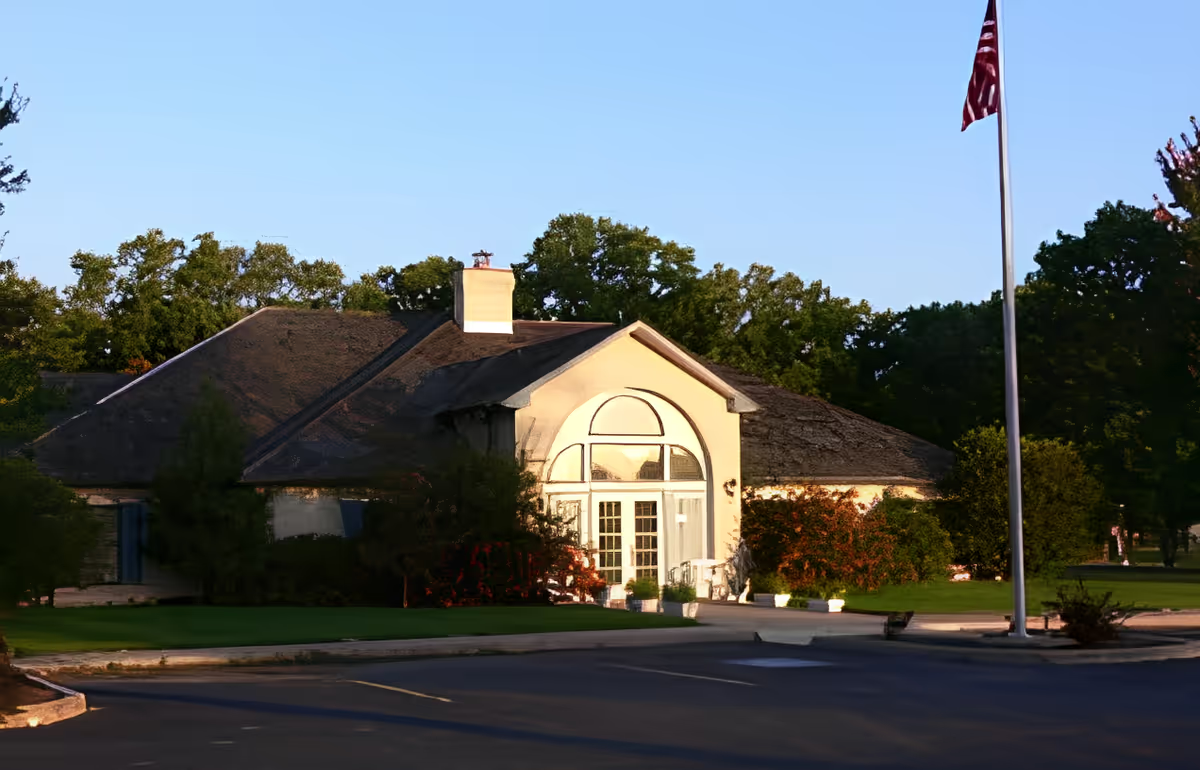
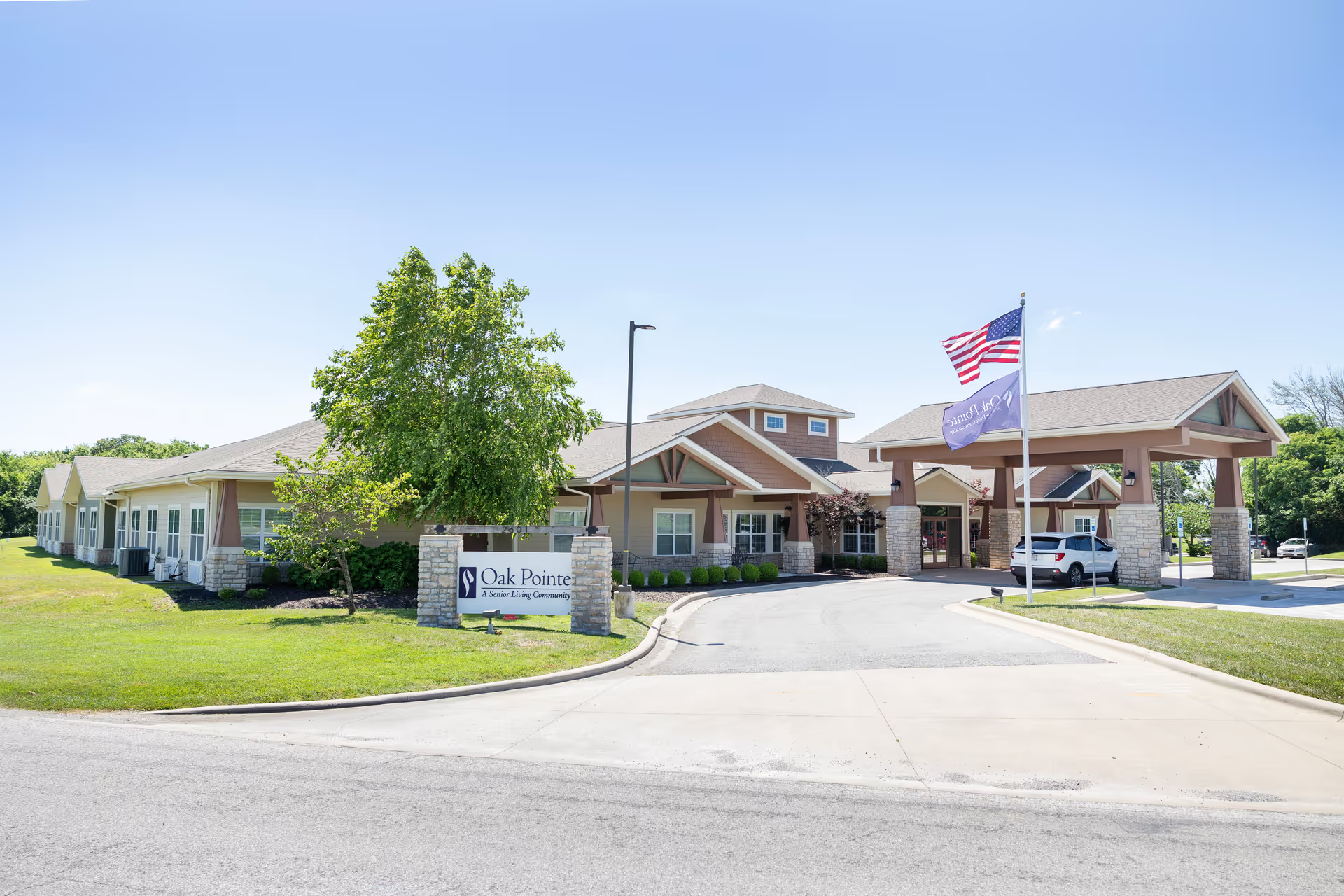
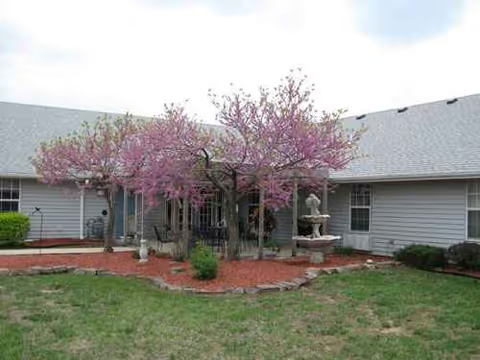
Reviewer accounts present a divided picture of Joplin Gardens: many describe a pleasant, well-kept campus with clean interiors, accessible bathroom features, and active social programming, while others report substantive operational and clinical concerns. The facility's physical environment is frequently praised — landscaped grounds, quiet surroundings, comfortable common areas, and practical design elements such as zero-entry showers and automatic lighting. Several reviewers also highlighted helpful therapy staff and positive rehabilitation outcomes for some residents.
Care quality appears inconsistent across the facility. Positive notes about attentive caregivers and effective therapy coexist with reports indicating gaps in clinical monitoring, missed assistance for personal care tasks, and variability in rehabilitation-unit performance. Specific operational themes include delays in attending to clinical needs, inconsistent assistance with bathing and bed changes, and occasional lapses in medical oversight. There are also concerns stated about medication controls and alleged diversion, and about pressure-injury prevention and injury follow-up, indicating that clinical-safety practices may vary by unit and shift.
Staffing and leadership are recurring issues. While many direct-care staff are described as friendly and compassionate, reviewers also describe frequent understaffing, overtime pressures, low morale, and perceived lack of managerial support. These workforce challenges appear to contribute to uneven resident experience and may underlie some of the reported care inconsistencies. Reception and admissions interactions were singled out by several families as an area needing improvement; reports include unprofessional communication and difficulty getting timely responses.
Dining and activities present mixed impressions. The facility offers organized social activities (for example, bingo) and convenient cafeteria amenities, but meal quality and meal-assistance reliability were described as variable. Housekeeping is often noted as consistent (trash emptied daily, tidy rooms), yet other maintenance and sanitation issues surfaced in some accounts, including stained linen, corroded equipment, and occasional odor or cleanliness concerns in specific areas.
Communication and incident handling are notable patterns to consider. Families described delays or gaps in notification after adverse events and end-of-life situations, and a number of reviews cited unresolved property loss and slow administrative follow-up. These reports point to weaknesses in incident-response protocols and family-communication procedures rather than isolated interpersonal problems.
In summary, Joplin Gardens offers several clear strengths in environment, certain therapy services, and committed frontline staff, but the facility also shows operational liabilities that prospective residents and families should evaluate closely. Key areas for follow-up during a visit or tour are clinical oversight and rehabilitation practices, staffing levels and leadership structure, incident-communication processes, dining and meal-assistance consistency, and on-site maintenance/linen procedures. Verifying current staffing patterns, asking about medication-control measures, reviewing sample care plans, and requesting references from recent families may help clarify whether the facility's positive attributes will be consistently realized for an individual resident.