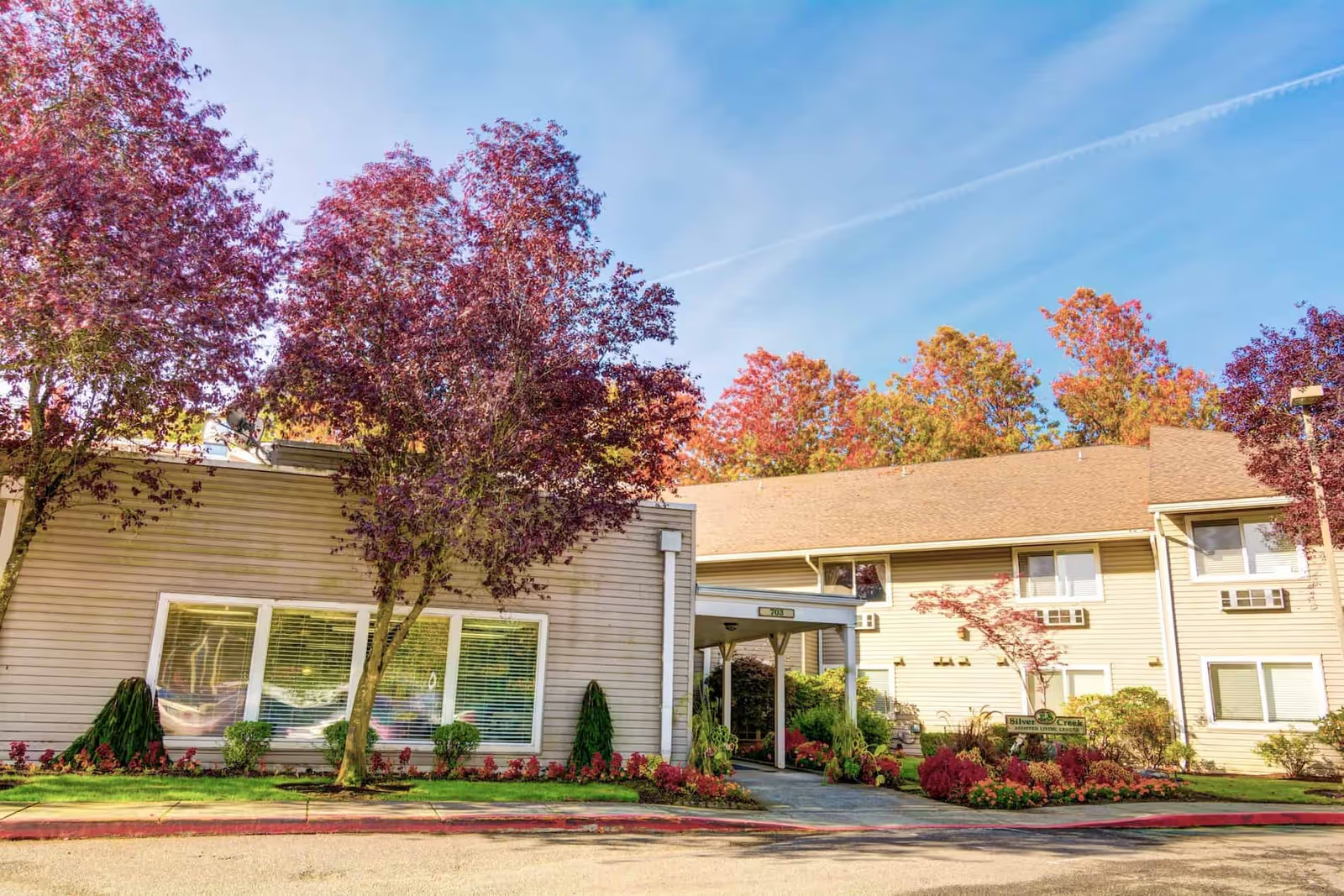
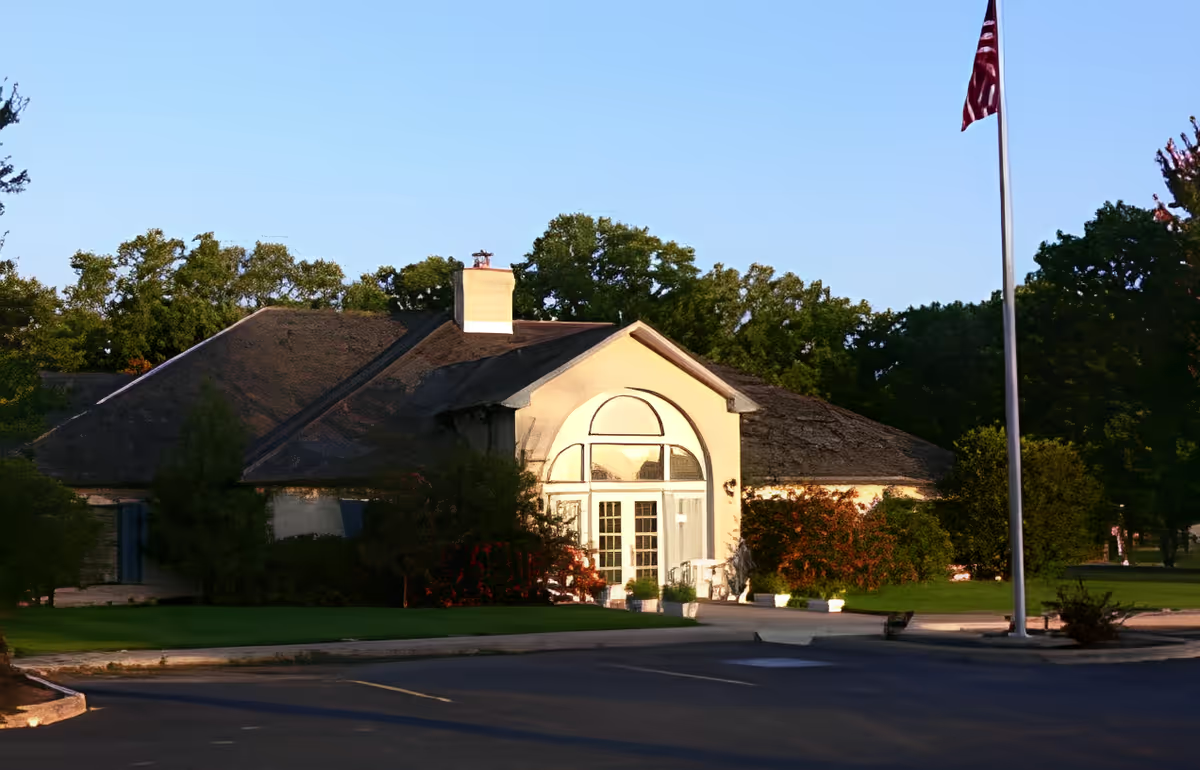
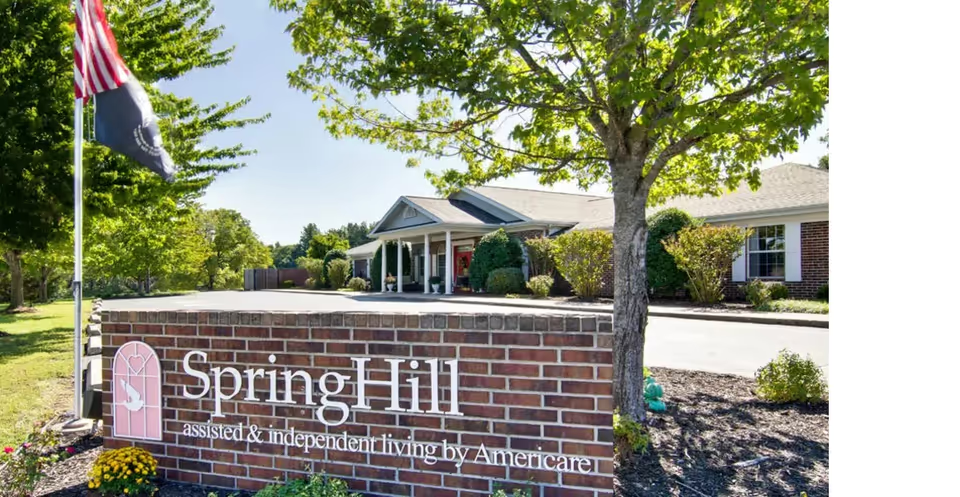
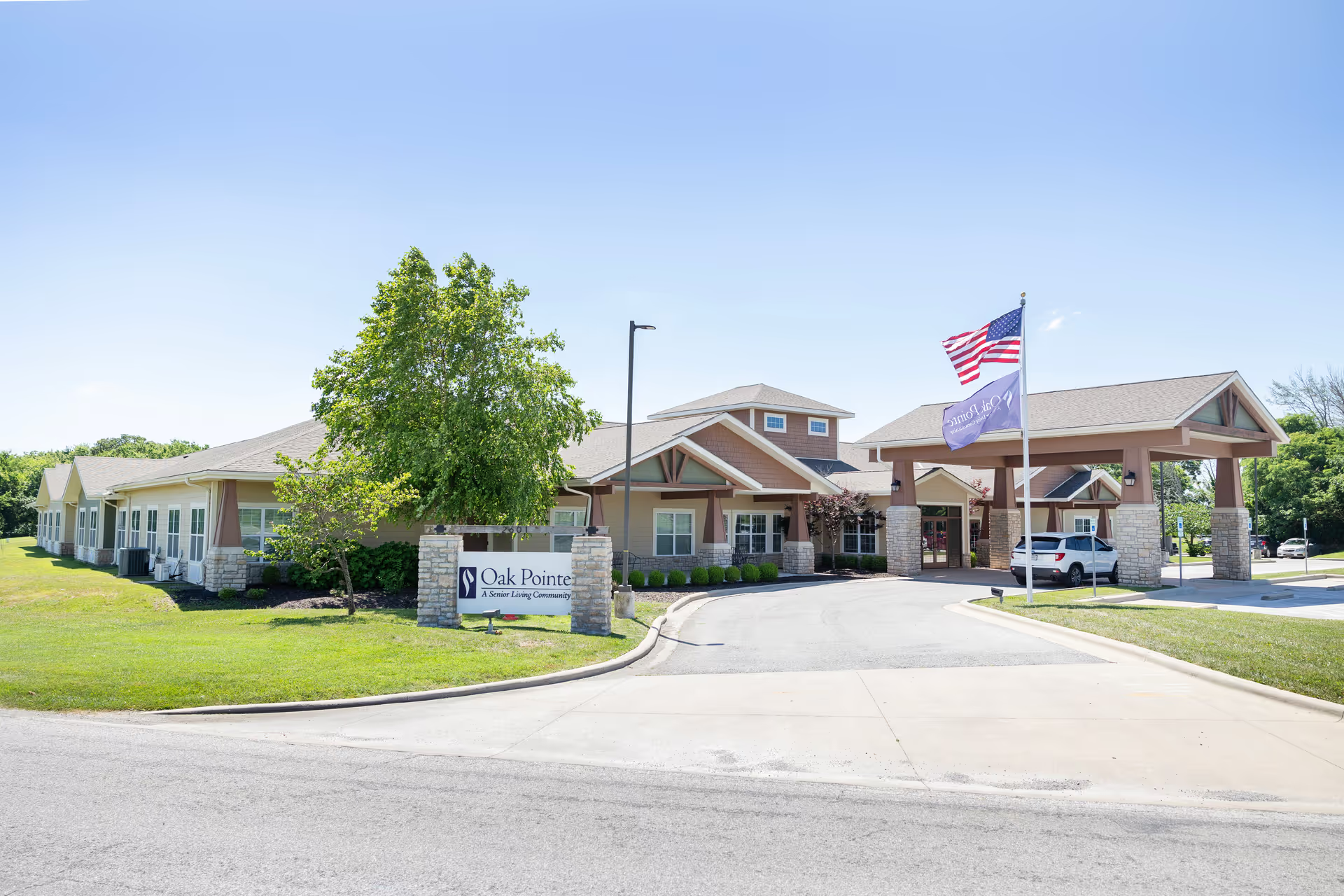
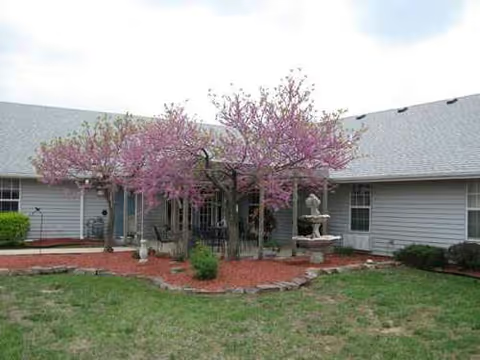
Overall impression: Reviews for The Communities of Wildwood Ranch present a highly mixed picture. The facility's physical environment earns consistent praise — many families describe the building as attractive, modern, and wheelchair-accessible with comfortable common areas and dining amenities. Several reviewers highlighted strong administrative support at admission and helpful office staff. Therapy services are frequently cited as a major strength where available: numerous accounts describe skilled, motivating physical and occupational therapists who helped residents regain mobility and return home.
Care quality and clinical issues: Despite the positive rehabilitation narratives, a sizable portion of feedback raises clinical concerns. Reviewers describe inconsistent medication administration (late or incorrect dosing), notable weight loss and nutrition decline in some residents, and gaps in monitoring for acute clinical changes. There are multiple accounts suggesting shortfalls in skin-care and pressure-injury prevention and incontinence-care timeliness. A few reviewers described very serious individual incidents — including concerns following a resident's death and allegations involving pressure injuries and end-of-life care — which underscore the need for careful clinical oversight.
Staffing and staff conduct: Staffing is a central theme. Many reviewers praise compassionate, attentive nurses and aides, and some call out staff who went above and beyond. At the same time, there is a recurrent pattern of inconsistent staff quality and conduct: families report rude or dismissive interactions, uneven responsiveness to call lights, and variable follow-through on routine care tasks (bathing, toileting assistance, showering). Several comments link these behaviors to perceived short staffing or staff burnout.
Rehab, therapies, and activities: Therapy quality appears to vary by case. Where therapy is delivered intensively, reviewers report good outcomes — improved mobility and timely discharges home. Other reviewers describe low therapy frequency (for example, very few sessions over a long stay) and limited progress. Activity programming is not extensively detailed in the reviews, though social dining and shared meals are mentioned positively in some accounts.
Dining, sanitation, and facility operations: Dining impressions are mixed: a number of reviewers enjoyed the menu options and dining environment, while others found food quality inconsistent. Sanitation and hygiene concerns appear sporadically — including comments about grooming, odor concerns, and inconsistent cleanliness in resident rooms — indicating variability in environmental maintenance and personal-care routines.
Management, communication, and transitions of care: Communication and discharge planning emerge as operative weaknesses. Families reported gaps in hospital-discharge coordination, missed appointments, unclear or delayed discharge paperwork, and inconsistent notification about hospital transfers. Some reviewers called out specific management failures such as misrepresentation by a social worker or an unresponsive administrator; others praised front-desk and admissions staff. Taken together, the pattern suggests uneven leadership emphasis on clinical oversight and family communication.
Notable patterns and what to watch for: The dominant pattern is variability — high-quality physical spaces and strong therapy capability exist alongside intermittent operational and clinical control issues. Prospective residents and families should ask targeted questions before admission: typical staffing ratios on the unit, average therapy frequency and measurable therapy goals, protocols for medication accuracy and timely administration, skin-care and pressure-injury prevention practices, standard call-light response times, procedures for hospital transfers and discharge paperwork, and how the facility escalates and documents family concerns. Reviewing recent inspection findings and speaking with current families on the specific unit can help clarify whether the strengths or the operational weaknesses will be most relevant to a given care need.