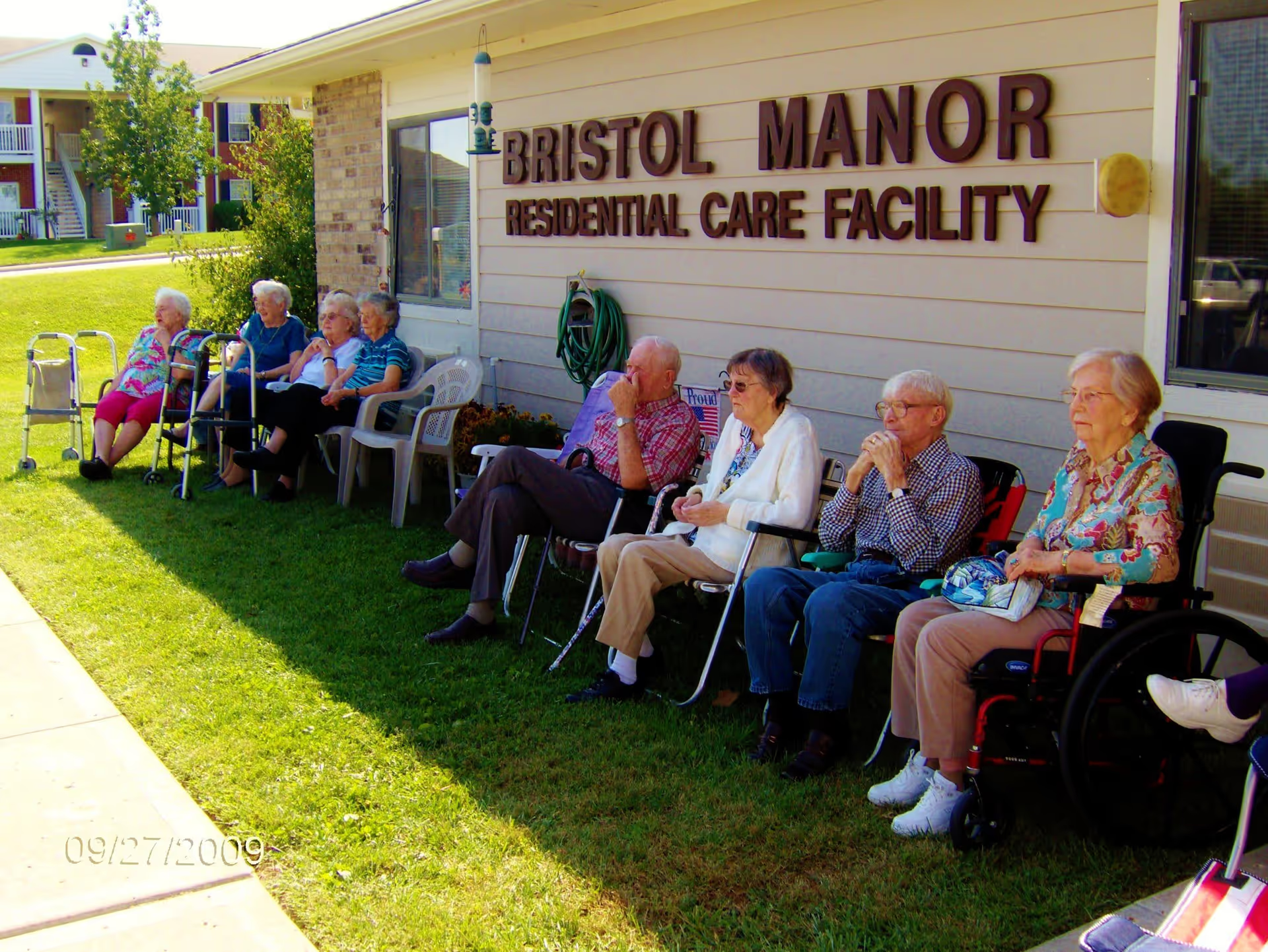
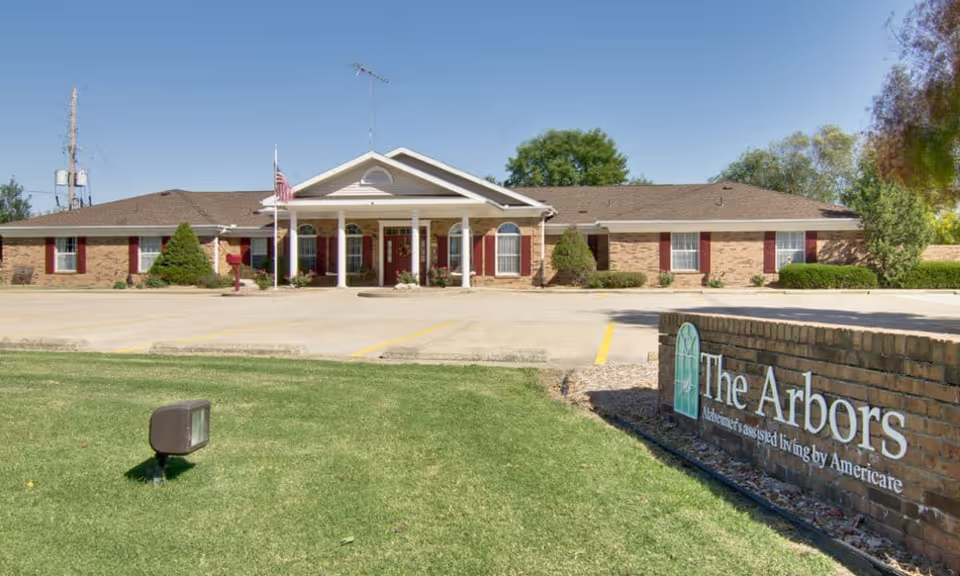
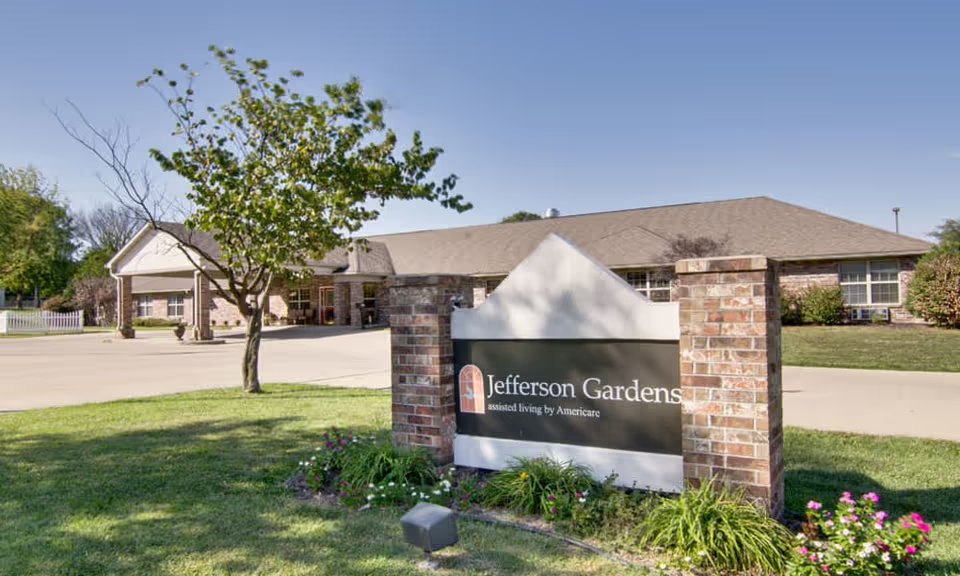
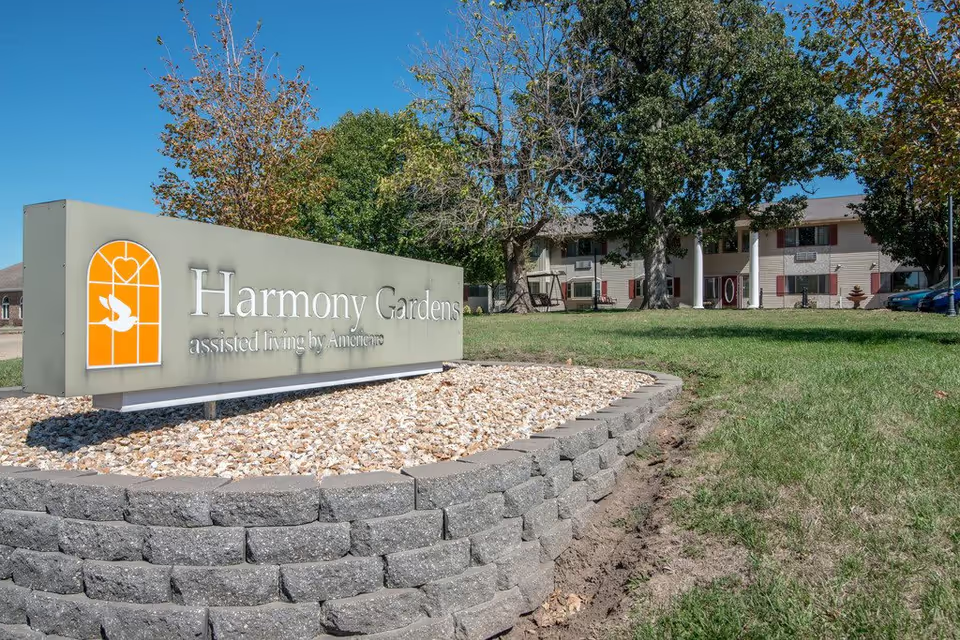
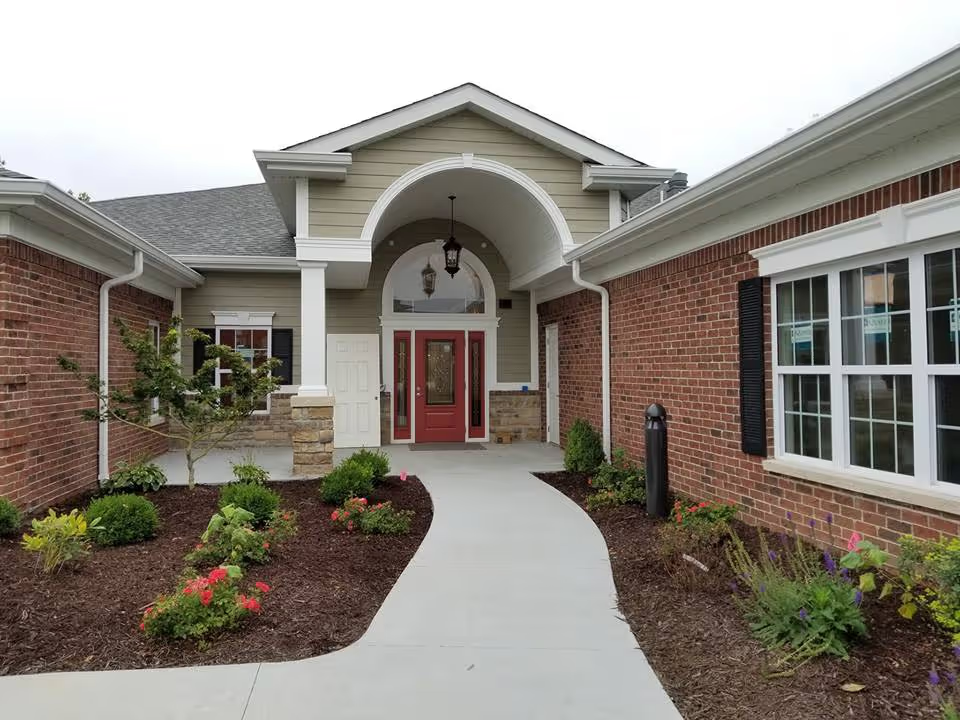
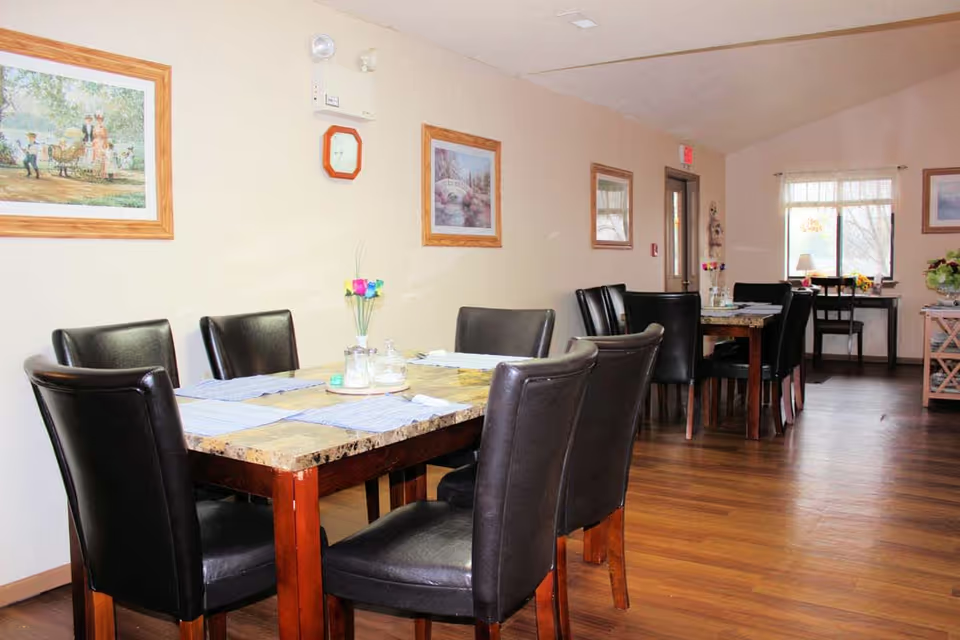
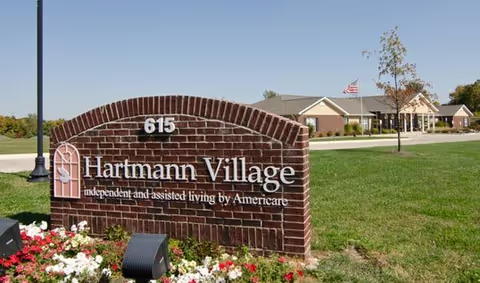
Reviews present a polarized picture: many families and residents praise the facility's appearance, social programming, and a group of caregivers who provide attentive, respectful interactions, while others describe operational and management shortcomings that affect day-to-day care. The physical environment is frequently described as attractive and home-like, with engaging activities (singing, music, group involvement) that appear to support resident quality of life. Several accounts highlight staff who know residents well, respond to questions, and provide compassionate support to families.
Care quality opinions diverge. Positive comments emphasize attentive caregiving, dignified treatment, and staff familiarity with residents' needs. Conversely, some reviewers identified concerning patterns including inconsistent personal-care delivery (notably bathing schedules), medication-administration errors, and delays in clinical response. These accounts raise questions about clinical-safety controls and the consistency of care across shifts.
Staffing and workforce dynamics are a central theme. Multiple descriptions point to staff shortages, high turnover, and particular problems during nighttime coverage; reviewers link these staffing pressures to delayed care and lower morale. Several reviewers also raise concerns about staff conduct and communication tone, and about aides being fired or pressured—issues that contribute to an impression of workforce instability.
Dining and facility maintenance are mixed. Some residents report enjoying meals and the dining experience, while others describe variable food quality and sanitation concerns, including visible staining or equipment storage issues in work areas. The building's interior is often described positively, but consistency of cleanliness and housekeeping appears uneven.
Management and organizational issues are another recurring topic. Comments include concerns about leadership behavior, family communication during critical events (including concerns following a resident's death), and questions about the facility's financial or reputational stability. These management-related concerns are often cited alongside operational problems such as inconsistent admissions or placement experiences and decisions that prompt families to seek alternatives.
For prospective residents and families: the facility demonstrates clear strengths in atmosphere, social programming, and pockets of strong caregiving. At the same time, the pattern of complaints about leadership, staffing levels (particularly at night), clinical-safety processes, and consistency of housekeeping or dining suggests due diligence is warranted. Ask targeted questions about staffing ratios by shift, medication-safety protocols, recent survey or inspection history, turnover rates, and how families are notified and involved during clinical changes or end-of-life situations. A visit during different shifts (day and night) and conversations with current families may help clarify whether the positive experiences or the operational concerns are most representative of current practice.