The reviews for Cotton Point Living Center present a mixed picture. Many comments highlight a well-kept facility with a clean, odor-free environment and visible signs that residents and frontline staff are comfortable and engaged. At the same time, several serious operational concerns appear repeatedly, creating a sharp contrast between the facility’s physical upkeep and some aspects of its clinical and administrative performance.
Care quality and staffing: Positive observations focus on helpful, friendly direct-care employees and residents who appear content, suggesting that day-to-day interactions can be respectful and supportive. However, recurring references to insufficient staffing and to delays or lapses in care point to a pattern of chronic understaffing. That operational constraint can contribute to inconsistent care quality and slower response times for resident needs.
Staff and conduct: Many reviewers praise individual staff members for being pleasant and helpful, and some describe good staff morale. Parallel accounts raise concerns about staff conduct and responsiveness in certain situations; these comments indicate variability in caregiver performance and communication tone. Prospective families should assess staffing ratios, shift coverage, and staff supervision during a visit.
Dining and activities: The available reviews contain little detailed information about dining quality, menu variety, or the regular activities program. Positive comments about resident contentment imply that social needs may be met for some residents, but there is insufficient evidence to draw firm conclusions. Visitors should request sample menus, activity schedules, and opportunities to observe or participate in programming while touring.
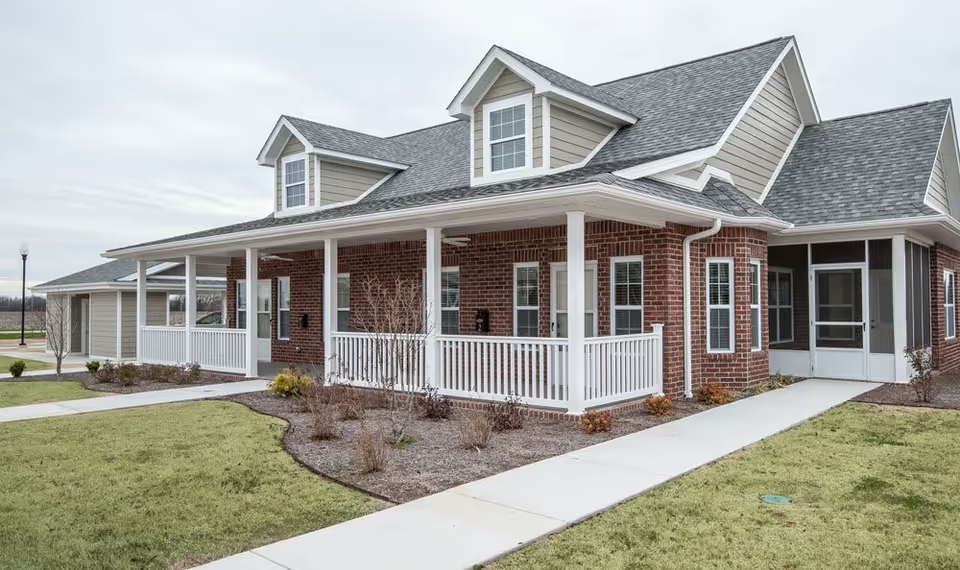
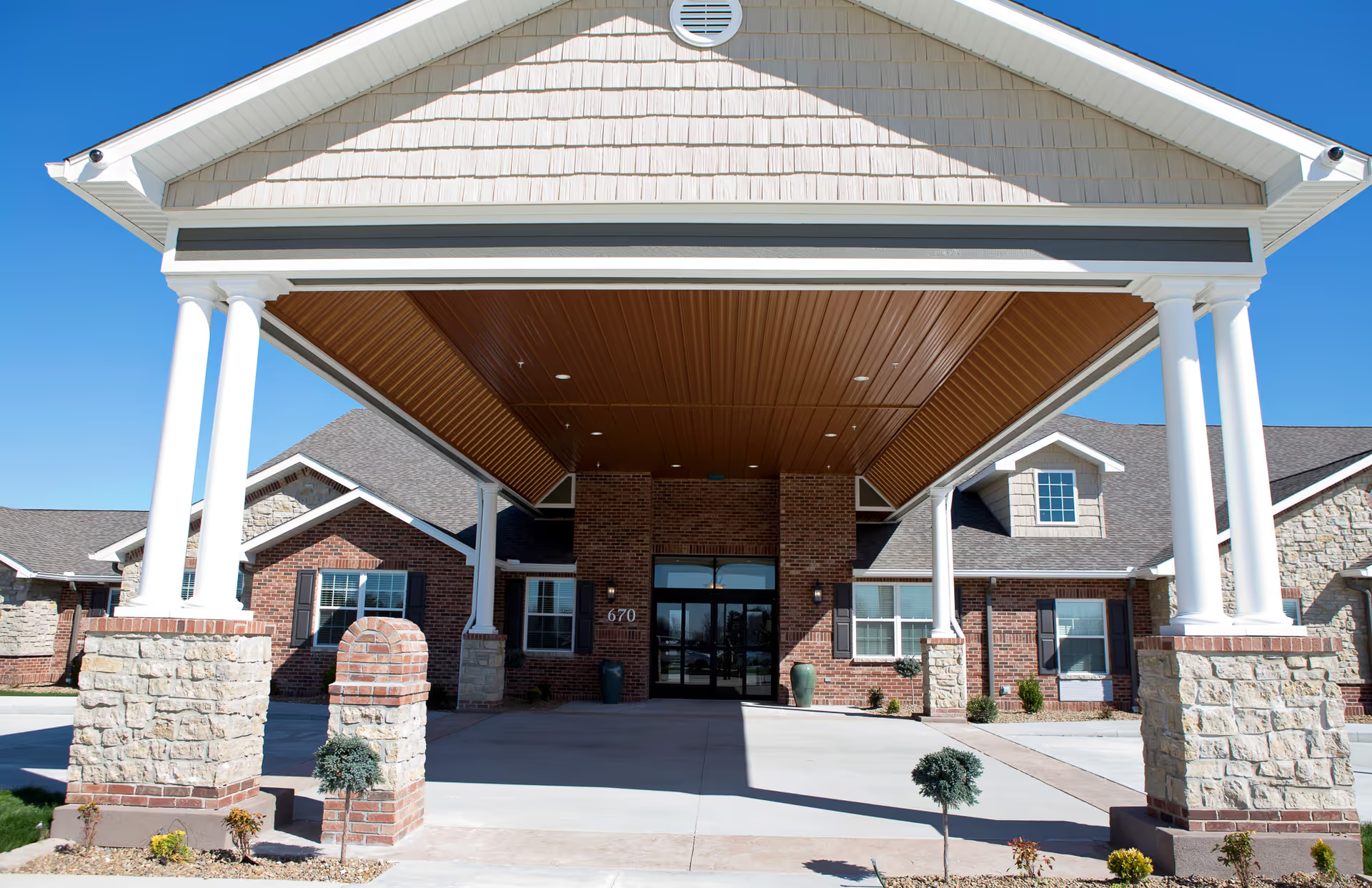
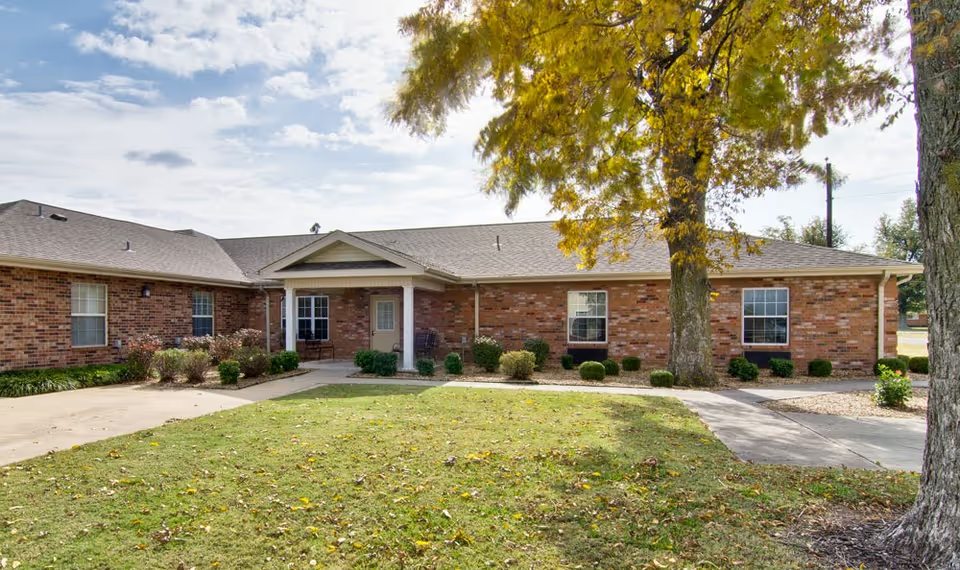
Facilities and cleanliness: Facility-level strengths are most consistent in physical maintenance and cleanliness. Reviewers note well-maintained common areas and an overall impression of a tidy environment. Those positives suggest reliable housekeeping and maintenance processes for the building and shared spaces.
Management, records, and regulatory matters: Several reviews raise administrative concerns that are more serious and system-level in nature. These include criticisms related to the handling of confidential documents, limited responsiveness to state complaints or oversight, and explicit claims regarding financial misconduct by management. The presence of references to court or regulatory controversy indicates potential legal or compliance issues that warrant targeted inquiry. Because these are significant matters, families should request documentation of regulatory history, complaint investigations, and the facility’s corrective actions during evaluation.
Notable patterns and recommendations: The dominant pattern is a facility that presents well physically and can offer positive day-to-day interactions, but that also exhibits operational weaknesses that could affect vulnerable residents—particularly those who require consistent, timely clinical attention. Before placement, prospective residents and families should: (1) verify current staffing levels and staff-to-resident ratios by shift; (2) review the facility’s most recent state inspection reports and any corrective-action plans; (3) ask about policies and safeguards for confidential records and financial transactions; and (4) observe care interactions and speak with both direct-care staff and administrative leaders to assess responsiveness and transparency. These steps will help determine whether the facility’s strengths align with an individual’s care needs and risk tolerance.