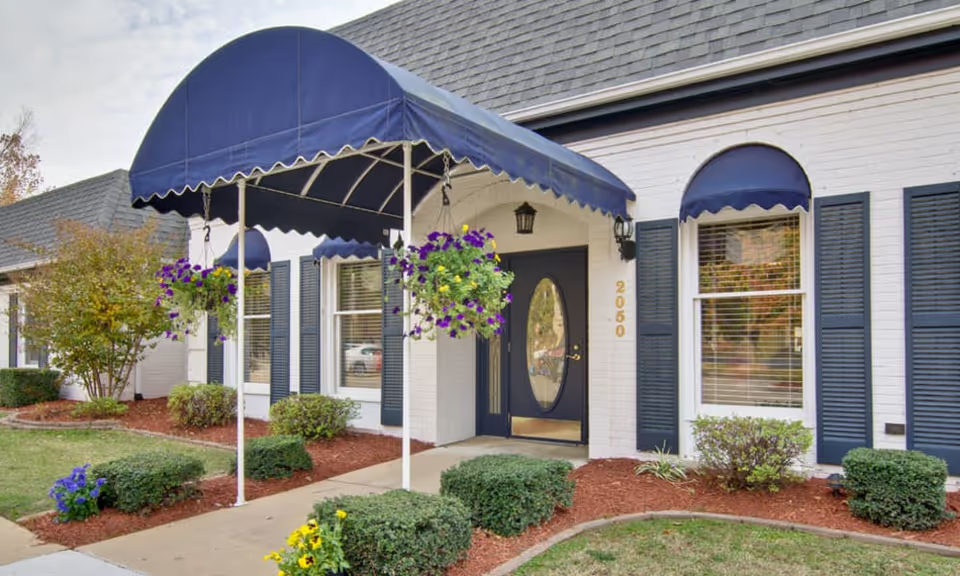
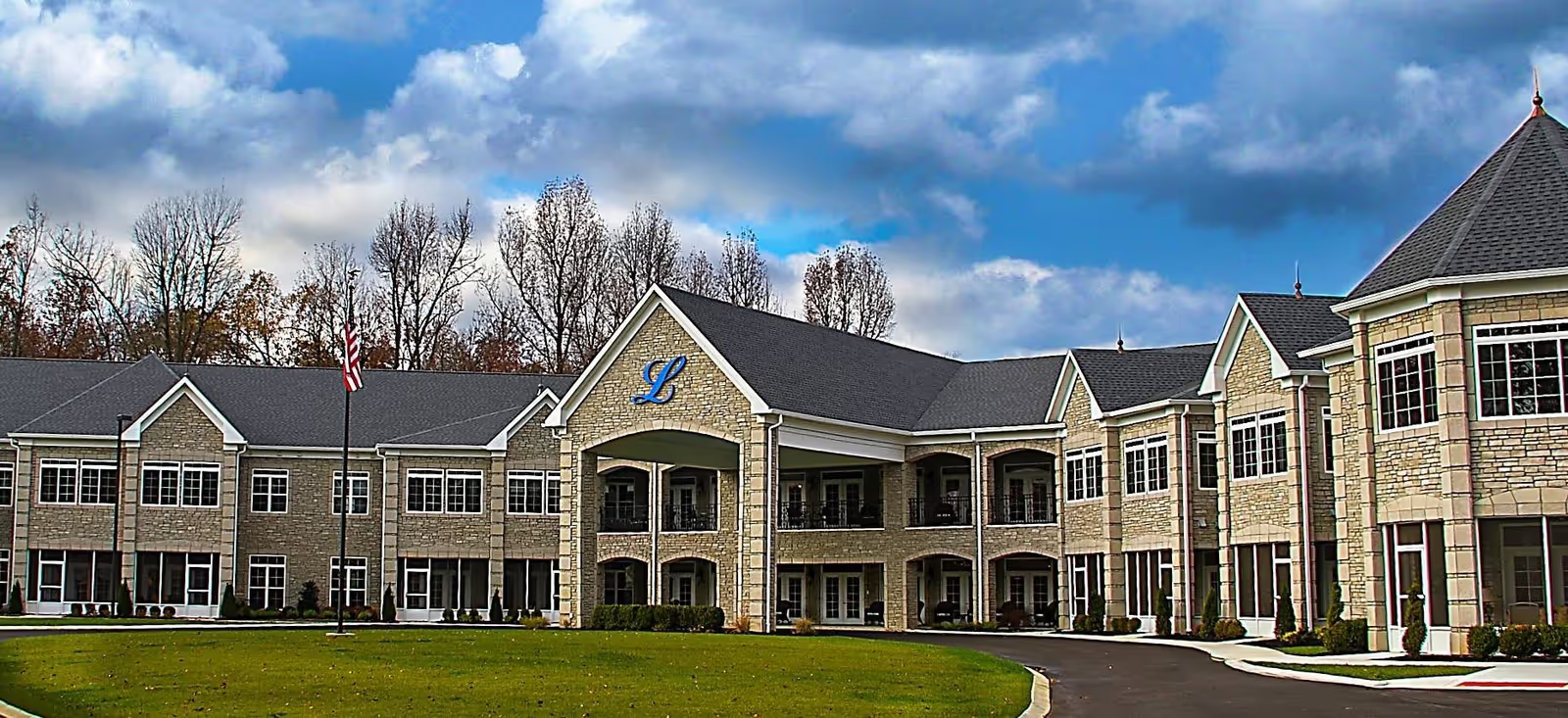
The reviews present a mixed picture of care at Sikeston Convalescent Center. Several families describe positive clinical outcomes and respectful bedside interactions, especially around rehabilitation and recovery after stroke; these accounts emphasize attentive nursing, effective therapy services, and a generally welcoming atmosphere. At the same time, an array of operational concerns appears repeatedly, producing substantial variability in the day-to-day resident experience.
Care quality appears inconsistent. Positive reports highlight competent rehabilitation staff and attentive assistance for some residents, with families noting dignity and compassion in those instances. However, recurring operational patterns — notably chronic understaffing and insufficient night-shift coverage — are linked to delays in attending to routine needs and gaps in timely clinical response. Reviewers describe instances where care tasks and personal-care schedules were not completed promptly, which suggests weaknesses in staffing levels and task oversight rather than isolated performance issues.
Staffing, training, and conduct are central themes. Many comments point to unprofessional conduct, interpersonal issues among staff, and concerns about staff competence in specific care tasks. These observations, combined with calls for stronger leadership, indicate potential deficiencies in training, supervision, and workforce support. There are also allegations of staff substance misuse; given the seriousness of that claim, it is an area that would merit prompt administrative and regulatory attention if substantiated. Communication with families is another consistent concern — reviewers describe delays or lack of notification following resident changes in condition, suggesting gaps in incident-notification and family-engagement protocols.
Facility maintenance and infection-control topics were also raised. Several accounts describe inconsistent sanitation practices, linen and bedding issues, and pest-control concerns in parts of the building. These issues, together with reports of lapses in routine bathing or incontinence care, point to shortcomings in environmental services workflows and oversight. The available feedback contains limited information about dining quality and organized activities; when mentioned, rehabilitation programming is a relative strength, while routine recreational or dining experiences are not consistently described.
Management and administration receive repeated criticism for being dismissive or insufficiently responsive to family concerns. Reviewers call for leadership changes and for rebuilding with new staff, reflecting a lack of confidence in current administrative processes. In contrast, where staff-to-family interactions are positive, families emphasize compassion and respect, indicating that the facility does have staff and teams capable of good care when conditions — staffing, supervision, and management support — align.
Overall, prospective residents and families should weigh the facility's demonstrated rehabilitation strengths and instances of compassionate care against persistent operational issues: staffing levels (particularly at night), training and supervision gaps, sanitation and pest-control inconsistencies, and communication shortfalls. These patterns suggest that outcomes may vary considerably depending on unit, shift, and current management practices; visiting in person, speaking with unit staff and therapy personnel, and requesting recent inspection or staffing records would help assess current performance and whether administrative changes have addressed the noted weaknesses.