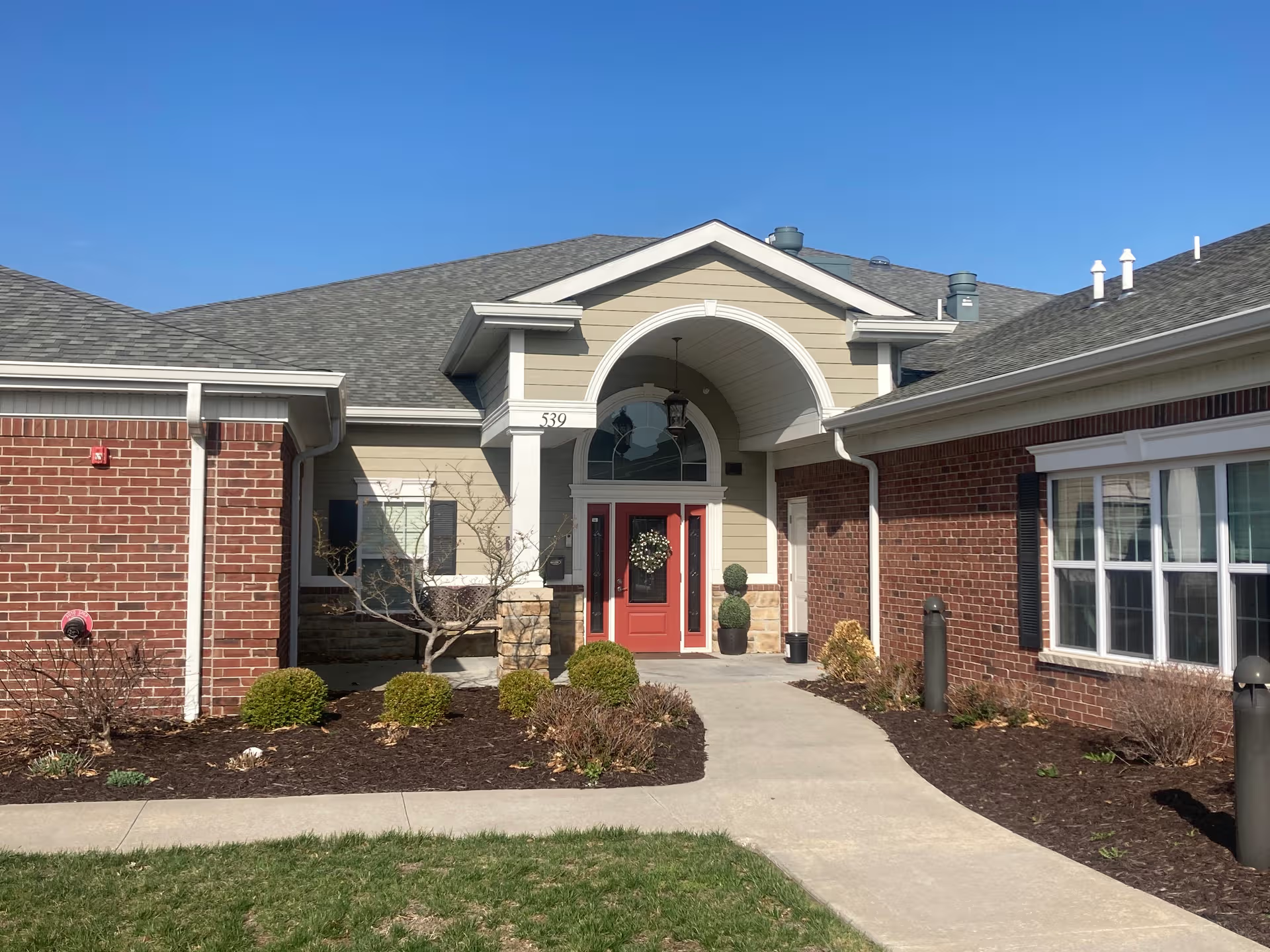
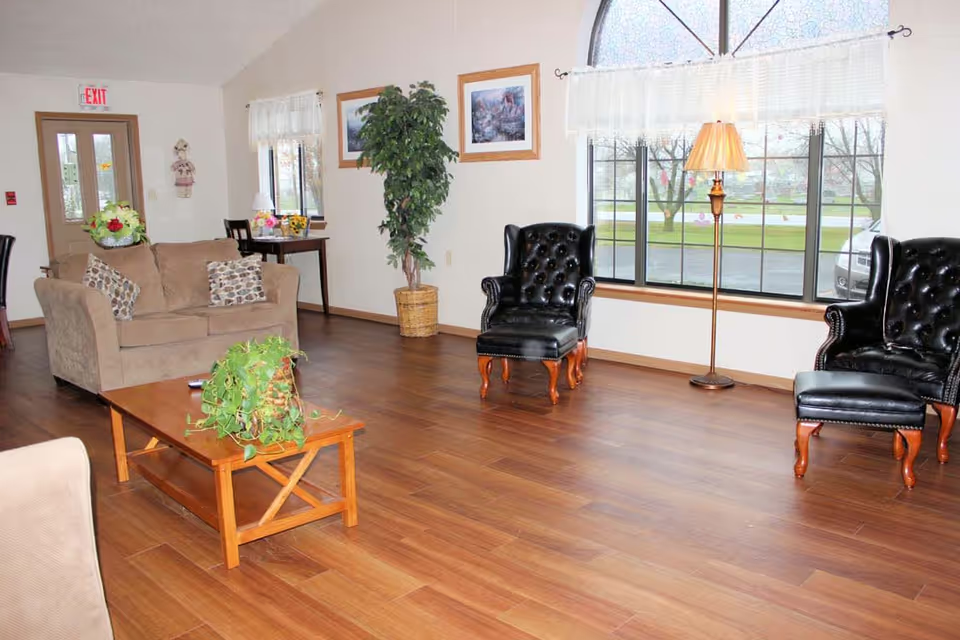
Country Club Rehab & Healthcare Center is repeatedly described as a welcoming, home-like facility with a strong focus on rehabilitation and resident engagement. Reviewers emphasize a compassionate, resident-centered culture: many note attentive nursing and caregiving, consistent staff assignment, proactive daily rounding, and a therapy program that families call a strength. The facility’s physical environment is commonly described as clean and well-maintained, with large semi-private rooms, pleasant common spaces, and amenities such as an aviary, planned therapy-gym enhancements, and proximity to local hospitals and highways.
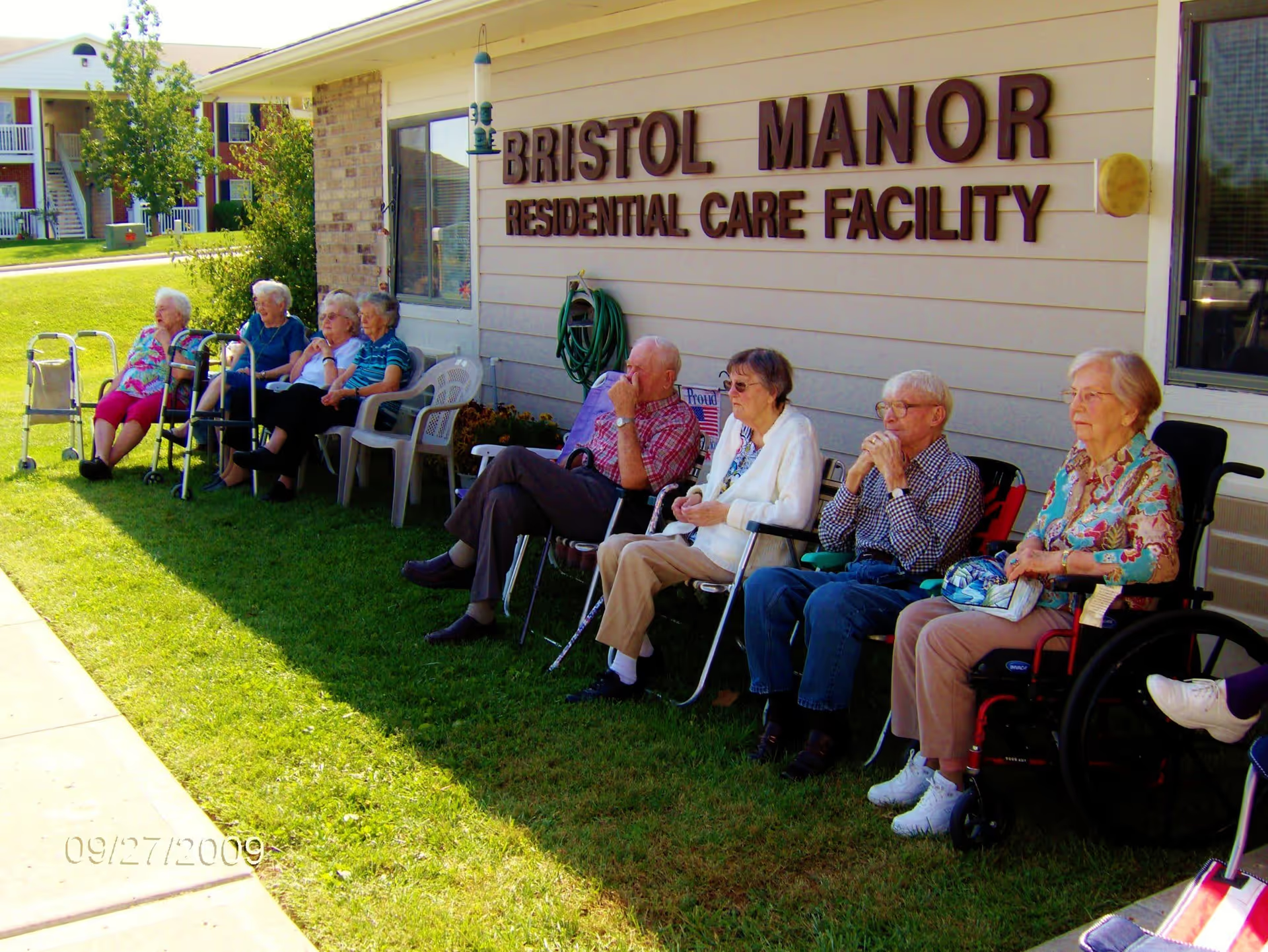
Activities and dining are frequent positives. The center offers a wide range of social and recreational programming — karaoke, bingo, art activities, church services, and special events — and reviewers highlighted an engaged activities director. Food service receives generally favorable comments, with mentions of homemade-style options and cafeteria-style breakfasts. Creative, resident-focused touches (art binders, resident-made plaques) and community involvement contribute to a family-like atmosphere for many residents.
Clinical care elicits mixed but informative impressions. Numerous accounts praise the rehabilitation and nursing teams for professionalism, compassionate care, and clear family communication, including supportive end-of-life care and bereavement support. However, several patterns of operational concern appear across reviews: inconsistent staffing and responsiveness (including delays in attending to personal care needs), gaps in wound-care or pressure-injury follow-up, and variable bedside manner among some staff. There are also mentions of lapses in clinical-incident response and challenges in communicating with families during adverse events. These issues suggest variability in day-to-day care quality rather than uniformly poor performance.
Management and administrative themes are also mixed. Leadership and some administrators receive positive comments for running the facility well and improving operations, and a change in nursing leadership is credited with positive changes. Conversely, there are reports of billing and insurance-processing errors and occasional defensive or dismissive communication from leadership when families raise concerns. High occupancy is a double-edged finding: it indicates local demand but also limits private-room availability and can strain resources.
For prospective residents and families: the facility demonstrates clear strengths in therapy, social programming, cleanliness, and a generally compassionate culture. At the same time, families should clarify expectations around staffing ratios and responsiveness, wound-care protocols, insurance/billing procedures, and private-room availability before admission. Asking specific questions about incident-response processes and how the facility manages continuity of care during high census periods will help set realistic expectations and identify whether the center’s operational practices align with a prospective resident’s needs.