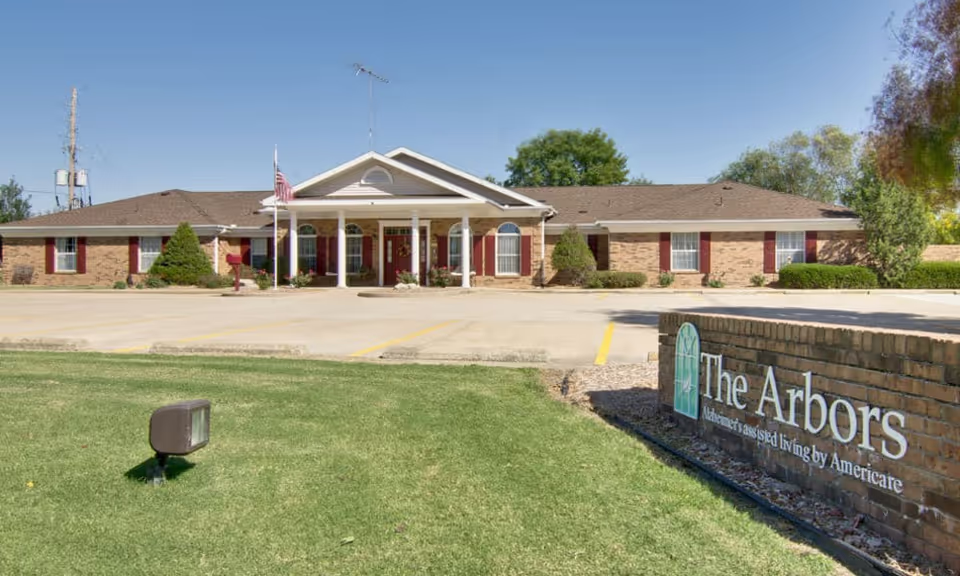
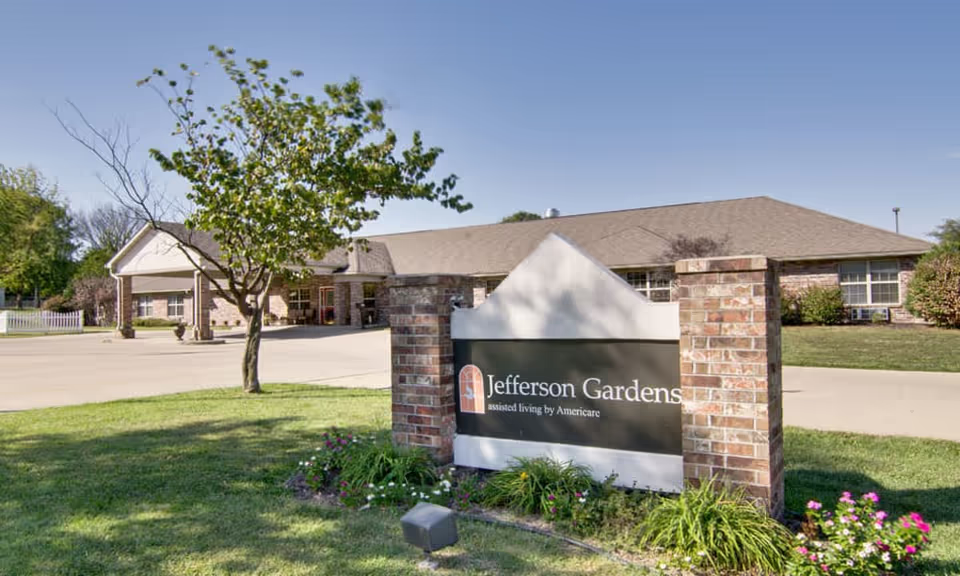
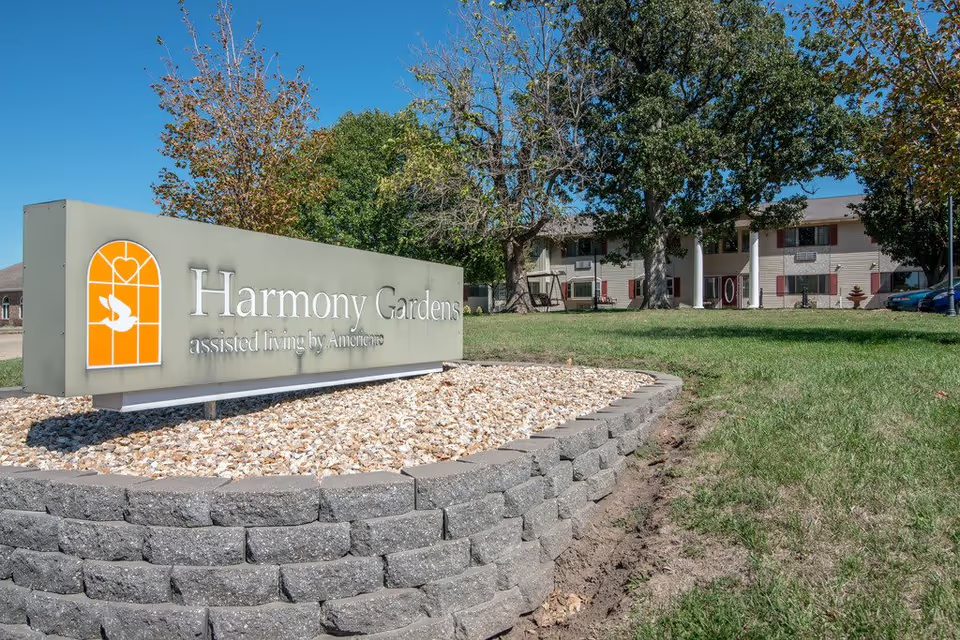
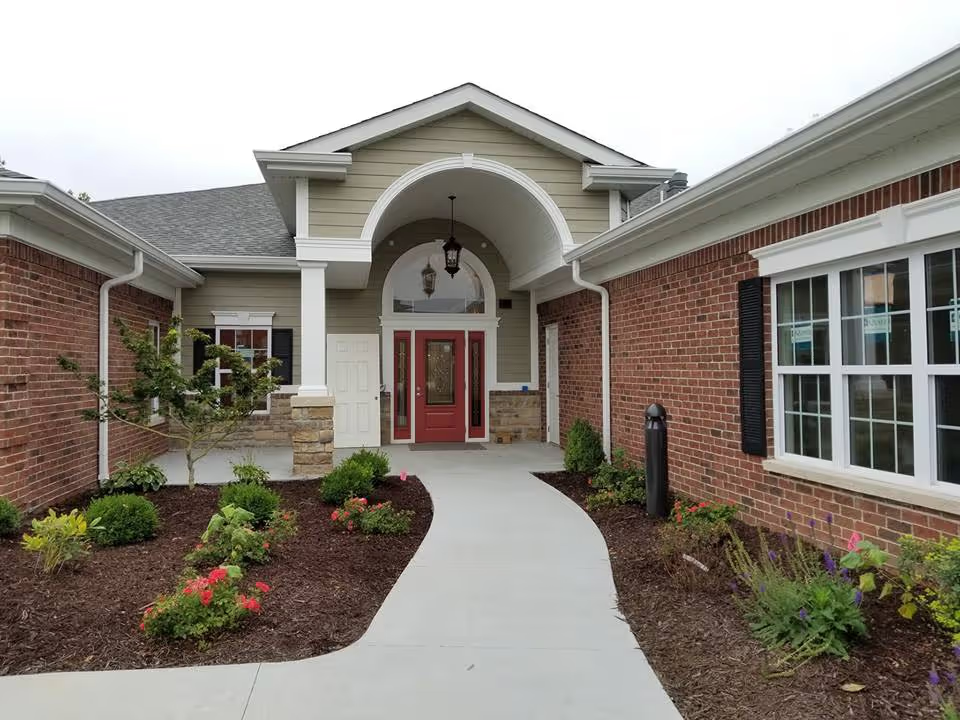
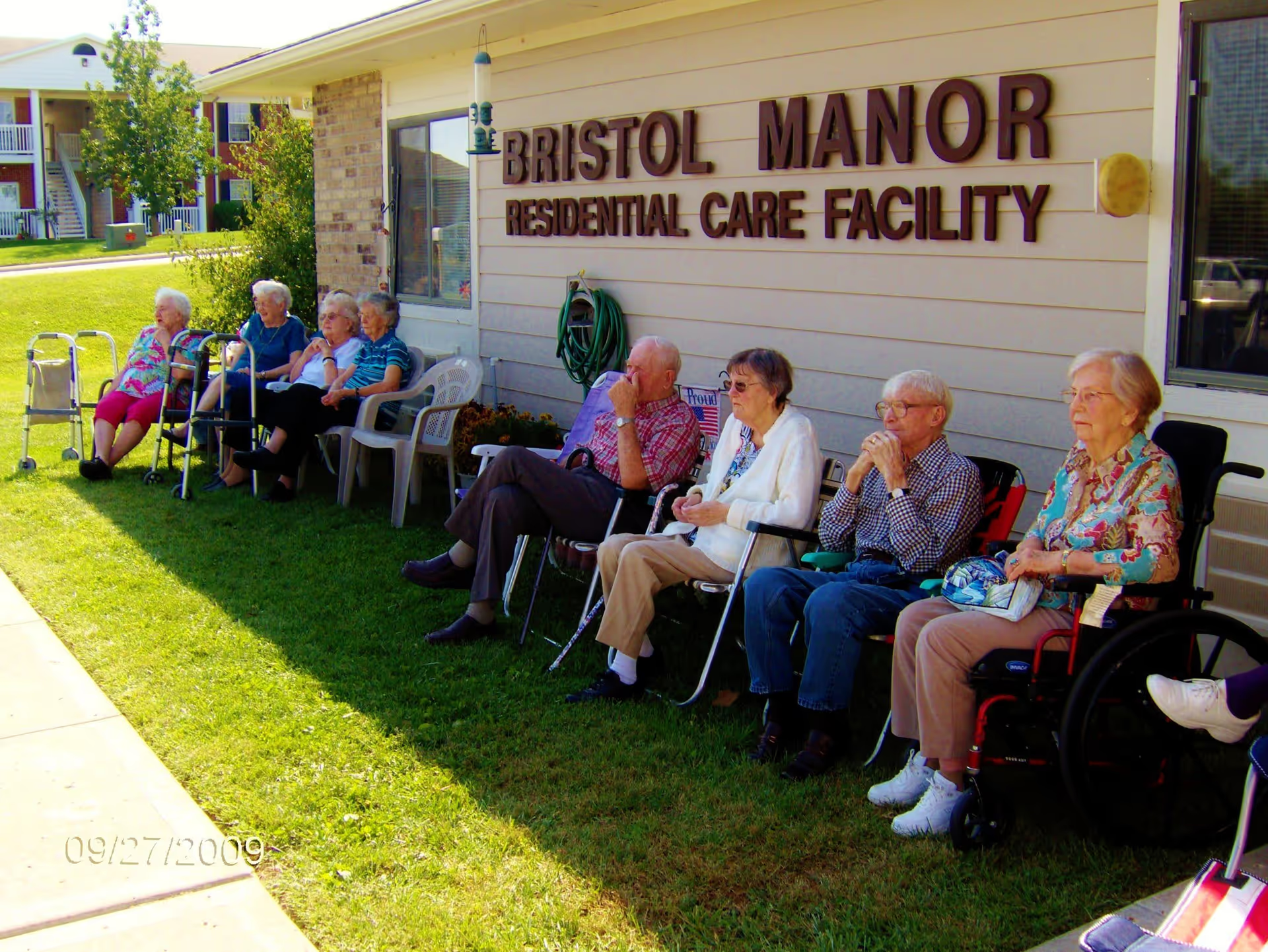
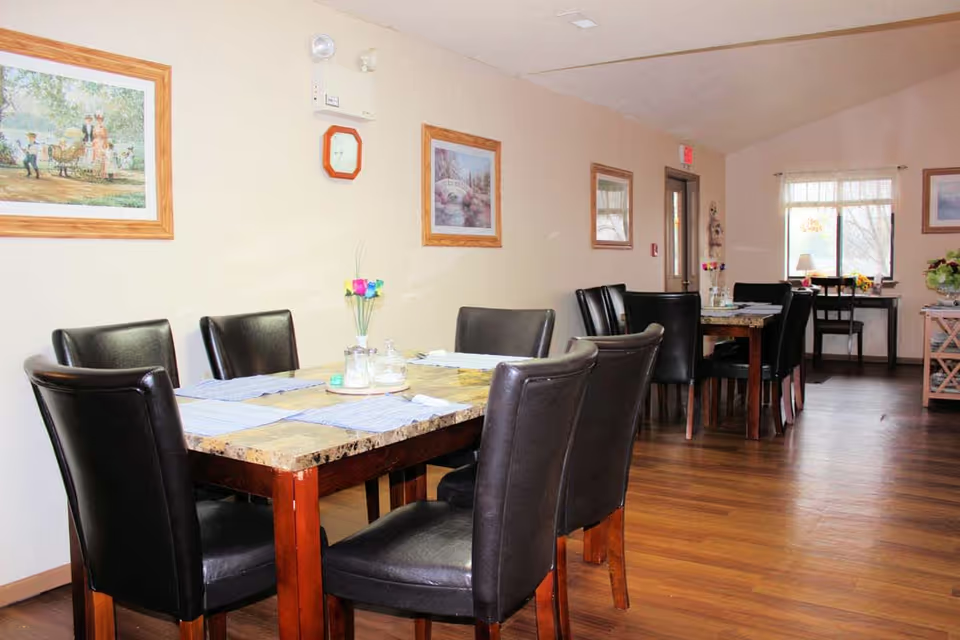
Overall impression is mixed: reviewers commonly praised the facility’s cleanliness, attractive environment, small scale, and an engaged activities program, and many described staff as friendly, caring, and hardworking. These positive comments highlight a setting that can feel home-like and welcoming for residents and families, with staff who build rapport and facilitate enjoyable visits.
Care quality shows a dual pattern. On one hand, numerous accounts reflect compassionate, attentive caregiving and staff who treat residents like family. On the other hand, there are isolated accounts indicating delays in personal care and concerns about responsiveness, including incontinence-care delays and instances where residents were not attended to promptly. These indicate potential variability in day-to-day care consistency and timeliness.
Staffing and training are recurring operational themes. Reviewers emphasized a hardworking front-line team but also described staffing as barely adequate and suggested better training is needed. Low compensation was cited as a factor, implying potential retention and continuity challenges. Clinically, this translates into uneven oversight and occasional gaps in transfer-safety, personal care, and incident response.
Dining received notable criticism alongside other operational concerns. Descriptions of institutional or low-quality meals point to inconsistent dining satisfaction and a need for menu and service improvements. Activities and social programming were a clear strength: multiple comments referenced a robust schedule, resident engagement, and staff-led events that contribute positively to quality of life.
Facility upkeep and atmosphere are generally viewed positively — the building and grounds are described as attractive and well-maintained — yet some sanitation and linen-management concerns were noted in specific instances. Safety monitoring and the facility’s incident-response processes also emerged as areas for improvement in order to ensure consistent resident well-being.
Management and ownership perceptions affect the overall picture. Several comments characterize ownership as profit-focused and link that perception to operational constraints such as staffing levels, training investment, and dining quality. Prospective families should consider these mixed signals: while many families experienced compassionate day-to-day care, there are operational traits that could affect consistency.
Recommendations for prospective residents and families: tour the facility during mealtimes and activity periods, ask about current staffing ratios and turnover, request details on staff training and clinical oversight, review personal-care and linen-management protocols, and inquire how the facility documents and communicates incident response. These targeted questions will help clarify whether the facility’s strengths meet your expectations and whether the operational gaps described have been addressed.