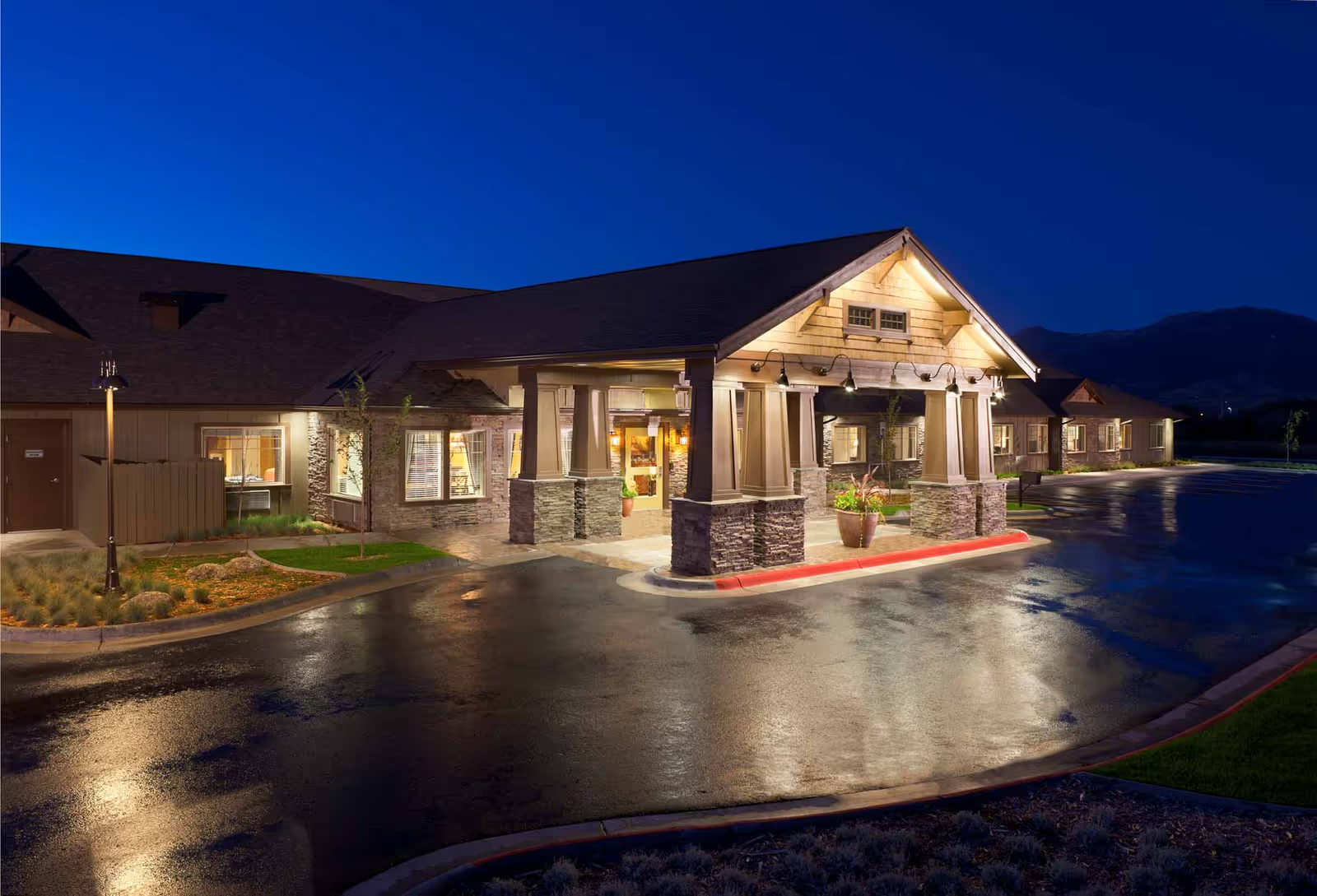
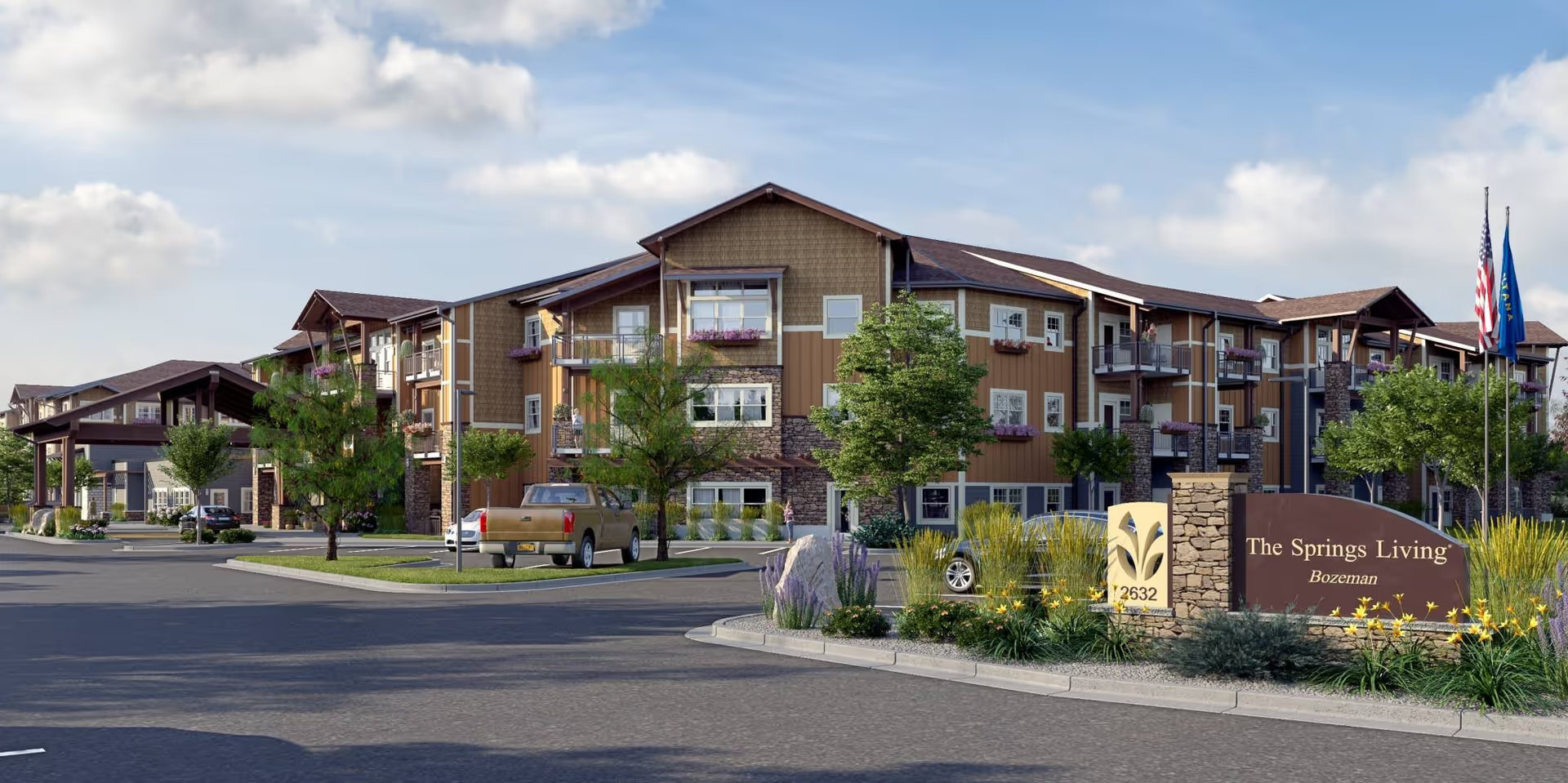
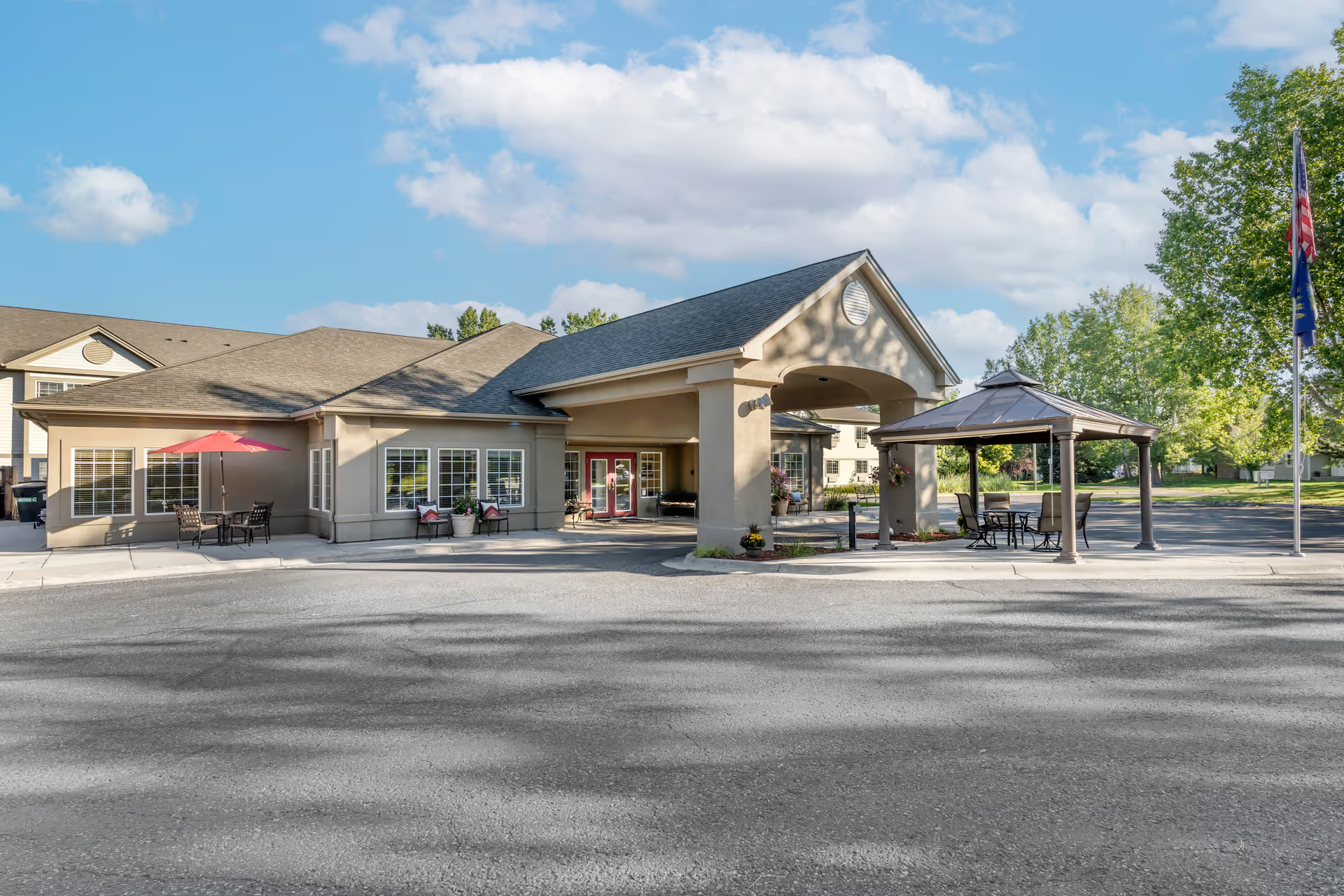
Bozeman Lodge presents as a modern, well-appointed assisted living and memory-care community with many operational strengths alongside notable operational inconsistencies. Most accounts emphasize a warm, resident-focused culture: staff are repeatedly described as caring, personable, and attentive, learning residents’ names and offering individualized attention. The community provides robust therapy services (on-site physical and occupational therapy), visible nursing involvement, and collaboration with local medical providers, which families identify as strong contributors to clinical outcomes and rehabilitation progress.
Dining and social life are frequent highlights. The dining program is frequently praised for chef-driven, rotating menus, special-event dinners, and multiple dining venues (including a bistro and flexible dining hours). Programming is broad and active, including outings, concerts, bridge, bingo, lectures, faith groups, and community events that support social engagement and enrichment. Maintenance and amenities (clean common areas, movie theater, organized events) contribute to a maintenance-free, apartment-style living experience that many families find comfortable and appealing.
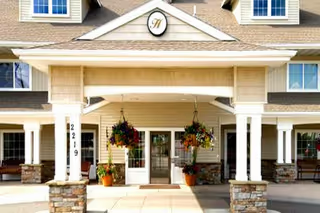
Facility condition and move-in experience are generally positive: the building is described as clean, updated, and attractively furnished, with private apartment options that include kitchens and accessible designs. Staff-driven move-in assistance and transition coordination are repeatedly noted as strengths. Therapy teams and skilled nurses are highlighted for measurable improvements in mobility and effective coordination of care plans.
However, reviews reveal consistent operational concerns that prospective families should evaluate. Staffing levels and turnover are recurring themes; several accounts describe caregivers as overworked and point to periodic delays in responding to resident needs. Relatedly, there are documented gaps in medication administration and clinical oversight that range from delayed medication delivery to more serious individual incidents; one or more instances prompted external review by adult protective services. Meal quality is described as excellent by many but inconsistent by others, indicating variability in day-to-day dining experiences. Some families express frustration with management or corporate-level inflexibility (policy enforcement, communication style, and post-move rent increases), and a few reviews note privacy limitations in apartment layouts and intermittent cleanliness/sanitation concerns in particular areas.
Overall, Bozeman Lodge offers many attributes families seek—compassionate staff, strong therapy services, engaging programming, and an appealing physical environment. At the same time, there are operational patterns worth investigating in person: verify current staffing ratios and turnover, review medication-administration and clinical oversight protocols, inquire about dining-schedule consistency and menu oversight, and clarify contract terms including fee increases. Visiting during meals and activity times, asking about recent staffing stability, and requesting documentation of clinical oversight can help balance the community’s many strengths against the operational concerns described.