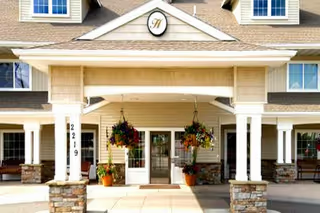
Brookdale Springmeadows presents as a clean, bright, and socially active assisted‑living community with a strong emphasis on person‑centered interactions and engagement. Reviewers frequently praised the warm, family‑like atmosphere, staff who learn residents’ names and preferences, and a robust activities program that includes music, art, walking clubs, religious services, and frequent group events. The community’s physical environment — well‑maintained interiors, attractive common areas, gardens and walking trails — reinforces a sense of homeliness and supports outdoor socialization.
Care and staffing are central strengths and sources of concern. Many families described compassionate, attentive caregiving from long‑tenured employees and cited good coordination among staff offices and teams, which contributes to individualized attention and smoother transitions. At the same time, a recurring operational theme is limited staffing coverage for residents with greater assistance needs; reviewers cited slower call‑button response times and periods when staffing constraints appeared to diminish the timeliness or depth of direct care. There are also isolated accounts pointing to medication‑administration and pharmacy coordination issues, which warrant specific questions during a tour.
Dining is mixed. Several reviewers complimented the dining room atmosphere, chef involvement, and some wholesome menu offerings. However, an important pattern is inconsistent meal quality and limited variety — including comments about repetitive menus and a lack of fresh fruit and vegetables — and occasional execution problems such as poorly timed service or cold items. Management involvement in kitchen operations has been noted, and a change in food‑service leadership was described as pending in at least one account; prospective families should ask about the current food‑service manager, sample menus, and accommodations for dietary needs.
Activities and programmatic offerings are a clear positive: staff‑led programming, scheduled calendars, and frequent social opportunities were repeatedly described. The community’s smaller size appears to support social connection and regular participation, with dementia‑specific programming available for residents who need it. Multiple housing options (cottages, studios, multi‑room apartments) and a pet‑friendly policy add flexibility for different resident preferences.
Operational and administrative areas show variability. Several accounts described problems with billing, delayed refunds, and uneven communication from administrative staff; while regional leadership was described as responsive in at least one instance, families should expect to clarify billing practices and contact channels up front. Overall management culture received both positive and critical comments — many families praised engaged leadership and staff morale, while others experienced inconsistent follow‑through on concerns.
Bottom line: Brookdale Springmeadows is likely to be a good fit for prospective residents seeking a socially active, small assisted‑living community with dementia programming, attentive caregiving relationships, and well‑kept grounds. Prospective residents and family members should verify current staffing ratios and response procedures, review recent menus and kitchen leadership, confirm medication‑management practices and pharmacy arrangements, and clarify billing and refund policies before committing. These targeted questions will help match the community’s strong social and environmental attributes to the medical and administrative needs of an individual resident.