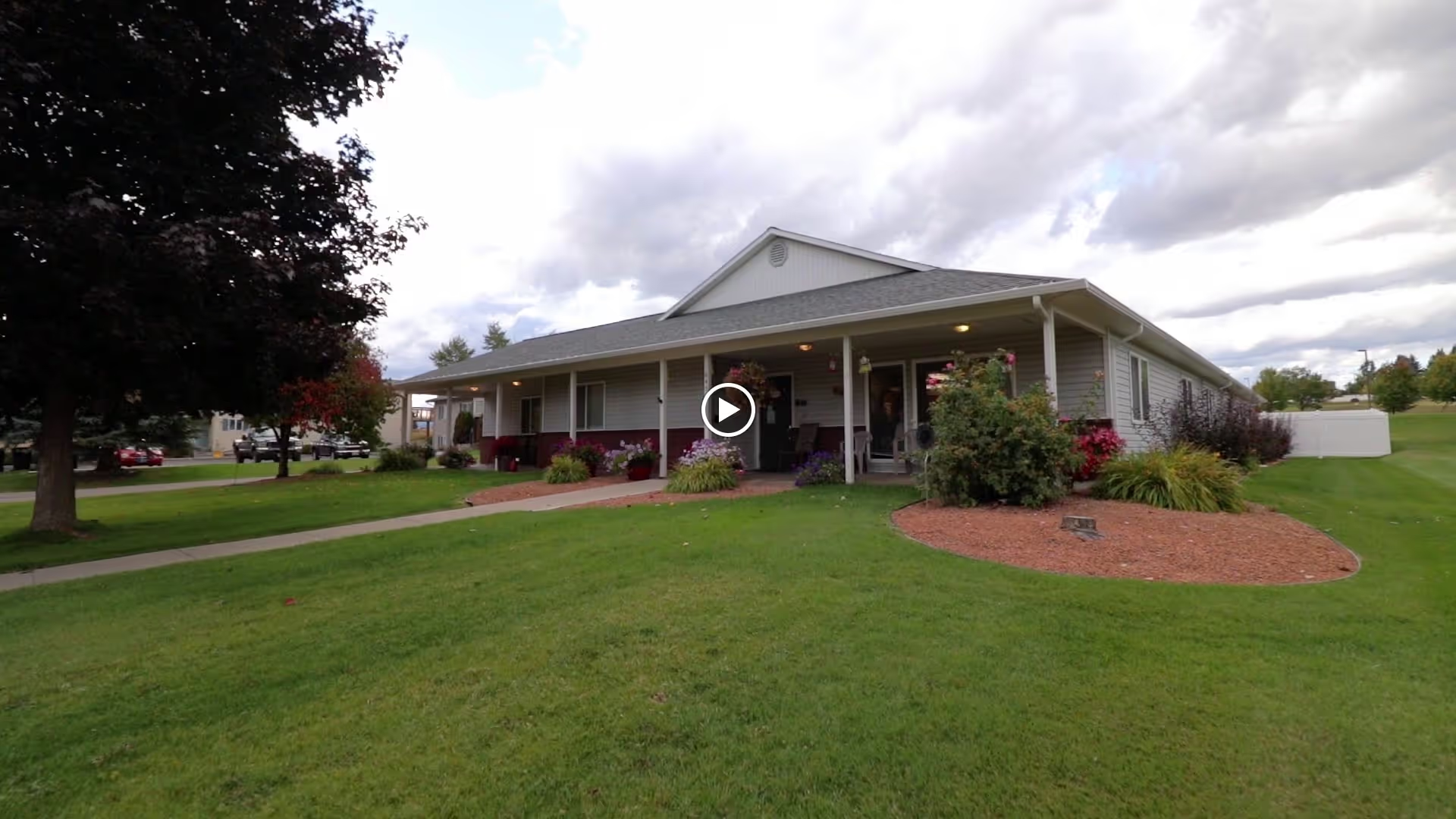
Reviews for Meadowlark Assisted Living are mixed, with a clear split between strongly positive experiences focused on staff and atmosphere and serious operational concerns raised by other correspondents. Many families and residents describe a warm, home-like environment with compassionate, personable caregivers, an owner who is seen as caring and accessible, and staff who form friendly relationships with residents. The facility is frequently described as comfortable and welcoming; dog-friendly visitation and staff members who provide emotional support and a family-style culture are recurring positives.
Conversely, a number of reviews identify operational weaknesses that can affect daily care. Key themes include inconsistent staff training and competency and delays in responding to resident call systems. Reviewers raised concerns about irregular assistance with activities of daily living such as morning routines and bathing, as well as inconsistent handling of personal alert devices. Some accounts also point to staff conduct issues (including smoking near the building) and gaps in supervision and security that could compromise resident safety or comfort.
Dining and activities show mixed impressions. The kitchen is described as providing acceptable, home-style meals, but menu variety may be limited during weekdays with more varied offerings on weekends. Common areas can be lively; however, there are reports of periodic loud, crowded atmospheres and event-style management (including visible crowd-control measures) that may not suit residents who prefer quieter settings.
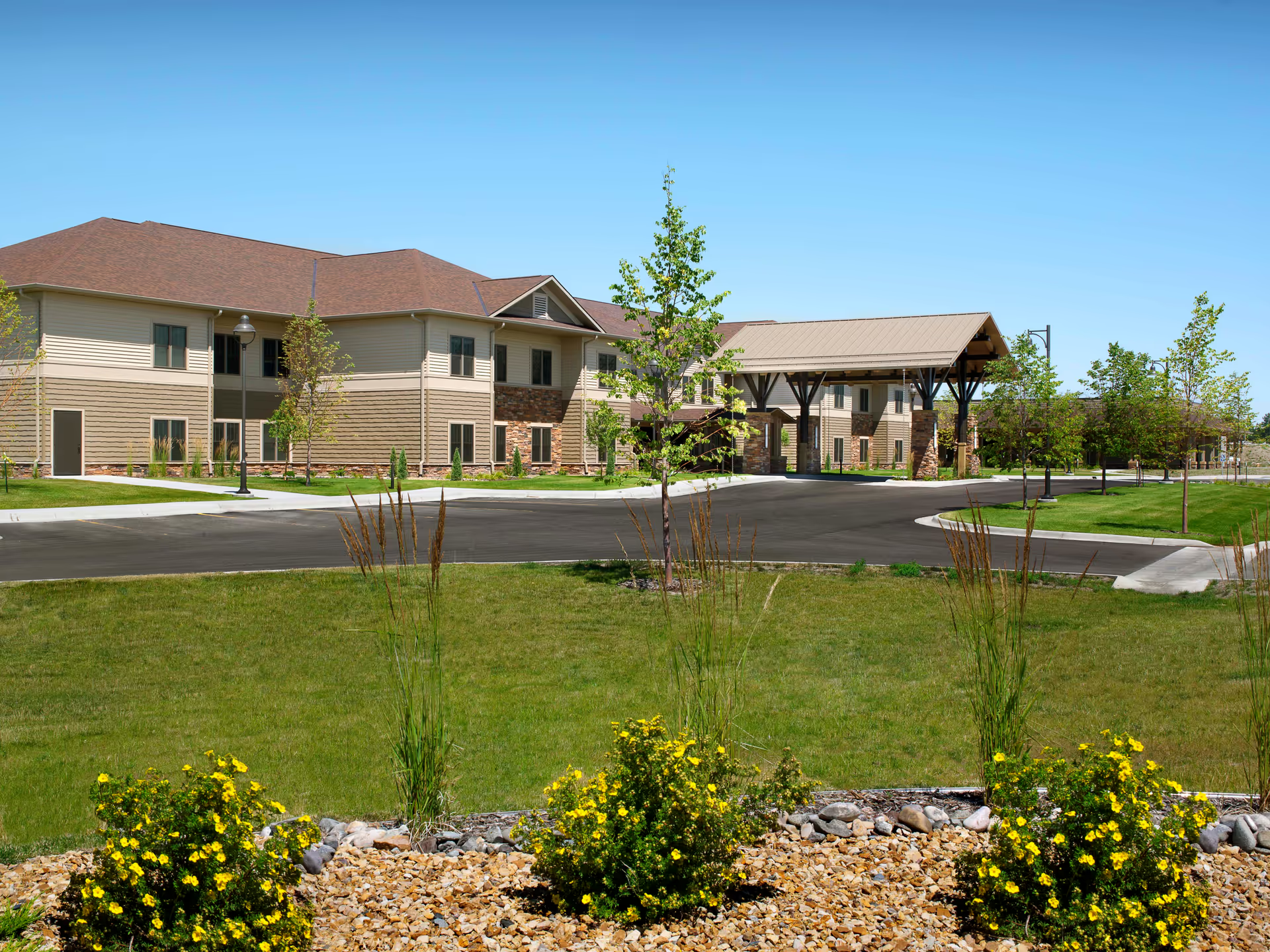
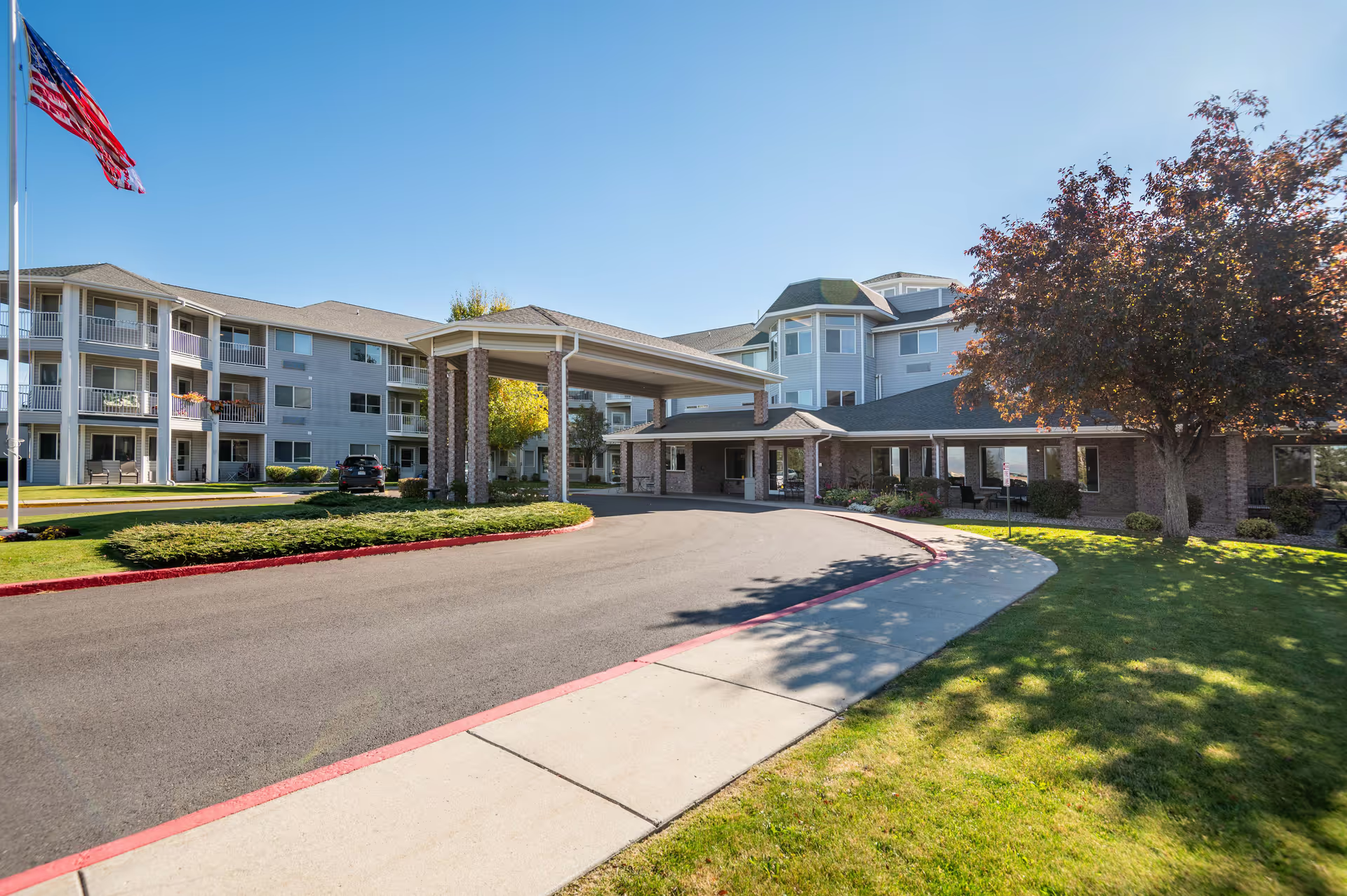
Facility condition and management perception are generally positive in terms of cleanliness, aesthetics, and a comfortable setting. At the same time, some reviews describe serious single-site incidents, including an eviction following an alleged assault and allegations of on-site substance use—these accounts highlight potential gaps in incident prevention, supervision, and response. Prospective families should consider these contrasting patterns: strong interpersonal care and a homelike culture versus intermittent operational lapses affecting safety, responsiveness, and routine personal care.
Recommendations for visitors: during a tour, ask about staff training and turnover, typical staff-to-resident ratios, how call-response times are measured and reported, bathing and morning-routine schedules, policies for personal alert devices, visitor and resident screening, and specifics of the weekly menu and activity schedule. Verifying how management documents and addresses safety incidents and reviewing recent inspection or incident records will help clarify whether the facility’s strengths are consistently applied across residents.