Cooney Healthcare and Rehabilitation presents a mixed but actionable picture for prospective residents and families. Strengths are concentrated around its rehabilitative offerings and many frontline caregivers: physical and occupational therapy are frequently described as effective, and families commonly note successful functional gains after procedures such as shoulder replacement. Nursing staff and certified nursing assistants are often characterized as caring and hands-on, and there are repeated references to staff who go above and beyond. The facility also maintains visible infection-control practices, provides three meals a day, and offers ADL assistance including denture care and laundry support.
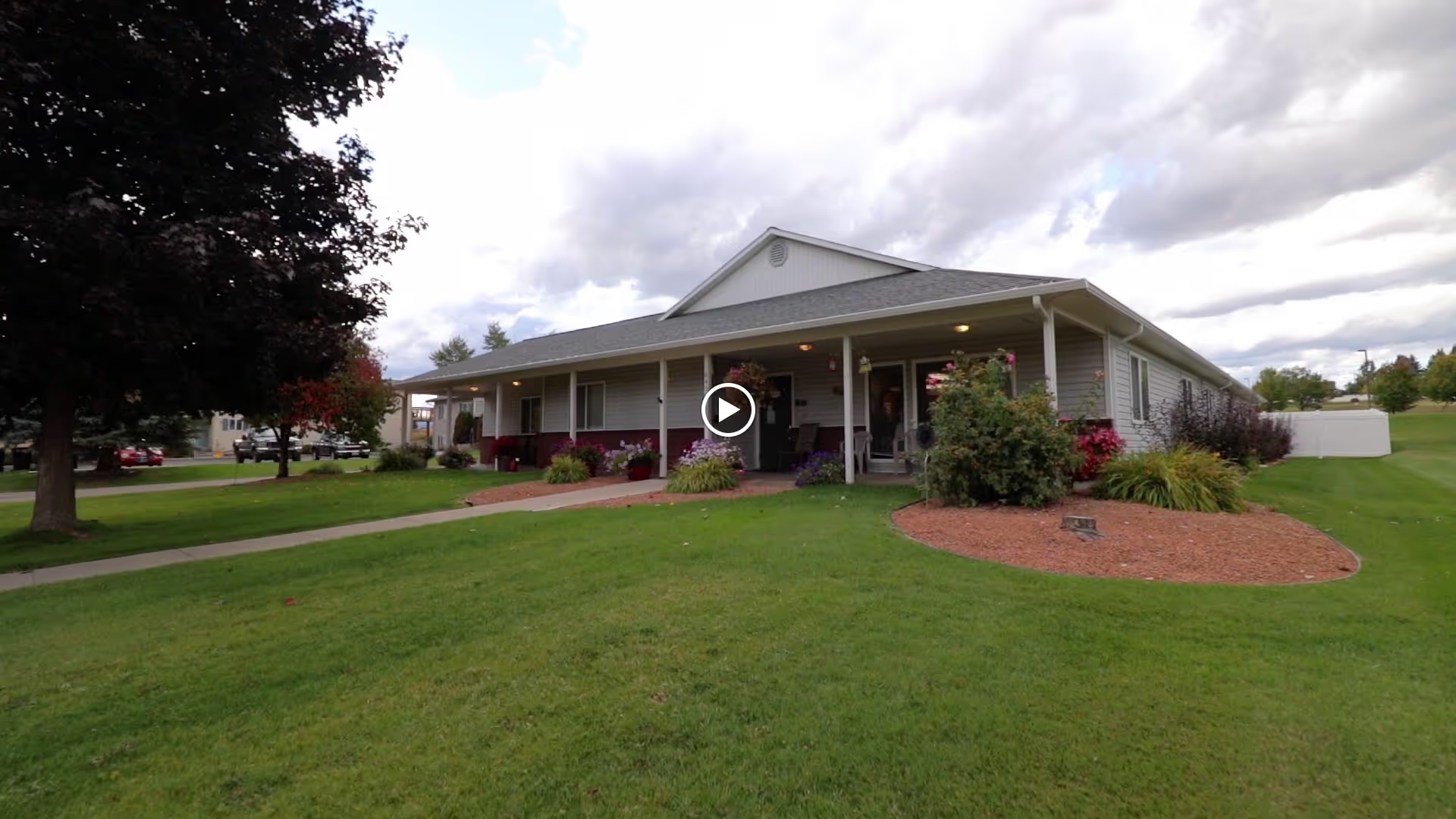
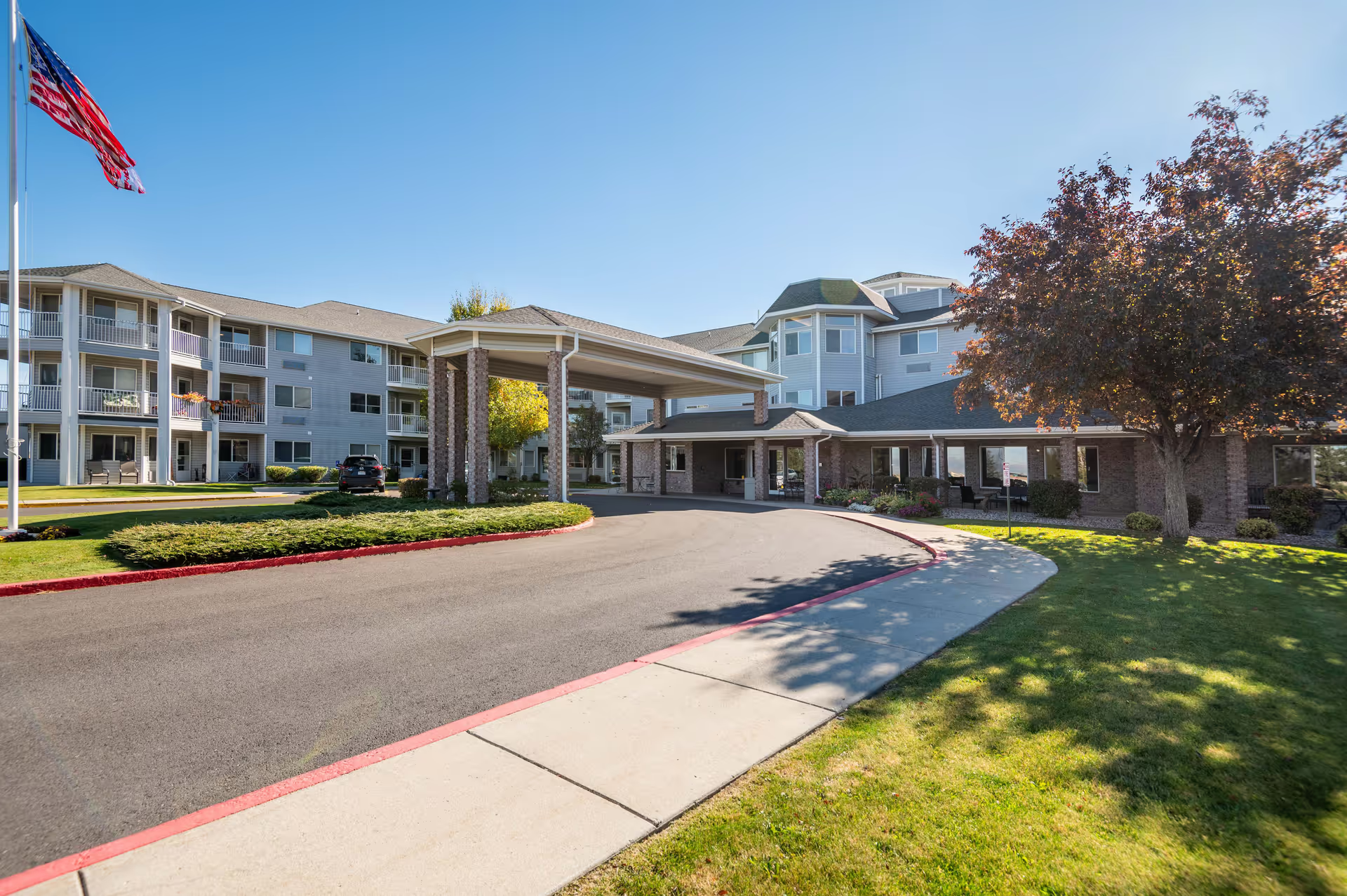
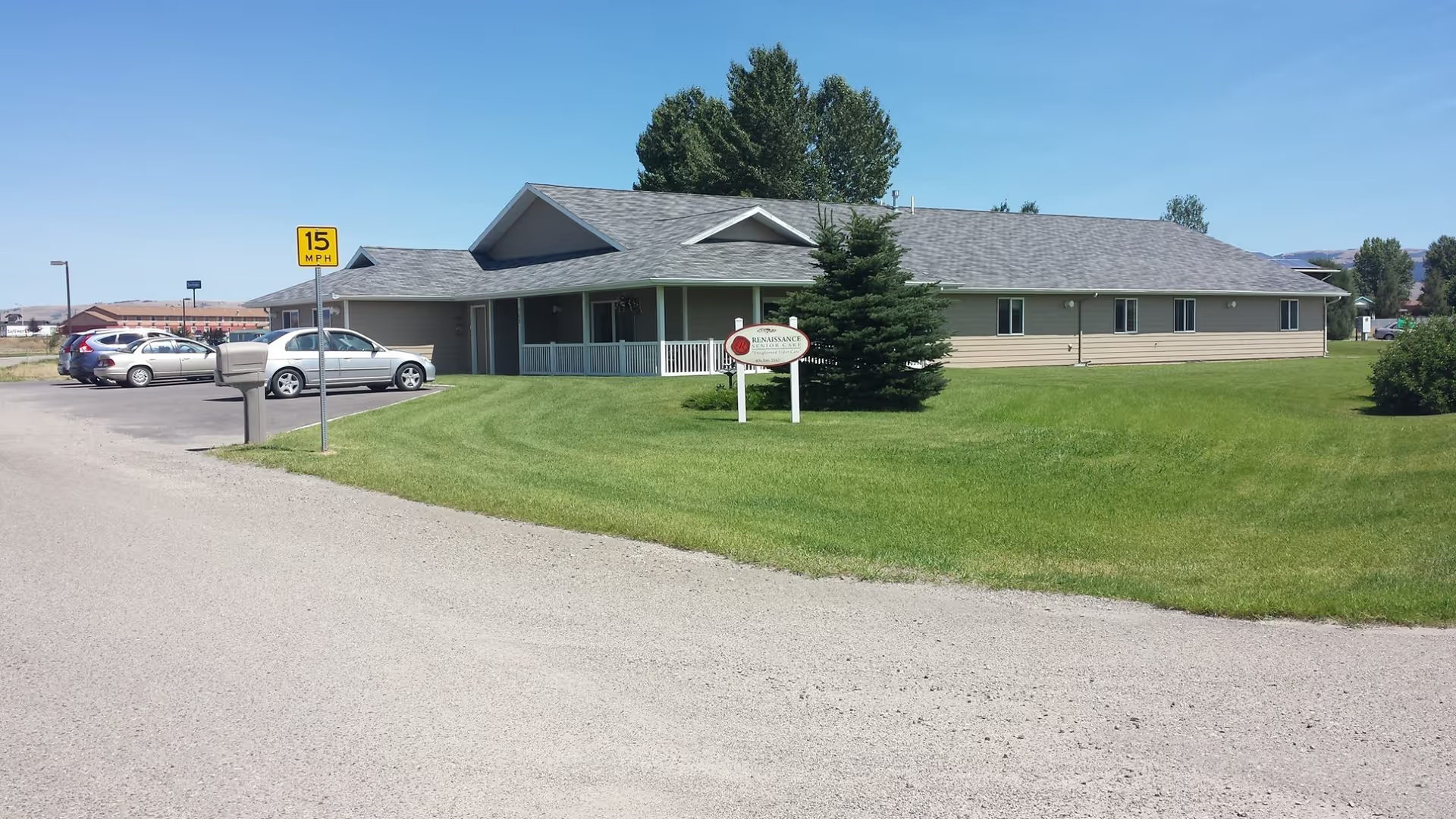
Activity and amenities are another asset in many accounts. Reviewers note a structured activity program with music, bingo, nail services, aquariums and other recreational features, plus a bus for community outings. Common areas have been described as clean and hotel-like after remodels, and the environment can feel family-friendly and welcoming during visits. Safety protocols such as locked exits and wristbands are in place to reduce elopement risk, which some families found reassuring.
However, there is a clear pattern of operational inconsistency. Staffing levels and shift coverage are described as uneven, producing slow responses to call lights and perceived delays in personal care. Professionalism and phone manners also vary by employee and shift; families have experienced both supportive, communicative staff and interactions characterized by poor phone responsiveness or brusque tone. Several reviews raise concerns about clinical oversight, including medication administration and reliability of basic personal-care schedules, indicating variability in care quality across units or shifts.
Facility-level maintenance and comfort are similarly mixed. While many areas and recently remodeled wings are praised for cleanliness and ambiance, individual rooms and furnishings have been described as dated or poorly maintained, and some reviewers note temperature-control problems during hot weather. Activity programming is available but can be repetitive for some residents; community outings occur but their availability appears intermittent. Management and administrative communication is another area of divergence: some families received helpful, timely discharge updates, while others experienced placement delays, unanswered calls, or difficulties reaching staff.
Taken together, the pattern suggests that Cooney can deliver strong rehabilitative outcomes and attentive caregiving under favorable staffing and management conditions, but it also shows variability in day-to-day operations, environmental maintenance, and administrative responsiveness. Prospective residents and family members should consider on-site visits at different times of day, ask specific questions about current staffing ratios and medication-administration oversight, review activity calendars and outing schedules, and inspect resident rooms for temperature-control and maintenance standards to assess whether the facility’s current operational state matches their expectations and care needs.