Overall impression: Most feedback highlights a small, home-like community with warm, consistent staff and coordinated care practices that support resident independence and social engagement. Reviewers frequently describe staff as caring and familial, residents forming friendships, and families receiving visual updates and communications that help them feel connected. The facility’s size and maintenance level are often framed as positives: intimate staffing, a comfortable atmosphere, and a building that is functional and kept up rather than newly constructed.
Care and staff: Reviews emphasize compassionate direct care and a stable caregiving team. Families note consistent personnel, knowledgeability among caregivers, and routine team meetings to coordinate care plans. These elements appear to contribute to resident contentment and a perception of safety and independence for long-term residents. At the same time, several operational concerns indicate potential variability in clinical oversight. In particular, there are concerns about medication management, informed-consent communication, and the level of clinical training among some care staff. These represent areas a prospective family should evaluate during a tour and care-plan discussion.
Dining and activities: Activity programming and dining are commonly described positively. The community uses a published activity calendar and offers engaging options that support socialization. Meals are described as appealing, and families appreciate photo updates that document daily life. These features support a home-like routine and opportunities for resident engagement.
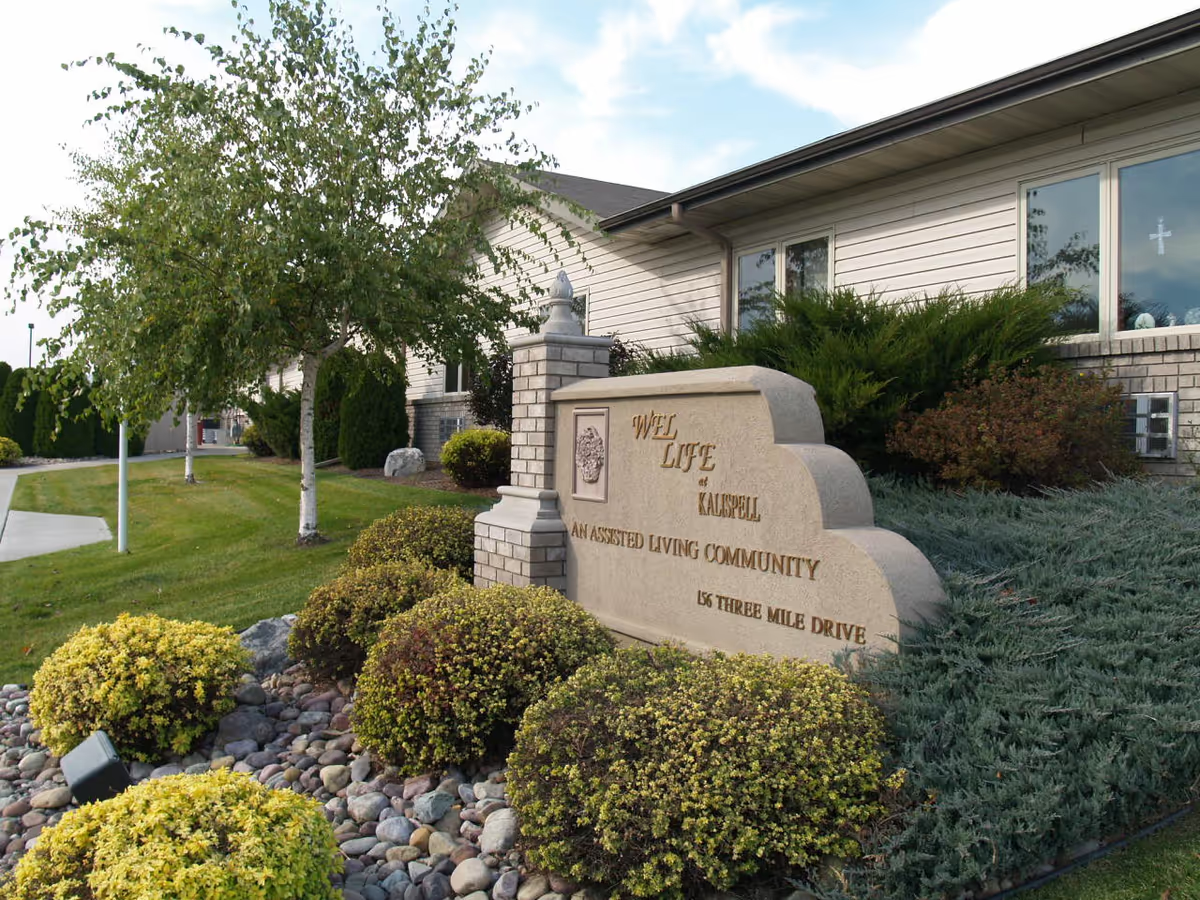
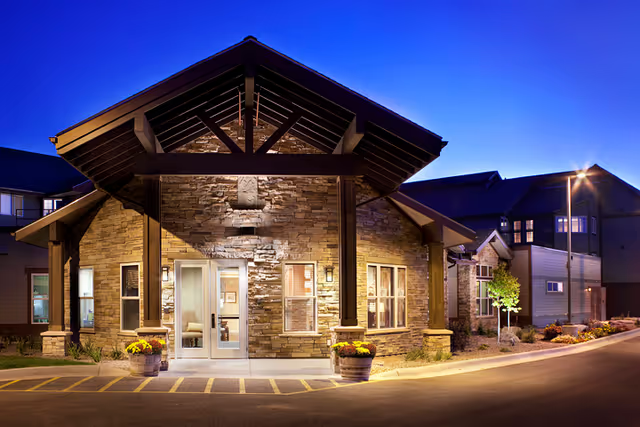
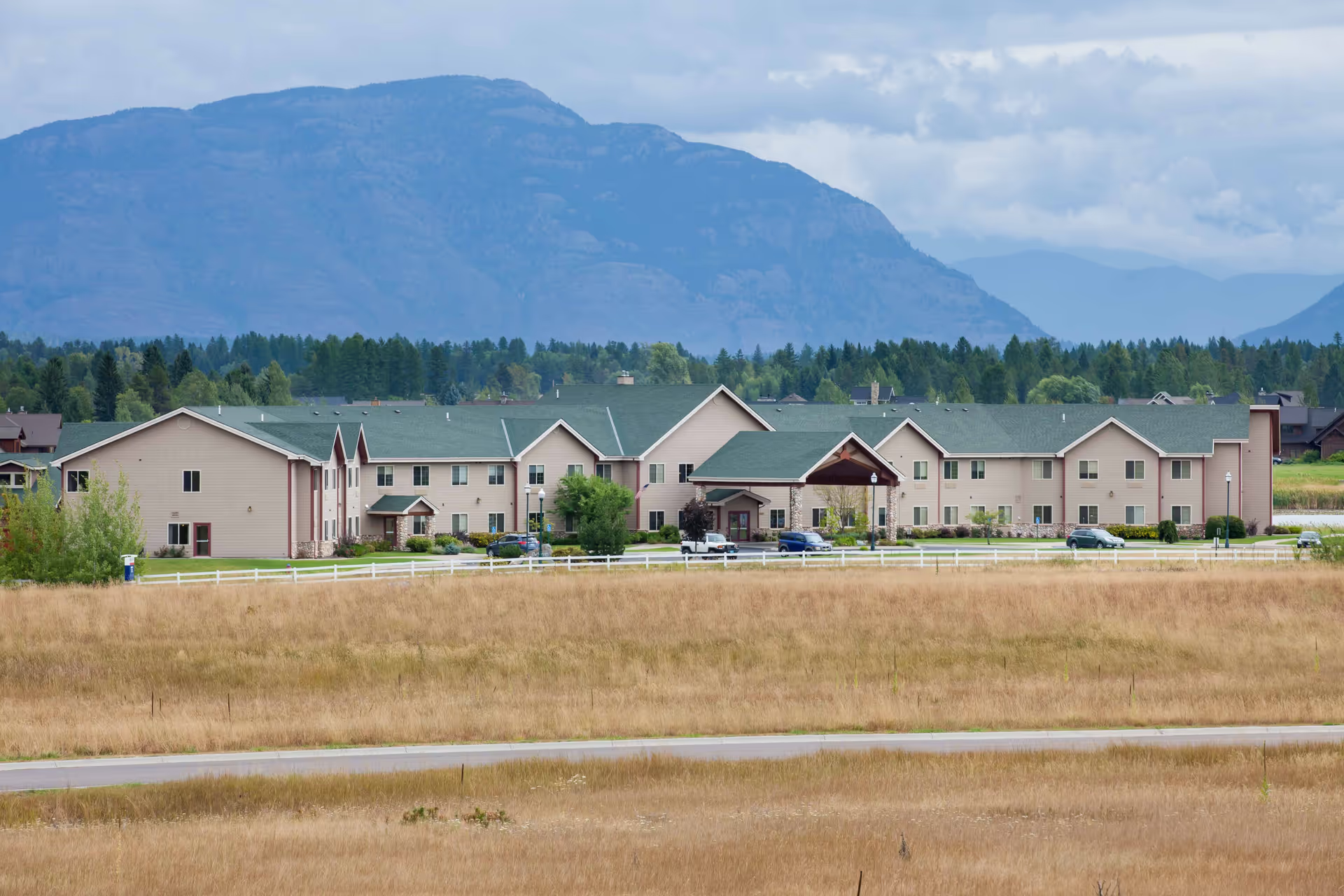
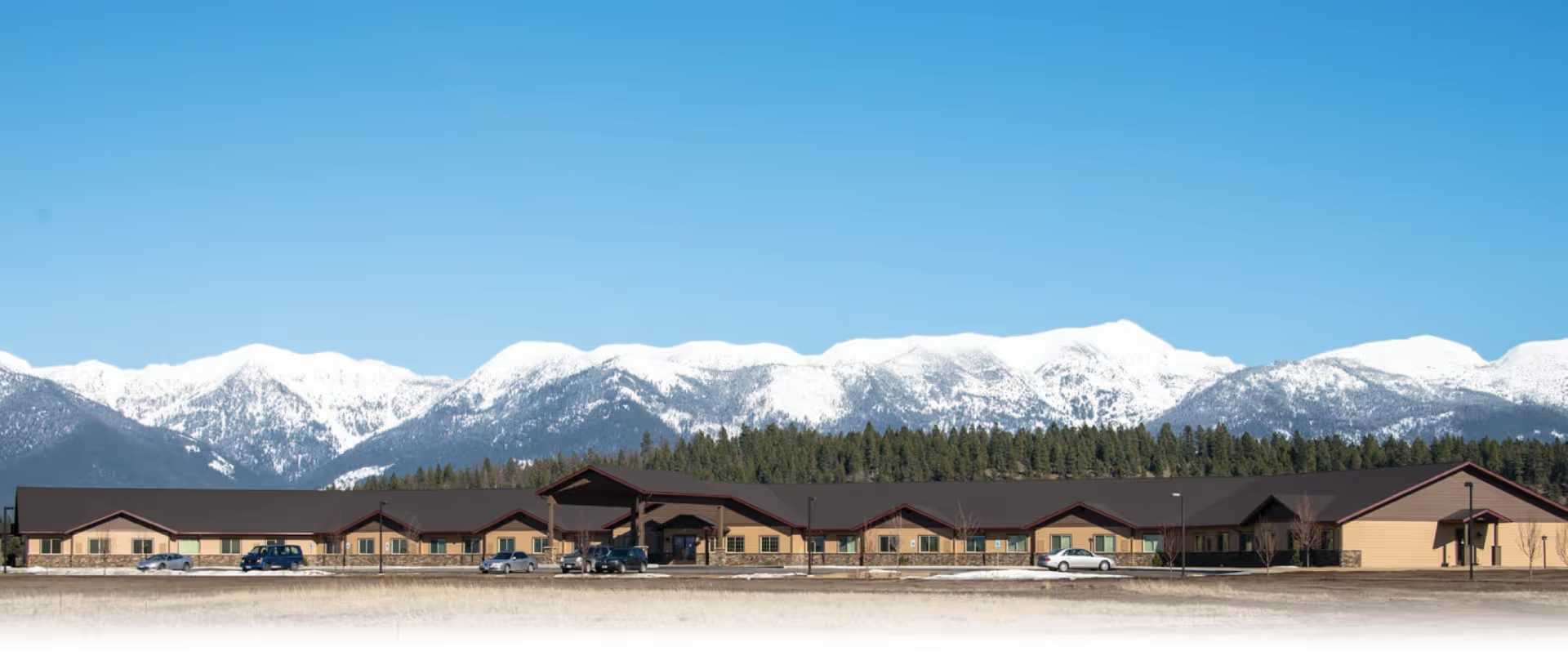
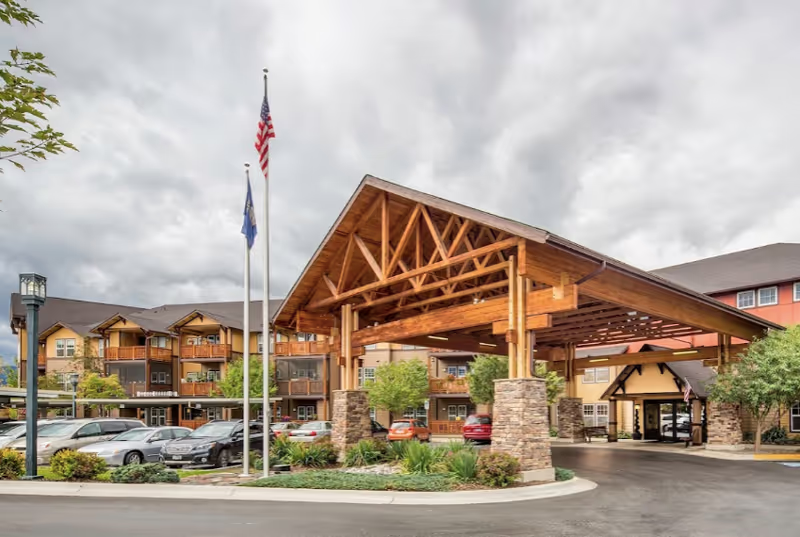
Facilities and capacity: The building is characterized as small and well-maintained rather than newly built. That scale supports closer staff–resident relationships but also correlates with limited admission availability. Prospective residents should note that capacity constraints may affect admission timing and transfer options.
Management and notable patterns: While many families praise the interpersonal qualities of management and specific staff members, there is at least one serious account alleging breakdowns in medication-consent communication and abrupt discharge without transition planning. Given the severity of those claims, prospective families should directly assess administrative practices: ask about documented informed-consent procedures for medication changes, medication-administration oversight, staff clinical training and supervision, written discharge and transition policies, and the facility’s process for handling family concerns. Reviewing recent care-plan notes, medication administration records, and meeting schedules can help clarify how consistently the facility implements its stated practices.
Bottom line: The facility presents as a small, family-oriented community with many positive reports about staff warmth, engaging programming, and coordinated care. However, there are notable operational risk areas—particularly around medication-consent procedures, clinical training, administrative transparency, and transition planning—that warrant targeted questions and document review before placement.