The reviews describe a mixed picture of clinical care and day-to-day operations. On the positive side, families frequently praise the clinical team, particularly therapy staff and some nursing personnel, for knowledge, thoroughness, and measurable rehabilitation progress. Several comments emphasize clear, regular communication with families and the presence of compassionate aides who maintain a clean and well-kept environment. These accounts indicate the facility can deliver effective post-acute therapy and family-facing updates that support functional gains.
Conversely, a substantial theme across the feedback is inconsistency. Multiple accounts point to uneven medication management and at least a few instances where medications were missed or not checked as expected. Relatedly, there are reports of delayed recognition and follow-up of clinical changes during rehabilitation transitions, which families interpreted as lost recovery time or unnecessary complications. These issues suggest gaps in clinical monitoring and coordination, particularly during short-term rehab stays.
Staffing and communication patterns are also mixed. While some families highlight daily updates and approachable therapists, others describe difficulties reaching staff by phone, unresponsiveness during concerns, and instances where the communication tone from nursing staff was perceived as discourteous. These divergent experiences indicate variability in staff availability and interpersonal conduct that may reflect training or supervision inconsistencies.
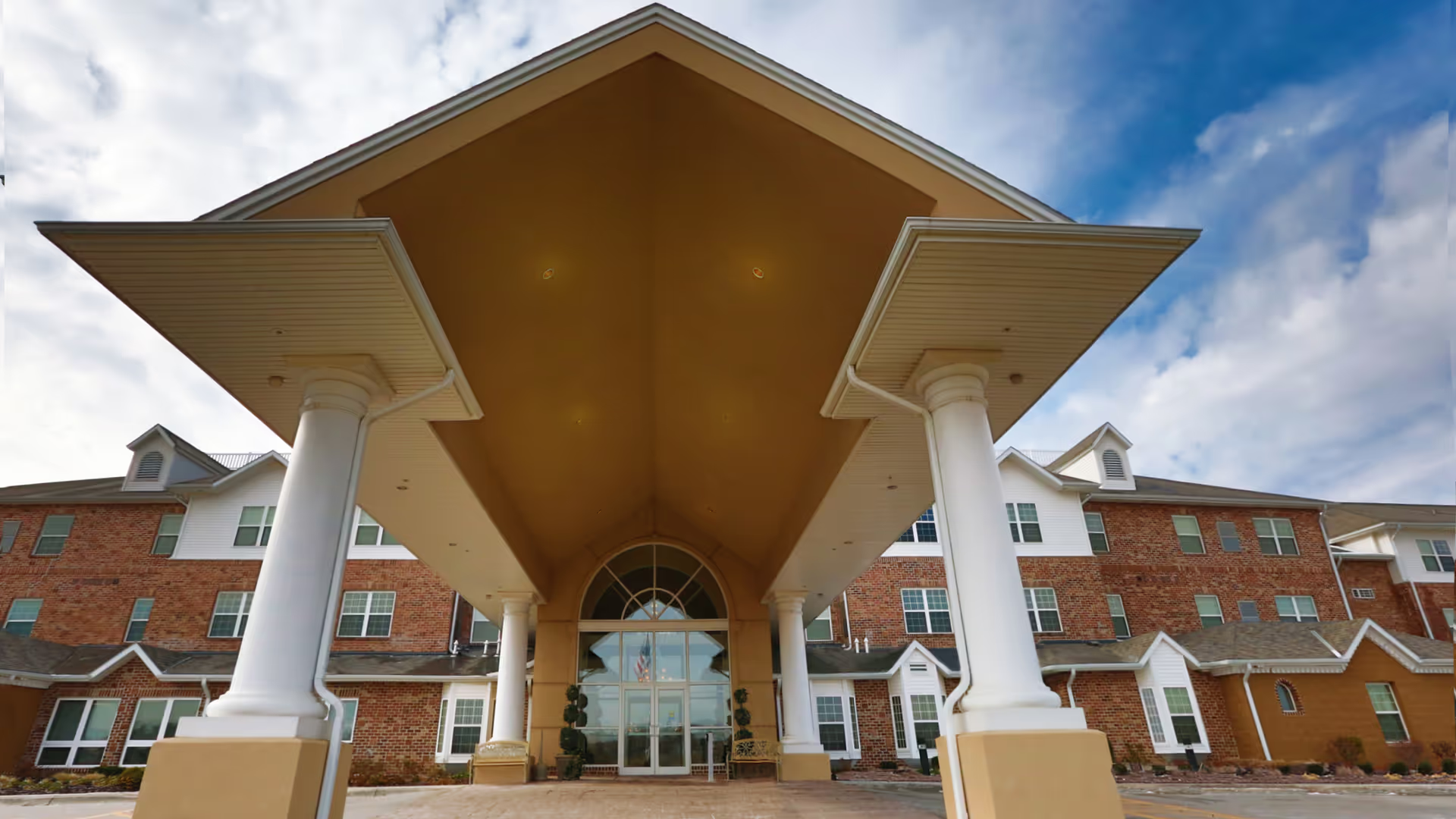
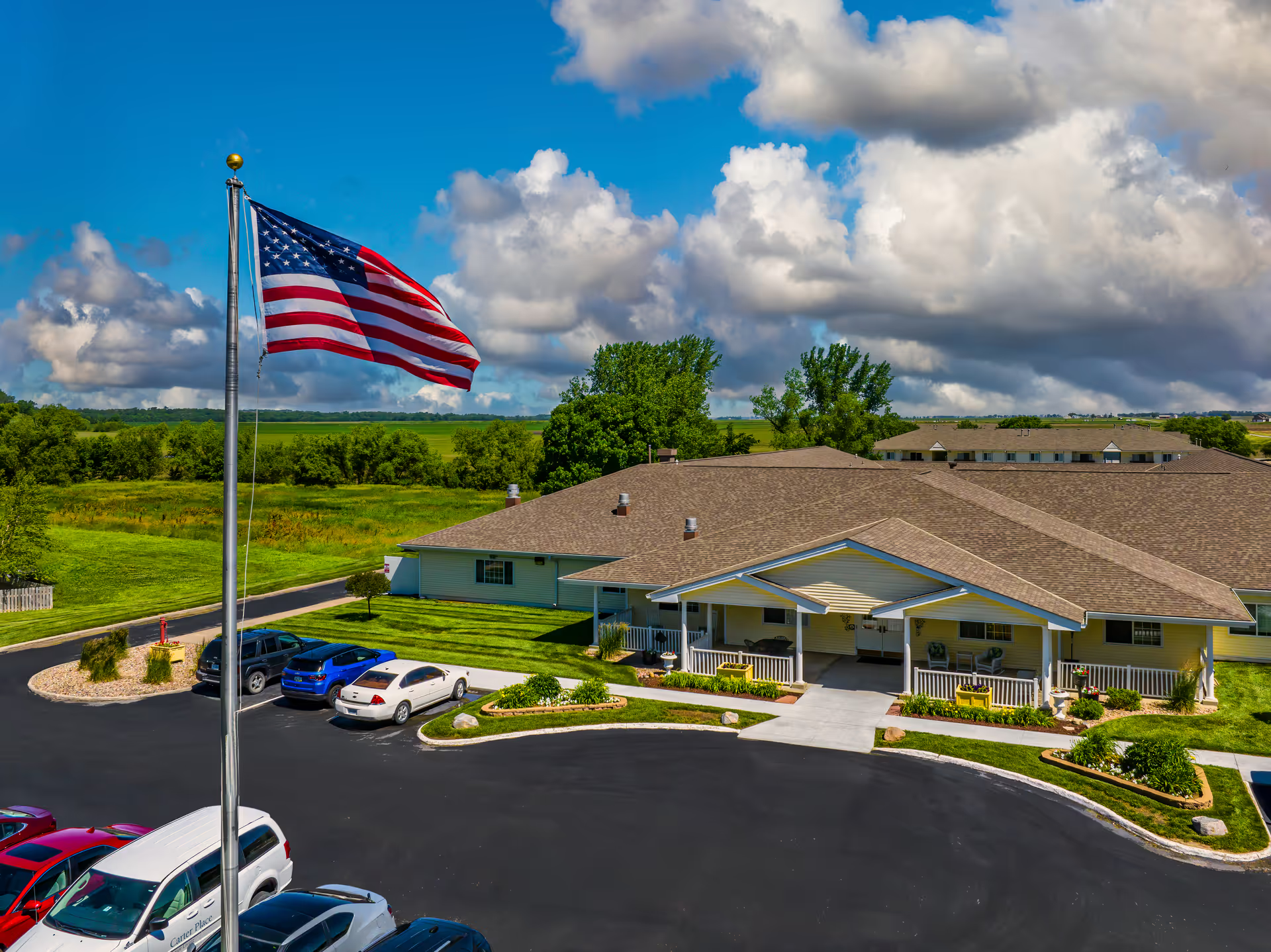
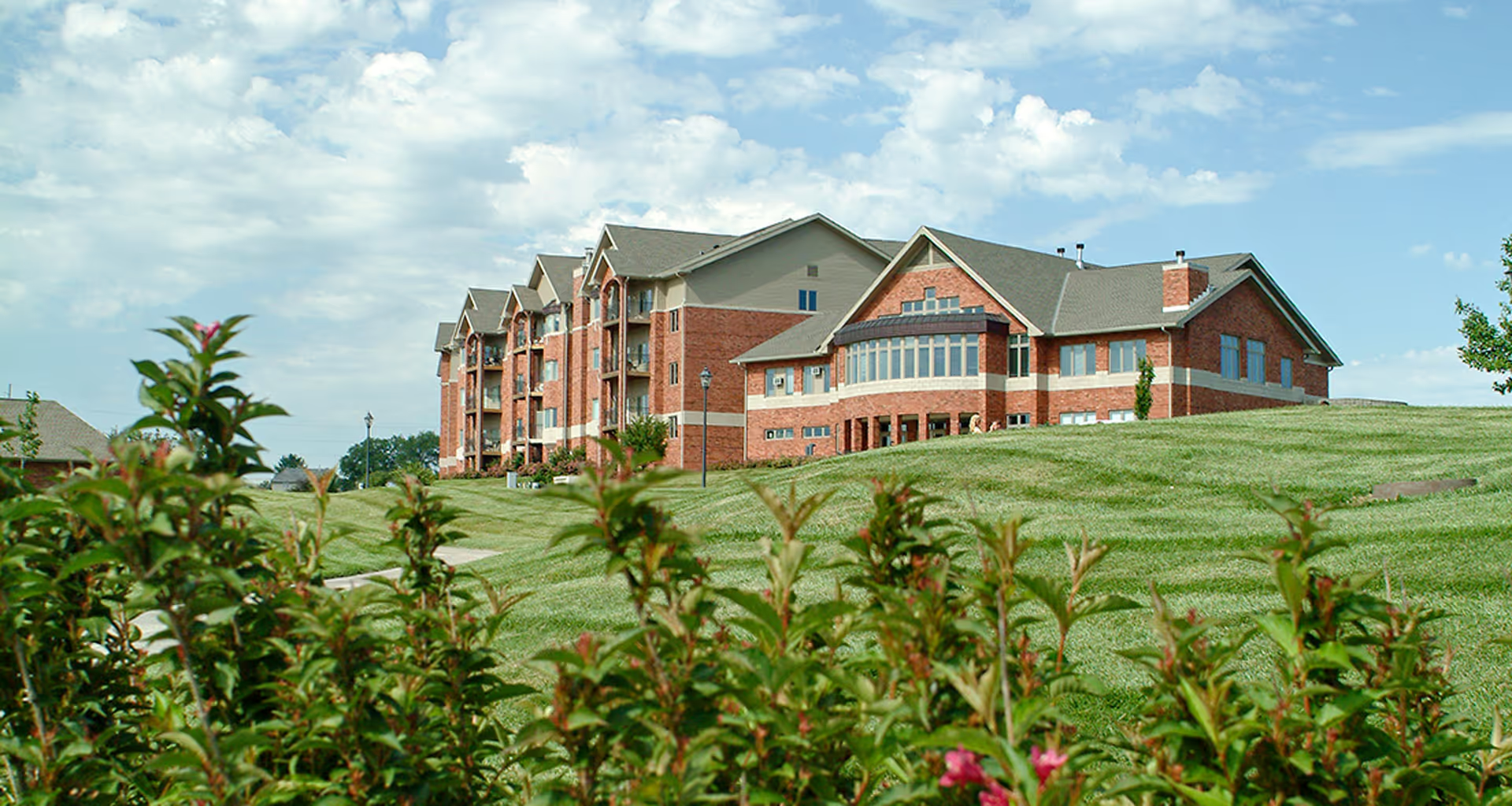
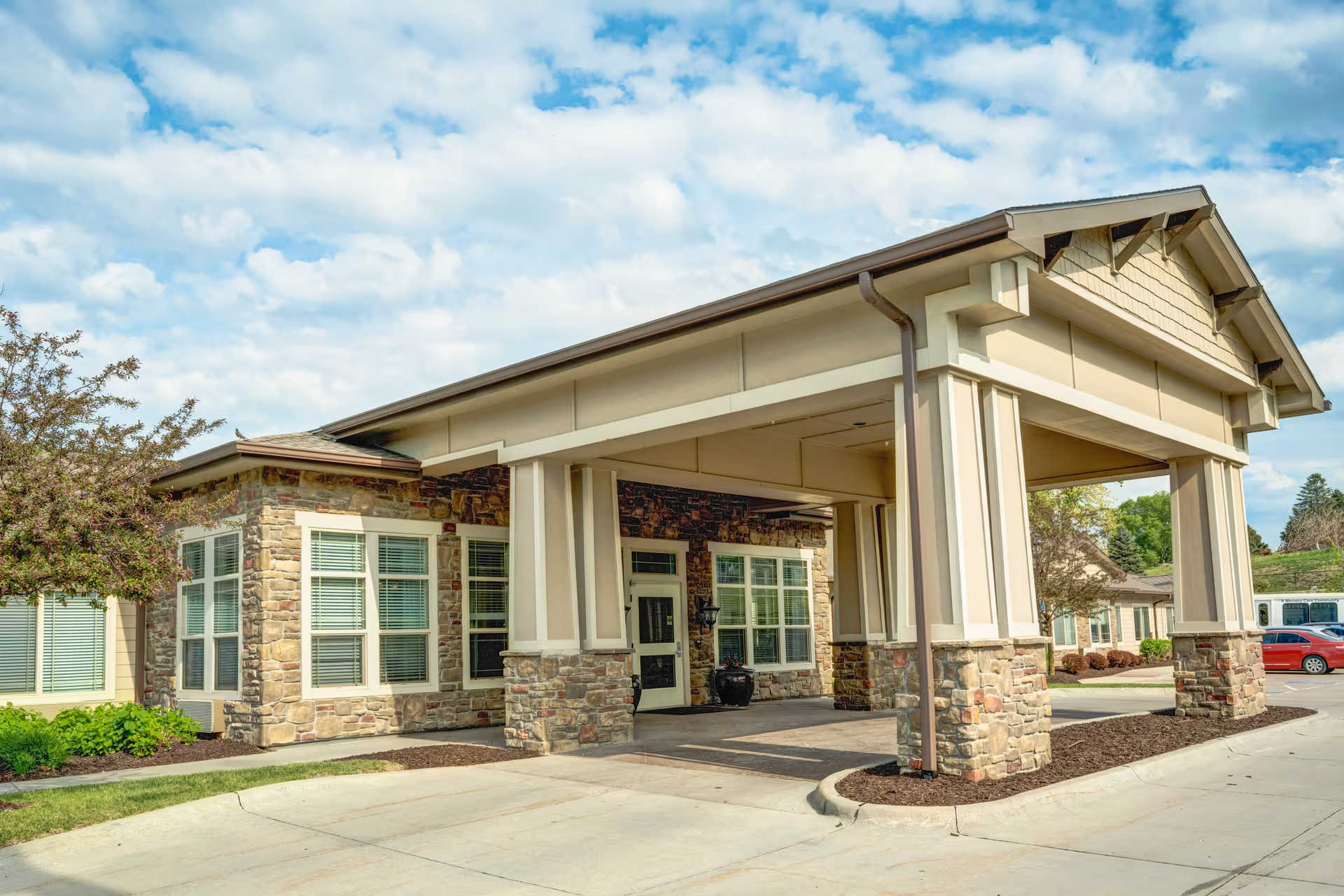
Facility condition and daily care are generally reported positively: reviewers note a clean, orderly facility and attentive aides who assist with daily needs. However, there are isolated complaints about management responsiveness and handling of personal items or assistive devices (for example, denture-related issues), which point to process and accountability shortcomings at the administrative level.
Information about dining and activities is limited in the provided summaries; reviewers focused primarily on clinical care, staffing, and operational responsiveness. Prospective residents and families would benefit from asking the facility about specific protocols for medication administration, clinical monitoring during rehab transitions, staff-to-resident communication procedures, and policies for managing personal/assistive equipment. Those areas appear to be the most salient drivers of the contrasting experiences described.