Pathfinder Senior Living presents a broadly positive, small-community option with many families citing compassionate, resident-centered care and a culture that emphasizes familiarity between staff and residents. Strengths repeatedly noted include engaged leadership, cross-department communication, and coordinated clinical services such as on-site rehabilitation, dementia-specific programs, and hospice support. The community atmosphere is often described as home-like and welcoming, with private rooms offering en-suite bathrooms and kitchenettes in some units, accessible outdoor courtyard space, and family-oriented events that support social connection.
Clinical care and day-to-day responsiveness show a mixed but generally favorable picture. Reviewers frequently praised nursing staff, care coordination, and prompt attention to medical needs; several accounts highlight staff who go above and beyond and administrators who are personable and proactive. However, there are recurring operational concerns: staffing levels can be inconsistent, which reviewers linked to rushed morning interactions and delays in responding to call systems. Additionally, a number of reviews referenced after-hours coverage gaps and instances where emergency response relied on external services, indicating opportunities to strengthen overnight clinical responsiveness and on-call procedures.
Dining and activities receive both praise and critique. Some families describe high-quality meals, dietitian involvement, and accommodating handling of dietary restrictions; others note uneven food preparation, limited menu variety, and occasional dryness or seasoning issues. The activity program is active in daytime and includes outings and special events, yet reviewers indicated limited evening programming and variable depth of engagement for residents wanting more structured or meaningful activities.
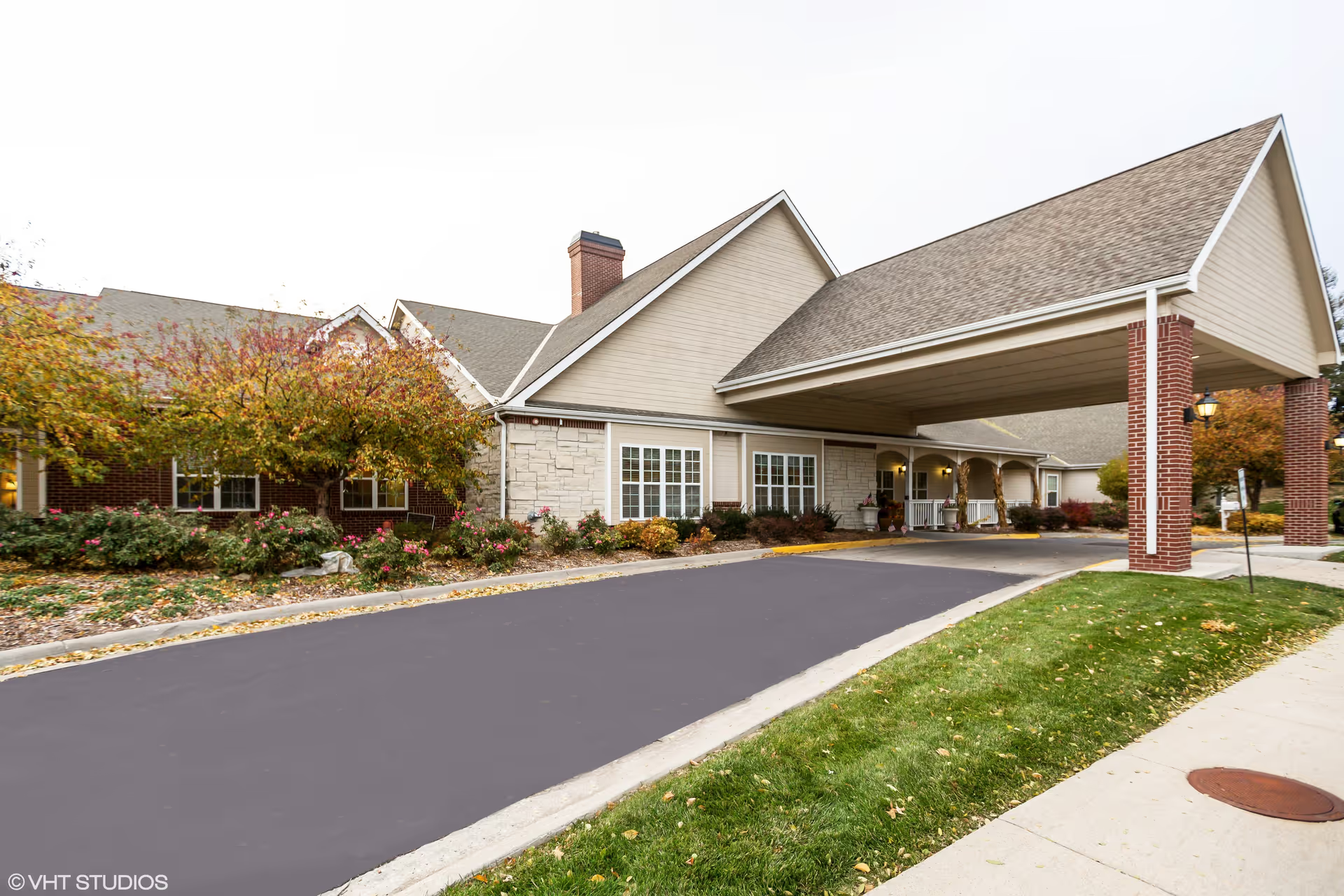
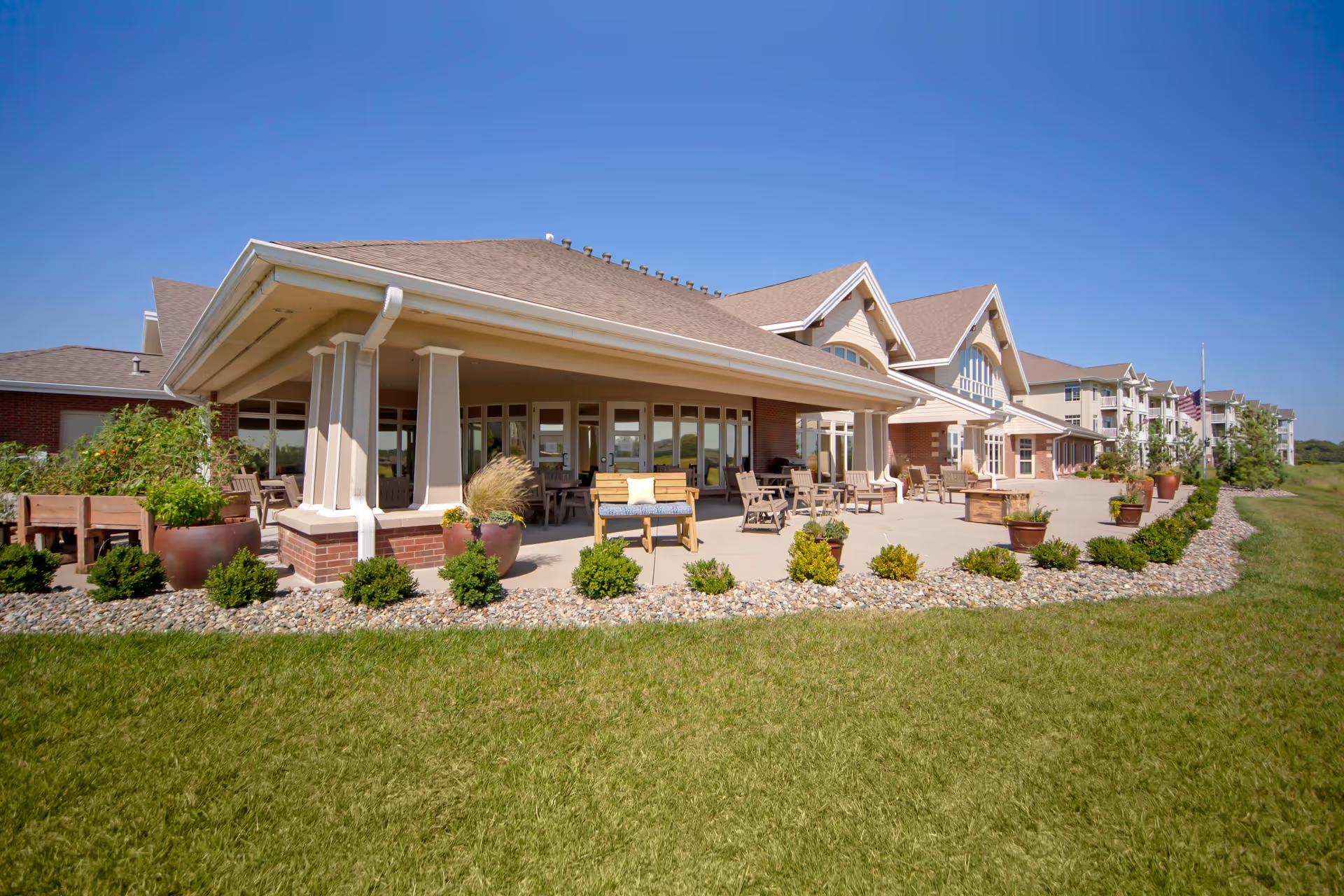
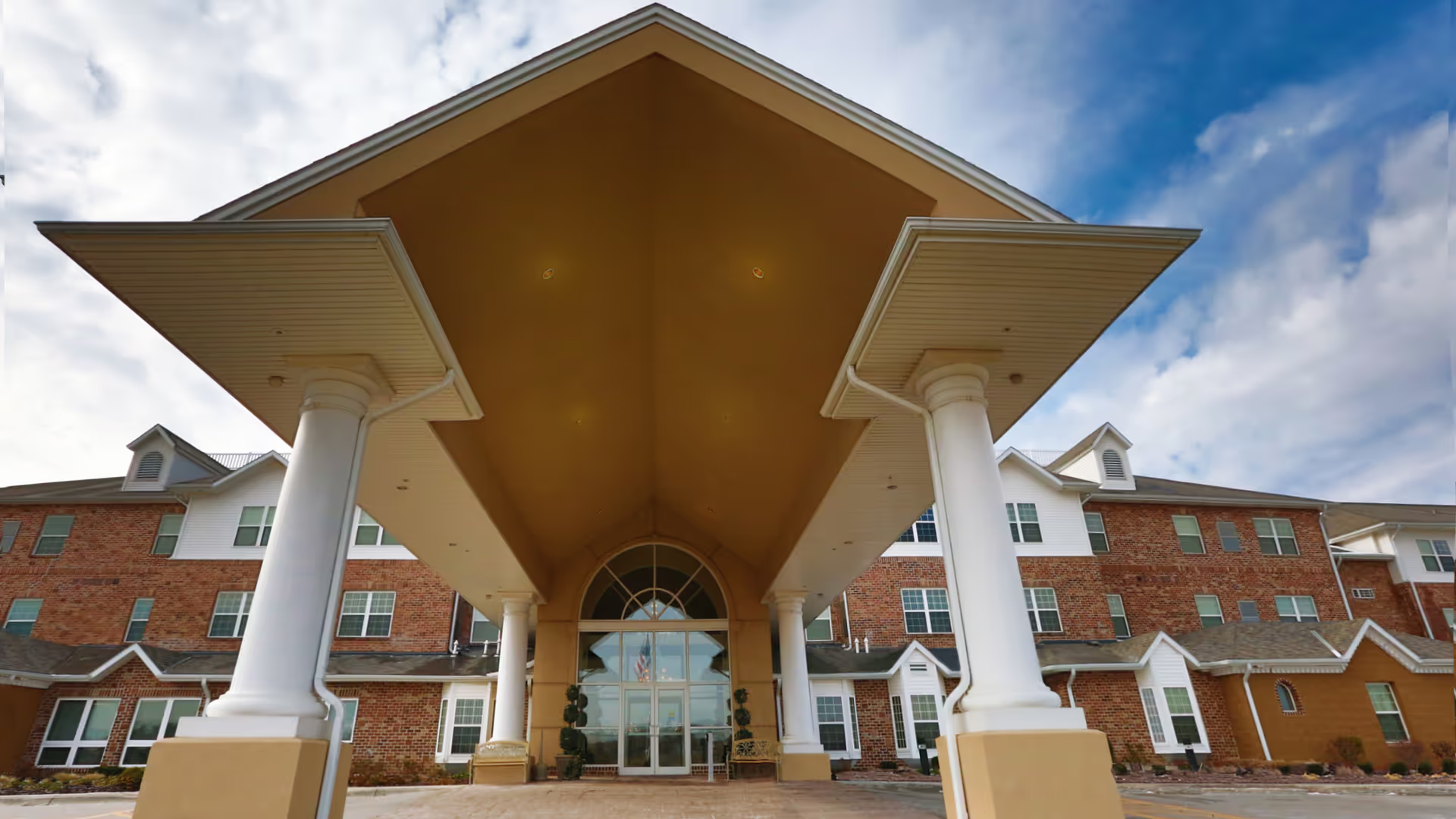
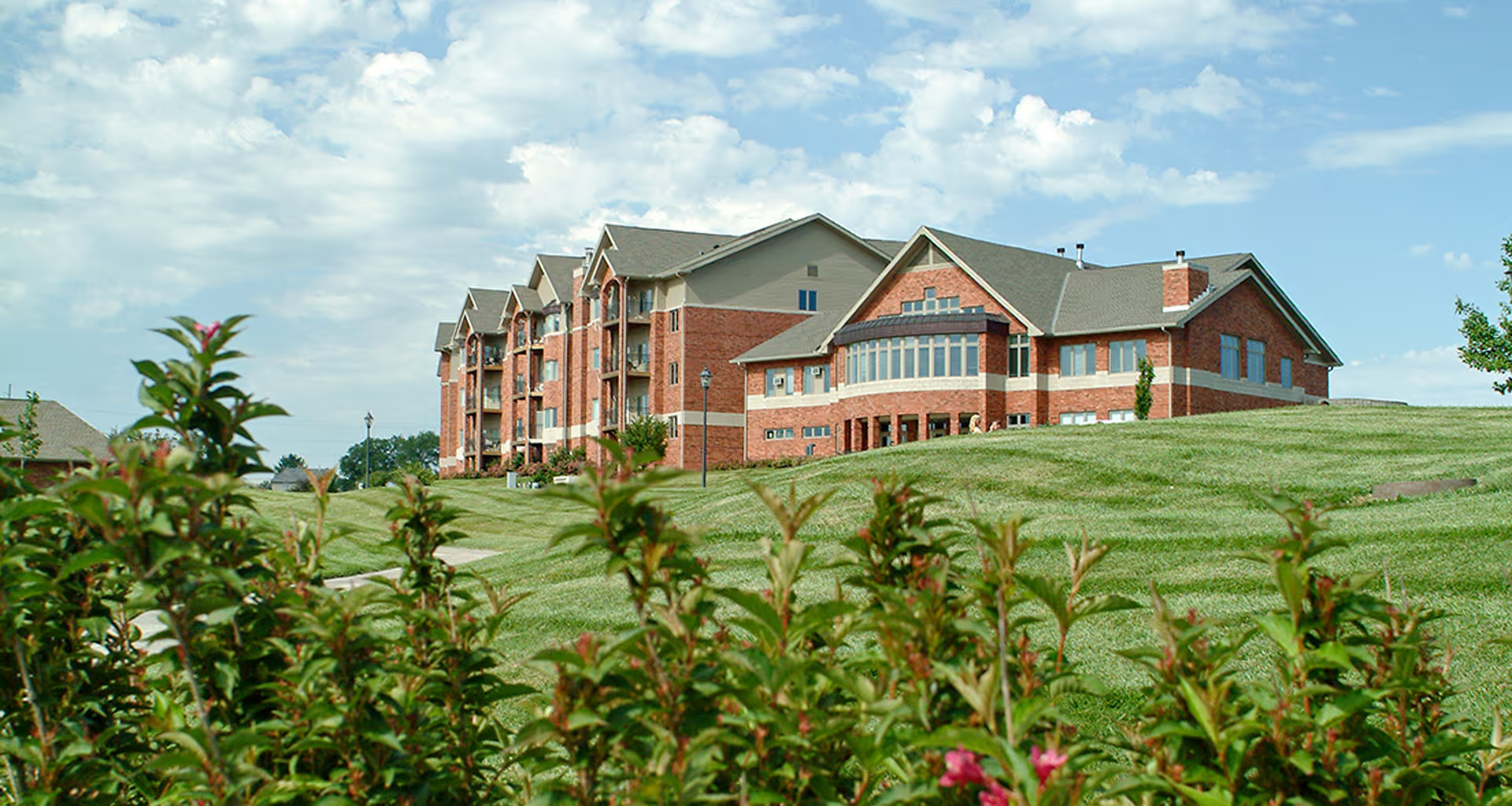
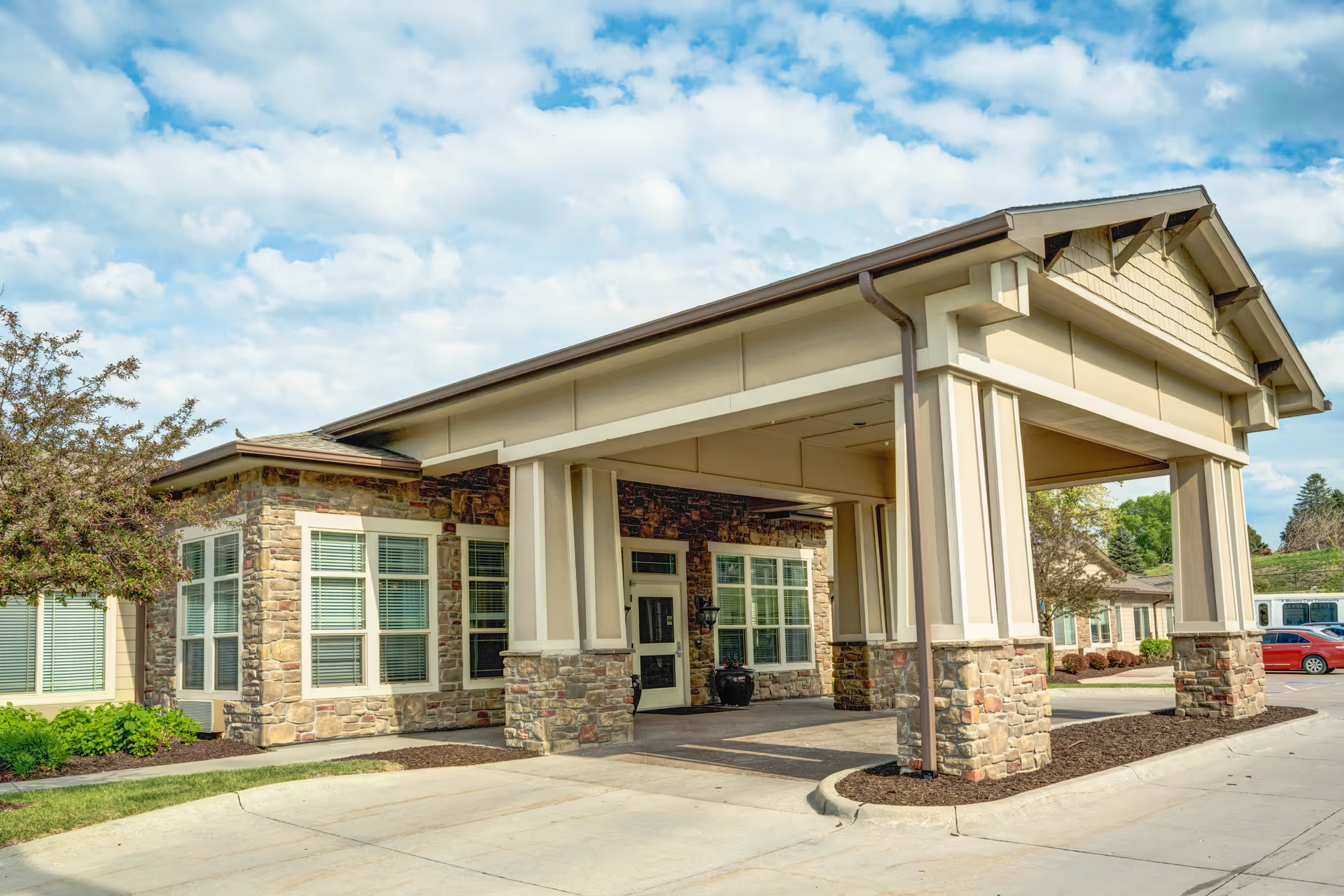
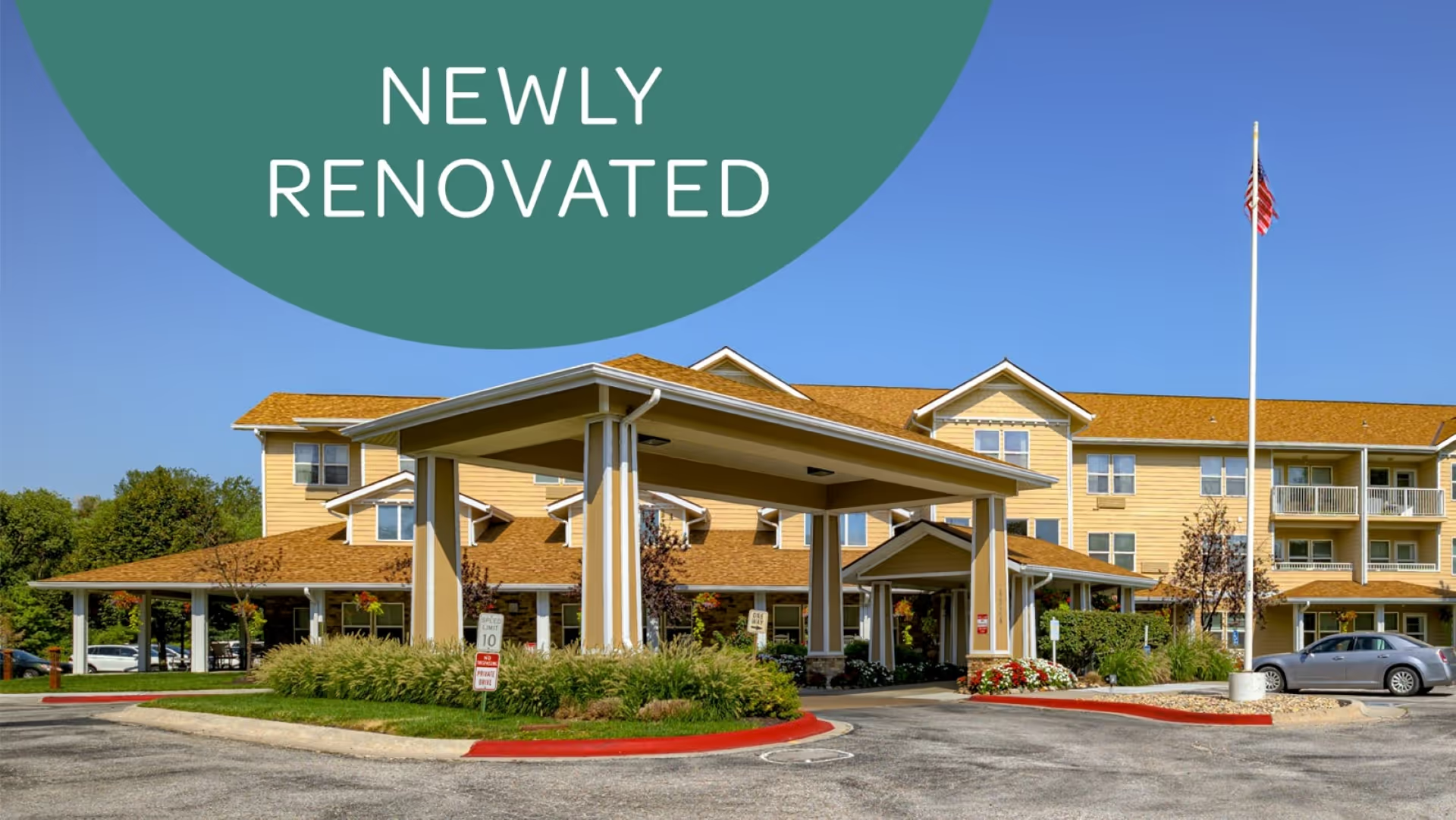
Facilities and operations are similarly mixed. Many reviewers appreciated clean, well-laid-out common areas, accessible yards, and a first-class feel in parts of the building. At the same time, others described smaller apartment footprints or older units that could benefit from refreshes, along with inconsistency in maintenance follow-through and housekeeping schedules. Communication around billing, reimbursement, and some operational logistics was also described as unclear in several accounts, suggesting room for improved transparency and process documentation.
Management and staff culture show clear positives alongside variability. Several administrators and front-line staff received name-specific praise for responsiveness and advocacy, and staff loyalty and post-employment visits were cited as indicators of a caring culture. Conversely, there are instances of inconsistent leadership communication and concerns about professional conduct in particular interactions, which point to unevenness in training, supervision, or enforcement of service standards.
Overall, Pathfinder appears well suited to families seeking a smaller, relationship-focused community with clinical-program strengths in dementia care, hospice, and rehabilitation. Prospective residents and families should weigh the facility’s personalized care model and strong family engagement against operational variability in staffing, maintenance, dining, and after-hours clinical coverage. For those considering placement, targeted questions about overnight staffing, emergency response protocols, housekeeping schedules, menu planning, and unit refresh timelines will help clarify whether the community’s current operational profile meets their needs.