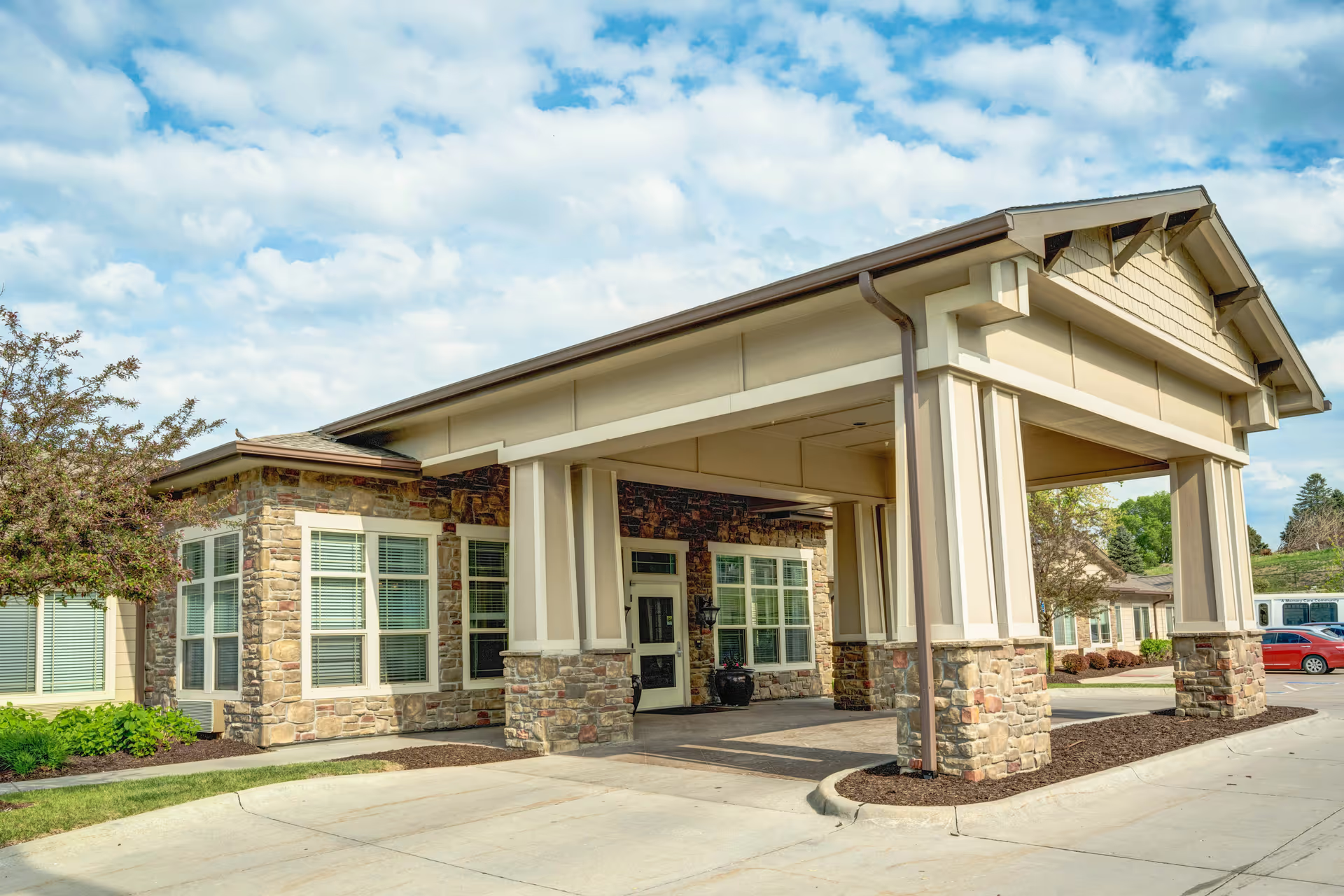
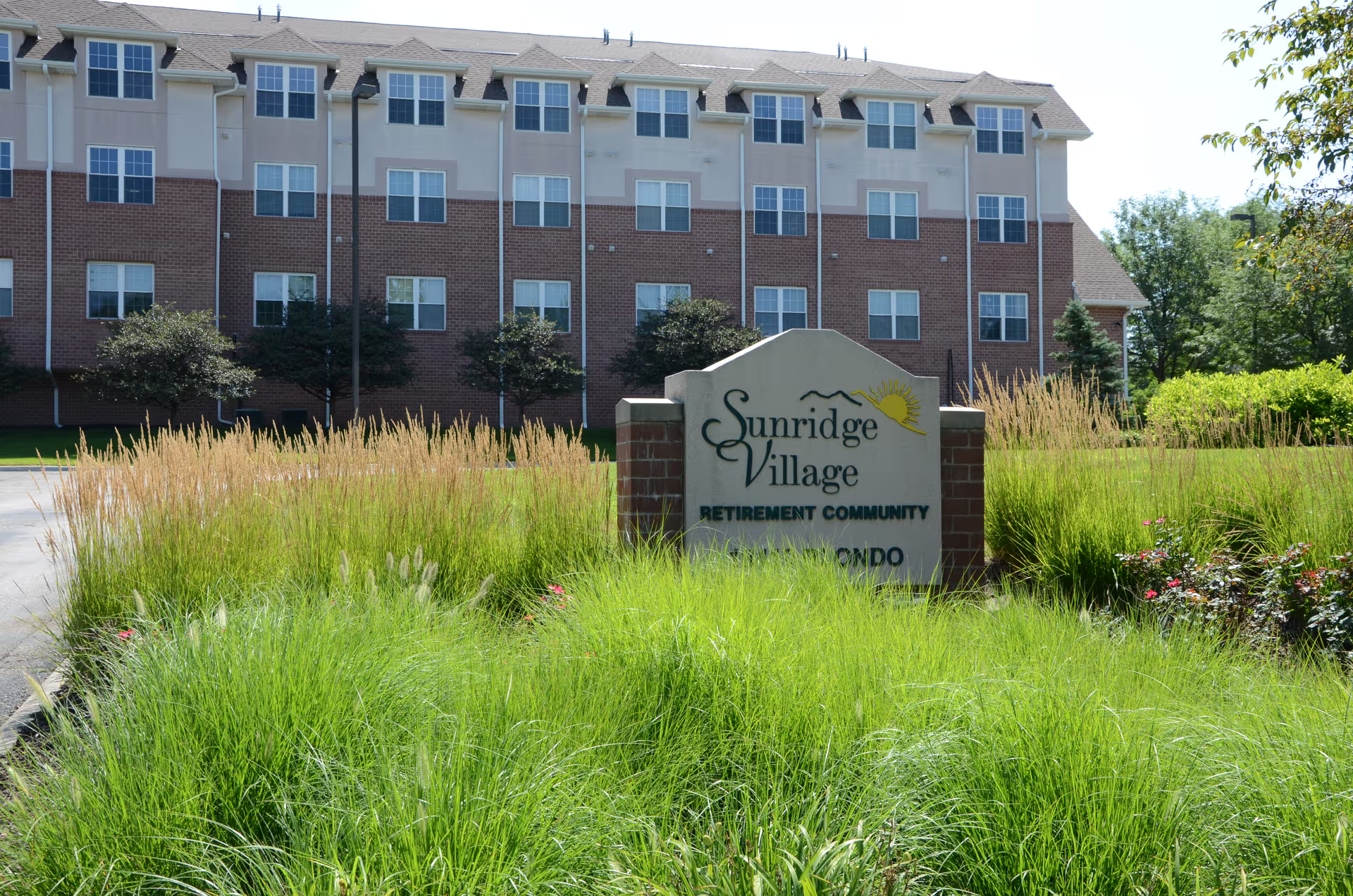
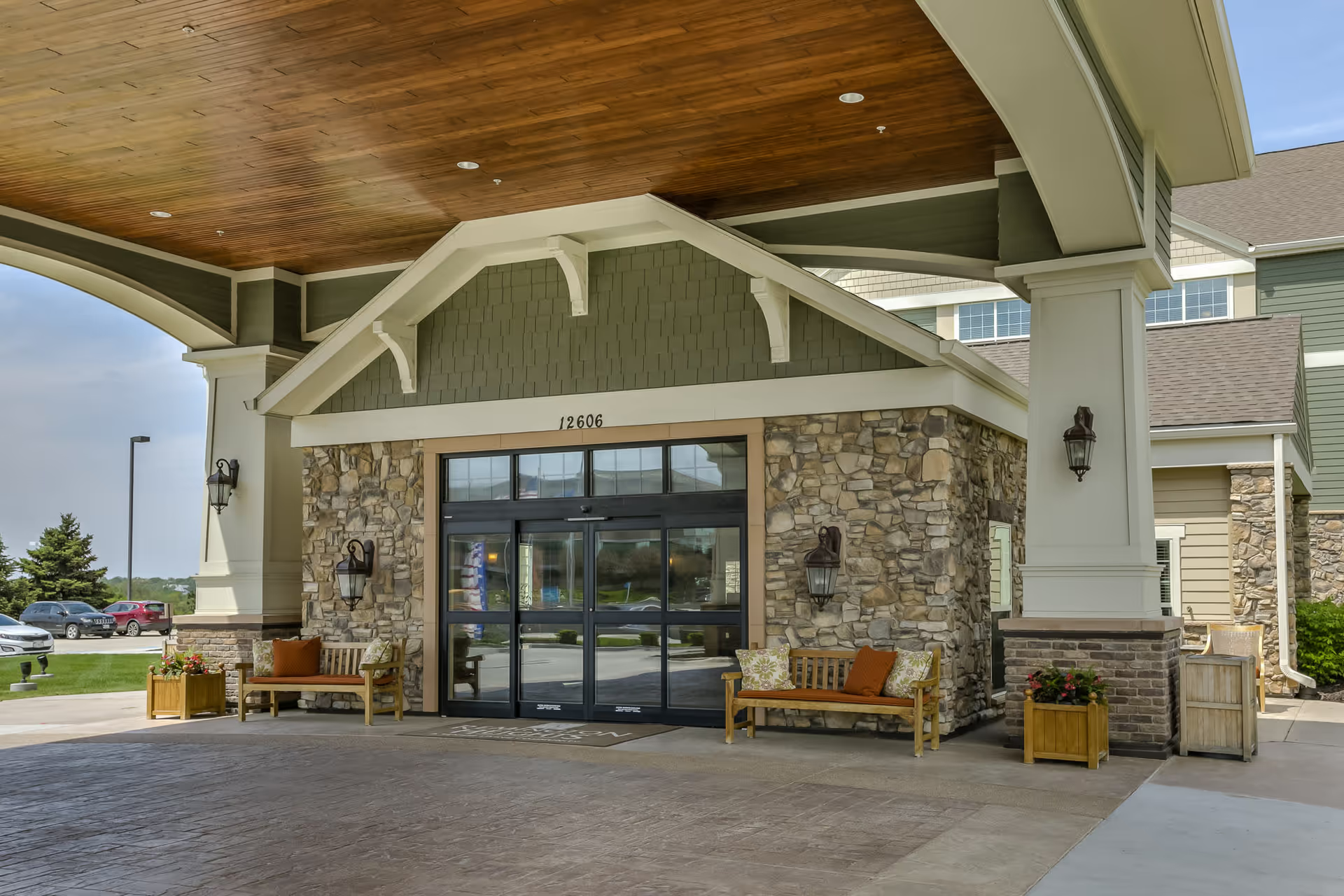
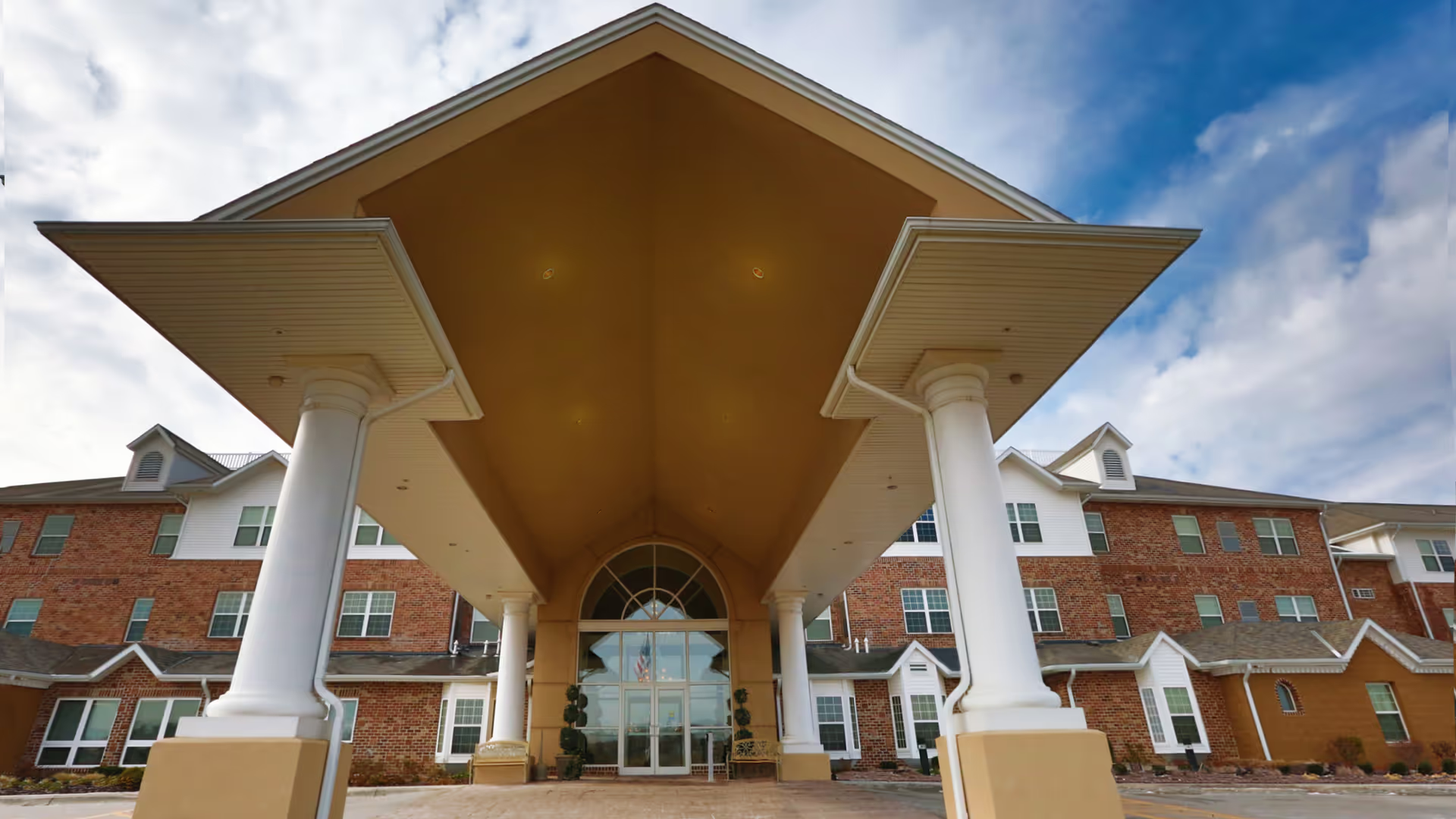
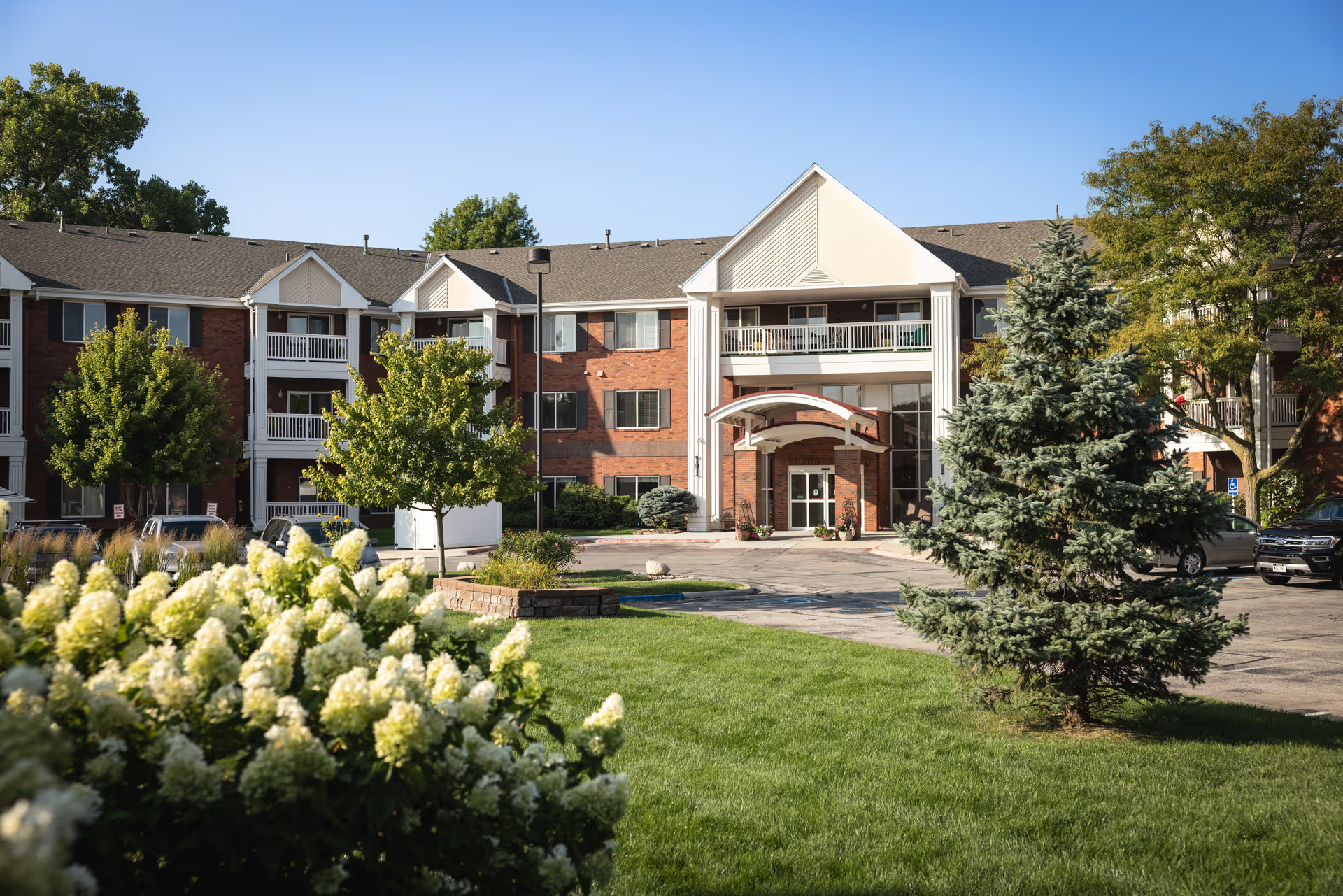
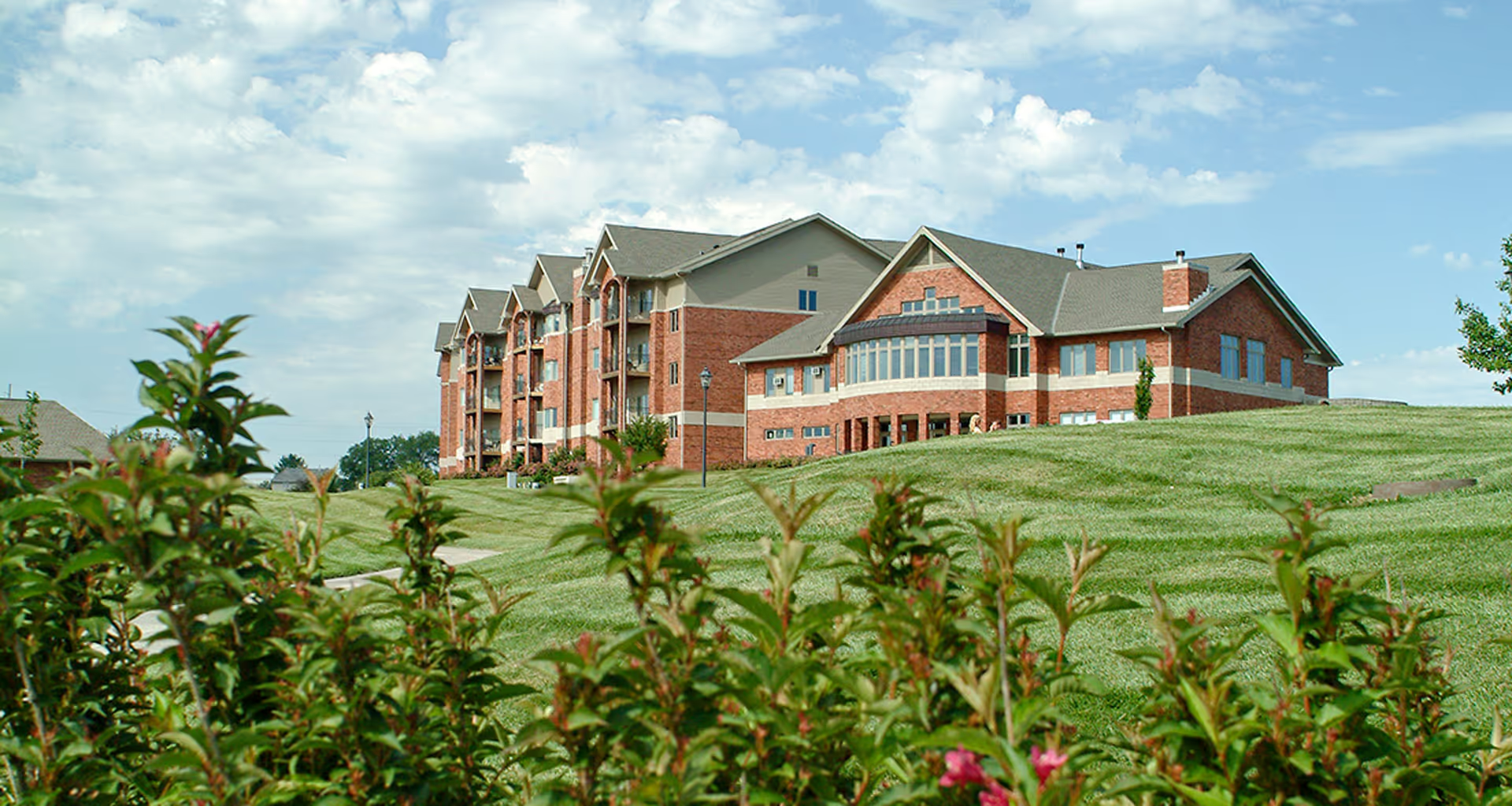
Holiday Rolling Hills Ranch presents as a well-appointed independent-living community with extensive common-area amenities and an active social program. Strengths commonly cited include a broad activities calendar (cards, movies, exercise, chapel services, happy hours), multiple indoor amenities (theater, fitness room, library, game rooms), and reliable scheduled transportation for shopping and medical appointments. The community is pet-friendly and offers a range of apartment types (studios through two-bedrooms) with patios or balconies, on-floor laundry, weekly housekeeping, linen service, and move-in support that many families found helpful.
Care and staff impressions are generally positive. Numerous accounts describe staff as warm, attentive, and familiar with residents by name; reviewers highlighted helpful desk/office staff, proactive admissions support, and a family-like culture. Where medical or therapy needs arise, the facility facilitates outpatient PT/OT and coordinates external clinical services, but it is important to note that reviewers repeatedly emphasize the community is focused on independent living rather than skilled nursing. Several families that experienced progressing care needs indicated the community was not structured to provide higher-acuity or 24/7 clinical care.
Dining is a central feature of the community and is consistently noted as a selling point for many residents: a staffed dining room serving three meals daily, chef-prepared options, and some degree of menu customization. At the same time, there is a recurring theme of inconsistent meal quality and service — some reviewers praised exceptional food while others described bland or limited choices, occasional poor service interactions, and a desire for additional snack or late-evening options. Prospective residents should ask about diabetic or special-diet accommodations and about how menu changes and quality concerns are addressed.
Facility condition and amenities receive mixed but generally favorable commentary. Many reviewers praised recent renovations, cleanliness of common areas, and plentiful social spaces. Conversely, there are periodic accounts of variable cleanliness and maintenance responsiveness at the unit level, odor or smoke in some hallways, and pest-control concerns in isolated areas. Elevator capacity and limited parking were noted as practical constraints in a few accounts, and most apartments provide kitchenettes rather than full kitchens — an important consideration for residents who expect full cooking facilities.
Operational and management patterns bear close attention. Positive notes include an engaged local ownership presence, individualized tour experiences, and staff who often go above and beyond. However, recurring operational concerns include staffing variability (and occasional shortages), gaps in communication or follow-through with families or external vendors, issues around fee transparency (initiation fees, price increases, refund disputes), and at least one account indicating an unlocked door and missing valuables — which raises questions about security protocols. Several reviewers also perceived cost-control pressures that may influence staffing and dining choices; others described abrupt personnel changes that affected service continuity.
For prospective residents and families: Rolling Hills Ranch offers many desirable independent-living features — active programming, strong communal amenities, housekeeping, and transportation — and is often praised for its warm staff and social environment. Important due diligence steps include confirming the community’s capacity to support changing medical needs, asking for specifics on meal service and special-diet accommodations, reviewing security and asset-protection procedures, clarifying all fees and the policy on rate increases or refunds, and assessing elevator/parking availability and apartment maintenance responsiveness. Visiting at mealtime, speaking with current residents, and requesting written policies for medical escalation and transportation reliability will help align expectations with the community’s operational realities.