Overall impression: The facility is frequently described as a well-maintained, family-like skilled nursing and rehabilitation campus with many strengths in caregiving, therapy, and activities. Many families and residents highlight compassionate, individualized attention from long-term staff and leadership that is engaged and organized. The physical plant and public areas are commonly praised as clean and attractive, and therapy programs (PT/OT) are noted to produce good short-term rehabilitation outcomes enabling return home for some residents.
Care quality and staff: A dominant theme is that direct-care staff are caring, respectful, and often go beyond expectations to support residents and families. Several accounts emphasize staff familiarity with residents by name, attentive bedside manner, and collaborative approaches during end-of-life care. At the same time, reviewers describe variability in staff performance: occasional new or less experienced workers, uneven use of safe-handling practices, and instances of delayed responses to call lights or assistance requests. These reports suggest a mostly strong caregiving culture with intermittent gaps tied to staffing consistency and onboarding.
Dining and nutrition: Dining receives mixed but generally positive commentary. Many residents and family members praise meal preparation, variety, and social dining opportunities. A subset of comments, however, point to inconsistent meal satisfaction and isolated incidents where offerings were perceived as inadequate. Prospective families may wish to preview menus and discuss individualized meal plans to confirm fit for dietary preferences and needs.
Activities and social engagement: Activity programming is a clear strength. Reviewers mention frequent social programs, music events, ice-cream socials, and an active director who engages residents. These opportunities are described as contributing to resident well-being and socialization, with regular communal breakfasts and events that promote participation and enjoyment.
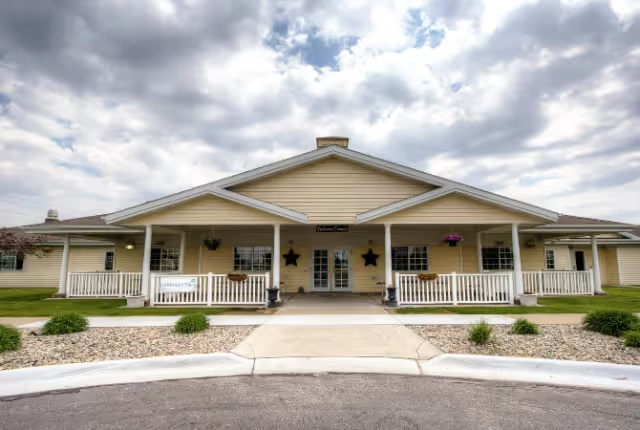
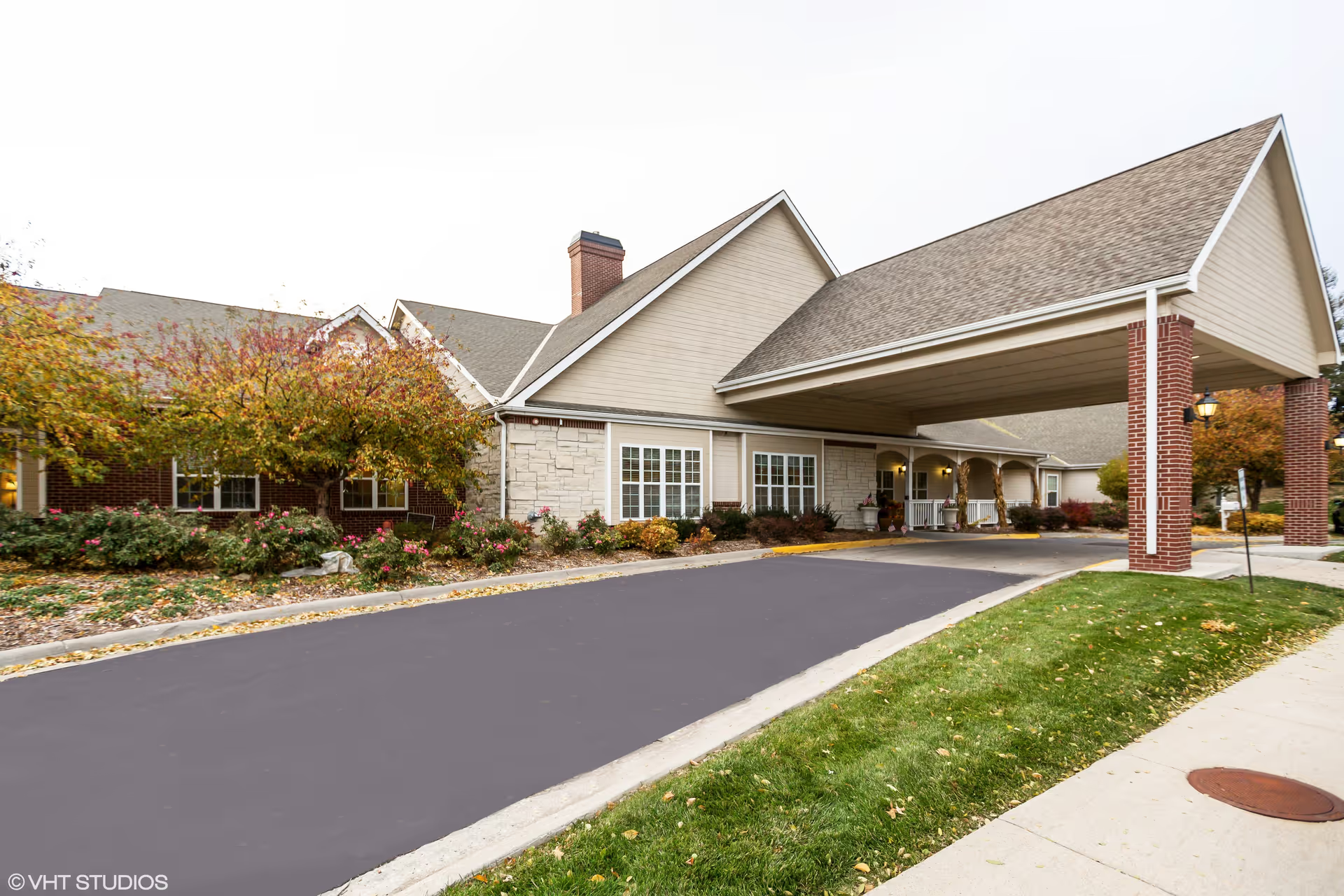
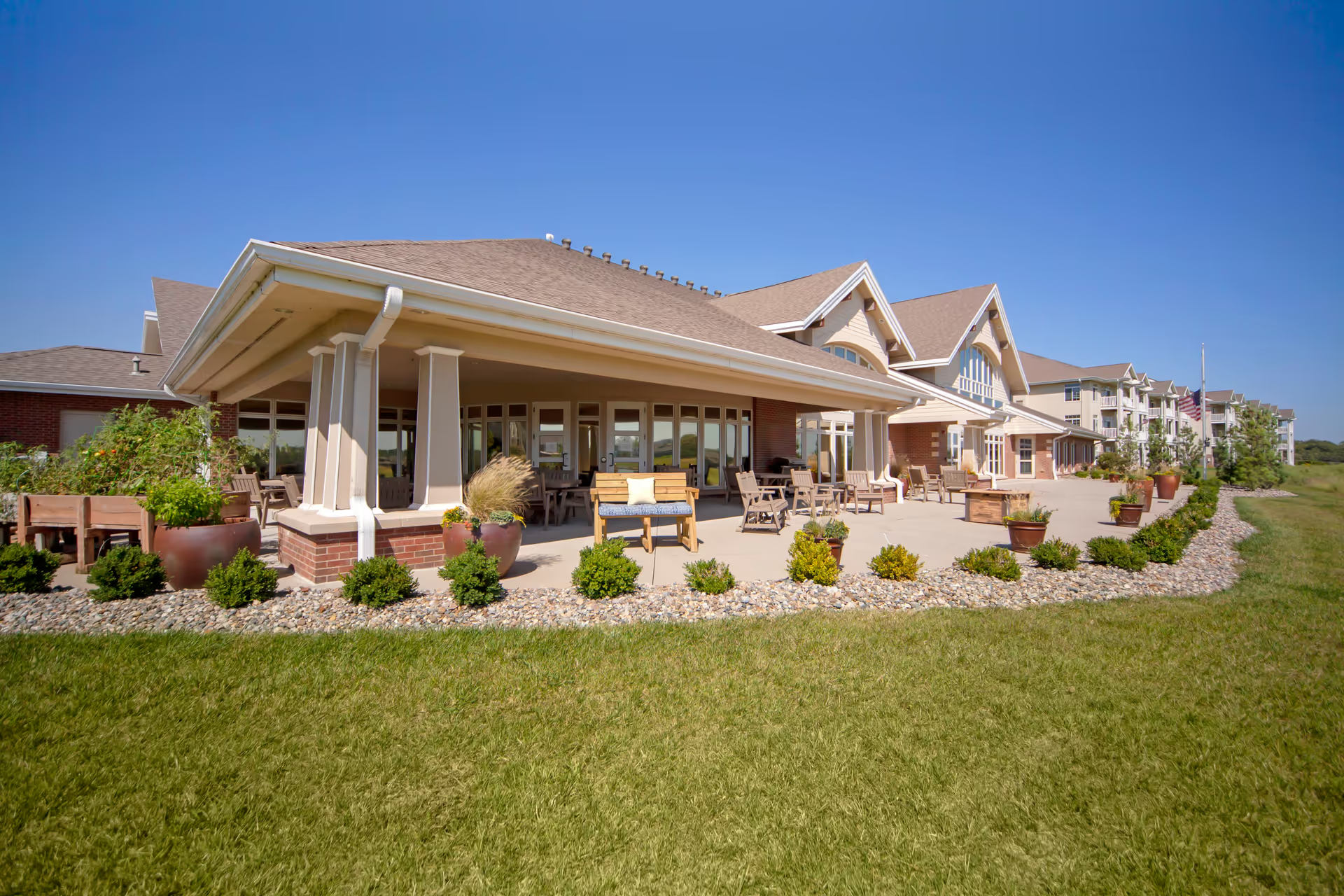
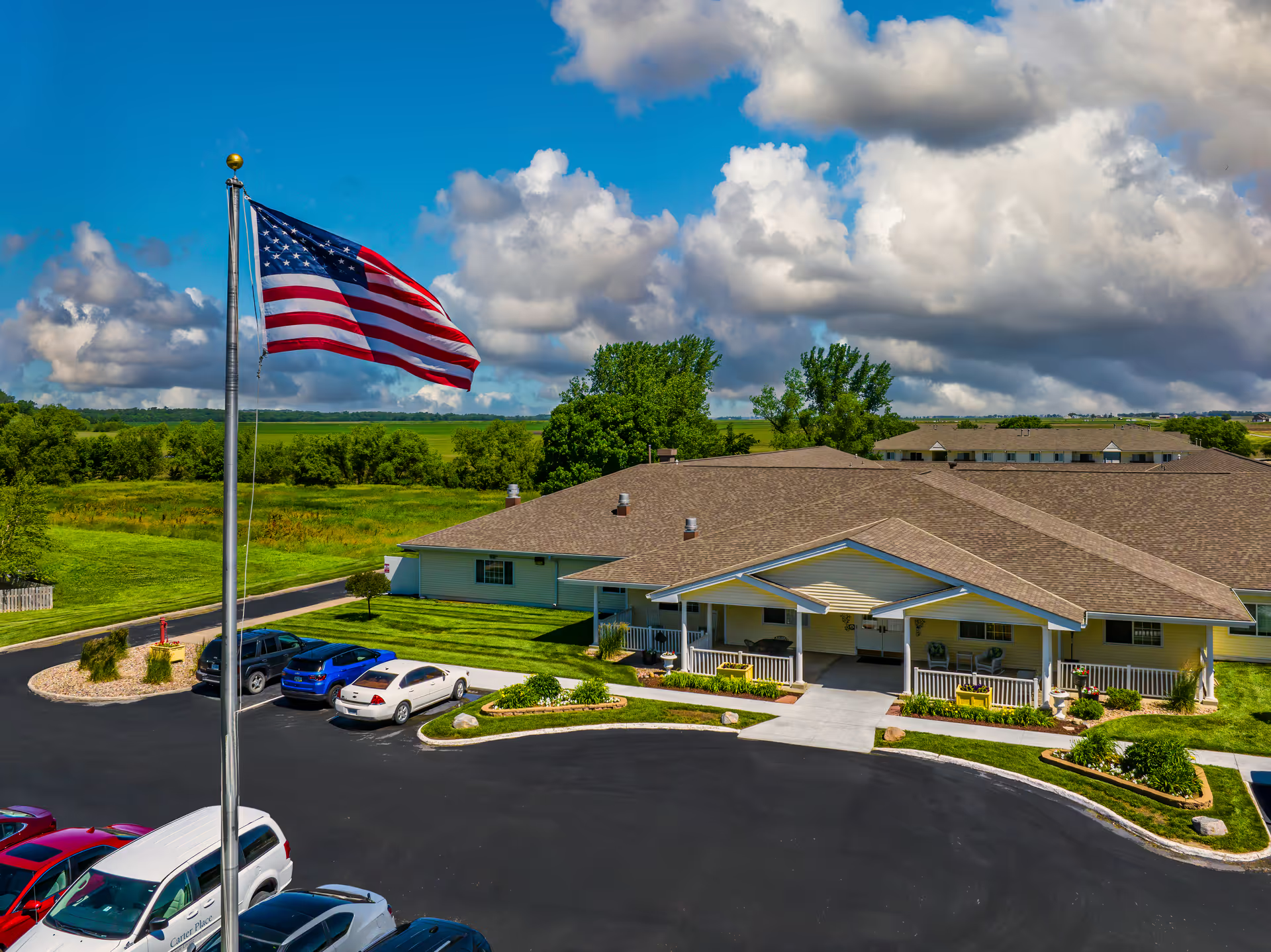
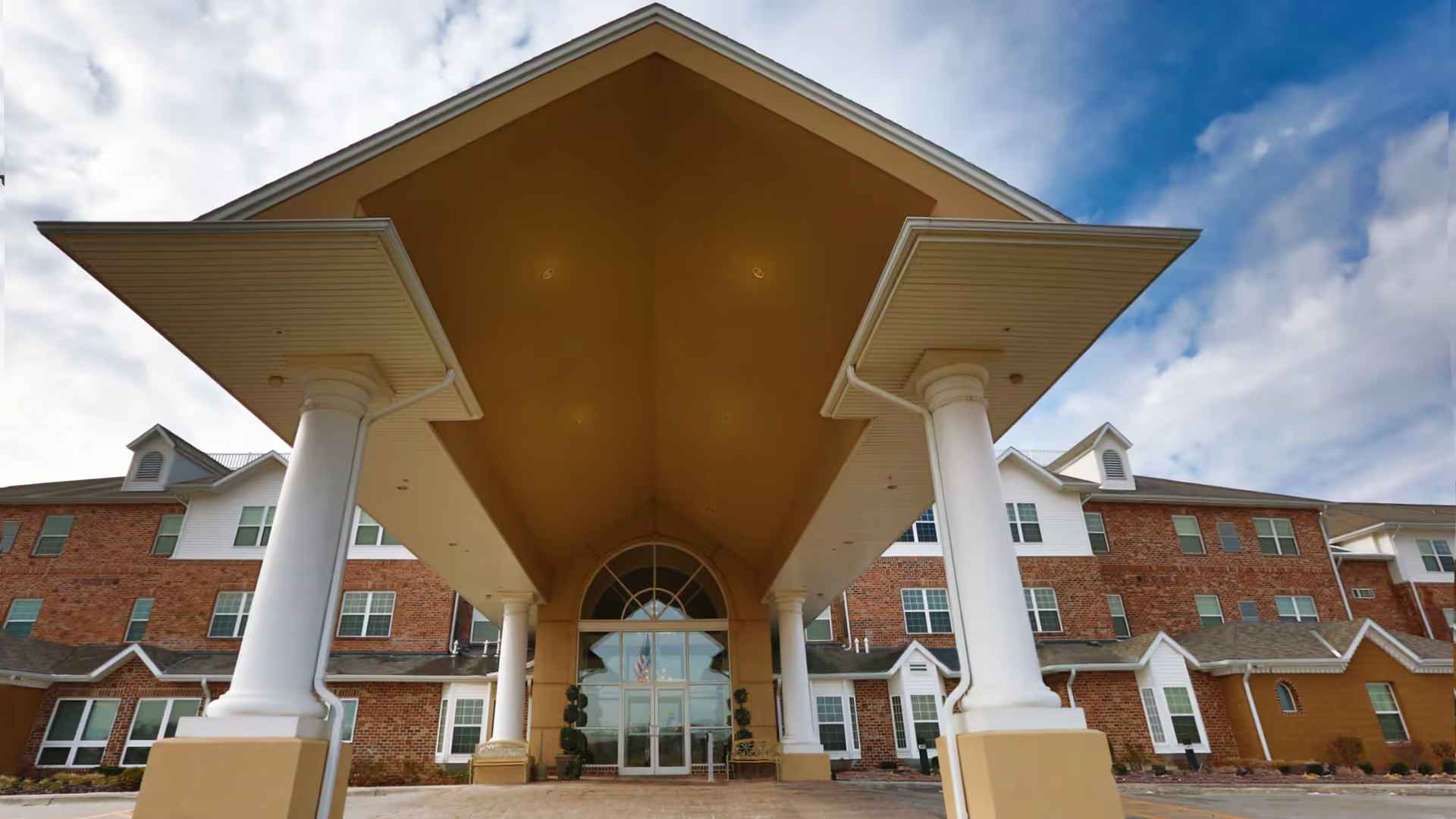
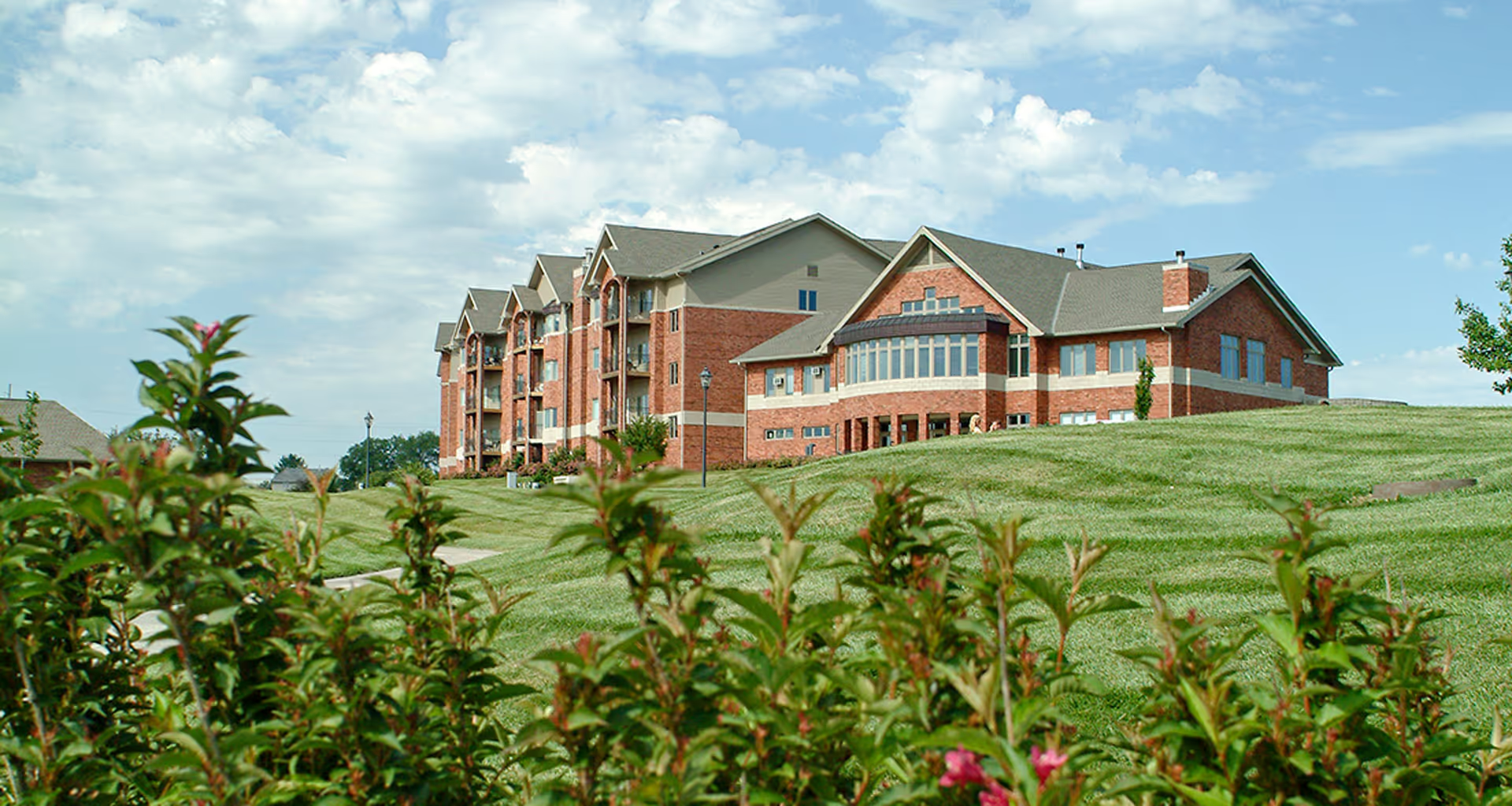
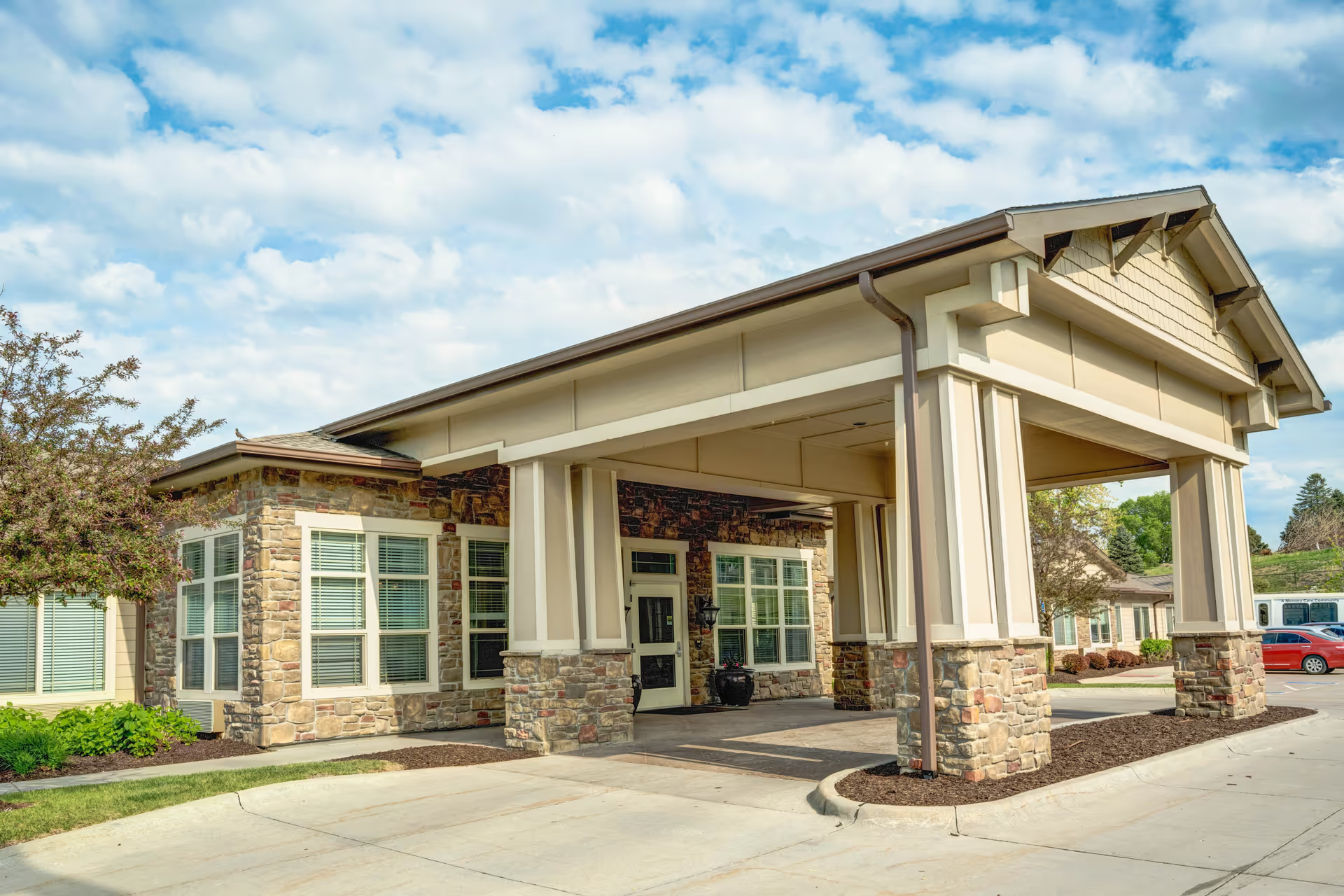
Facilities and environment: The physical environment is repeatedly described as attractive, clean, and comfortable, with well-maintained common areas. Room size varies (some small but adequate), and some units have shared bathrooms; a few comments described rooms as darker or less bright than others. Overall, facility upkeep and campus appearance are strong selling points.
Management and communication: Leadership, social work, and therapy leadership receive positive mention for organization, compassion, and clear operations. That said, there are intermittent accounts of uneven communication — for example, delayed responses from a caseworker or lapses in family notification during clinical events. These suggest generally good management with occasional breakdowns in consistent family-facing communication processes.
Notable patterns and safety considerations: A few reviewers raised operational concerns that merit attention by prospective families. These include inconsistent bathing and personal-care scheduling, lapses in infection-control practices during the COVID period, variable adherence to safe transfer and lift techniques, and care-coordination challenges when external specialist consultation was requested. Some described repeated hospitalizations after placement, suggesting possible gaps in outpatient follow-up or specialist access. While these issues do not characterize the overall experience for most residents, they point to areas where vigilance and direct questions at admission (about staffing ratios, infection protocols, therapy plans, and external specialist coordination) are advisable.
Bottom line: Nye Legacy presents as a largely well-run facility with strong rehabilitation services, a compassionate staff culture, robust activity programs, and a clean campus. Prospective residents and families should weigh these strengths against occasional operational inconsistencies reported around responsiveness, staff onboarding, infection-control practices, bathing schedules, and external care coordination. Asking targeted questions about staffing stability, infection-prevention measures, lift/transfer training, and the facility’s process for arranging outside specialist consultations will help families assess whether the facility’s strengths align with their specific care priorities.