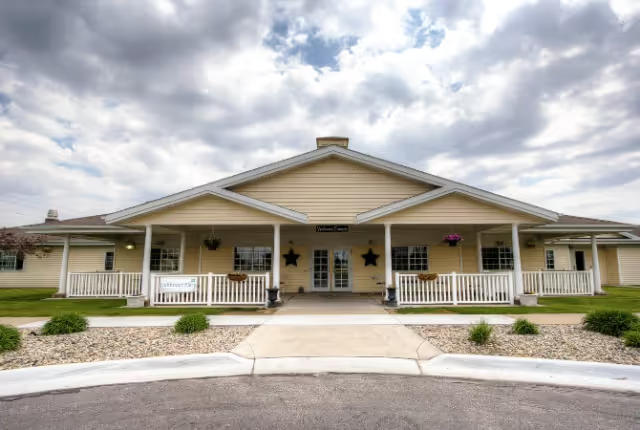
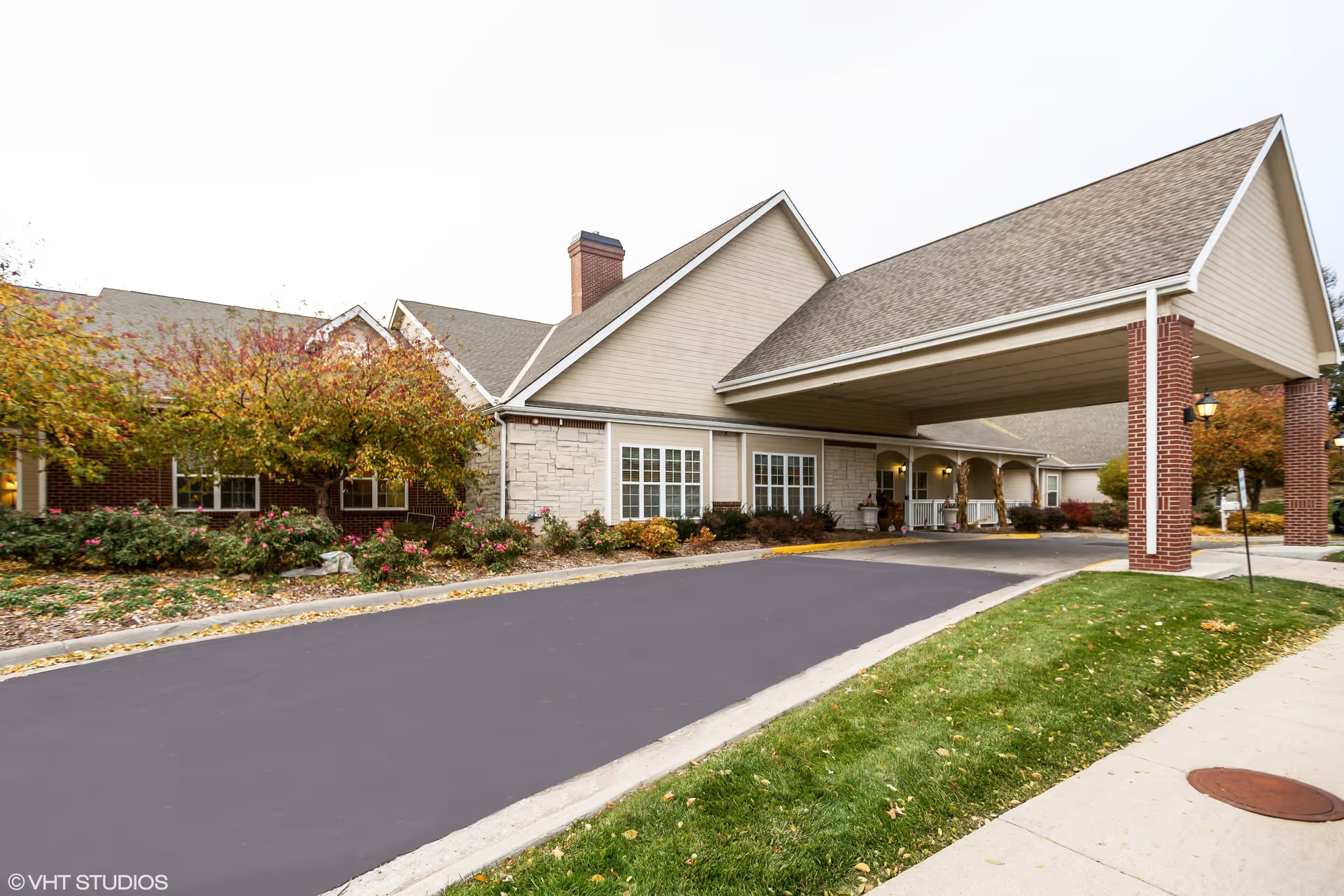
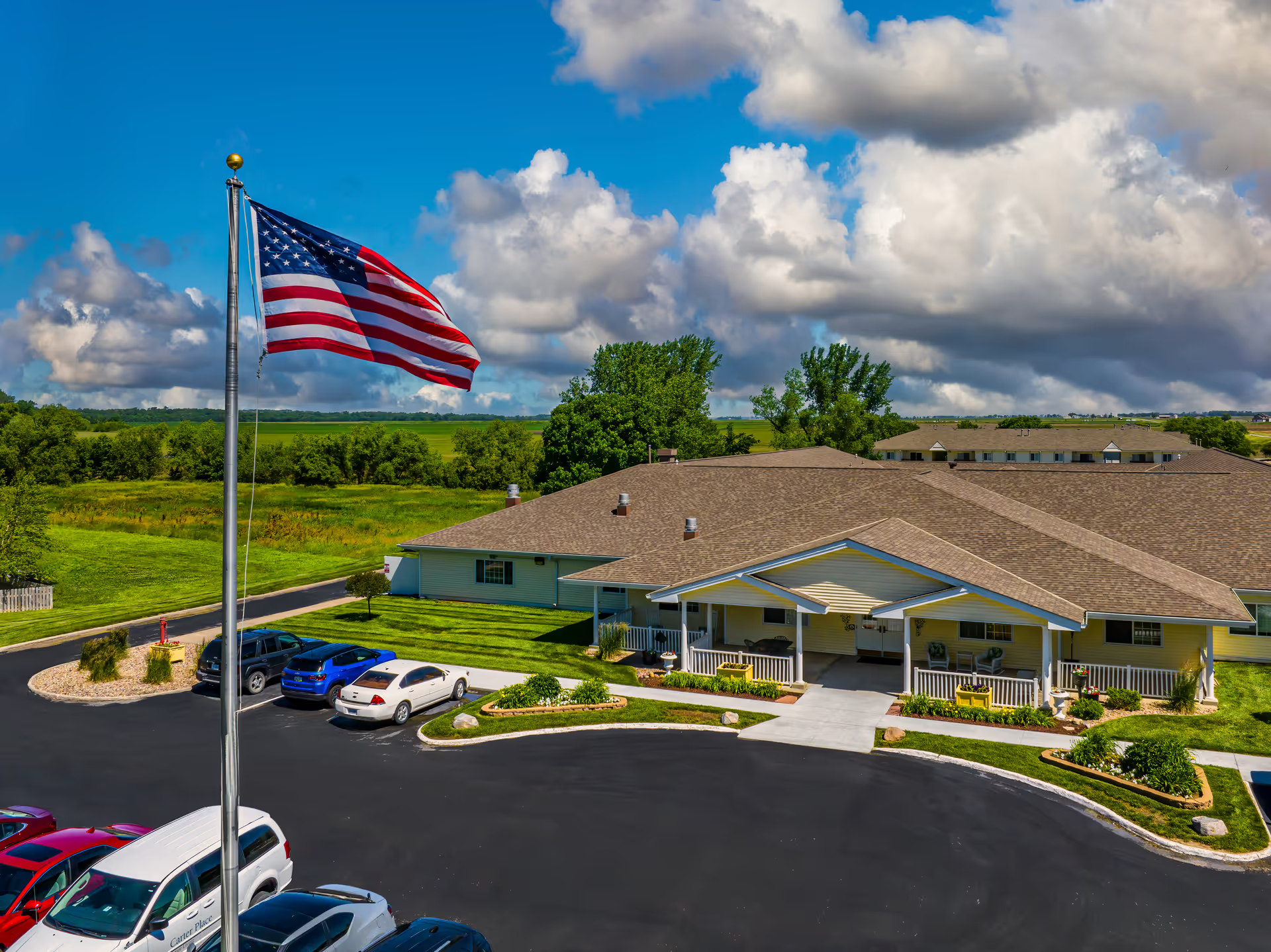
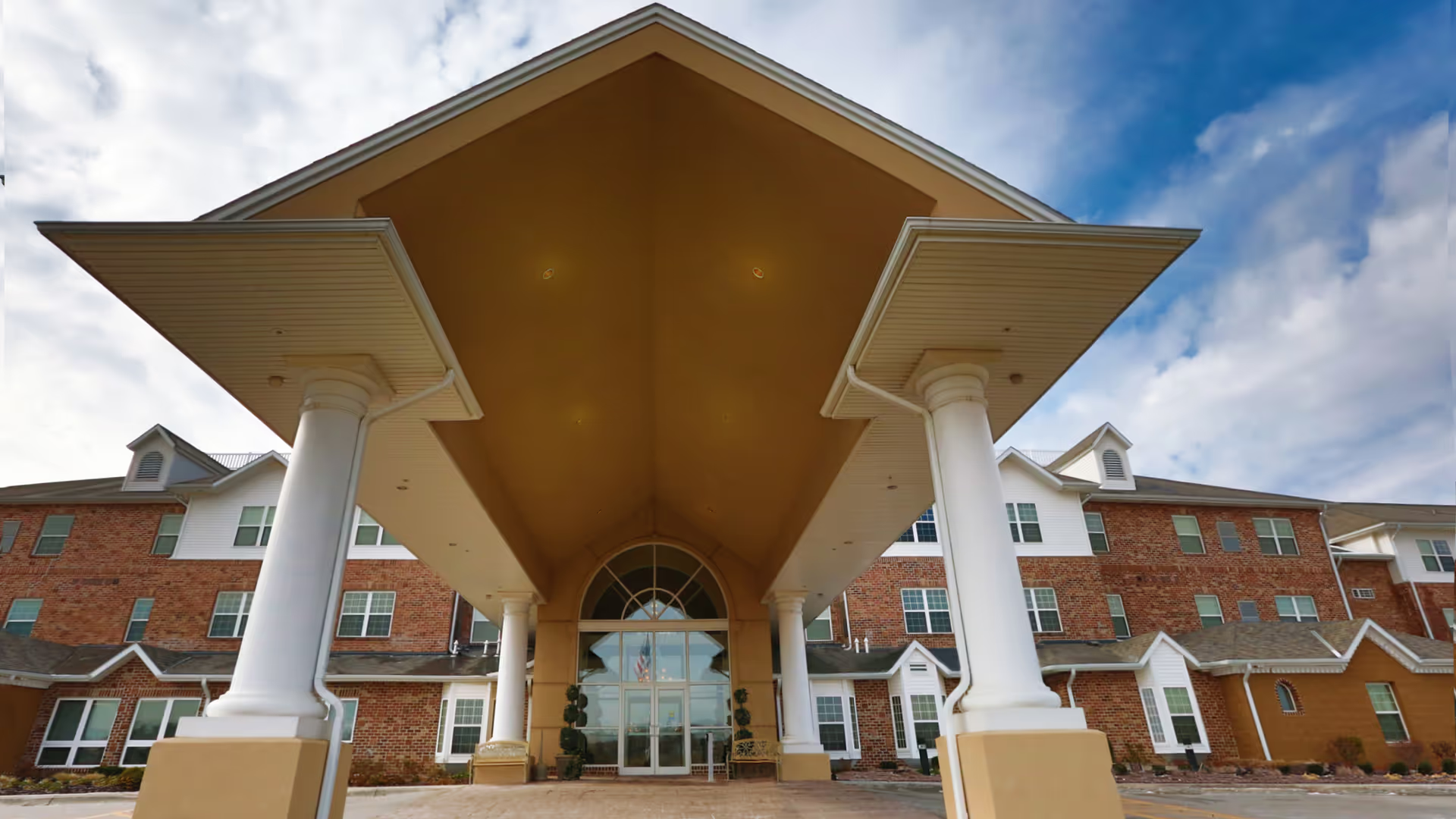
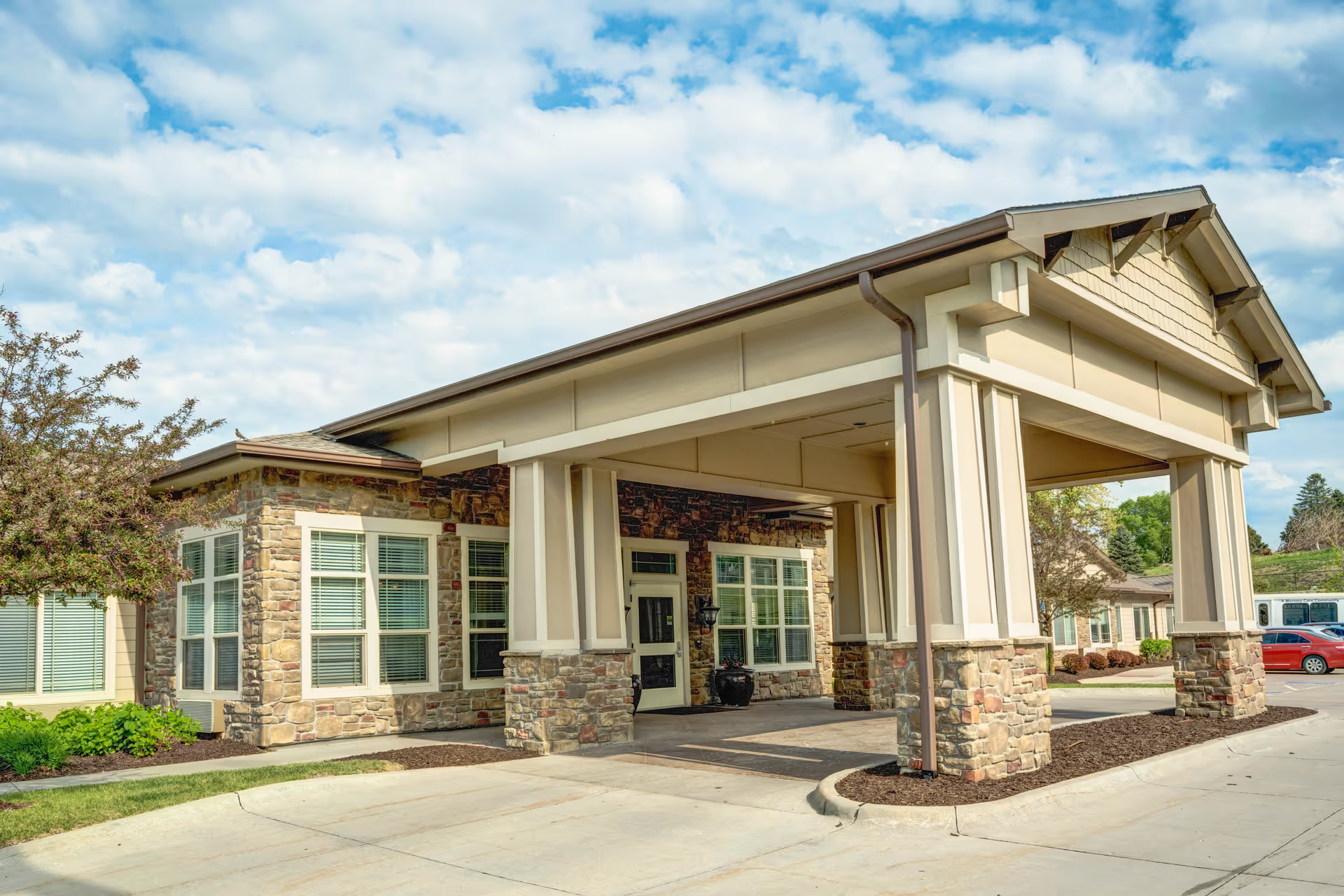
The reviews present a mixed picture of Providence Place of Fremont. Many families emphasize the strength of the frontline workforce — caregivers, nurses, culinary staff, and ancillary personnel are frequently described as compassionate, skilled, and attentive, particularly in memory-care settings. Reviewers highlight a homelike atmosphere, an active programming schedule, routine social events and celebrations, and strong communication with families during transitions such as COVID-related restrictions. Several accounts praise the facility’s maintenance, appearance, and specific staff members who provided reassurance and continuity of care.
At the same time, multiple operational concerns recur across reviews. Safety-related systems — including fall-prevention protocols, bed alarms, and paging/communication equipment — are described as unreliable or inconsistently functioning, and some families reported delays in staff response after incidents. Medication-administration and documentation practices are also identified as an area needing improvement. Together these suggest gaps in clinical-safety controls and monitoring that would warrant attention from leadership and quality teams.
Dining and nutrition receive mixed assessments: while the kitchen is praised by some reviewers for quality meals, others describe inconsistencies in meal delivery, failure to adhere to prescribed special diets, and inadequate weight monitoring for residents on therapeutic menus. These comments point to variability in dietary management and care-plan follow-through rather than uniformly poor food service.
Cleanliness and incontinence care are another area of concern. Several reviewers describe sanitation-related issues and delays in attending to continence needs, indicating a need for stronger protocols and oversight in personal care and housekeeping workflows. Equipment and frontline communication tools (pagers, alarms) are also cited as intermittently nonfunctional, compounding response delays.
Management and regulatory patterns are notable: some families commend administrators and describe smooth admissions and proactive communication, whereas others report difficulty obtaining timely leadership engagement and assert that prior complaints led to regulatory scrutiny. The facility has been associated in reviews with formal citations and health-department involvement, which should prompt prospective families to review the facility’s current corrective-action status and inspection history.
In sum, Providence Place demonstrates clear strengths in direct caregiving, memory-care programming, and social engagement, which many families find reassuring. However, persistent operational issues — especially around leadership responsiveness, safety-monitoring systems, medication and dietary management, and sanitation/incontinence processes — appear in multiple accounts and merit careful inquiry. Prospective residents and families should confirm current management practices, recent inspection outcomes, and the facility’s corrective actions on safety and compliance before making placement decisions.