Overall impression: Reviewers convey a facility with many operational strengths alongside several recurring operational weaknesses. The strongest and most consistent positives concern the frontline staff, communal life, facility condition, and dining. The main operational concerns cluster around staffing stability, management consistency, and dementia-related safety practices.
Care quality and clinical services: Families and residents commonly describe a high level of personal care and access to therapy services (PT/OT). Many reviewers highlight attentive daily living assistance and an environment that provides peace of mind. At the same time, there are recurring notes about gaps in responsiveness and continuity of care — for example, periods when attention to a resident’s needs appeared reduced after an initially helpful interaction. In addition, reviewers raise safety-related concerns for residents with cognitive impairment, specifically wandering-risk management and the need for clearer dementia-safety protocols.
Staff and management: Frontline staff receive substantial praise for being caring, respectful, professional, and engaged with residents. Multiple accounts emphasize a family-like atmosphere and strong staff–resident interactions. Conversely, there are also reports of managerial and workplace-culture issues: perceptions of uneven leadership, an unsupportive work environment for employees, and high staff turnover. Those management and culture inconsistencies appear to correlate with the variability in responsiveness and the occasional breakdowns in continuity of care.
Dining and activities: Dining is frequently noted as a strength — reviewers describe high-quality meals and generally positive impressions of food service. The activities program is robust and varied, with regular offerings such as bingo, exercise classes, games and puzzles, outings, and large family events (holiday celebrations, car shows, trunk-or-treat). These programs contribute to socialization and community connection, although some residents or families felt that staff did not always actively encourage participation for less-engaged residents.
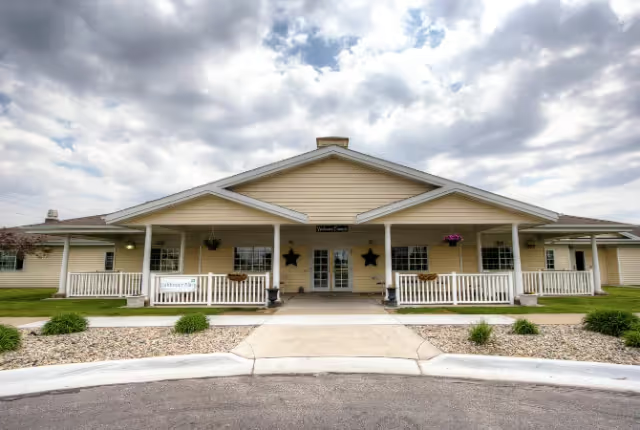
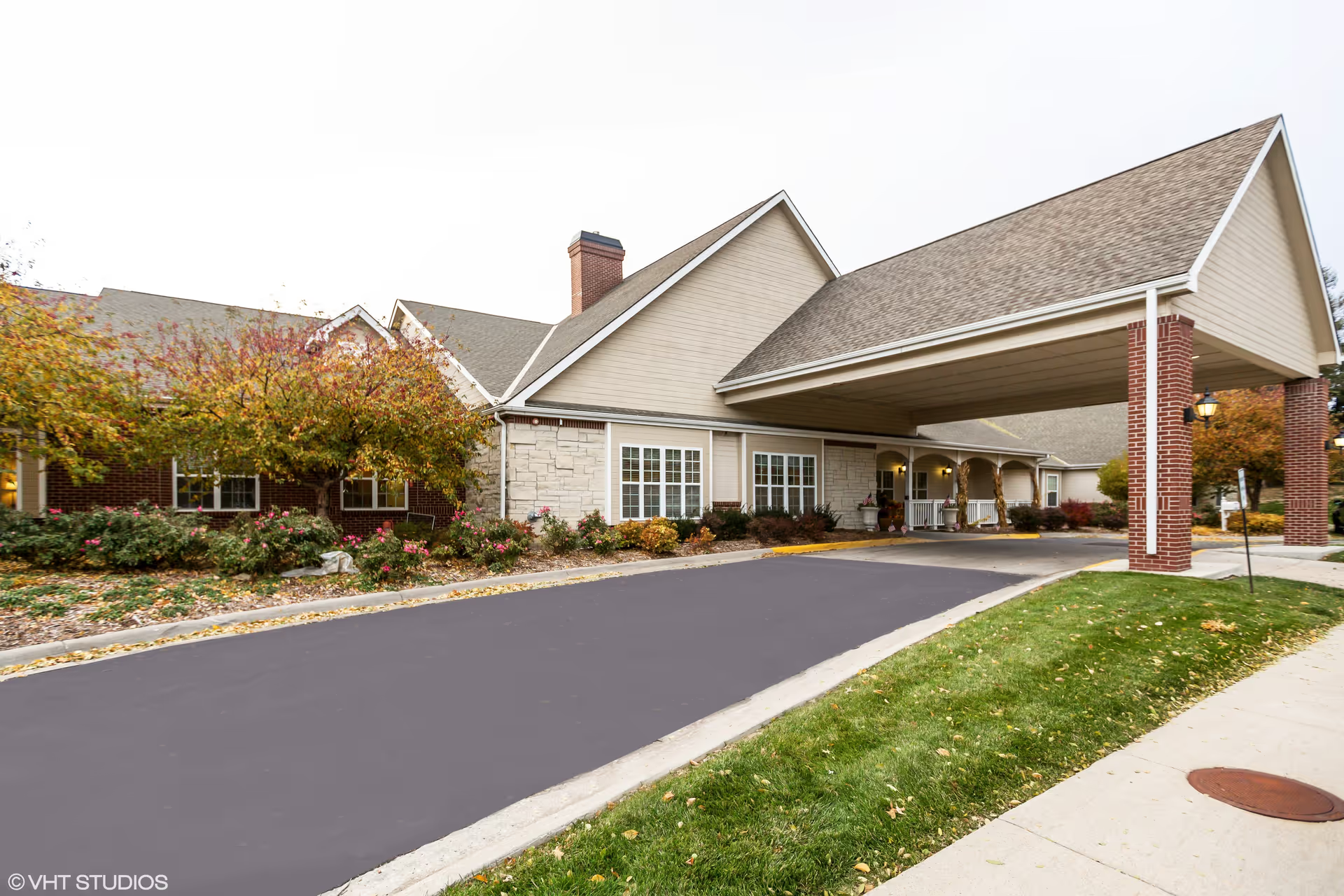
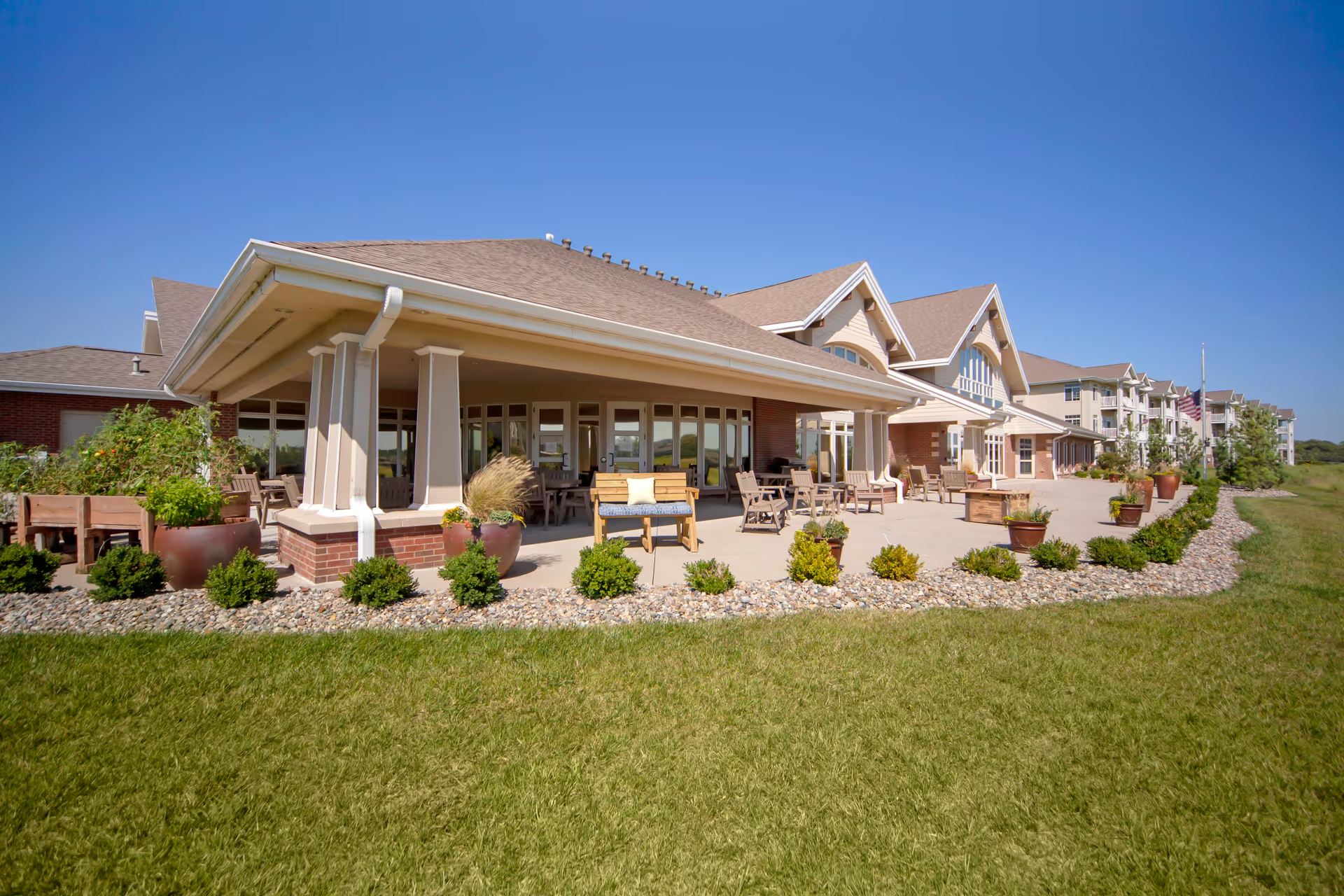
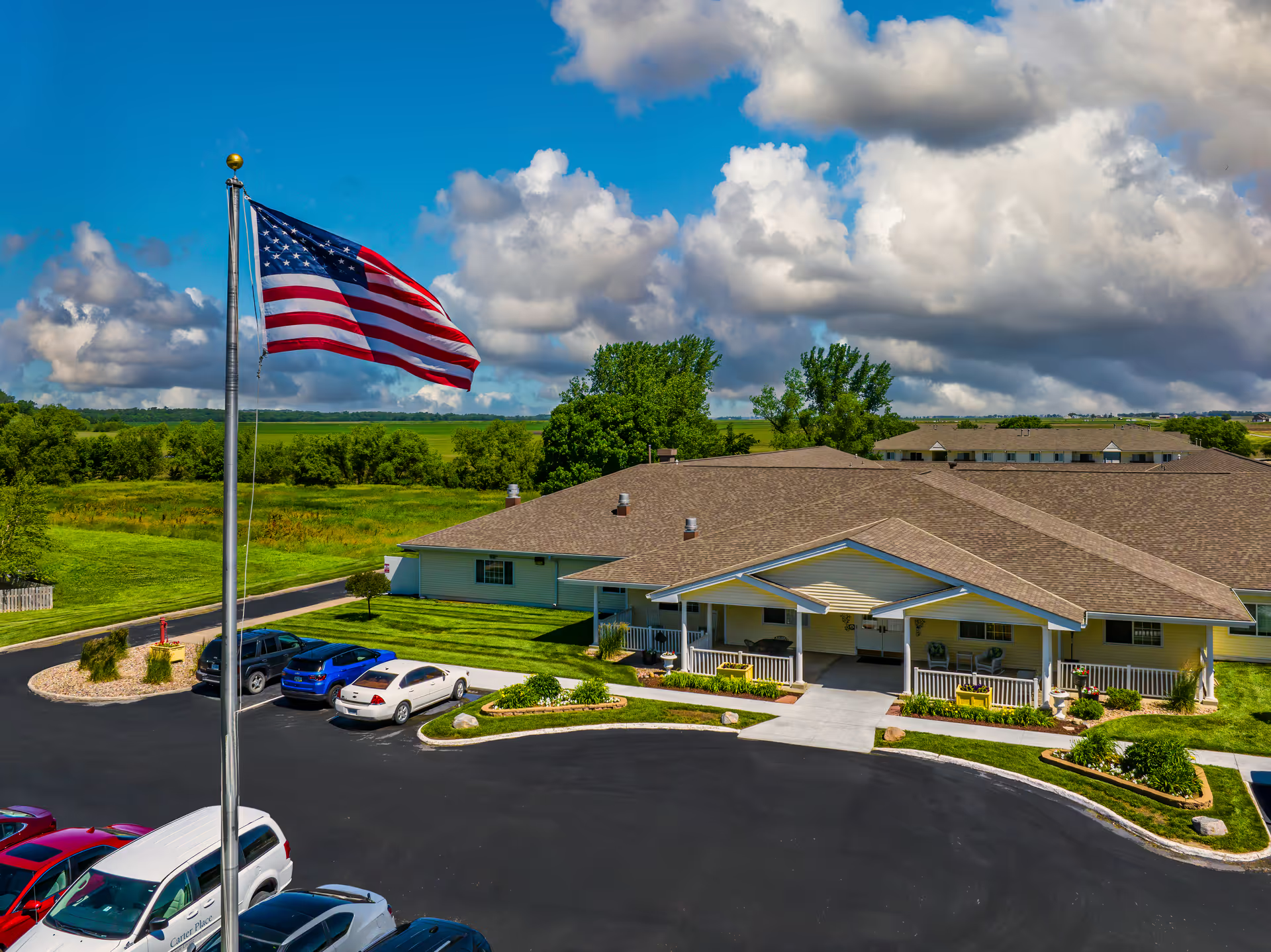
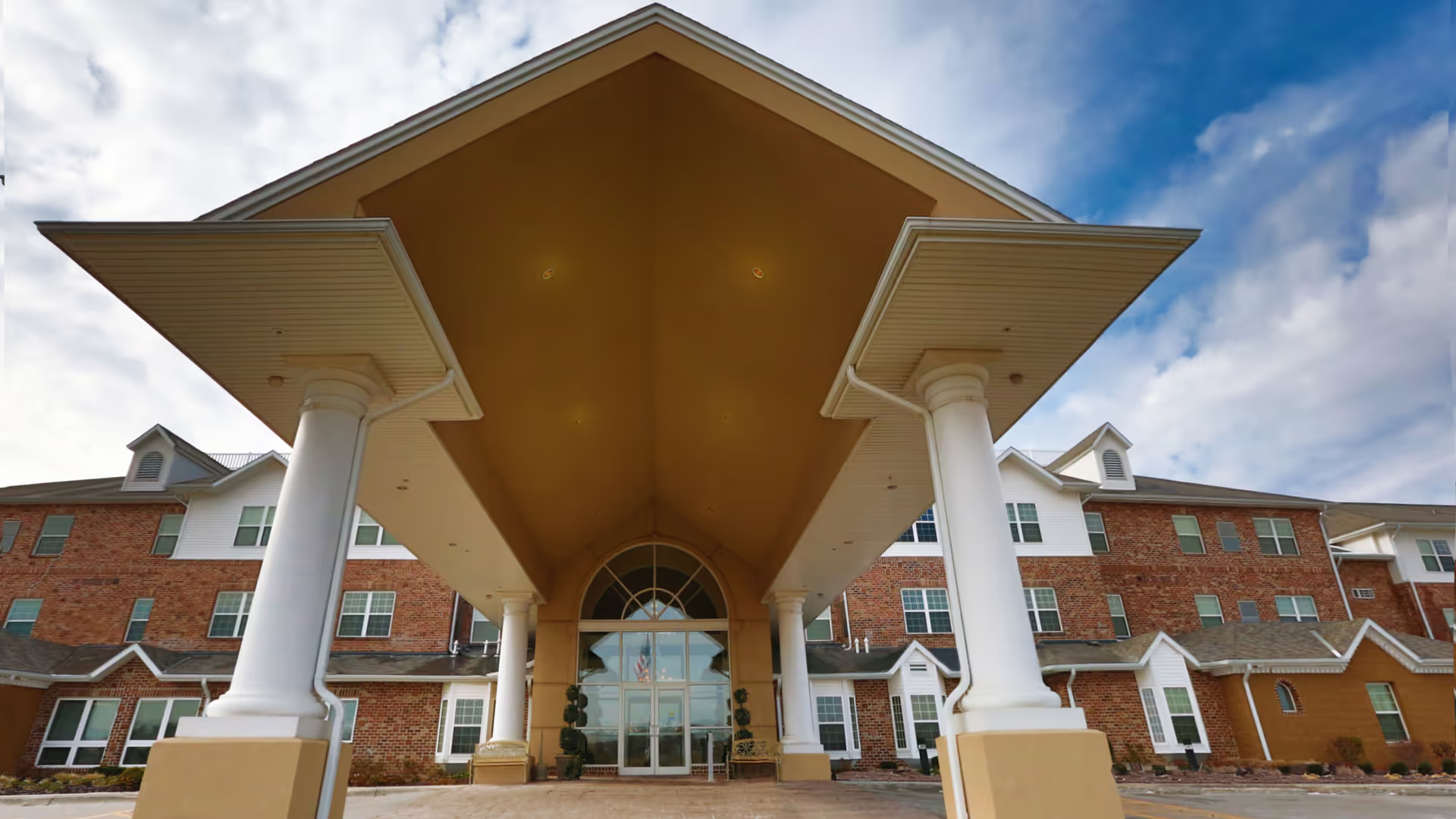
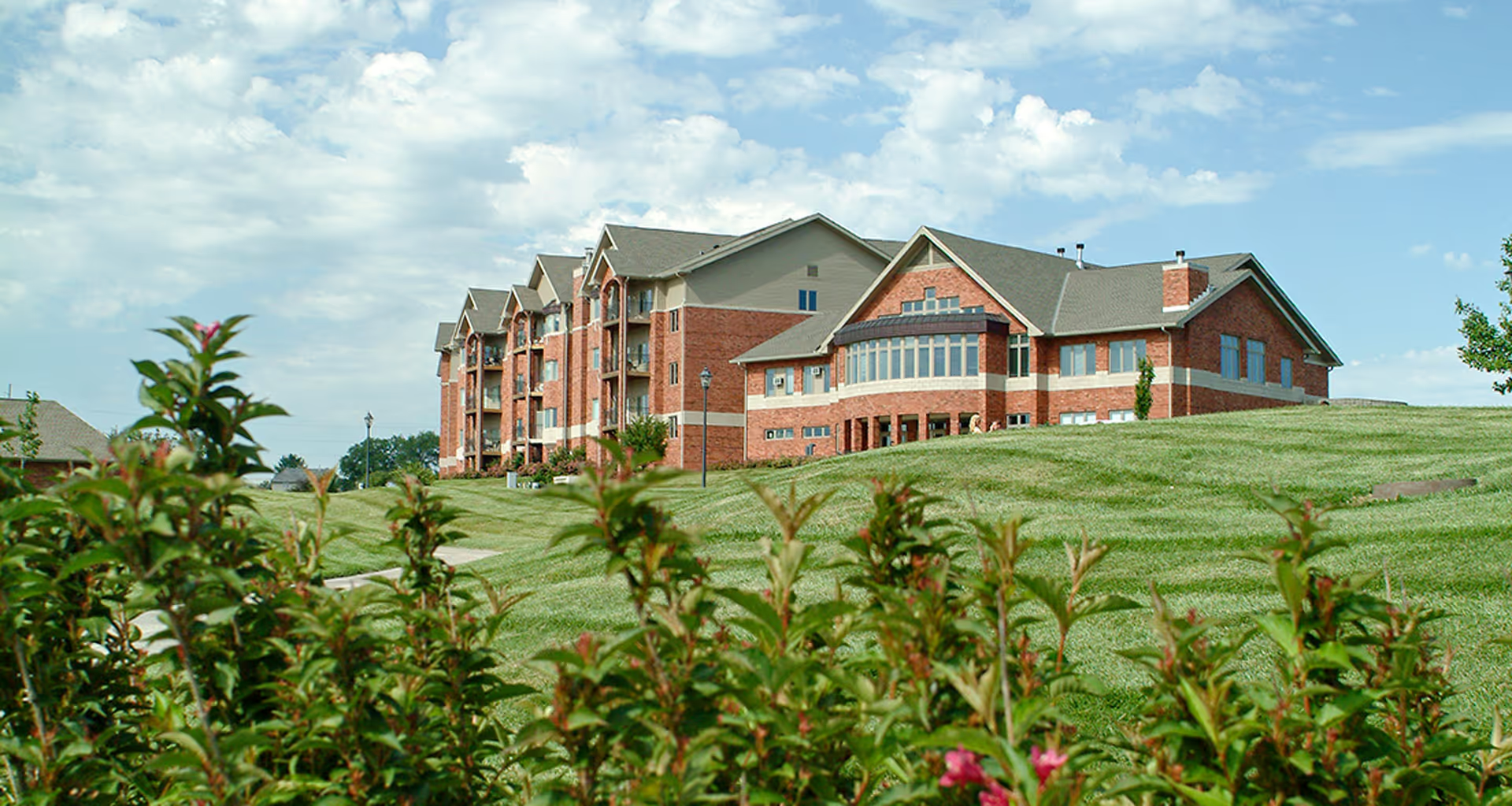
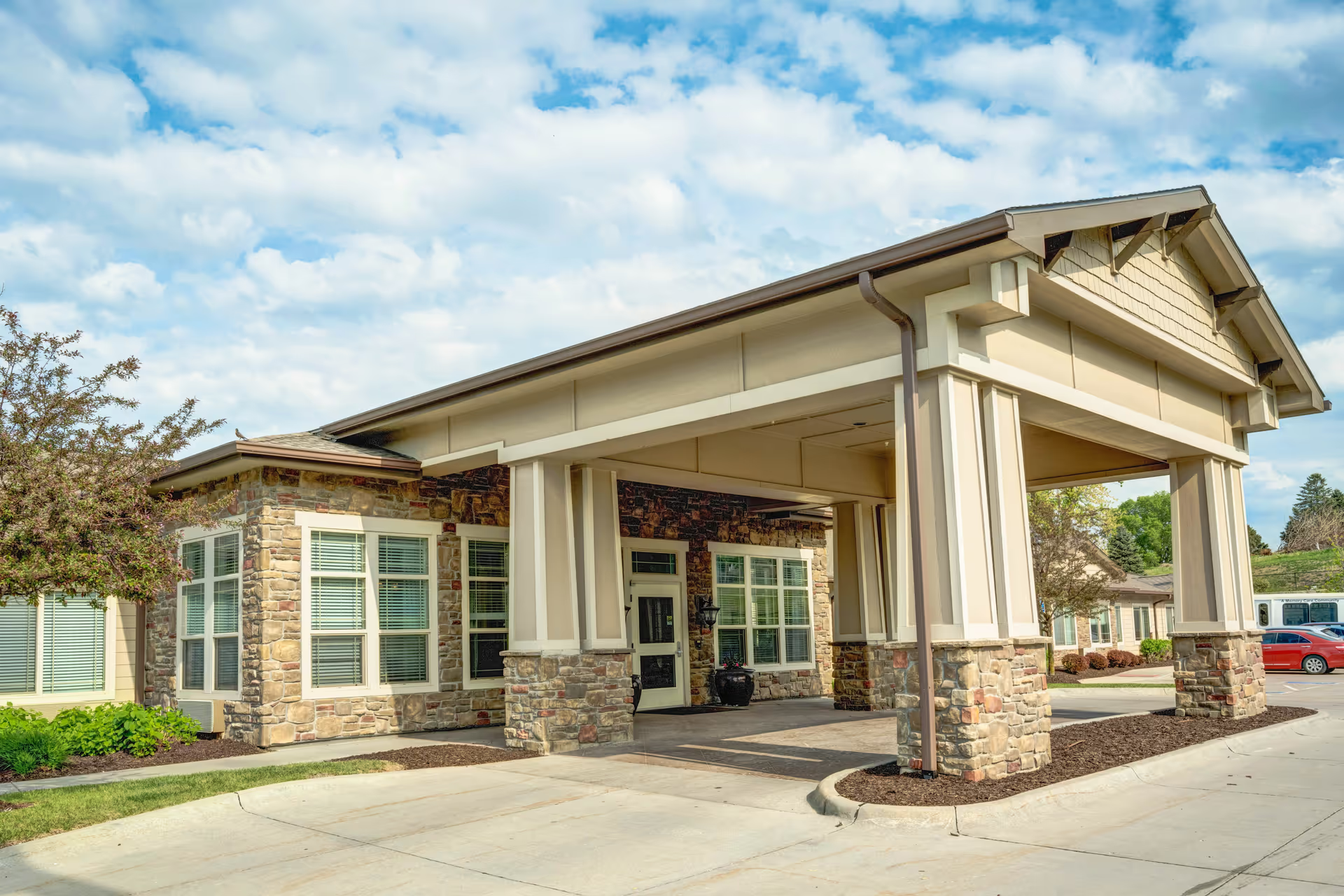
Facilities and move-in experience: The property overall is characterized as clean, well maintained, and attractive. Apartments are described as roomy and well equipped, with examples of recent refreshes (freshened carpets, painted walls) and move-in readiness. Many reviewers cited the environment as home-like and safe.
Notable patterns and recommendations: The most consistent positive themes are strong, compassionate frontline staff, an active activities program, good dining, and well-kept physical plant. The most important risks to probe further in a visit or tour are staffing stability and turnover, management practices and workplace culture, dementia-specific safety procedures (wandering-risk controls), and the facility’s policies on resident placement and discharge/contract enforcement. Prospective residents and families would benefit from asking about staff turnover rates, on-shift staffing levels for memory-care residents, documented protocols for wandering prevention and response, and contract terms related to residency and discharge to ensure expectations align with family needs.