Emerald Nursing & Rehab presents a strongly mixed picture across reviewers. Many families and clinical referrers praise the frontline caregiving and therapy teams: physical and occupational therapy are frequently described as effective, hospice and end-of-life support is noted as attentive, and individual care staff are often characterized as compassionate and family-oriented. Portions of the building have been renovated and offer private or spacious rooms, and the facility operates structured services such as laundry, three daily meals, and regular recreational and spiritual programming that are appreciated by some residents and families.
Concurrently, the facility demonstrates persistent operational weaknesses that affect day-to-day quality of care. Chronic understaffing and a reliance on temporary agency personnel recur as core concerns, with multiple accounts of delayed responses to call bells, missed personal-care tasks, and inconsistent medication administration. These staffing gaps are linked to safety-related issues in accounts describing falls and delayed clinical responses. Reviewers also point to variability in staff skill and supervision, which contributes to uneven care experiences; some families highlight excellent nurses and managers while others describe poor clinical oversight.
Management, communication, and administrative systems are another recurrent theme. There are frequent complaints about poor telephone and front-desk coverage, difficulty reaching key coordinators, and billing disputes that have led to strained family interactions. At the same time, several administrators and social-service staff receive praise for proactive, personalized communication and case management, indicating leadership quality is uneven across departments. Regulatory citations and external complaints are referenced in relation to systemic concerns, and there are more serious allegations including theft and questionable billing practices that families should evaluate directly.
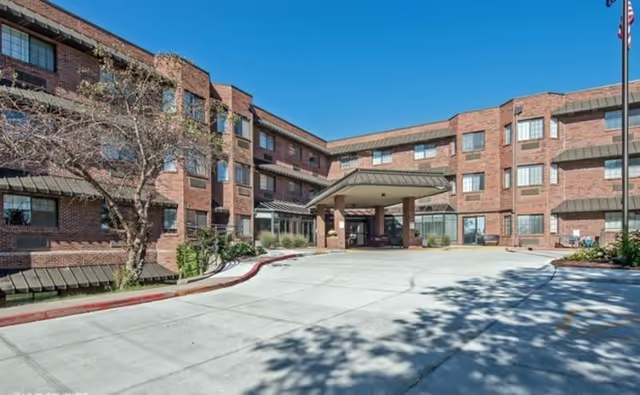
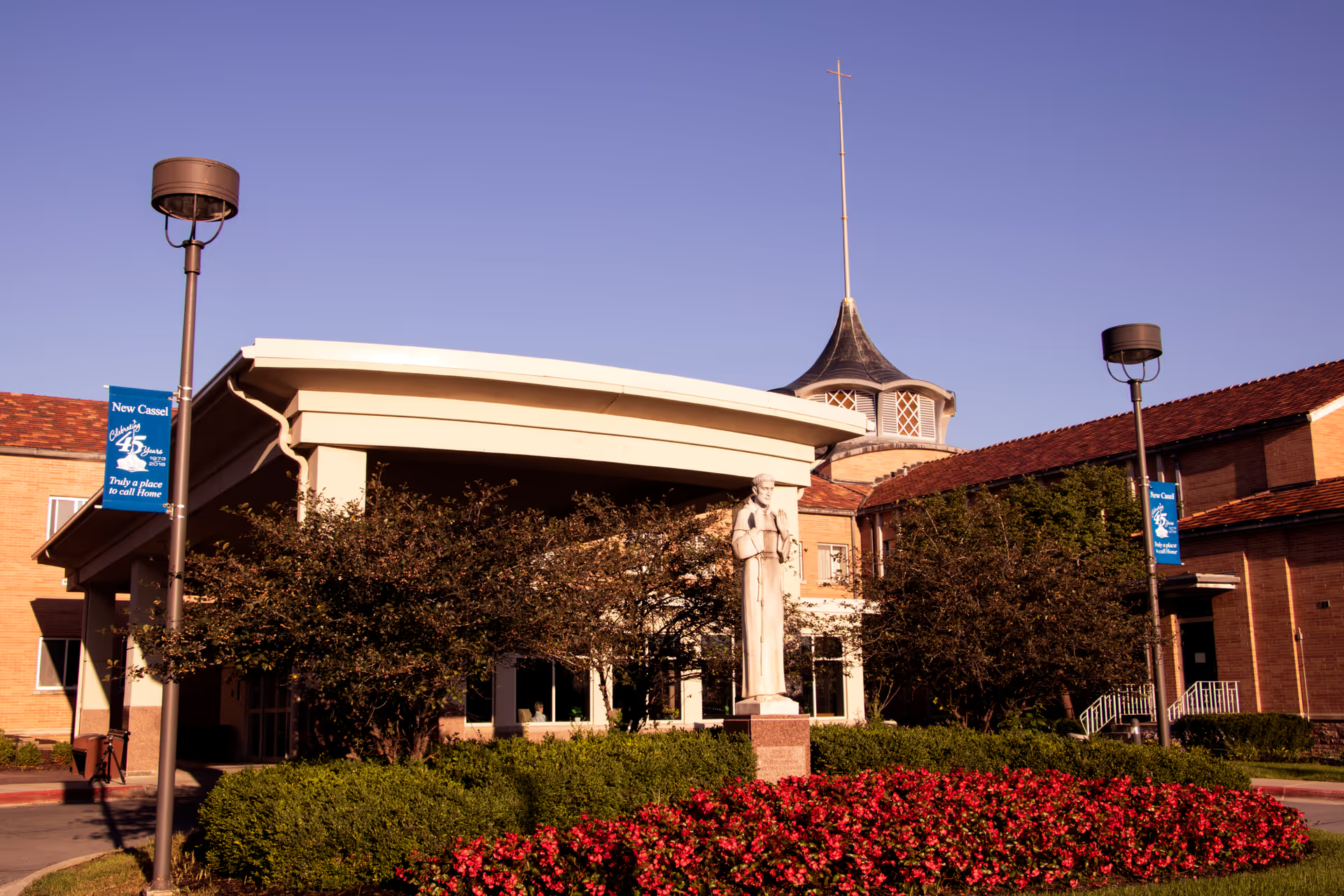
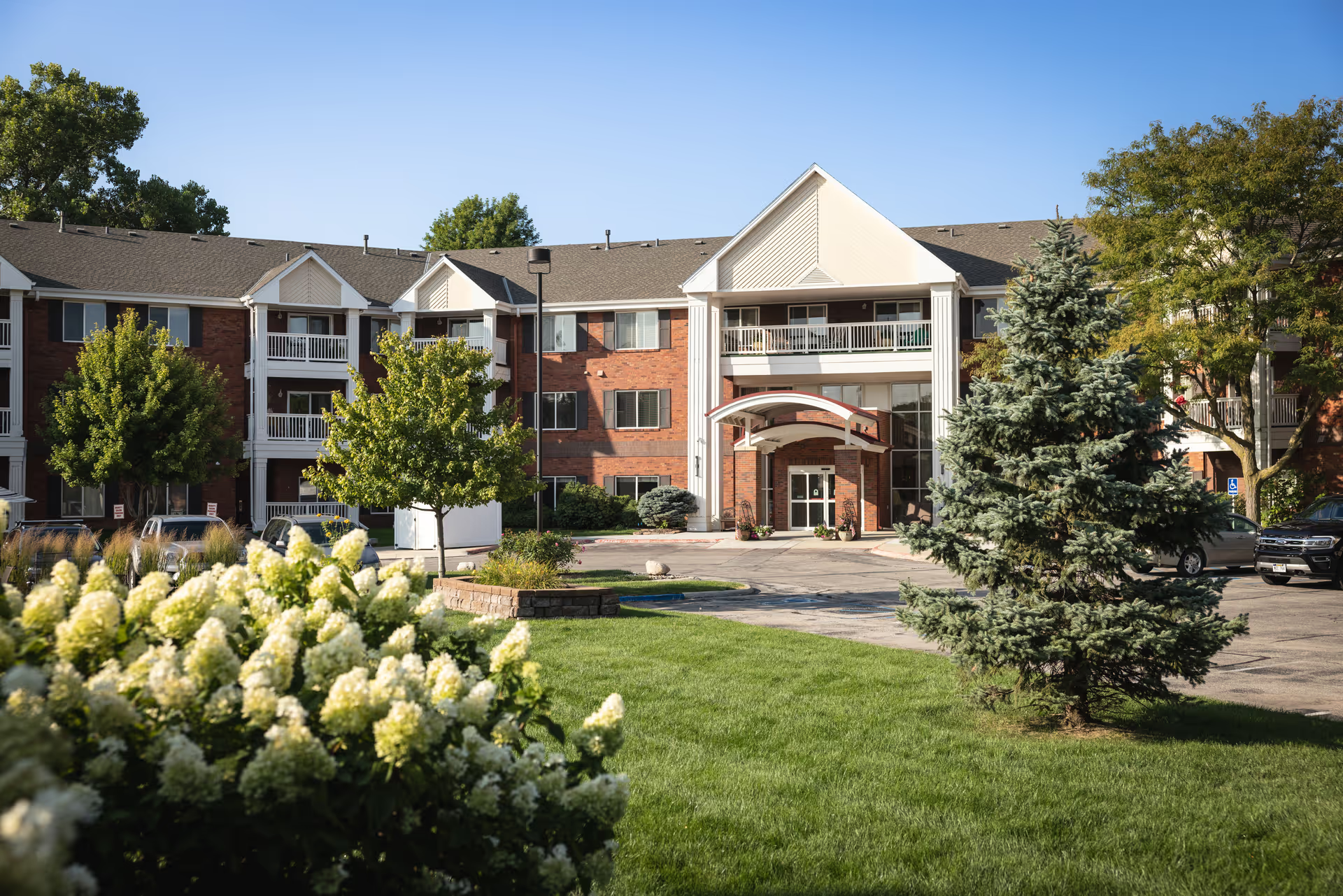
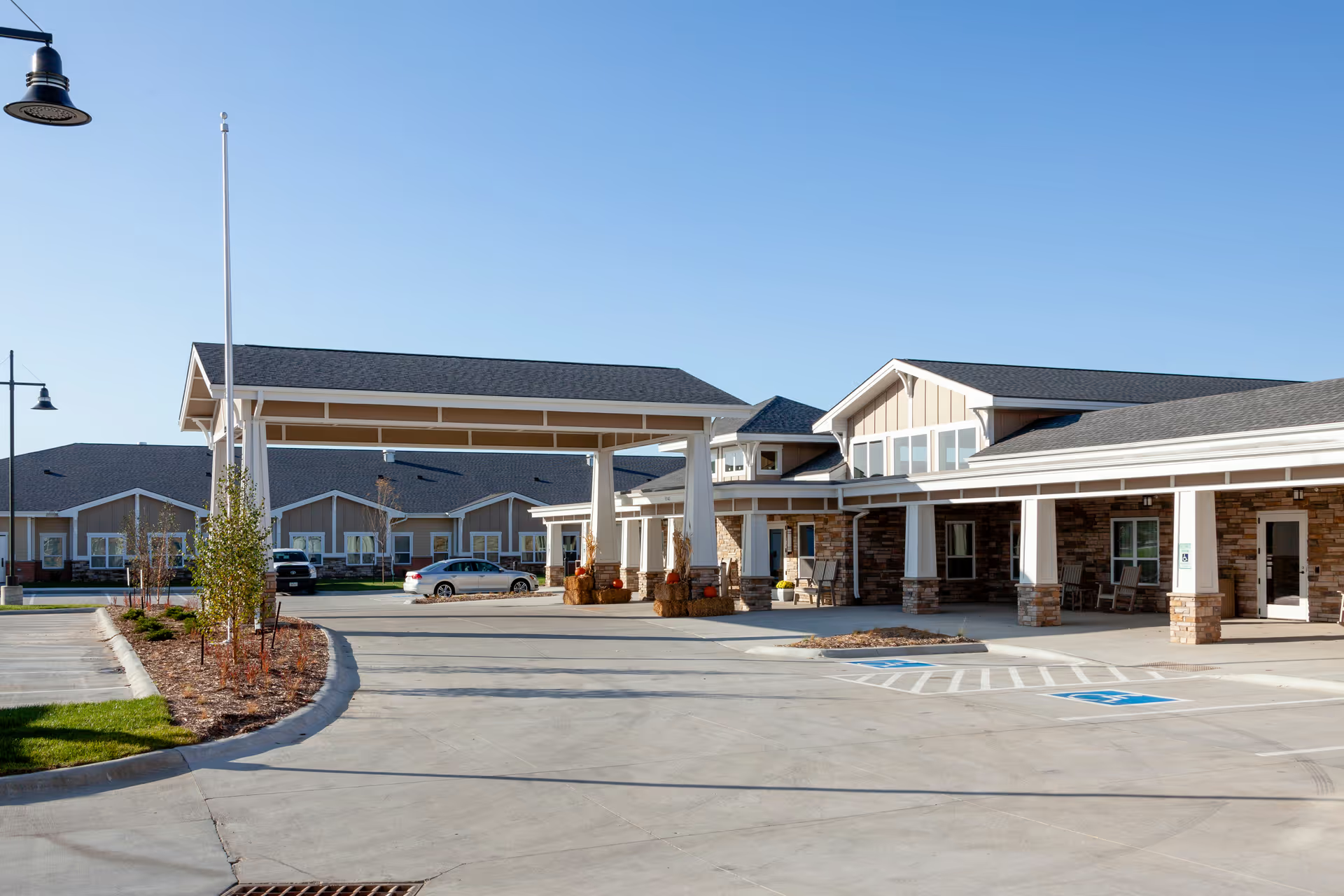
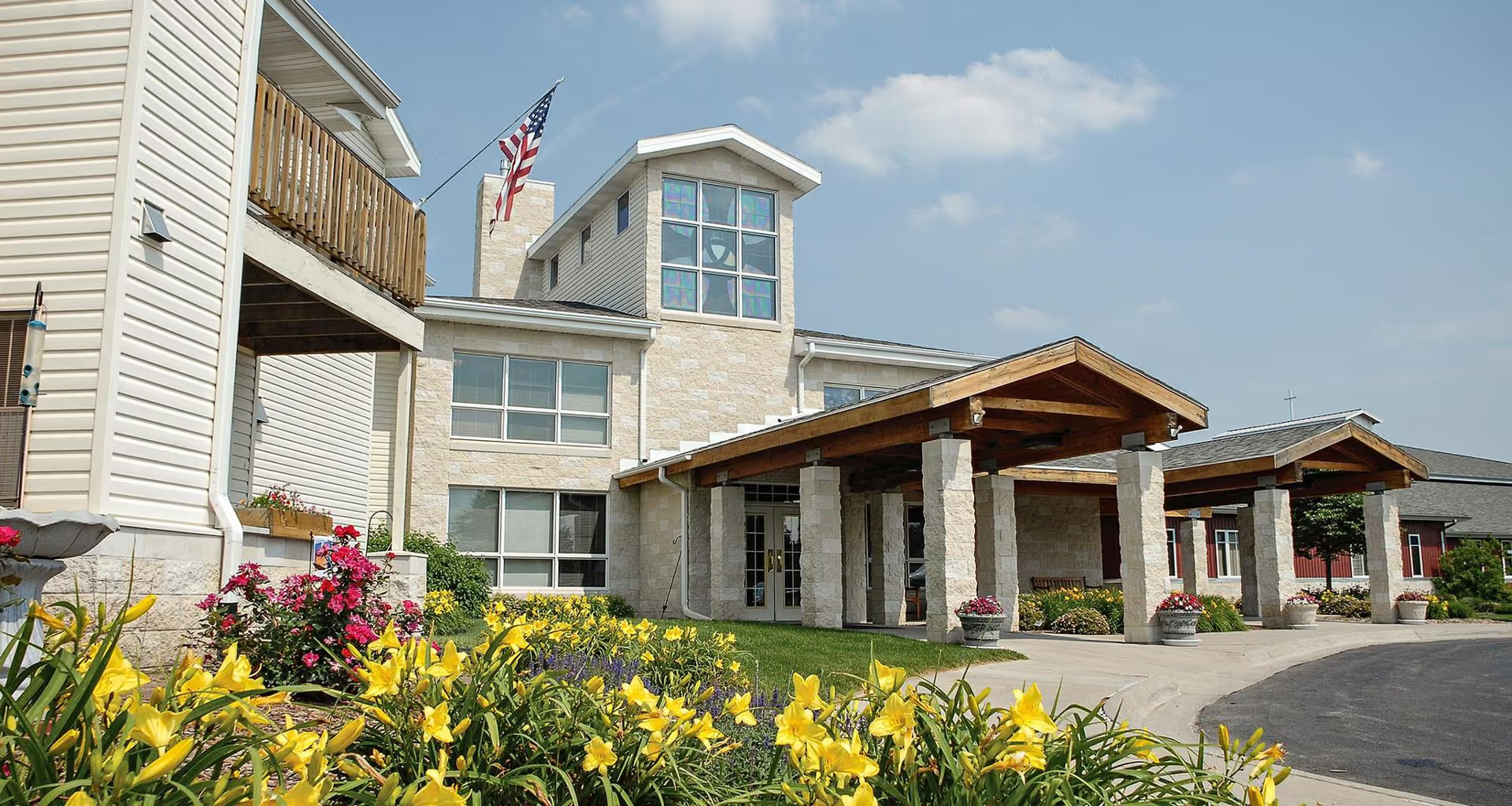
Facilities and services show similar polarity. Positive descriptions emphasize a welcoming entrance, remodeled areas, private rooms, on-site medical availability, and successful clinical outcomes for some residents (notably in skin-care and nutrition). Criticisms include inconsistent sanitation and pest-control concerns in parts of the building, variable meal quality, and limited day-room or common-space availability. Activity programming and spiritual services are seen as strengths by many families, but the overall resident experience depends heavily on unit staffing and which staff members are on duty.
What is most notable is the pattern of polarized experiences: when staffing, supervision, and specific administrators align, families report high-quality, compassionate care and good rehab outcomes; when staffing is thin, oversight lapses, or communication breaks down, families report significant safety, hygiene, and administrative problems. Prospective residents and families should tour during multiple shifts, ask for staffing ratios, medication-administration protocols, incident-response procedures, and written billing policies, and identify the facility contacts who will provide ongoing family communication before making placement decisions.