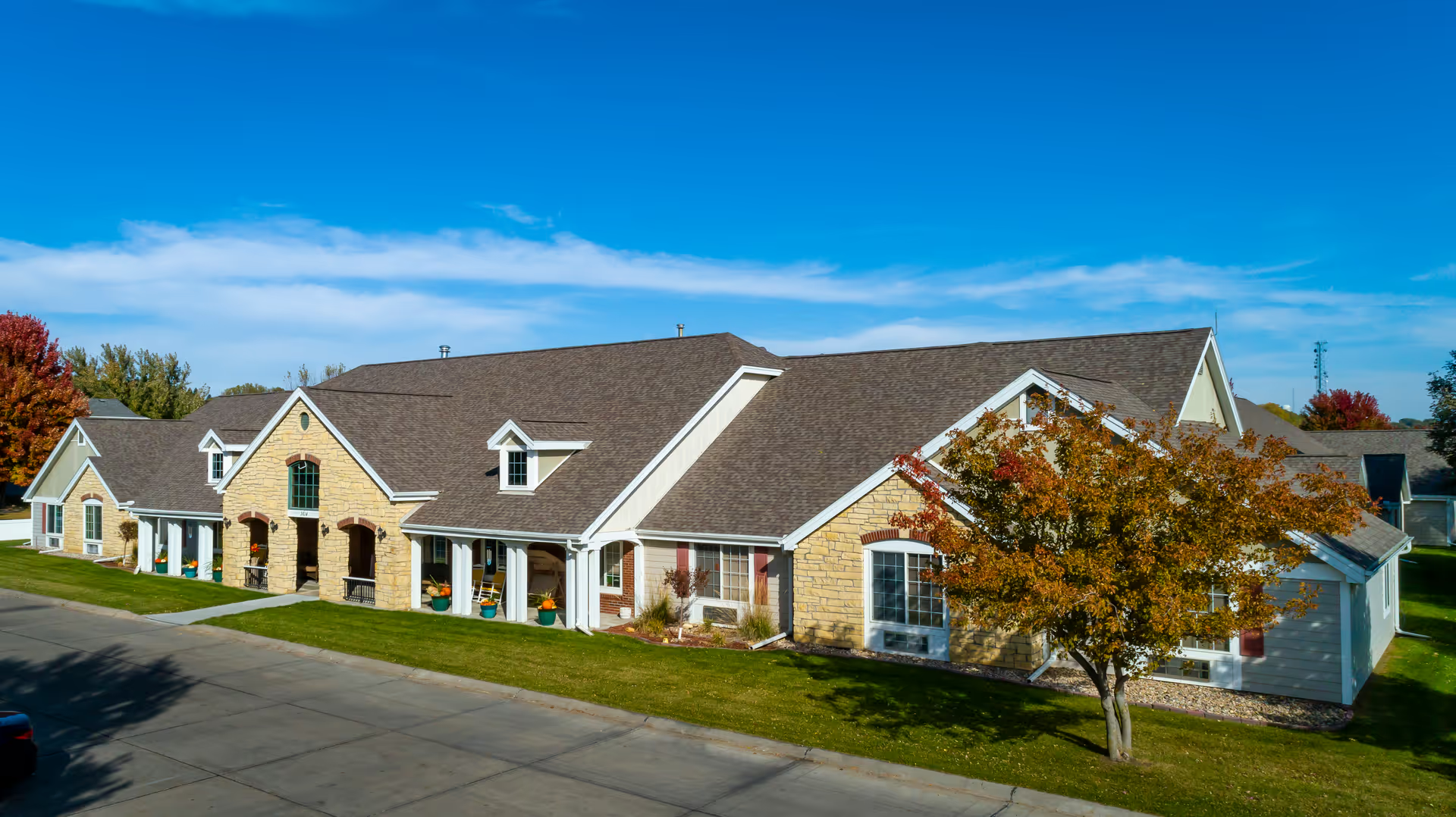
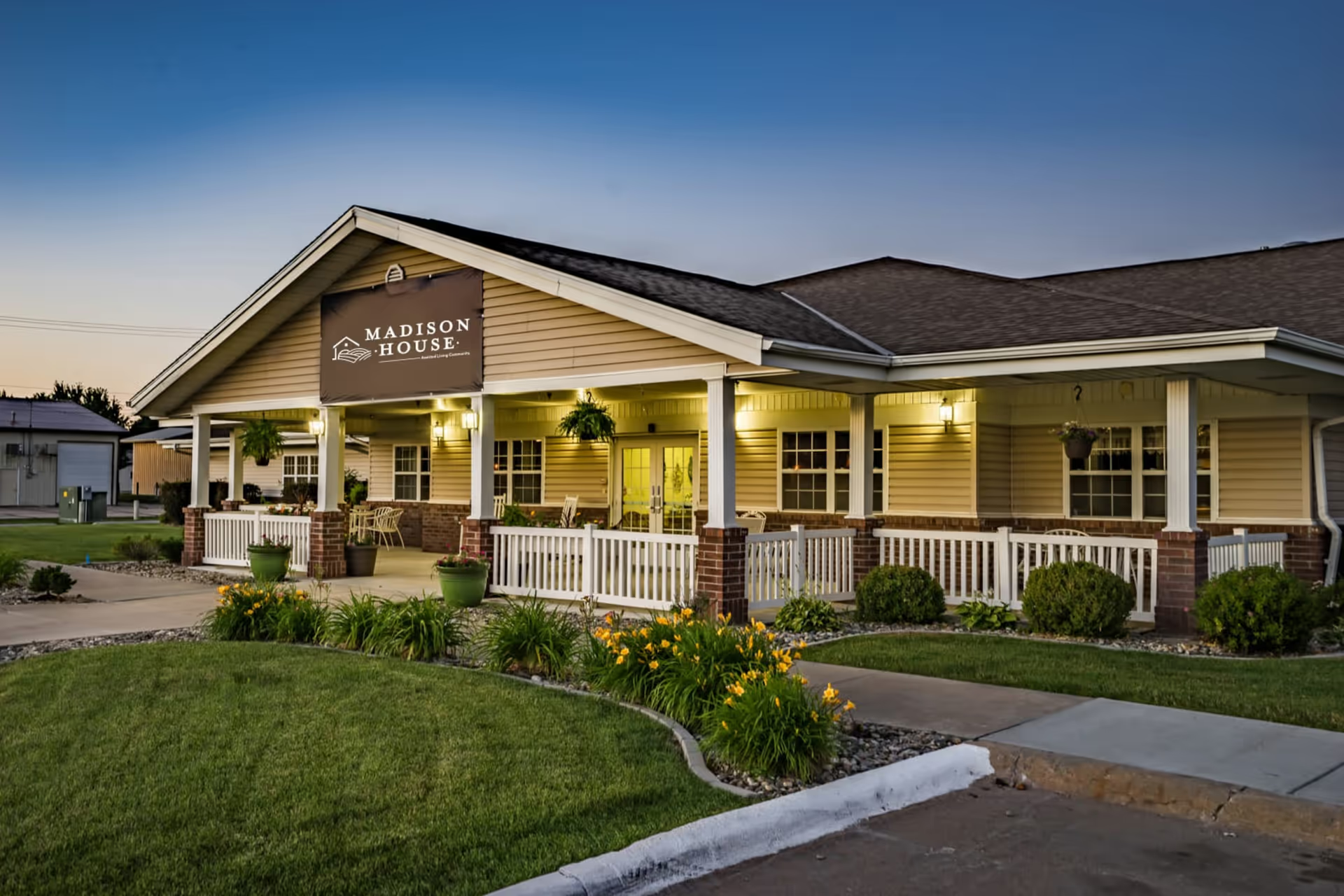
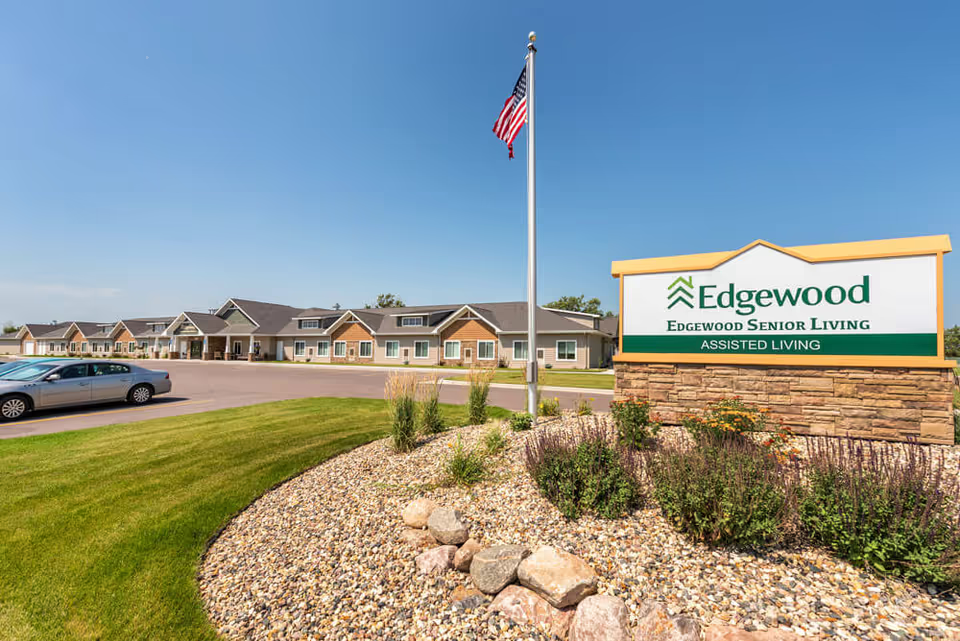
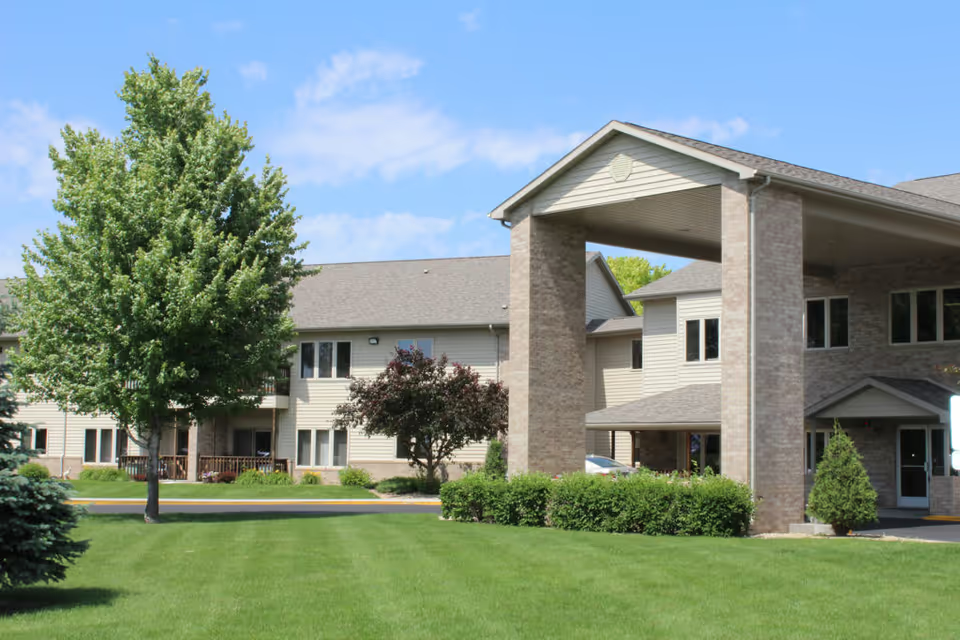
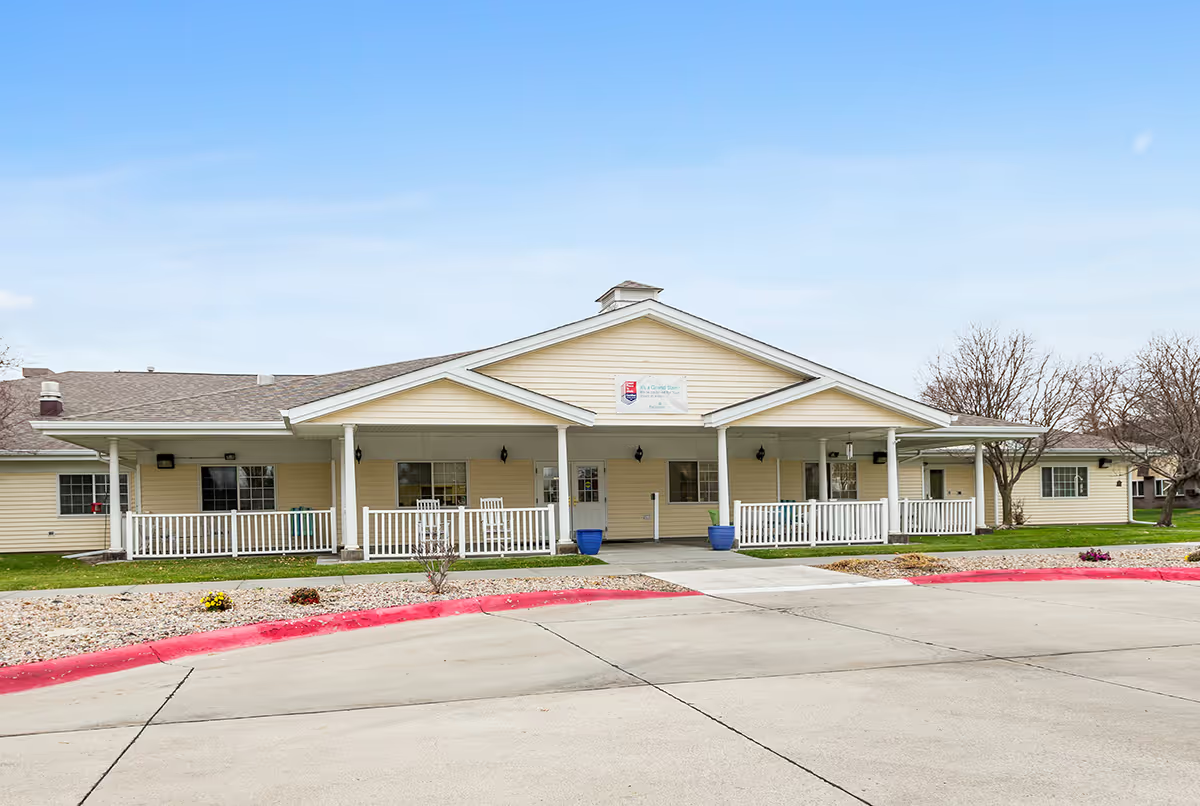
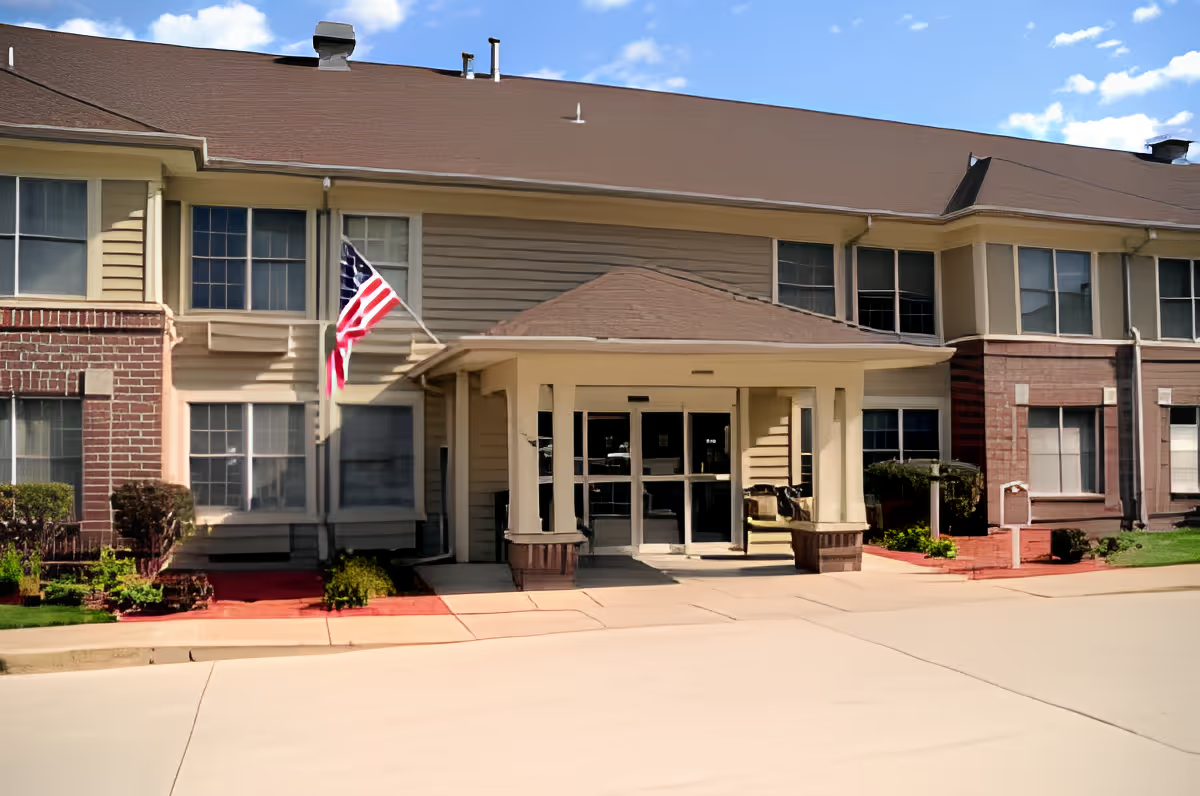
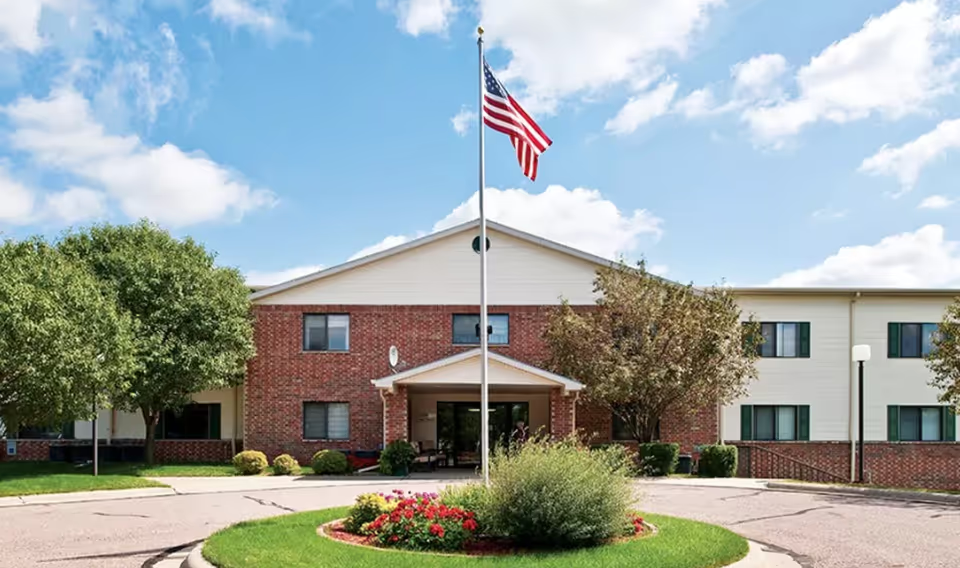
Country Lane Retirement Village presents as a modern, cottage-style community that emphasizes independent living with available assistance. Families and visitors consistently note a comfortable, new facility with large common areas and a sense of community. The environment supports residents who wish to remain independent while receiving help as needed, and the design and programming appear to reduce loneliness for many residents.
Care quality is characterized by attentive, compassionate staff and proactive communication with families. Several comments highlight individualized attention and staff members described by name as caring and helpful. However, reviewers also describe operational limitations: staffing levels sometimes feel insufficient for resident needs, and there are indications of gaps in clinical expertise when handling complex medical or behavioral situations (for example, post-stroke needs). These constraints contribute to occasional staff frustration and inconsistent responsiveness.
Dining and amenities receive favorable feedback. Meals are described as high quality and enjoyable, and the community organizes a range of activities—from regular programming like bingo to special events such as animal visits—that engage residents and the public. These offerings support social engagement and are a commonly cited strength.
Memory-care and admissions practices deserve particular attention. The facility requires that memory-care residents bring their own furniture, bedding, and hand towels, and enforces specific bed-frame requirements (no casters), which creates an added logistical and financial step for families during move-in. Reviewers also reported move-in delays and bed-availability issues. Admissions communication was generally helpful in many cases, but some accounts describe inconsistent admissions interactions.
Management and administrative patterns show both positive and concerning elements. Families note proactive updates and involvement by staff, yet there are recurring requests for stronger partnership between administration and families around care decisions. Additionally, at least one review raised a serious allegation regarding internal performance metrics; that claim suggests a need for clearer administrative transparency and documented processes for quality assurance.
Overall, Country Lane appears to offer a welcoming, contemporary option for older adults seeking independent living with supportive services, strong social programming, and good dining. Prospective residents and families should weigh those strengths against operational issues identified by reviewers—notably staffing adequacy, specialized-care capability for complex medical needs, move-in logistics for memory care, and the desire for clearer administrative transparency and family inclusion in care decisions. Visiting in person, reviewing staffing ratios and clinical protocols, and clarifying memory-care furnishing requirements with management are recommended next steps for decision-making.