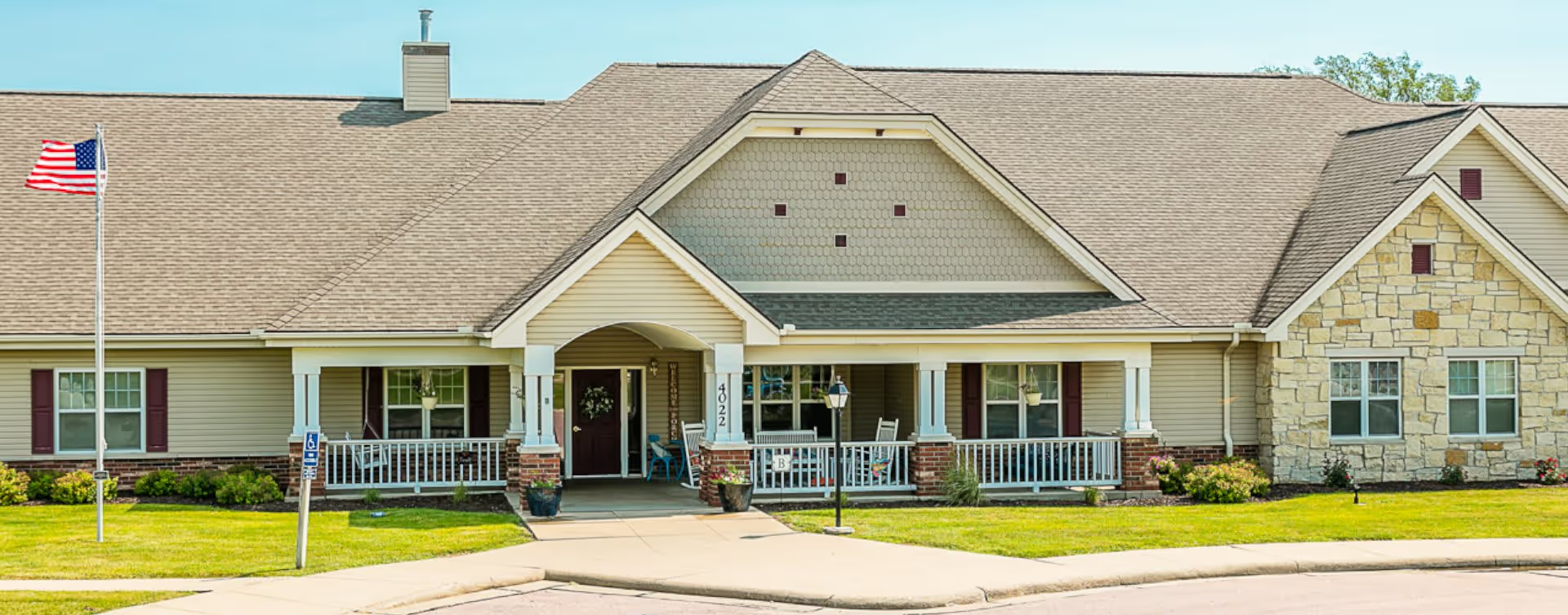
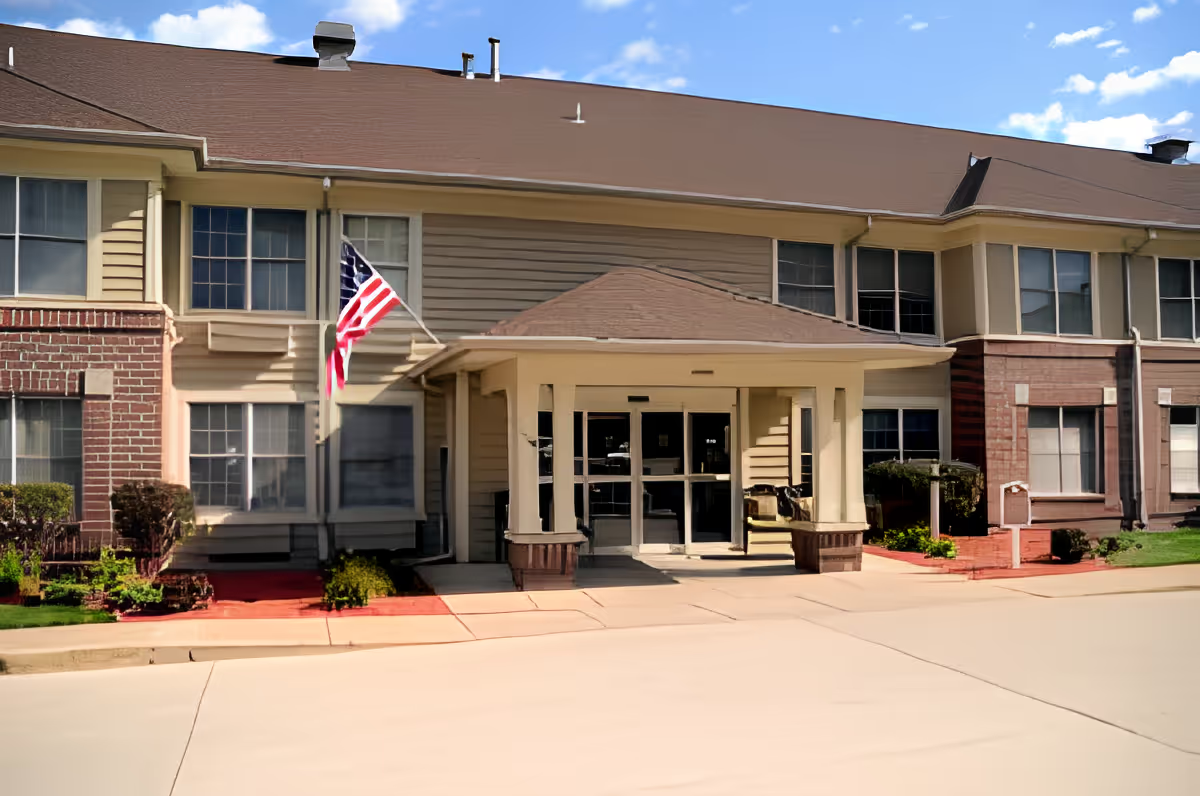
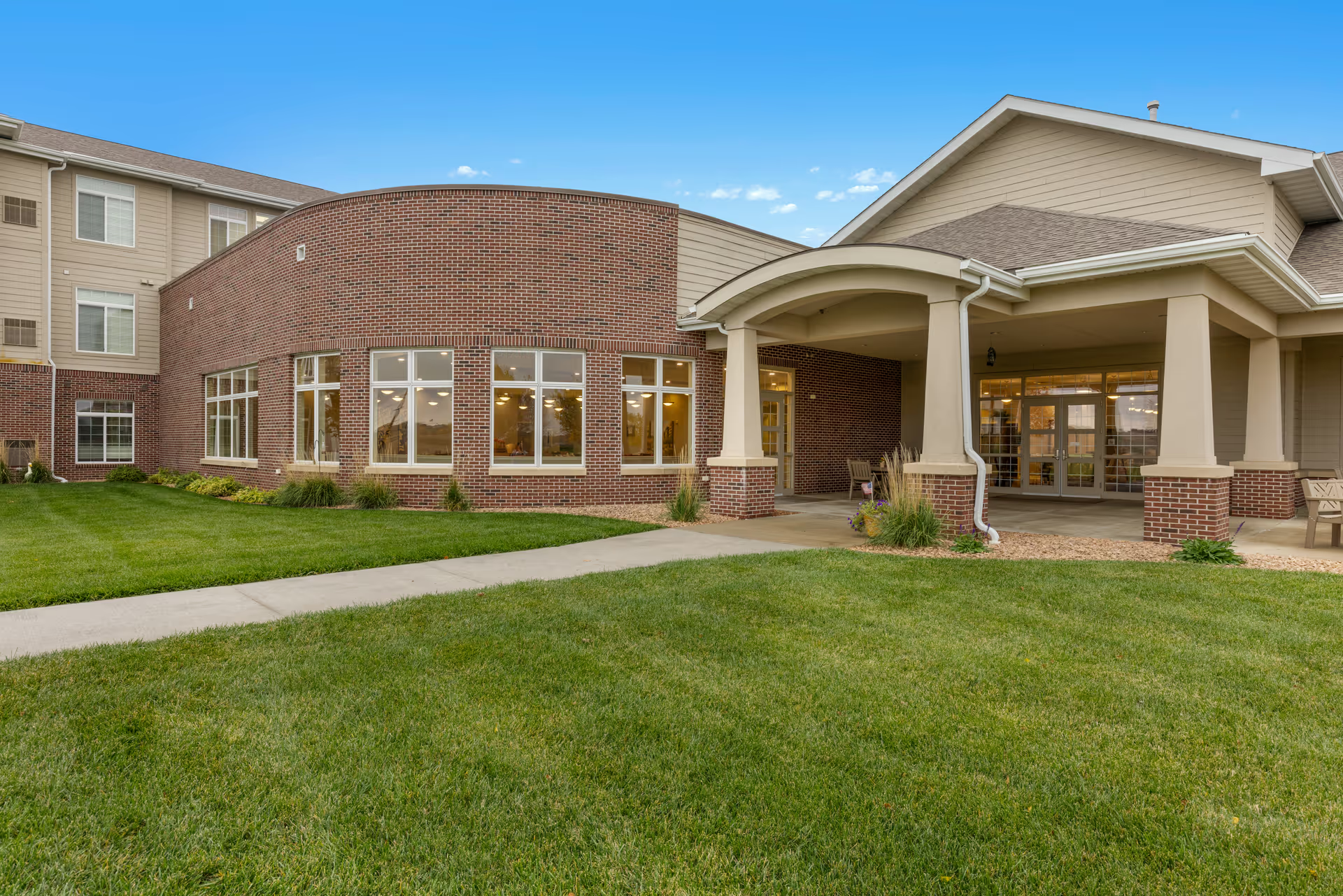
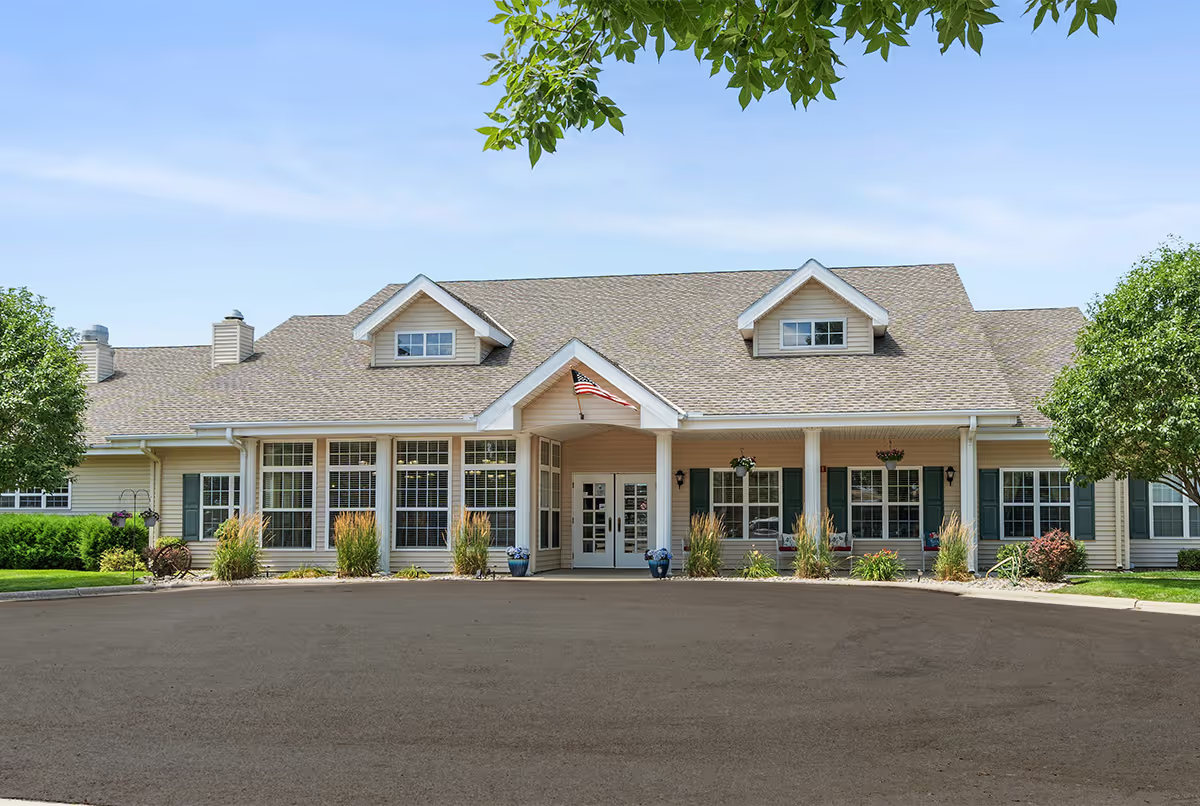
Overall impression Heritage at Northern Hills presents as a well-maintained, socially active senior living community with a strong emphasis on resident engagement and visible caregiving presence. Reviews consistently highlight clean common areas, a friendly resident population, and a broad slate of amenities including transportation, beauty services, and on-site social spaces. The facility offers both assisted and independent living options and is frequently described as competitively priced relative to higher-cost alternatives in the market.
Care quality and staff The predominant theme across reviews is positive regard for staff: many families and residents describe caregivers, nurses, and leadership as compassionate, attentive, and willing to go beyond routine duties. Medication administration and individualized care are cited as strengths, and reviewers note stability among long-tenured staff members. At the same time, a pattern of periodic understaffing and communication accessibility gaps emerges; some families found staff difficult to reach during busy periods. A small number of serious complaints were raised about transitions to higher-level or hospice care and discharge planning—these are significant concerns for families considering long-term placement and warrant direct discussion with facility leadership and documentation review during a tour.
Dining and meals Dining at Northern Hills is a mixed picture. Many reviewers praise the restaurant-style dining experience, friendly kitchen staff, and availability of choices at mealtimes. Conversely, recurring operational issues are described: inconsistent food quality and variety, occasional shortages or meals that run out, and menu repetition. Mobility-related challenges to accessing the dining room (distance from some apartments, assistance needed to reach meals) were also noted. Prospective residents should sample meals, ask about typical menu rotation, portioning, and accommodations for special diets or mobility needs.
Activities and community life The community offers a broad schedule of activities—exercise classes, movie nights, musical events, and resident groups are frequently mentioned—contributing to a strong social atmosphere. Residents and families often comment on the welcoming, family-like vibe and meaningful events that include staff and families. A minority of reviewers find programming repetitive or would like expanded outdoor offerings; activity participation is generally optional and varied by interest and ability.
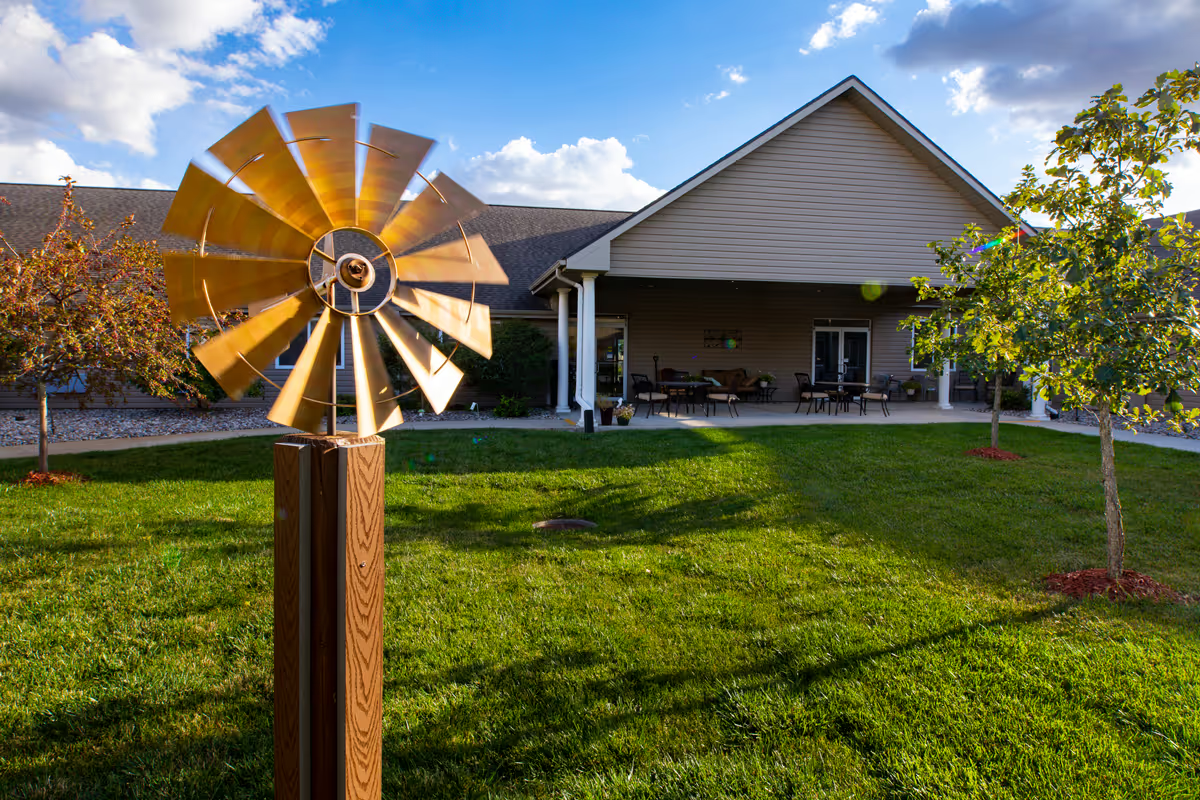
Facilities and accessibility Physical facilities are generally described as bright, inviting, and well-cared-for. Apartments are characterized as cozy and suitable for single occupancy, with private bathrooms and climate control; some units have small kitchenettes with limited counter space. Outdoor courtyard and seating are positives, but several reviewers expressed a desire for more or larger outdoor areas. Accessibility issues include difficulty navigating stairs from upper floors for less-mobile residents and practical usability concerns in shared laundry rooms for residents with low vision or limited reach. Families should verify unit layout, dining proximity, and accessibility features during a visit.
Management, operations, and value Many reviewers commend management for responsiveness, individualized move-in support, and proactive family communication; specific staff members are frequently singled out for exceptional service. At the same time, operational weaknesses appear in the form of intermittent communication lapses, periods of short staffing, and occasional front-desk responsiveness issues. Affordability is a common consideration—while some reviewers feel the community offers good value, others find private-pay rates burdensome. Prospective residents should request a clear fee schedule, inquire about staffing ratios, and ask how the community manages staffing shortfalls and clinical transitions.
Recommendations for prospective families Heritage at Northern Hills demonstrates clear strengths in staff-resident relationships, community programming, and facility upkeep. When evaluating the community, families should: schedule a meal to assess food and portioning; inquire about staffing patterns and on-call coverage; review policies and protocols for clinical transitions and hospice referrals; evaluate apartment layouts and dining accessibility for the prospective resident’s mobility needs; and confirm costs and what services are included. These steps will help balance the facility’s many positives against the operational patterns noted in reviews.