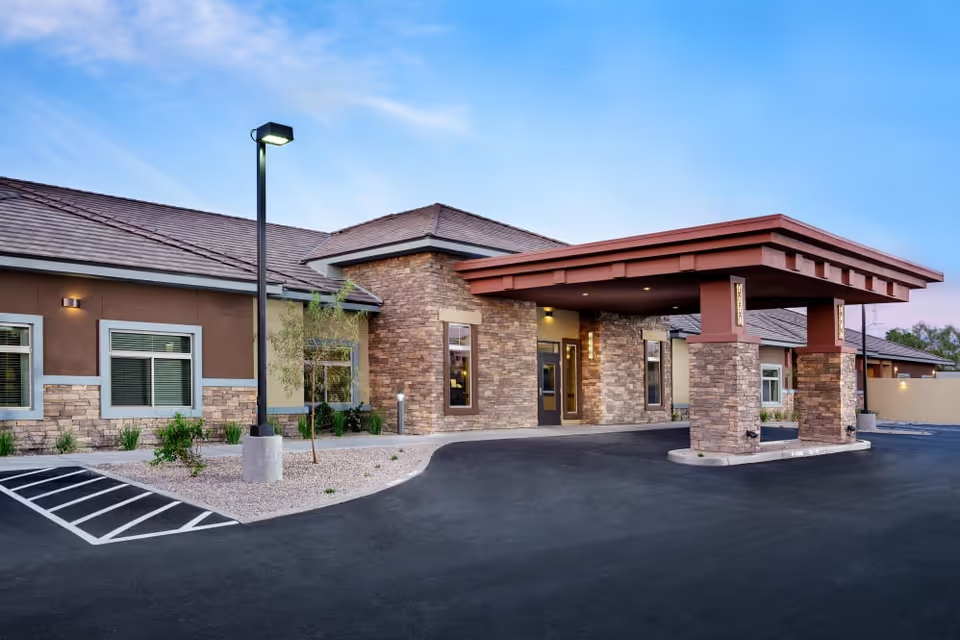
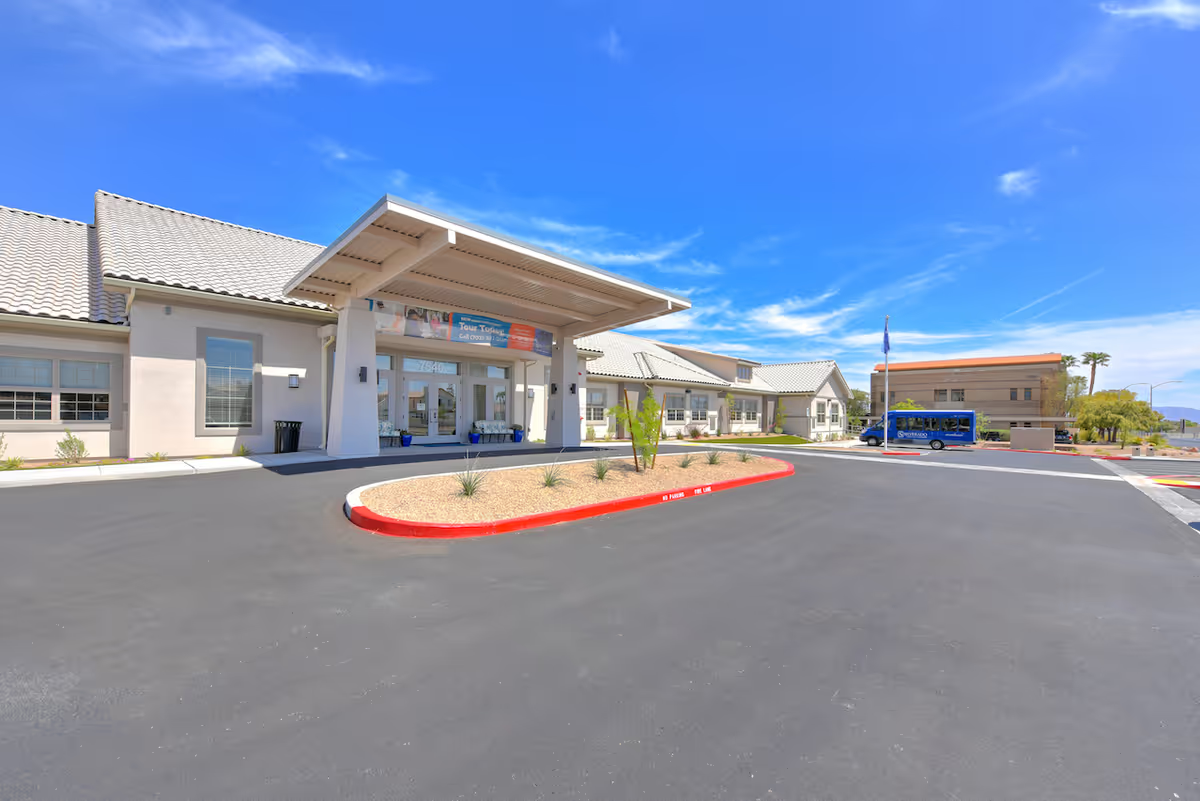
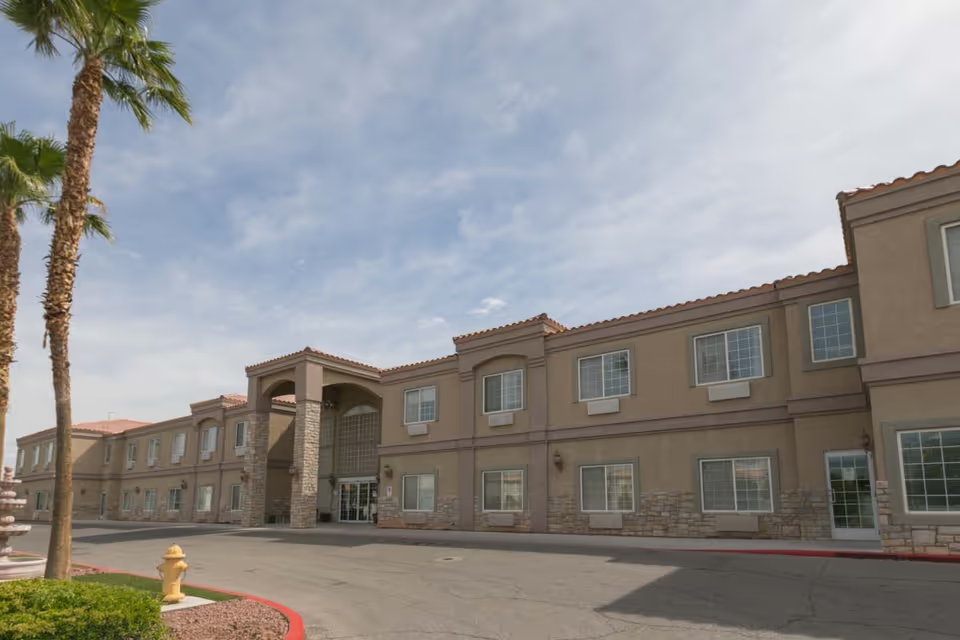
Avamere at Cheyenne presents a mixed but instructive profile for prospective residents and families. Strengths most consistently described include a compassionate, hands-on staff, a clean and well-maintained environment, and a wide menu of social programming and outings. The community offers restaurant-style dining with chef-driven options, flexible dining hours and special events (notably Friday BBQs), on-site salon services, and accessible apartments with kitchenettes and outdoor patios. Move-in and admissions support is frequently praised, and the facility accepts Medicare and offers Medicaid-friendly options. There is also on-site hospice support and transportation services for appointments and trips.
Care and staffing receive both commendation and critique. Many families highlight attentive aides, med tech availability, bathing assistance, and staff who learn residents’ names and routines. At the same time, reviews identify staffing shortages, turnover, and periods of reduced responsiveness that affect timely attention and meal support. Clinical gaps are noted when residents’ care needs escalate: several accounts describe medication-administration inconsistencies, dosing errors, and situations where families were advised that a higher level of care would be more appropriate. Overall, the community appears well suited for lower-dependency residents who value social engagement and assistance with activities of daily living, but families should confirm current staffing levels and clinical oversight for residents with increasing medical complexity.
Dining and programming are focal points of mixed feedback. Many reviewers praise the dining room, chef specials, and the variety of activities—bingo, clubs, field trips, exercise groups, and memory activities are commonly available. Others describe inconsistent food quality, reduced menu variety at times, instances of under-staffing in the kitchen, and some meals perceived as overly basic or microwave-prepared. Activity offerings are substantial on paper and include daily options, trips, and seasonal events; however, some residents—particularly those with mobility or cognitive limitations—find the offerings repetitive or difficult to participate in, and a subset of families would like to see a broader mix of therapeutic and one-on-one engagement.
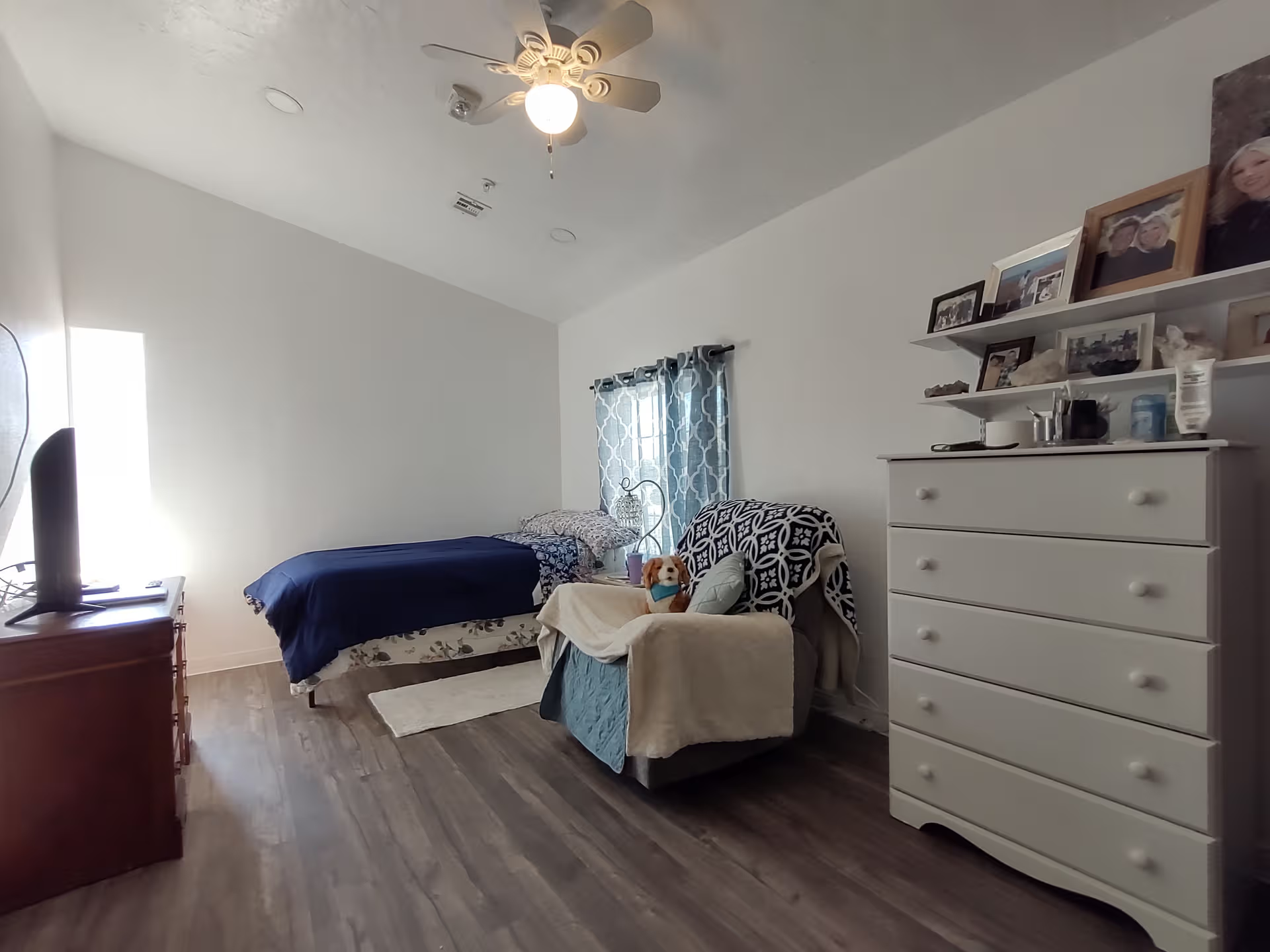
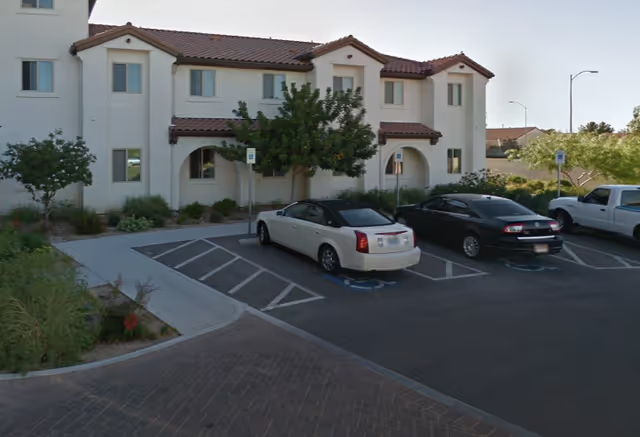
Facilities and amenities are generally viewed positively: recent remodels, roomy apartments with kitchenettes, ADA-friendly modifications, elevators, and pleasant outdoor spaces are cited as assets. At the same time, reviewers point to variability between units (studio vs. semi-private vs. one-bedroom), occasional sanitation or odor concerns related to incontinence care, and isolated pest-control concerns. Housekeeping, laundry, and maintenance are often praised but have been described as inconsistent in some instances.
Management and administrative operations show clear strengths and weaknesses. Admissions staff and specific team members receive strong commendations for empathy and thorough onboarding. Conversely, families report issues with billing transparency, unexpected fees, unclear pre-contract documentation, and inconsistent internal communication. There are also serious operational concerns around security and personal-property accountability; some reviews reference allegations of missing items. Transportation reliability has been called into question at times (bus breakdowns, limited weekend service), and periodic regulatory or oversight notices were implied through references to management changes and corrective action needs.
Bottom line: Avamere at Cheyenne offers a social, well-maintained environment with many amenities and staff members who provide warm, individualized attention. It is often a good fit for residents who are ambulatory, socially engaged, and need assistance with daily activities rather than intensive medical care. Prospective families should verify current staffing ratios and clinical oversight, ask for written billing and fee schedules, review medication-administration policies, inquire about security measures for personal items, and confirm transportation availability before committing. Those steps will help align expectations with the facility’s mixed but improvable performance profile.