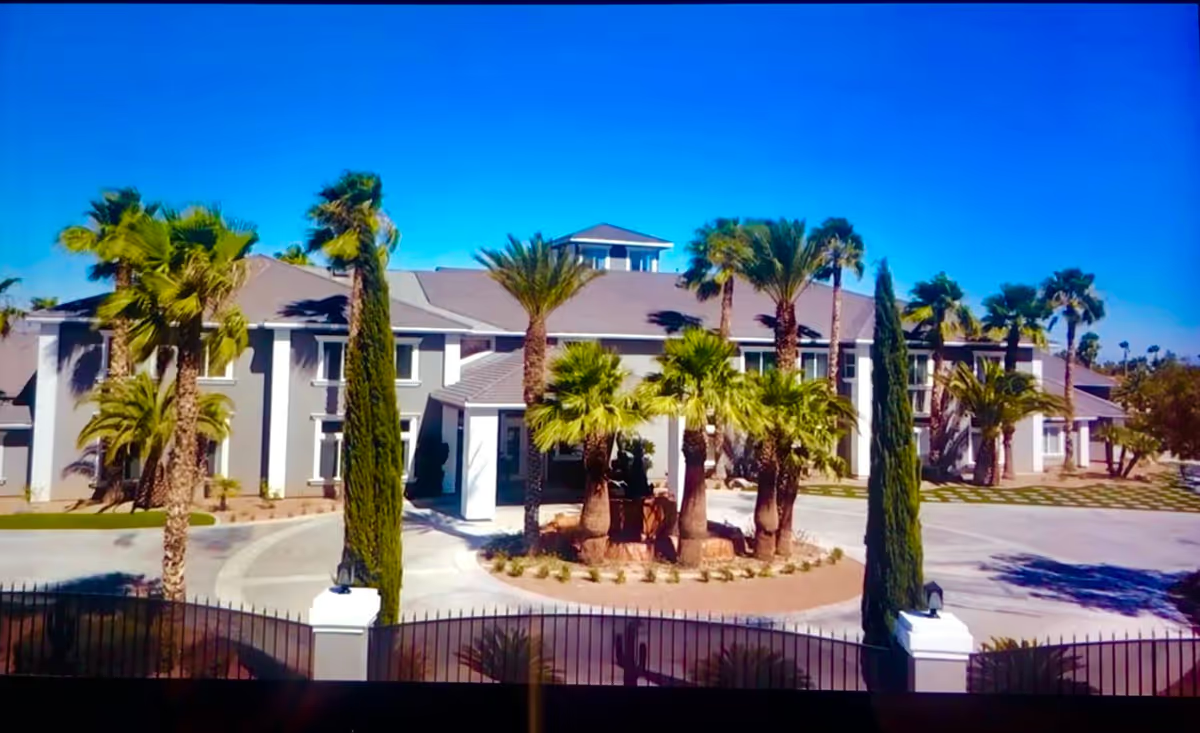
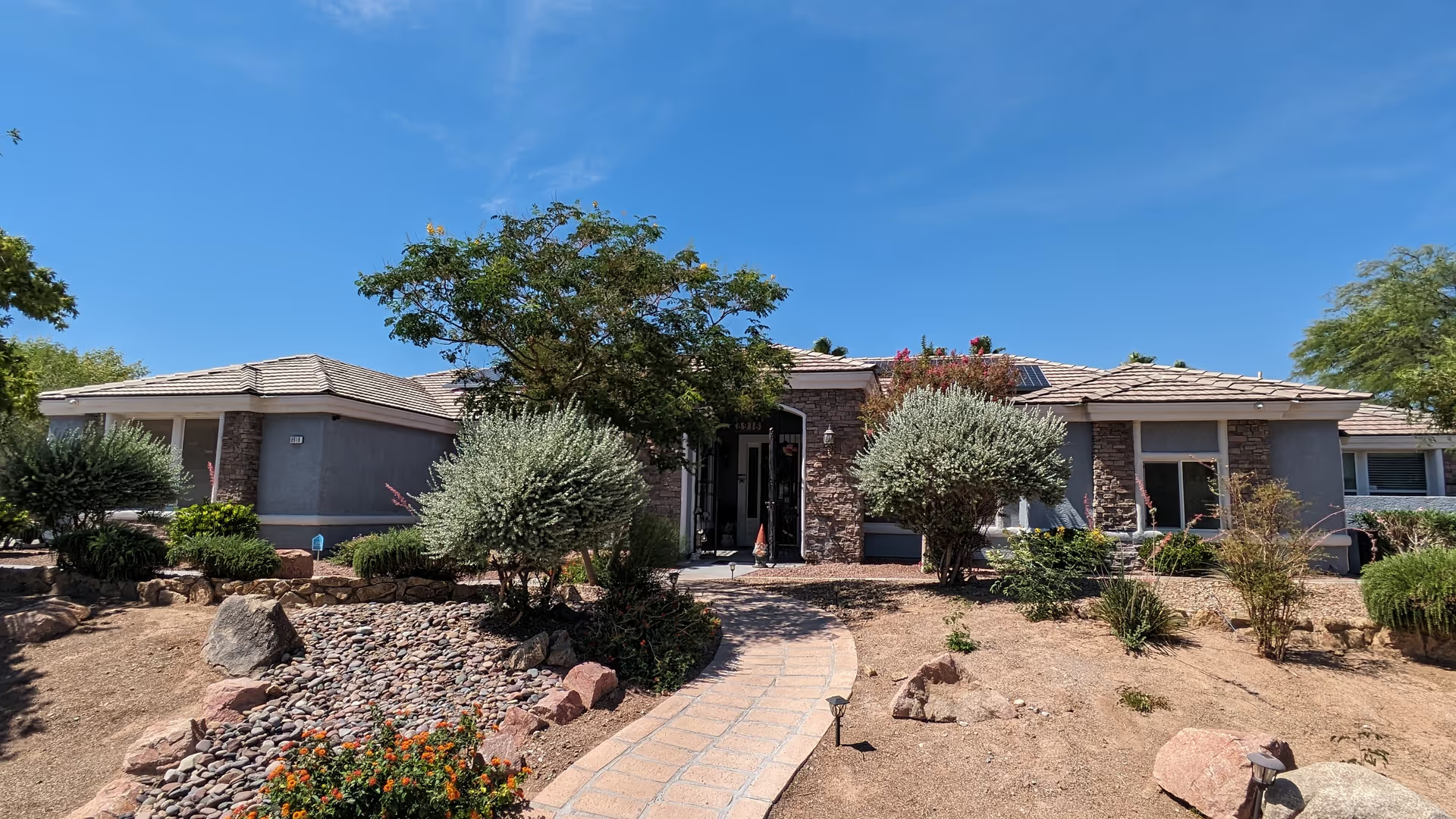
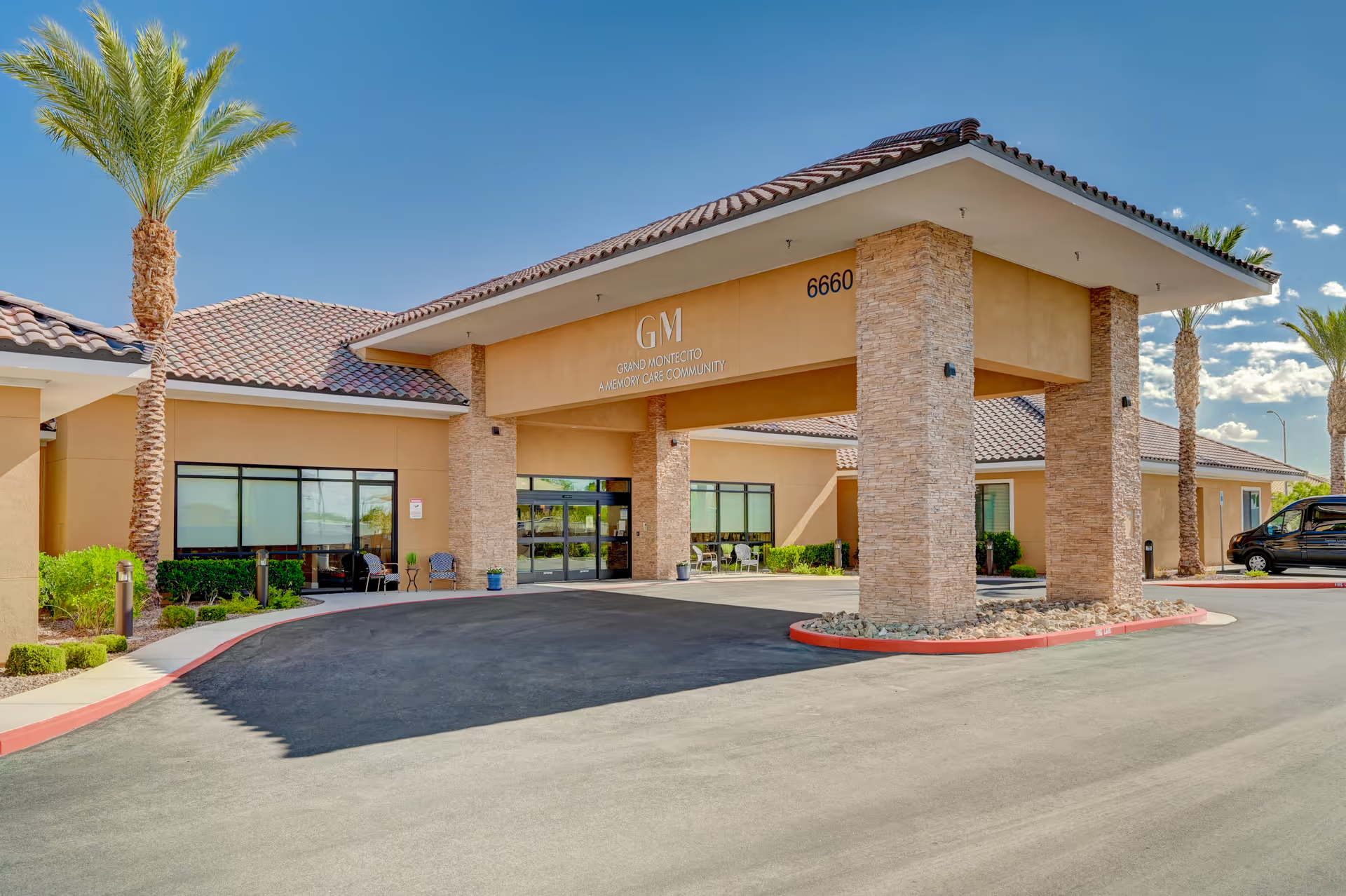
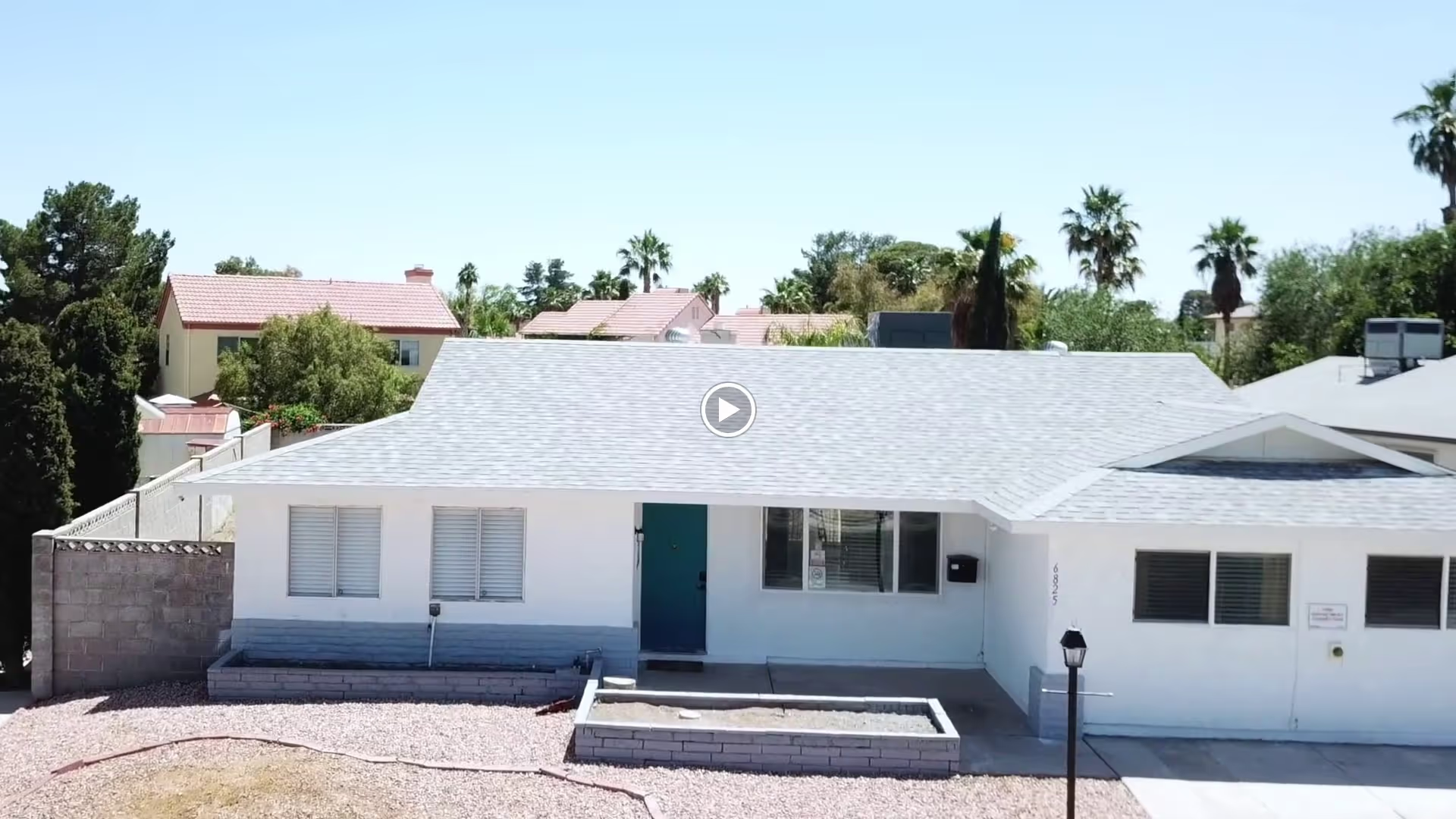
Desert View Senior Living is frequently described as a resident-focused community with consistently praised caregiving staff and strong family communication. Care quality in assisted-living units receives positive mentions for compassionate, attentive staff, proactive family updates, and smooth transitions (including hospice and VA benefits assistance). The community offers on-site clinical supports and doctors-on-call, plus rehabilitation and physical-therapy services, which contribute to families’ confidence in clinical oversight. Memory care is available and often praised for an engaged, patient staff, but several accounts indicate variability in resourcing and execution between assisted living and memory-care units.
Staff performance is the most frequently cited strength: long-tenured, warm, and personalized interactions, quick responsiveness to calls, and a team-oriented approach. Many families note staff learn residents’ names, support activities of daily living (toileting, dressing, medication reminders), and assist with administrative matters such as VA paperwork. At the same time, reviewers describe episodic staffing pressures—short staffing, low caregiver pay, and occasional delays—that can affect task consistency and housekeeping follow-through.
Dining is a prominent feature of Desert View. The facility is described as offering restaurant-style dining with made-to-order options, a breakfast bar, salad/fruit stations, linen table settings in the formal dining room, and generous portions. Many residents and families praise the chef and variety of meal choices; others note occasional dips in quality, mechanical in-room meal service, or limited diabetic-friendly options. Ancillary charges for special services or salon work and periodic rent increases are mentioned as factors that affect perceived value.
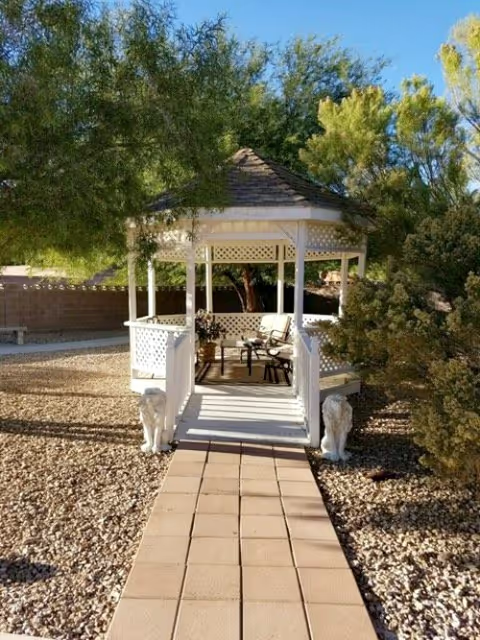
Activities and social programming are broad and well-attended: scheduled exercise classes, bingo, music and entertainment, crafts, outings to shopping centers and casinos, and regular transportation to medical appointments. The campus provides multiple communal spaces (game rooms, theater, library, courtyard) that support a social, family-like atmosphere. A consistent pattern is that programming is robust for ambulatory residents but less accessible to those who are non-ambulatory or have higher-dependency needs.
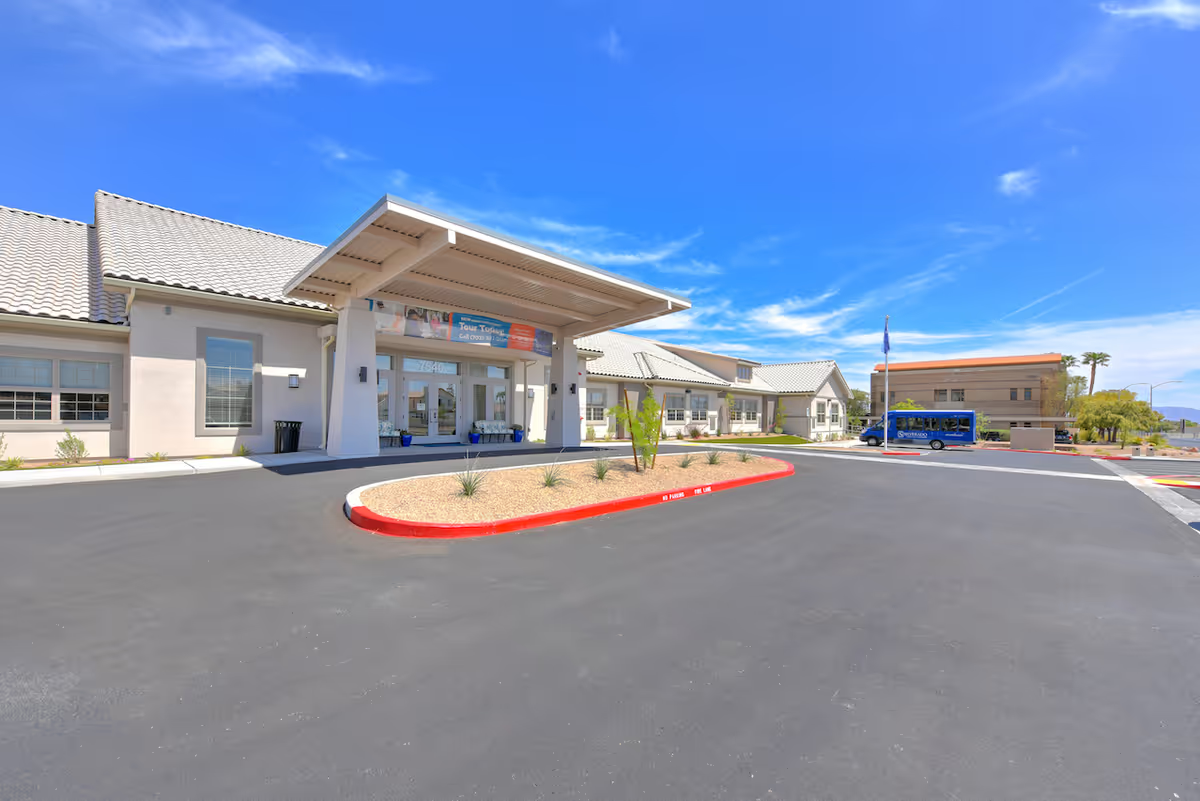
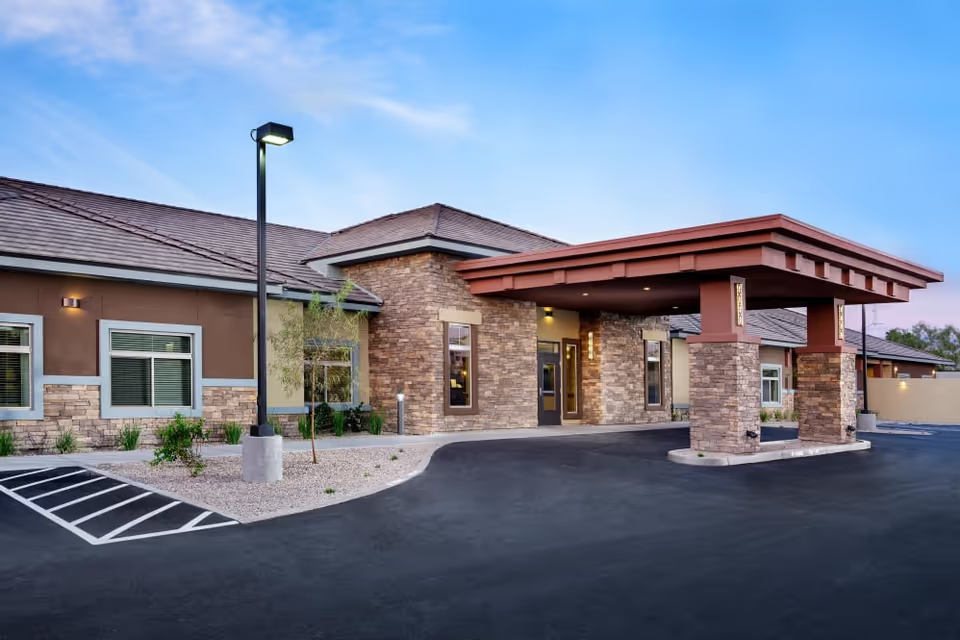
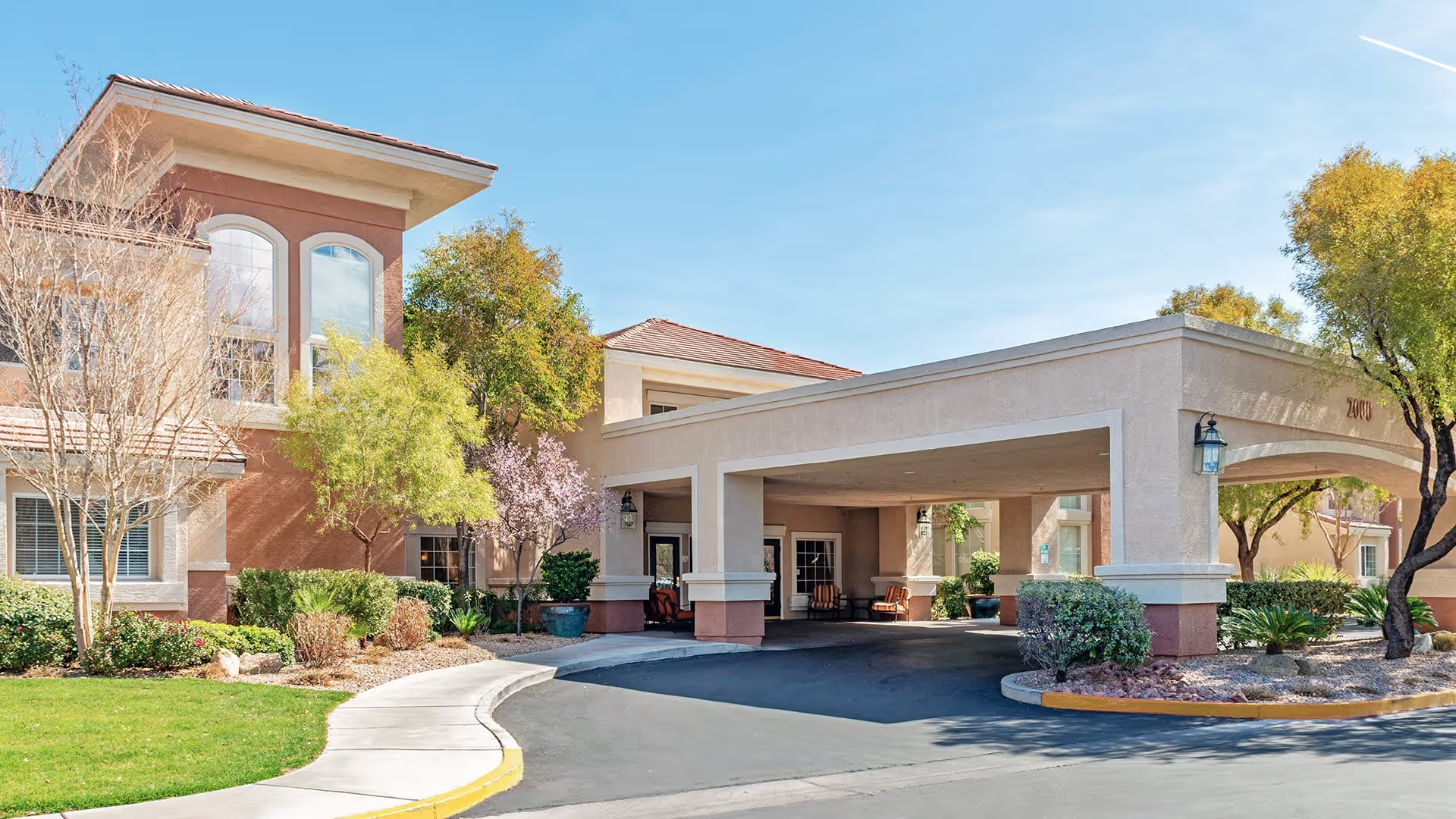
Facility condition and management present a mixed picture. Public areas, dining rooms, and outdoor spaces are often described as clean, welcoming, and hotel-like in décor. At the same time, reviewers note that parts of the building are older and in need of maintenance or updates—carpets, repairs, and occasional plumbing or hot-water issues are cited. Management is generally described as communicative and helpful during admissions and clinical transitions, with specific staff members receiving repeated praise; however, there are intermittent comments about organizational hiccups, sales-focused admissions approach, variability between administrators, and occasional gaps in administrative processes (medication ordering, move-in logistics, or supply communication).
Notable patterns to weigh: consistently strong caregiving culture and family communication, especially around end-of-life and VA support; high marks for dining and social programming for active residents; but recurring operational concerns around staffing consistency, unit-level cleanliness in certain areas (notably some memory-care rooms), facility maintenance, and clarity about extra fees. Prospective residents and families should prioritize an in-person tour that includes memory-care routines, housekeeping expectations, medication-management processes, and a review of the fee schedule to ensure fit with clinical needs and budget.