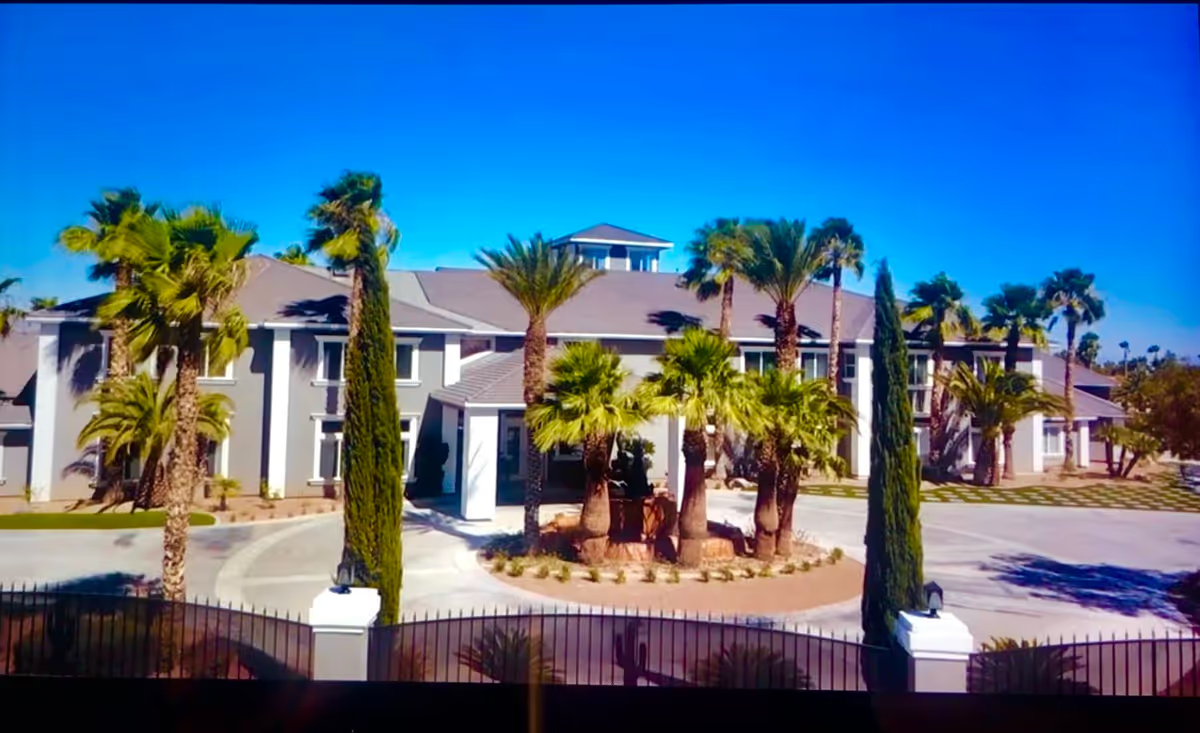
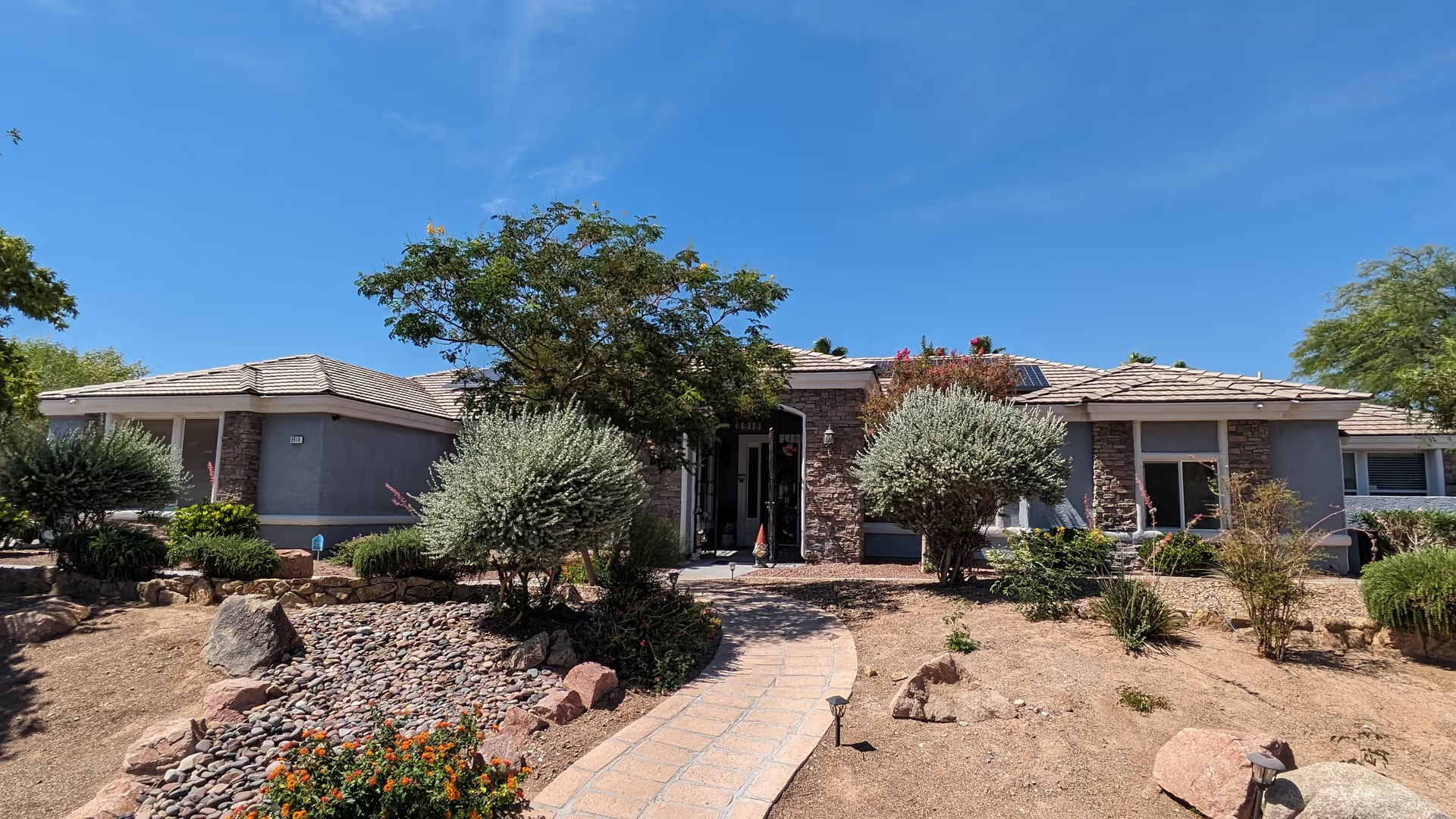
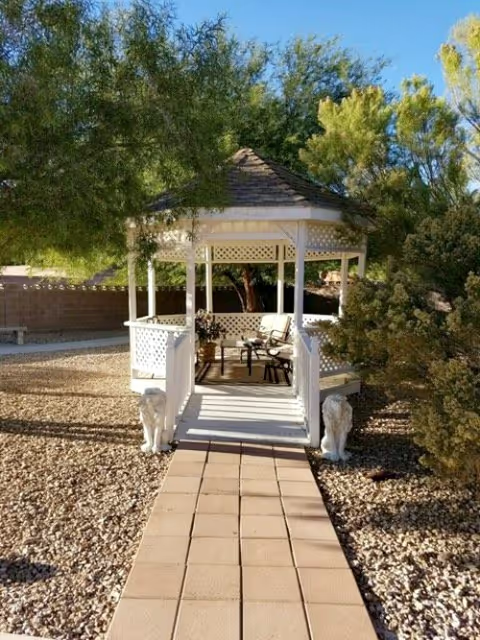
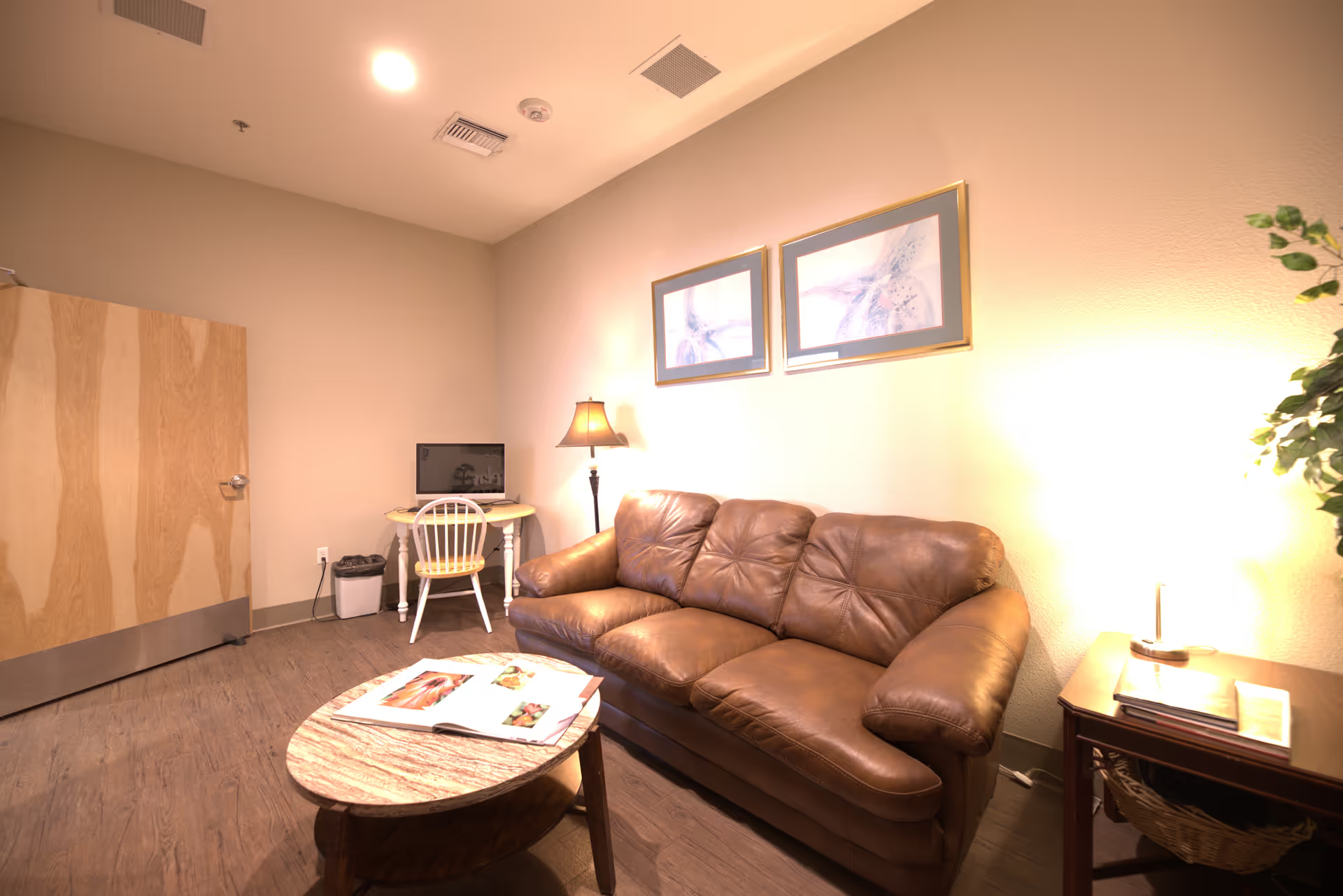
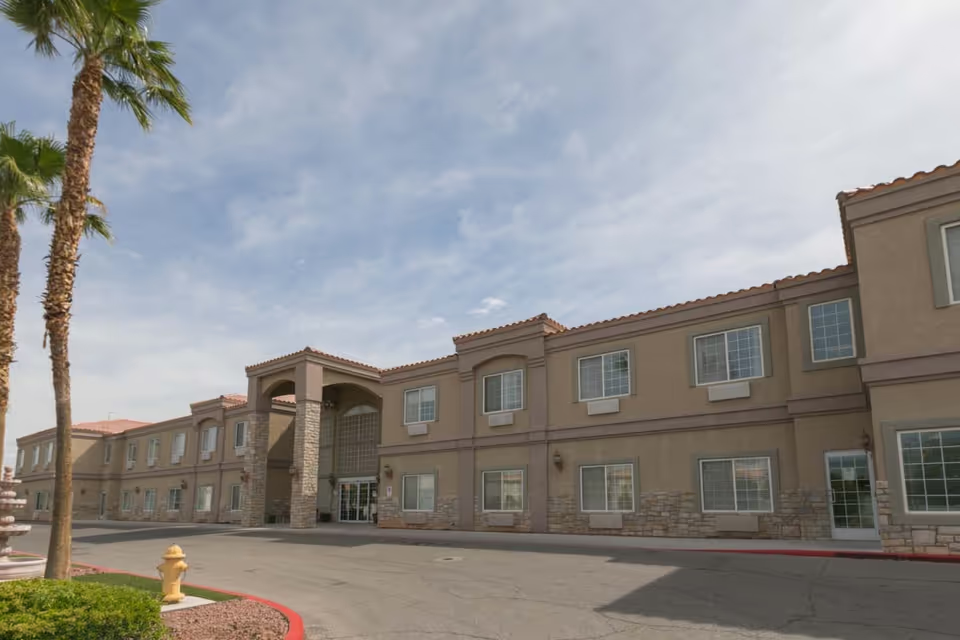
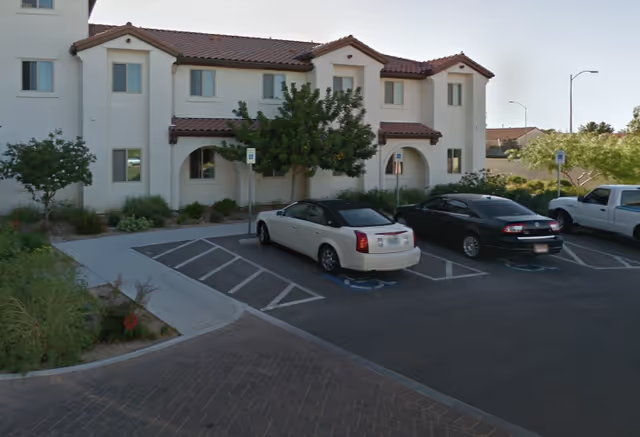
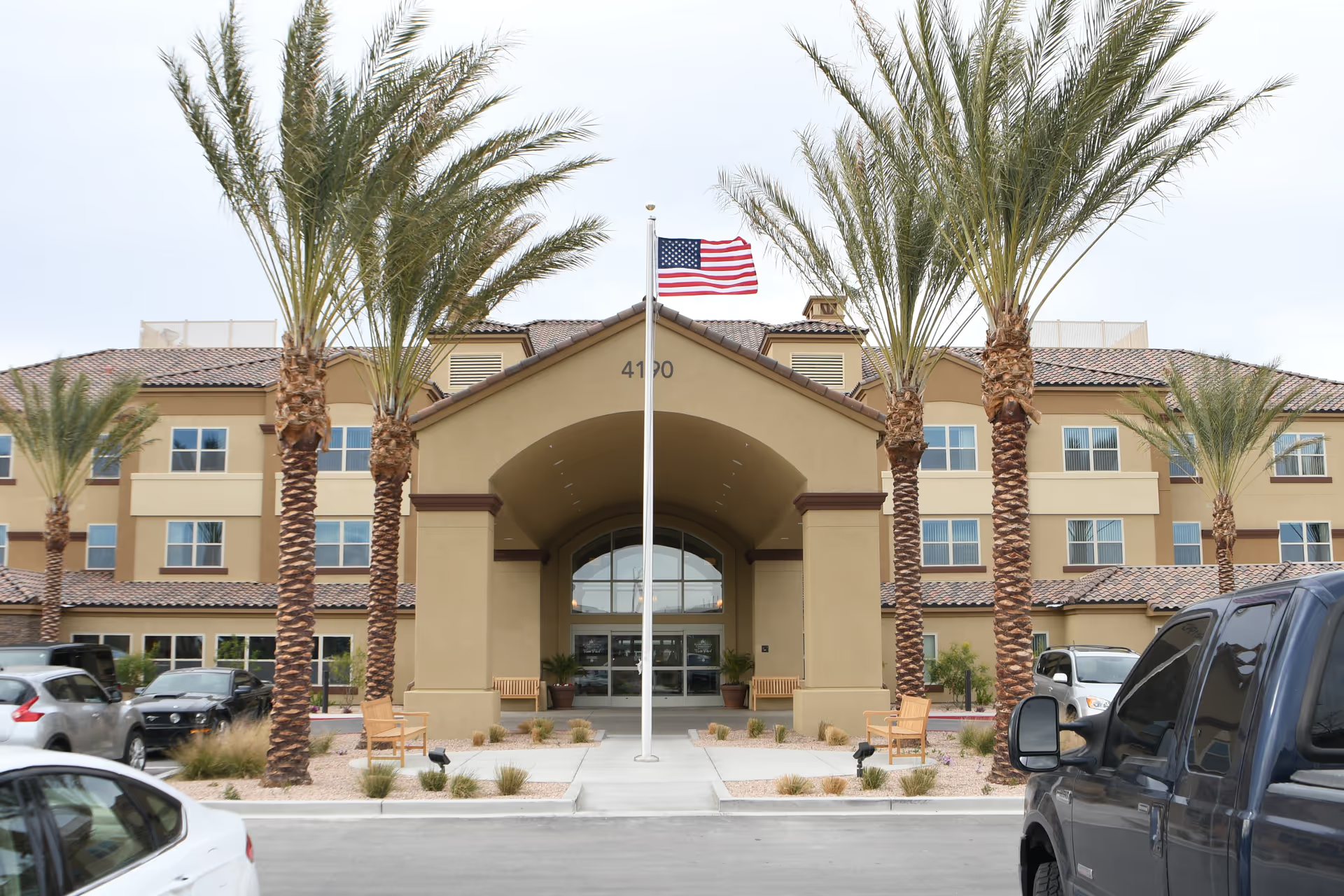
Grand Montecito Memory Care elicits a strongly polarized set of impressions. A substantial portion of families describe a high standard of memory-focused care: sensor monitoring, small household units, individualized care plans, and frequent structured activities (including Montessori/SPARK approaches and physical exercise) are repeatedly cited as strengths. Reviewers who had positive experiences emphasize attentive, compassionate caregivers, a smooth transition process, active family-connection options (video visits, window visits, family parades), and staff members in admissions and concierge roles who are responsive and helpful. The facility's design and amenities — new, modern spaces, courtyard, on-site salon, and social dining — are frequently described as attractive and well-maintained, and some families note effective hospice and therapy support when needed.
At the same time, a notable subset of accounts raises operational concerns that appear to affect resident experience. The most consistent themes are staffing instability and variable staff conduct: reviewers cite high turnover, inconsistent communication tone, and occasions where supervision or transfer-safety practices did not meet expectations. These personnel issues link to other patterns described in the feedback, including inconsistent activity coverage (periods with low participation), gaps in clinical care coordination (infrequent physician visits or unmet clinical orders such as compression stockings), and variable meal-service quality and continuity. Sanitation and odor concerns in some common areas were also mentioned, indicating unevenness in environmental maintenance.
Management and leadership perceptions are mixed. Several families praise specific administrators and clinicians by name, highlighting prompt responses and individualized attention; others describe unmet promises, inconsistent follow-through, and communication problems — including privacy-protocol lapses — that undermined confidence. Cost and atmosphere are additional axes of variability: some reviewers find the pricing reasonable for the facility’s offerings and appreciate the modern aesthetic, while others perceive the environment as too sterile or expensive and note room configurations (shared bathrooms, inconsistent temperature control) that may not suit every resident.
For prospective families: the facility offers many components associated with high-quality memory care (sensor monitoring, programmatic approaches like Montessori/SPARK, active calendars, and individualized plans). However, outcomes appear sensitive to staffing stability and local management practices. Recommended due diligence includes touring at different times of day, observing meal service and activities in action, asking for current staffing ratios and turnover metrics, reviewing clinical coordination processes (physician access, orders implementation), and verifying sanitation/odor control plans and visitation/privacy protocols. These checks will help determine whether the facility’s strong programmatic elements are consistently delivered in a manner that meets an individual resident’s needs.