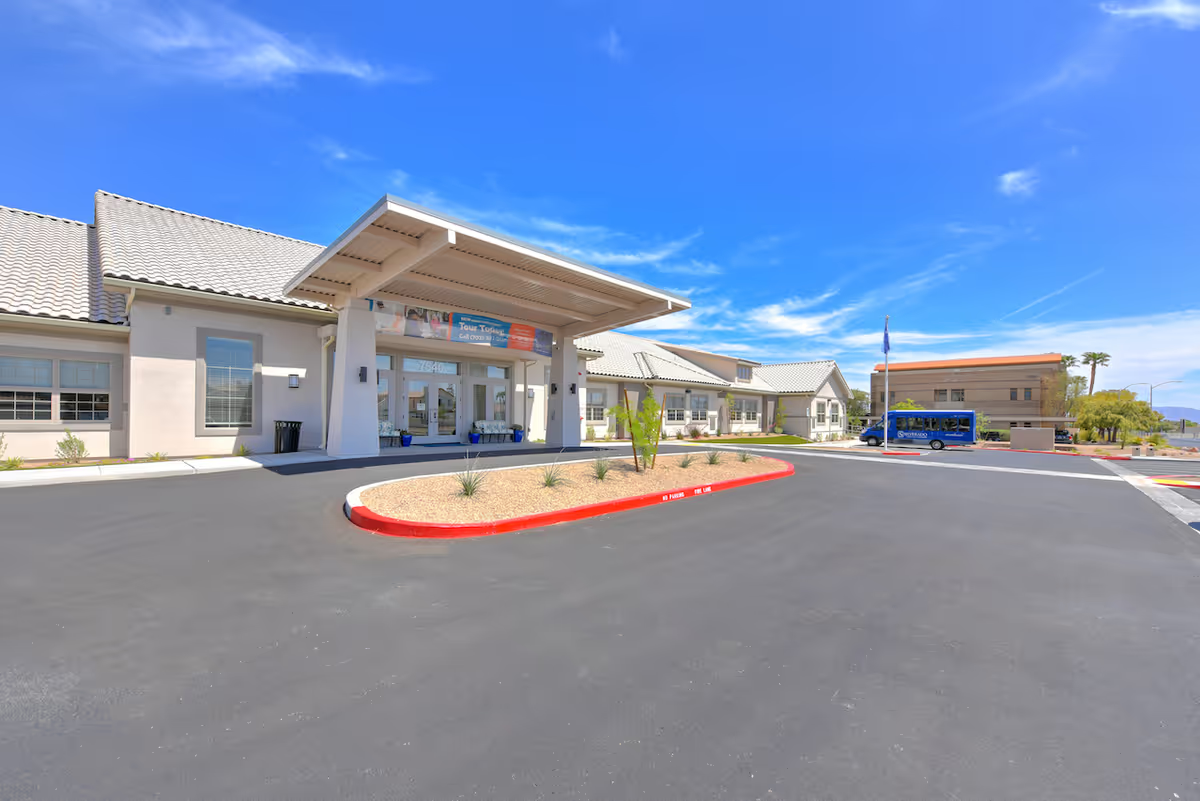
The reviews present a mixed picture of care and operations at Desert Willow Post Acute. Many families and visitors emphasize strong interpersonal strengths: caregivers are frequently described as compassionate, attentive, and willing to go beyond baseline duties. Individual staff members received repeated praise for consistent, personalized attention. Therapy services (physical and occupational therapy) are a clear strength for the facility; several accounts note positive rehabilitation outcomes and an engaged therapy team. Public spaces such as the lobby are described as bright and welcoming, and kitchen staff receive commendations for meal preparation in a number of accounts.
At the facility level there are several recurring operational concerns. Staffing consistency and shift coverage emerge as a primary issue, with multiple descriptions of busy nurses, limited staff on certain shifts, and extended waits for assistance. Linked to staffing are frequent reports of slow or ignored call-button responses and long waits when residents need help. Medication administration and tube-feeding schedules are described as inconsistent in some accounts, indicating gaps in reliable clinical workflow and adherence to care plans. Communication with families and between departments also shows variability: examples include unreturned phone calls, an out-of-service phone line, and delays in administrative processes such as end-of-life documentation.
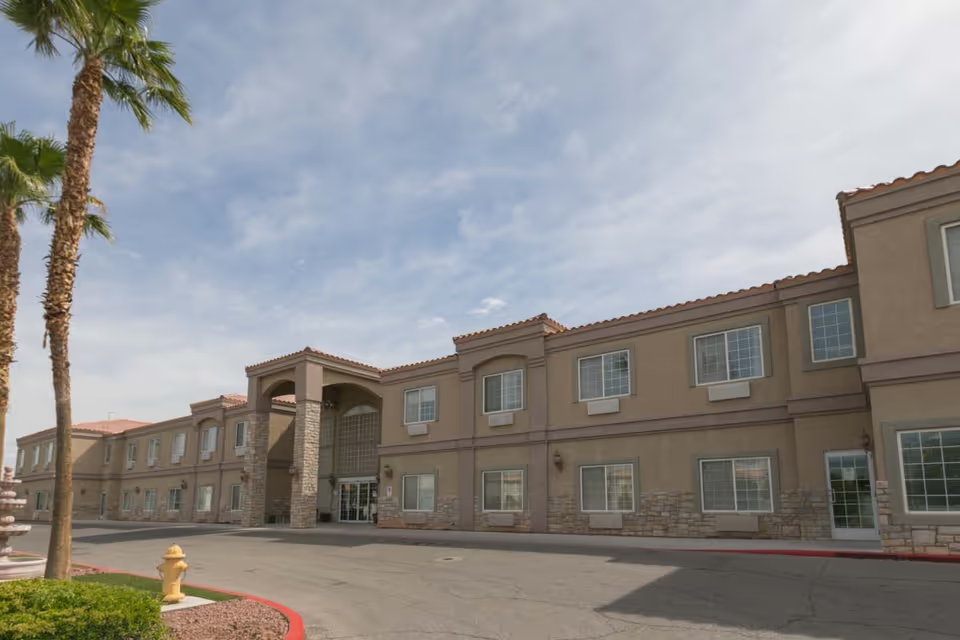
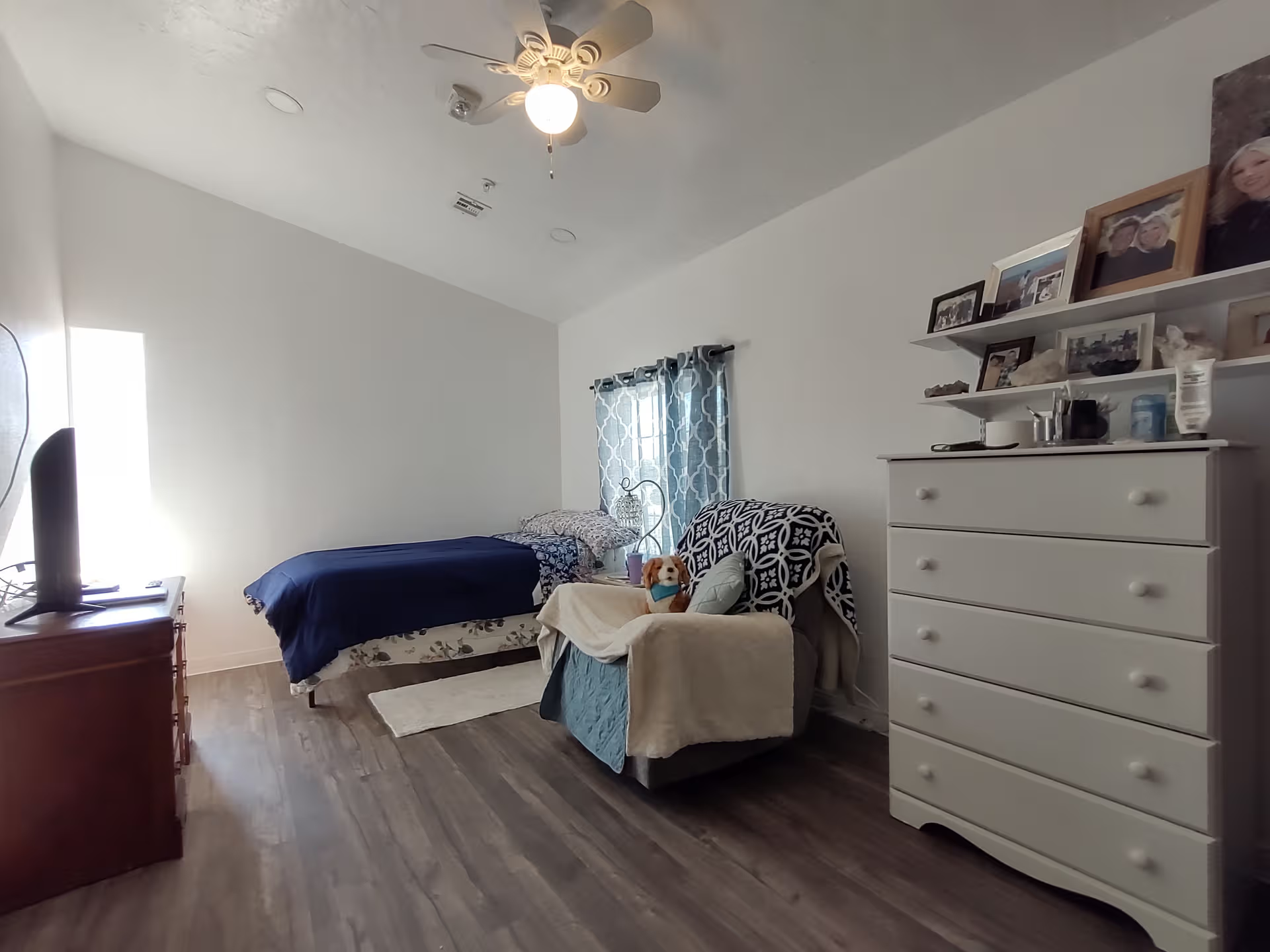
Dining and environmental conditions show mixed signals. While some families praise the food and kitchen staff, others mention cold meals and inconsistent meal service. Facility upkeep appears uneven: reviewers contrast a bright, welcoming lobby and recent renovation work with resident rooms and other areas described as needing maintenance and cleaning attention. There is a serious operational concern around security and property management, including an allegation of theft; this suggests a need to review property-protection protocols and inventory procedures.
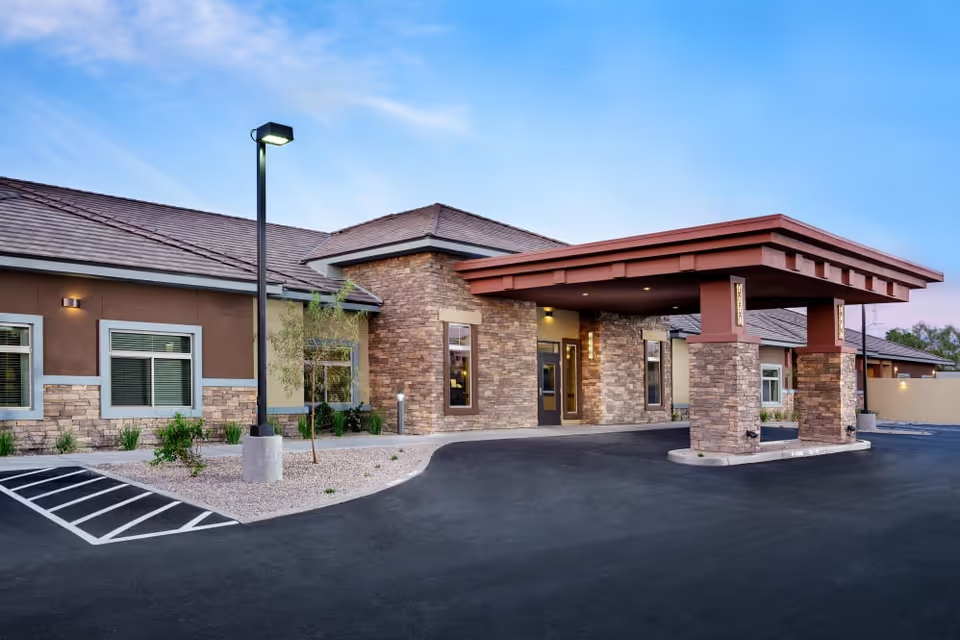
Management and recent changes are a focal point for optimism and critique. Several accounts express hope or approval for new ownership and a stated rehab-focused plan, including visible remodel efforts and more proactive management behavior. At the same time, reviewers cite variable physician oversight and at least one case that raised significant clinical outcome concerns, which points to uneven clinical leadership or physician engagement. Administrative responsiveness—phone systems, paperwork, and family communication pathways—also requires attention to match the strengths observed in frontline caregiving and therapy.
For prospective residents and families: Desert Willow offers notable strengths in individualized caregiver attention and therapy services, and visible renovation and leadership changes suggest ongoing improvement. However, consistent evaluation of staffing levels, response times for assistance, medication- and feeding-schedule adherence, facility maintenance, communication systems, and security practices is advisable. When touring or evaluating placement, ask for current staffing ratios by shift, medication-administration protocols, therapy schedules and outcomes data, recent inspection or maintenance records, property-security measures, and examples of how management has addressed communication and administrative delays.