The reviews present a highly mixed picture of care at this facility: many families and residents praise individual staff members and specific departments, while others describe systemic operational shortcomings that affect clinical safety, comfort, and communication. Positive comments consistently name nursing assistants, admissions personnel, medical-records staff, and certain therapists and drivers as strengths; several reviewers emphasize a welcoming, family-like atmosphere and note improvements in remodeled areas. However, these positives coexist with recurring concerns about how the facility is run and supervised.
Care quality and clinical oversight are notable areas of inconsistency. Multiple accounts describe limited or infrequent physician presence, delays in assessments, and problems with medication administration and documentation. There are also concerns about infection-prevention practices and catheter care, and some families described delayed antibiotic treatment or misinterpreted diagnostic results. Together these points suggest gaps in clinical oversight, escalation pathways, and handoff communication between nursing, physicians, and families.
Staffing and staff conduct present a bifurcated pattern: many reviewers singled out compassionate, skilled CNAs, nurses, therapists, and drivers by name and credited them with providing attentive care. At the same time, other accounts describe slow call‑light responses, inattentive or dismissive interactions, inconsistent coverage across shifts, and a perception of favoritism. This variability implies uneven training, morale, or supervisory consistency rather than a uniformly poor or uniformly excellent workforce.
Dining, activities, and daily living routines are additional areas of concern. Several reviews describe poor meal quality, occasional spoiled items, and limited activity programming. Routine personal-care practices were described as irregular in some accounts, including bathing schedules, availability of basic supplies, and incontinence-care processes. These operational weaknesses affect resident comfort and dignity and point to supply‑chain, scheduling, or staffing allocation issues.
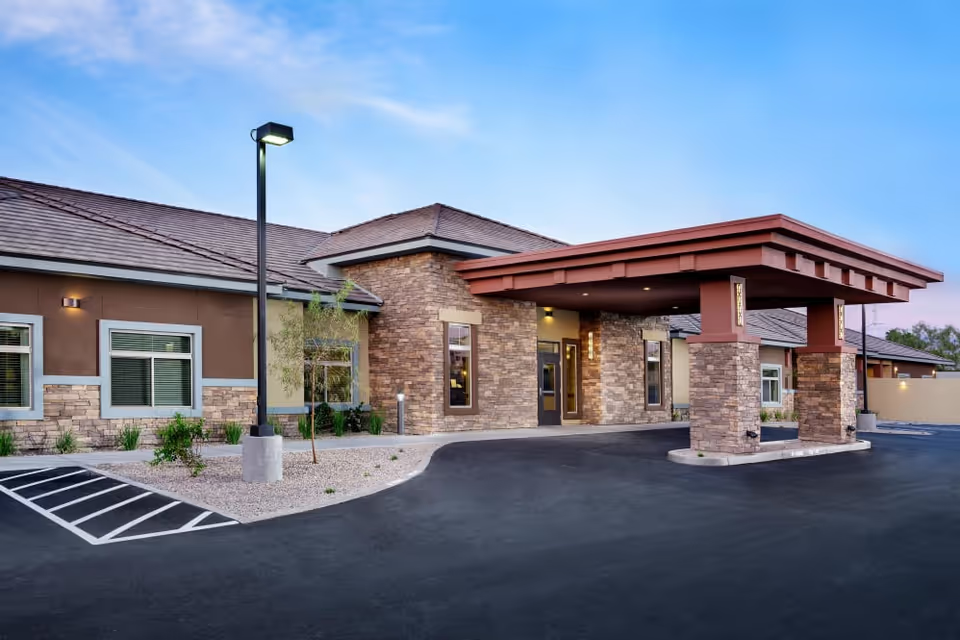
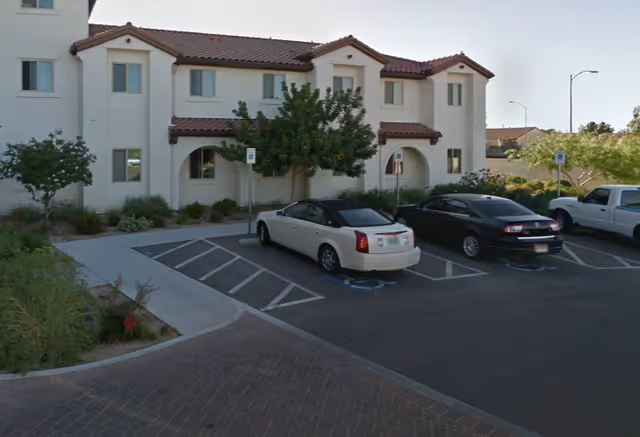
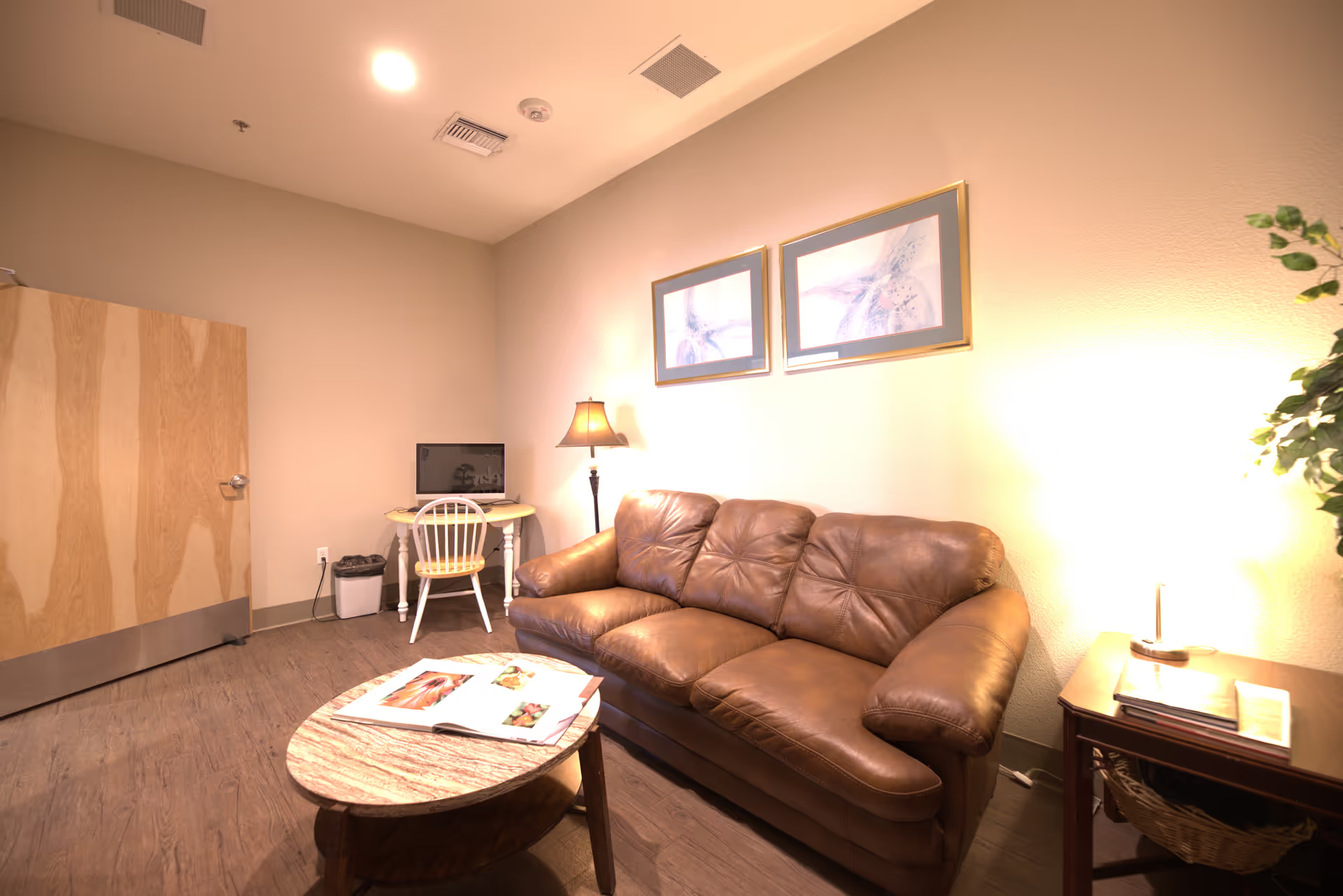
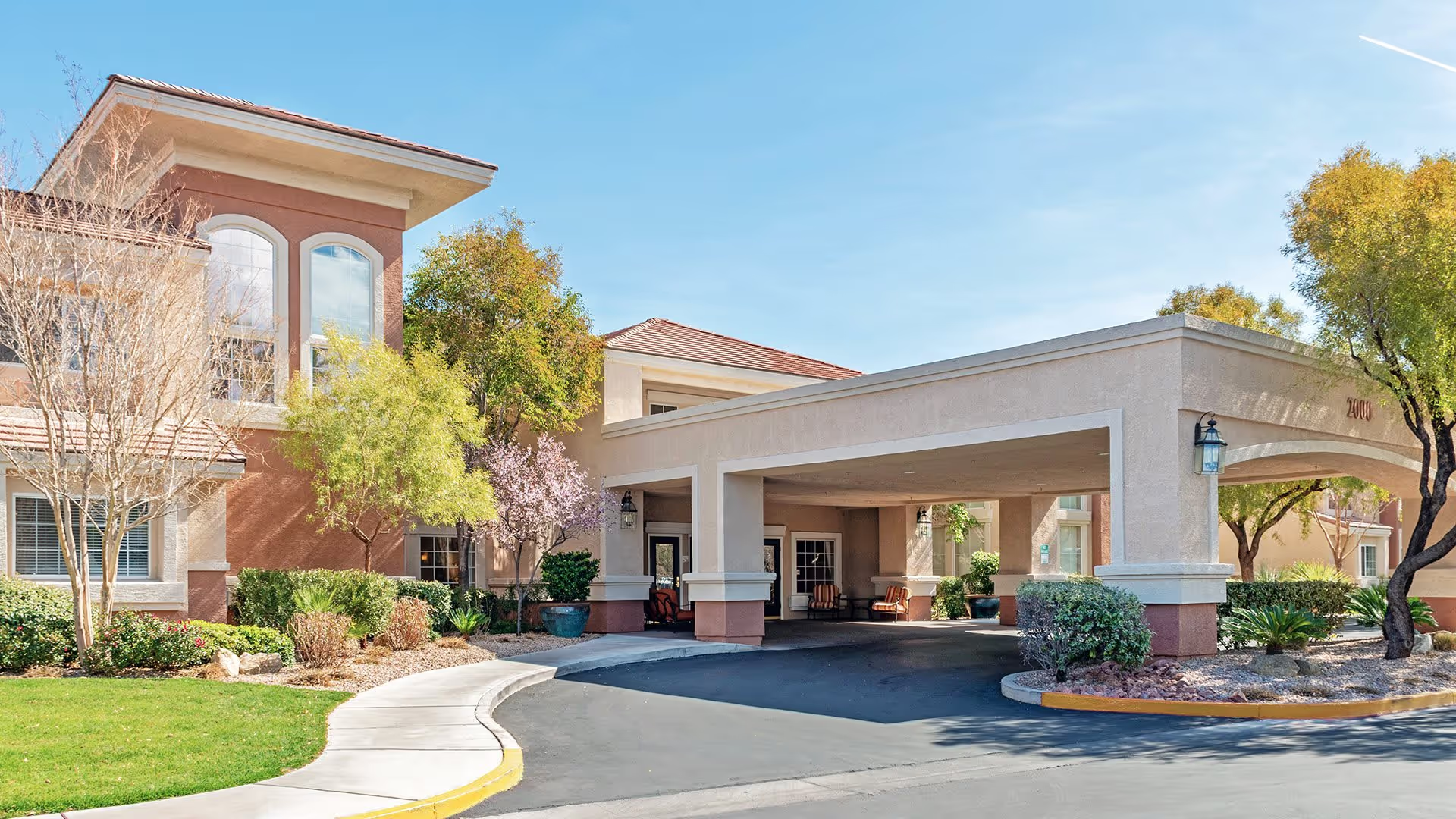
Facility condition and privacy issues are mixed. Reviewers noted both newly remodeled, attractive areas and older, poorly maintained sections. Specific operational problems included nonfunctioning equipment, uncomfortable mattresses, inconsistent climate control, and limited privacy in shared rooms where curtains or thin partitions are relied upon. Sanitation and housekeeping practices were raised as concerns in several narratives, indicating variability in cleaning protocols and supply availability.
Management, communication, and accountability emerge as central themes. Families described problems with timely updates, care coordination, discharge pressure, and occasional administrative unresponsiveness. There are also allegations that reached the level of regulatory attention; an Ombudsman's investigation was referenced in reviews, which suggests some complaints escalated beyond internal resolution. Conversely, other reviewers praised particular administrators and department heads for strong leadership, illustrating uneven management performance across time or units.
Overall, the pattern is of a facility with clear staff-level strengths and several operational vulnerabilities. Prospective residents and families should weigh the positive reports about individual caregivers and certain renovated areas against consistent operational issues: variable clinical oversight, communication gaps, inconsistent housekeeping and personal-care routines, meal-quality problems, and maintenance concerns. If considering this facility, families may want to ask about physician coverage, medication‑management protocols, infection-prevention procedures, staffing ratios by shift, specific housekeeping/incontinence supplies and disposal processes, and the facility’s process for handling complaints and external investigations.