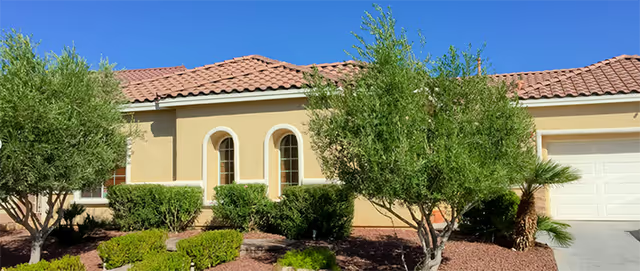
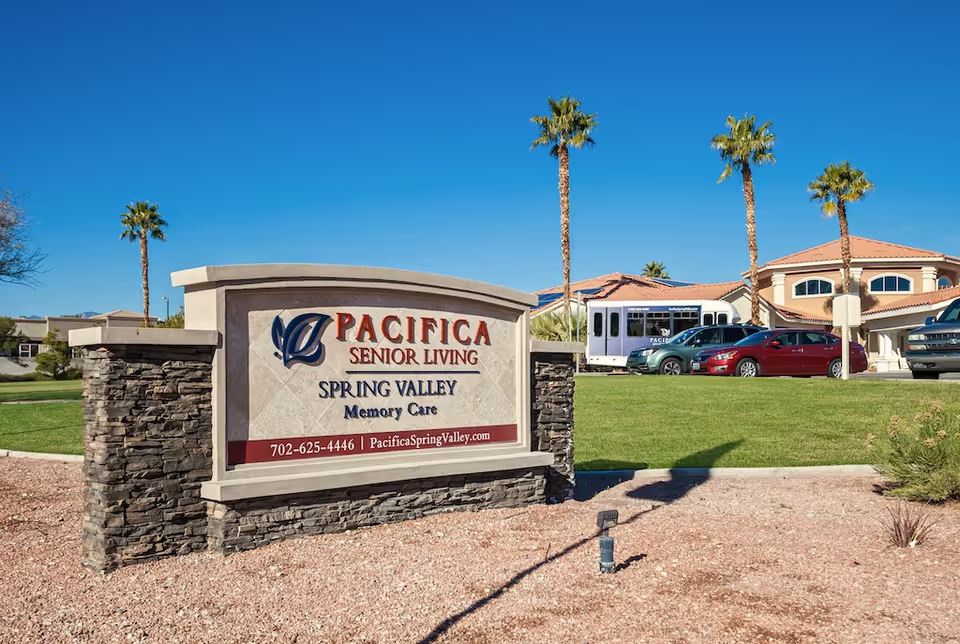
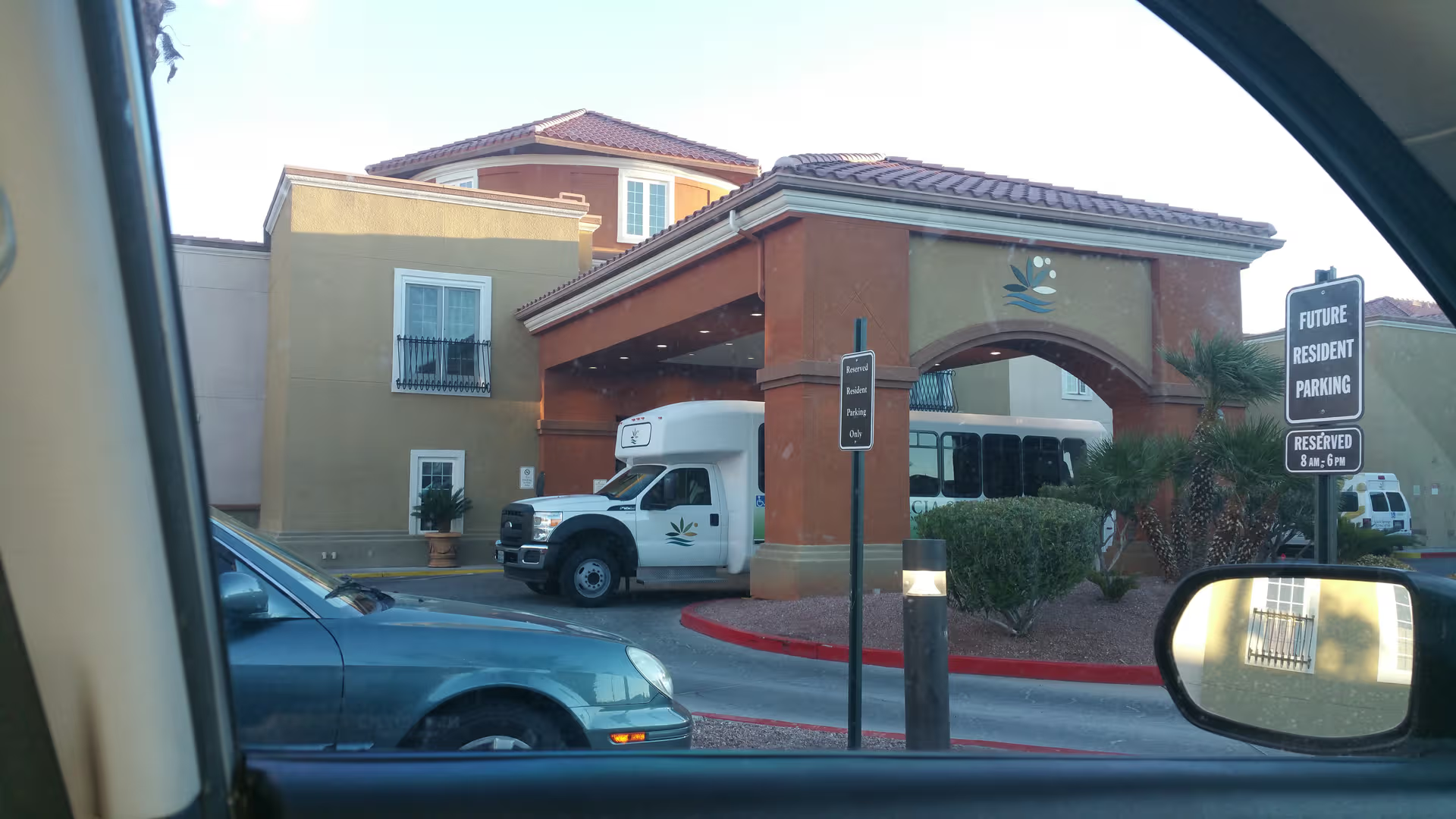
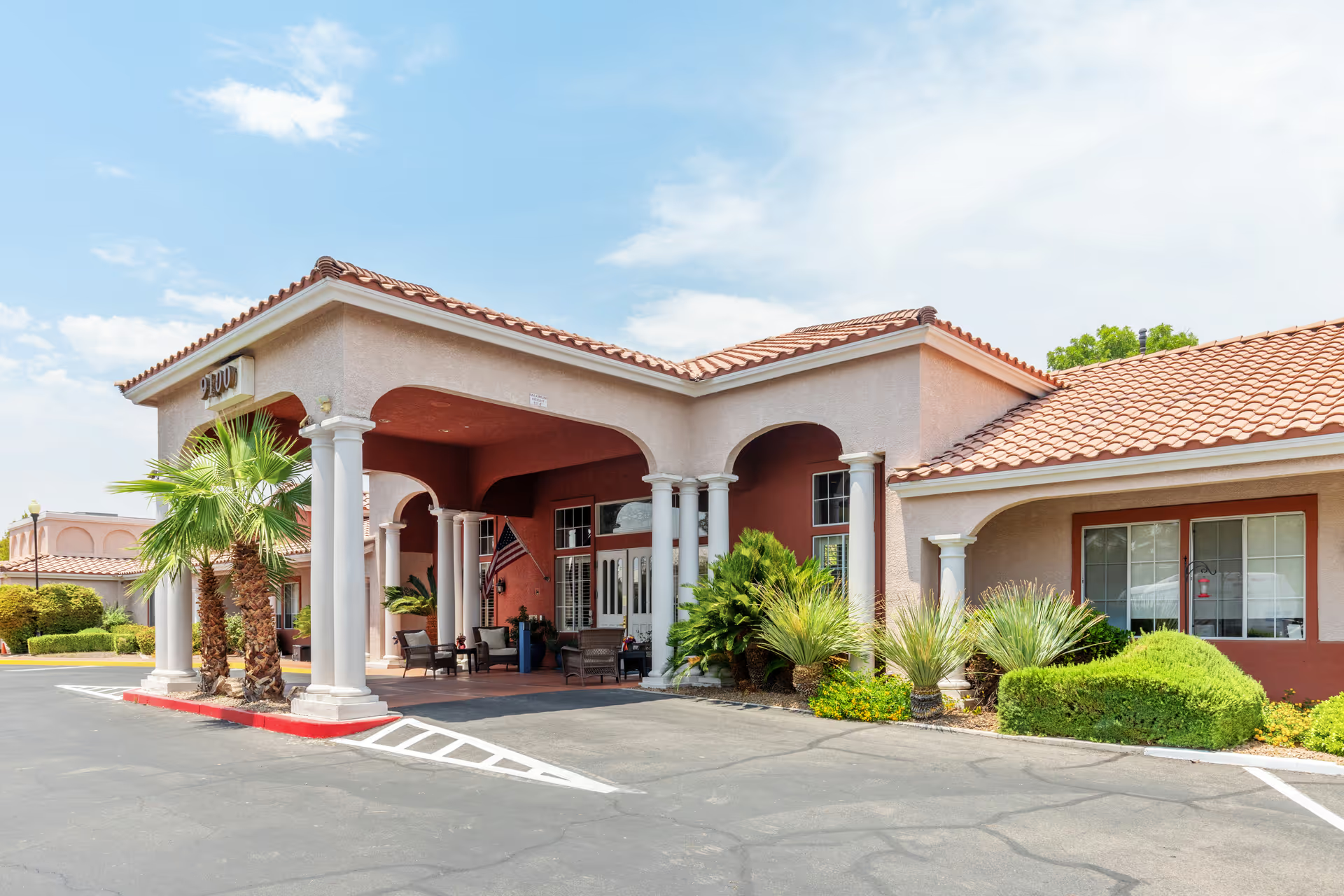
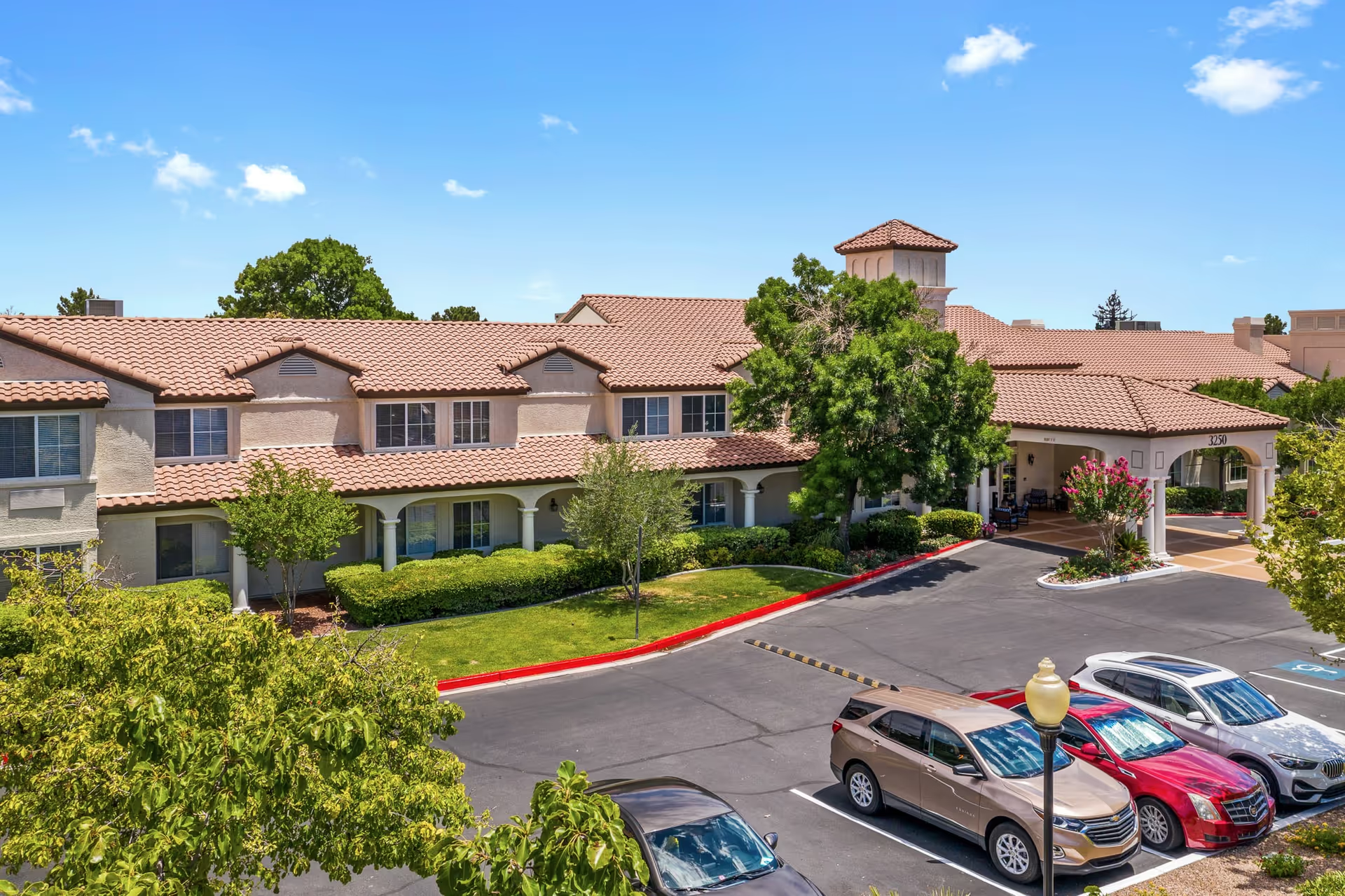
Legacy House of Southern Hills receives frequent praise for its staff, physical environment, and social offerings while also exhibiting several operational weaknesses families should weigh. Many families describe caregiving staff as compassionate, attentive, and familiar with residents by name; tour experiences and move-in coordination are often highlighted as helpful. The building itself is repeatedly noted as clean, modern, and well maintained, with spacious, accessible apartments, wide hallways, and attractive grounds and courtyard. Housekeeping, maintenance responsiveness, and an on-site restaurant with a weekly menu contribute to a generally positive campus feel and a frequent sense of security and comfort for residents and families.
Clinical care impressions are mixed. Reviewers commonly cite prompt medical attention and the availability of hospice support, and many families felt reassured by the staff’s attentiveness. However, there are operational concerns around medication management and documentation practices: families described gaps in incident documentation, unclear communication after clinical events, and questions about medication oversight. Several comments indicate the community may not be well suited to residents with very high dependency or advanced memory-care needs, and there are suggestions that fall-prevention and related clinical-safety practices could be strengthened.
Dining and activities are strengths for many residents but variable in quality. The in-house dining room, servers, and weekly menu receive repeated commendation; some residents and families described meals as very good or excellent. Others called the food average and asked for a wider variety or more live entertainment. The activities program offers a broad calendar (fitness classes, arts and crafts, Happy Hours, Yappy/Yappy Hour, Sit & Fit), and staff engagement around programming is often praised. That said, activity availability has fluctuated—both because of pandemic-related limitations and because memory-care-specific programming was described as limited in some accounts.
Operational and management themes recur in the feedback. Several families noted inconsistent staffing levels, caregiver turnover, and periods when call-response times slowed. Billing and pricing were described as unclear or inconsistent by some. Leadership impressions vary: some reviewers praised new leadership and improved warmth and service, while others reported management instability or questioned oversight; there is also an allegation that management attempted to suppress family feedback. Laundry and linen-management processes were singled out as an area needing improvement in a subset of accounts, framed as sanitation and linen-handling concerns rather than isolated incidents.
Overall, Legacy House of Southern Hills presents as a well-appointed, community-oriented senior living option with many strengths in staff rapport, facility quality, and social programming. Prospective residents and families seeking a comfortable, social environment with responsive staff may find it a good fit. Families with residents who require higher-acuity clinical care or highly structured memory-care programming should ask specific questions about staffing ratios, documentation practices, medication oversight, fall-prevention protocols, laundry/linen processes, and billing transparency during tours and decision-making conversations.