Overall impressions of Mission Pines Nursing & Rehabilitation Center are mixed. Many families and visitors describe genuinely positive experiences: compassionate nursing staff, skilled RN and CNA support, a clean and modern-feeling facility in common areas, robust activity programming (including holiday and spiritual events), and instances of responsive administration. These strengths are associated with residents who appear engaged, activities that promote socialization, and families who say they have peace of mind when communication and care coordination are functioning well.
Care quality and staffing show a divided picture. Positive accounts emphasize attentive, professional nurses and aides who encourage social engagement and provide individualized attention. Counterbalancing those accounts are numerous descriptions of inconsistent staff conduct and communication tone, delays in clinical responsiveness, and lapses in medication or appointment coordination. Staffing stability appears to be an operational challenge; turnover and reported staffing gaps correlate with delayed responses and variability in day-to-day care.
Dining and dietary management earn both praise and criticism. Several reviewers note nutritious, appealing meals and celebratory events tied to food service. However, there are also clear concerns about food handling practices, meal timing and temperature, and inconsistent adherence to residents' dietary restrictions. These operational inconsistencies suggest the need for clearer dietary protocols and stronger oversight of meal-service execution.
Activities and community life are among the stronger, consistently positive areas. Reviewers describe active programming, holiday celebrations, spiritual services, and staff who foster resident engagement and fellowship. These elements contribute to a more home-like atmosphere for many residents and are frequently highlighted as meaningful aspects of daily life at the facility.
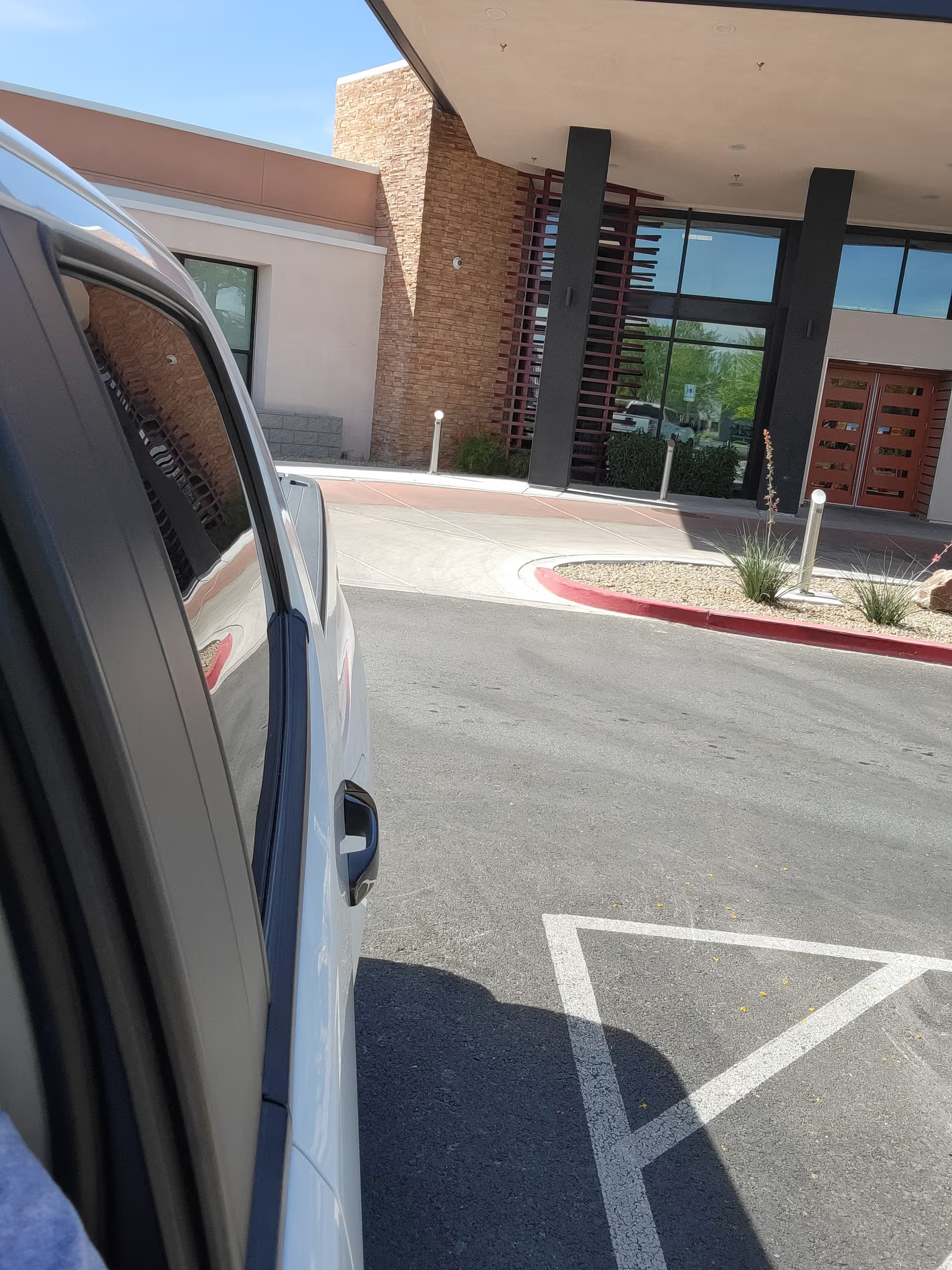
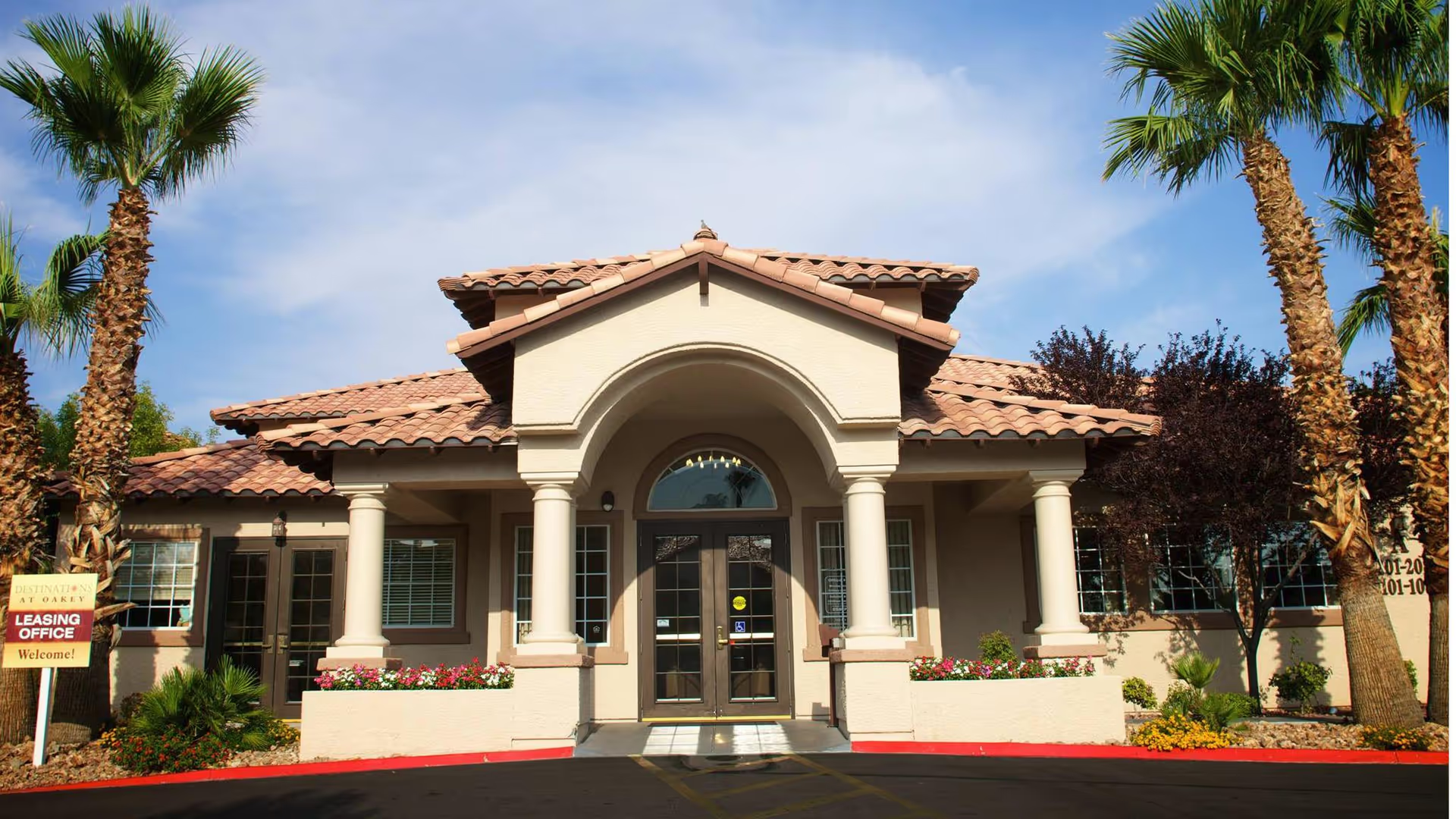
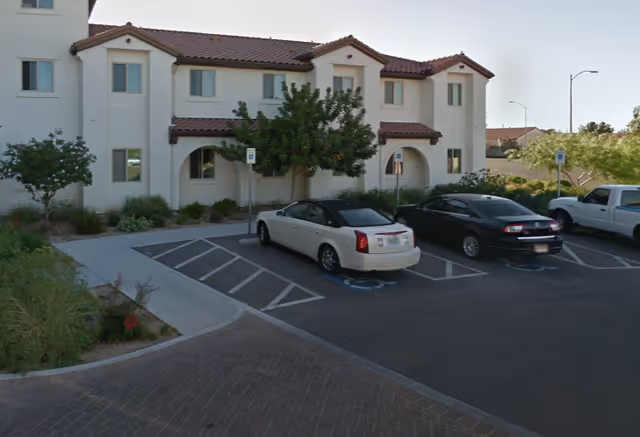
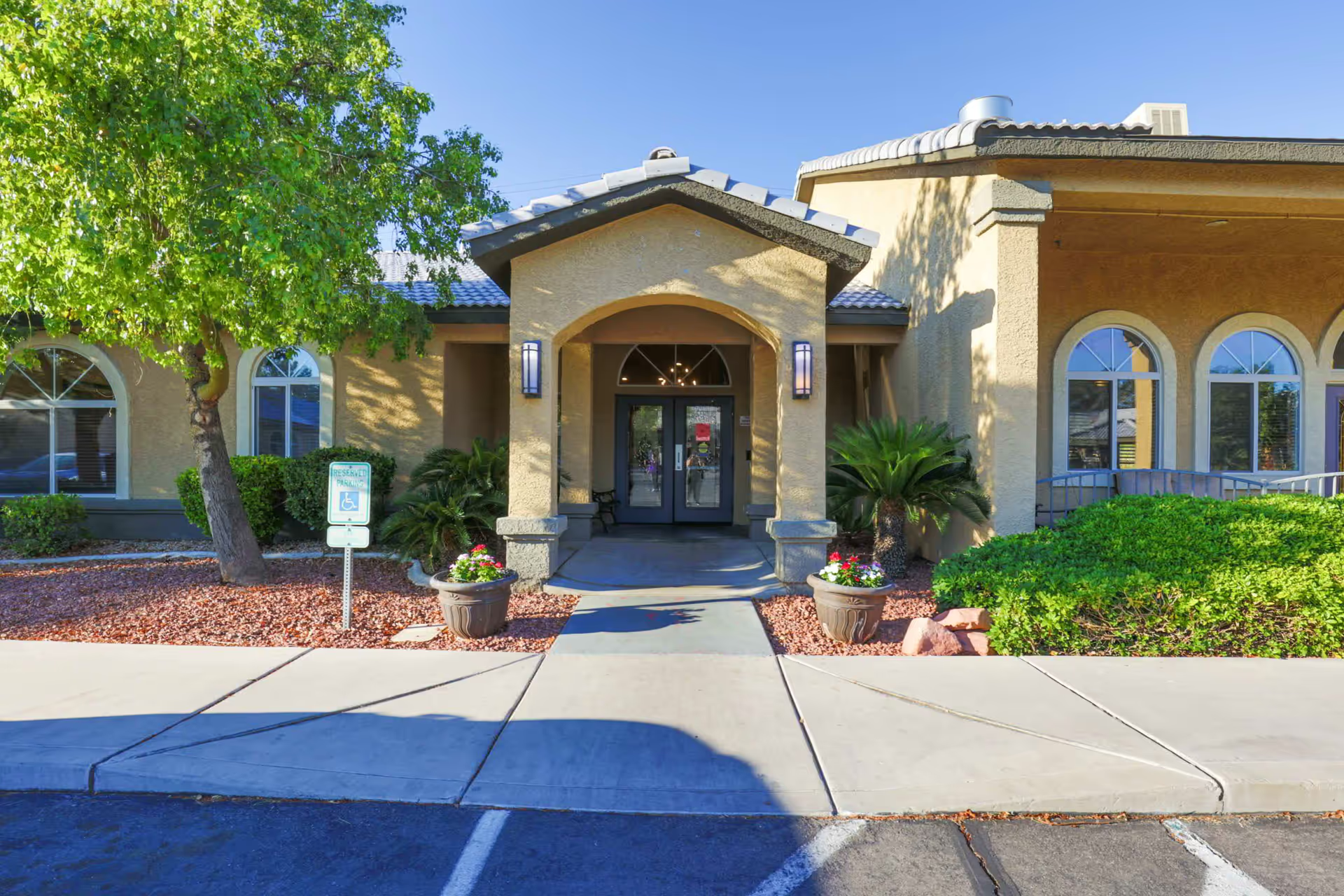
Facility condition and maintenance are reported unevenly. Some reviewers describe clean, well-kept spaces and modern common areas; others raise sanitation concerns, pest-control issues, storage and drainage problems, and infrastructure wear (parking, HVAC, older resident equipment). These inconsistencies indicate that physical maintenance and environmental controls may vary by unit or over time, and that routine environmental monitoring could be beneficial.
Management and administration receive mixed evaluations. Positive reports describe responsive leadership that addresses concerns and communicates with families. Contrasting reports document communication breakdowns including delayed or absent guardian notifications, failure to supply required paperwork, and inconsistent enforcement of visitation and admission policies. There are also serious individual claims that rise to the level of alleged financial exploitation and theft; these are distinct, high-severity concerns that warrant specific inquiry by families and, where appropriate, reporting to oversight authorities.
Notable patterns for prospective residents and families: the facility demonstrates clear strengths in compassionate caregiving, social programming, and areas of clinical skill when staffing and leadership engagement are functioning well. At the same time, there are recurring operational weaknesses — sanitation and pest-control management, variability in staff conduct, meal-service and dietary-adherence gaps, property maintenance issues, and inconsistent administrative communication — that families should evaluate directly. Recommended actions before placement include touring multiple care areas at different times of day, asking to review dietary and medication-administration protocols, clarifying guardian-notification procedures, inquiring about pest-control and maintenance schedules, and obtaining written assurances about financial safeguards and property-protection practices.