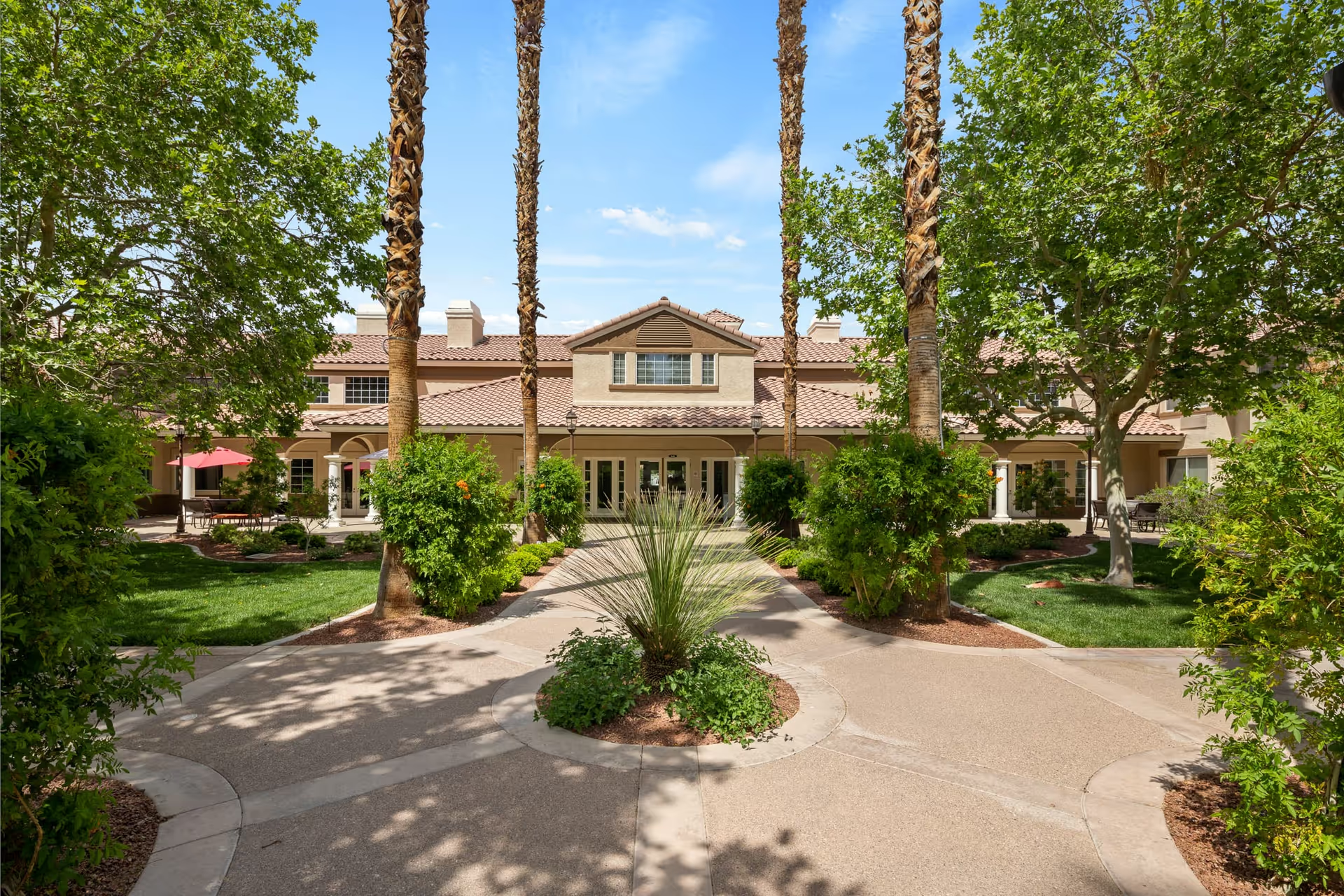
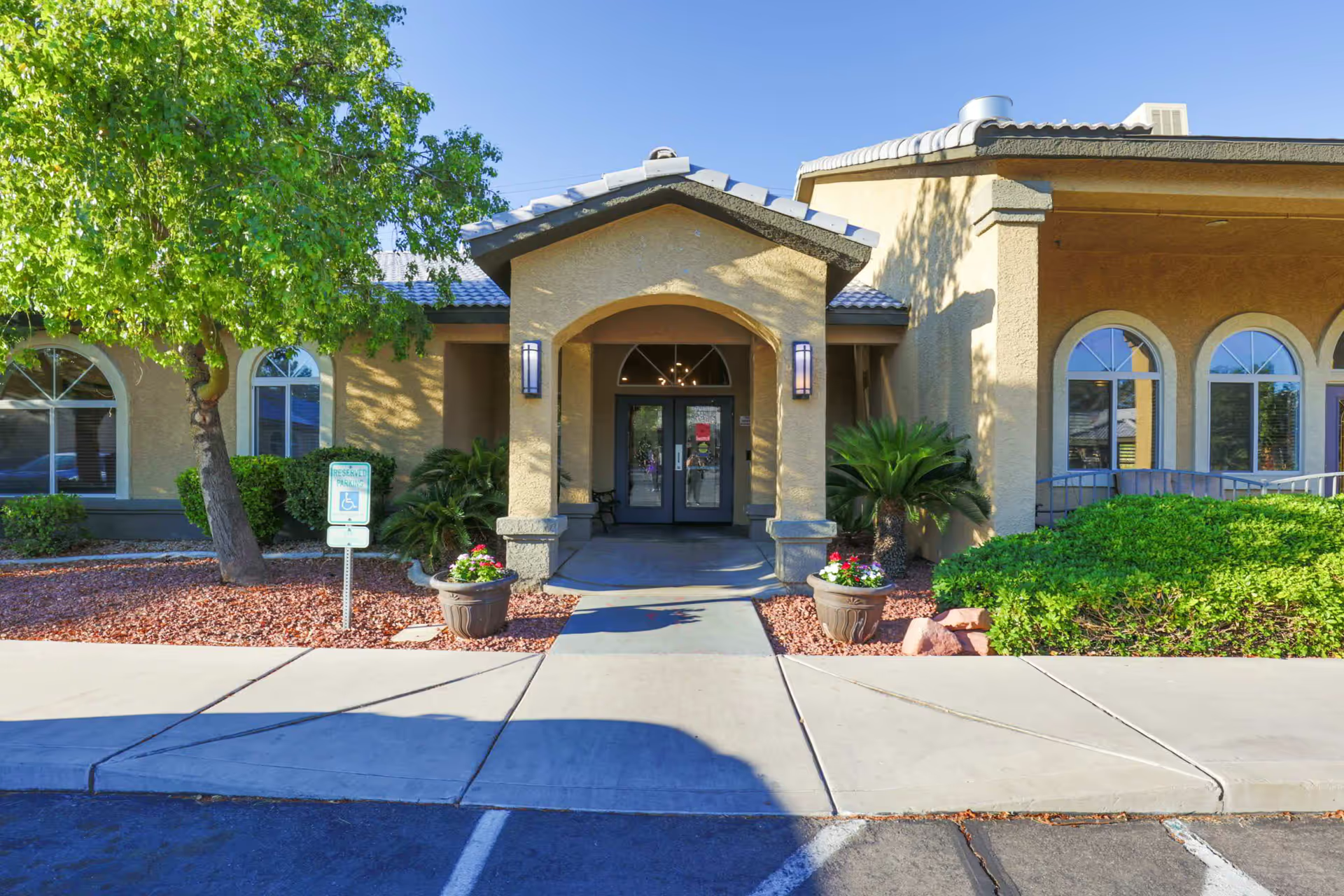
Overall impression: The Bridge at Paradise Valley presents as a generally well-kept, apartment-style senior living community with a strong emphasis on hospitality and social engagement. Many families praise the facility's cleanliness, comfortable apartments, and atmosphere that residents and staff describe as warm and family-like. The community offers housekeeping, linen service, medication assistance, and regular transportation and outings, which many residents find convenient and supportive of independent living.
Care and staff: Caregivers and frontline staff receive frequent positive comments for being compassionate, attentive, and familiar with residents by name. Multiple accounts highlight timely maintenance responses and visible caregiving presence, as well as dedicated managers and an executive director who is accessible to families. At the same time, recurring operational patterns point to inconsistent staffing levels and coverage, which manifests as longer wait times for assistance and variable supervisory presence. There are also reports indicating variability in clinical capabilities — for example, limitations managing more complex medical needs such as advanced diabetic care — and concerns about medication-management processes that prospective families should review in detail.
Dining and nutrition: The dining program has notable strengths: an executive chef, fine-dining events, varied menus, and staff praised for presentation and hospitality. However, reviewers also describe variability in day-to-day meal quality, reliance on processed items at times, and limited fresh or low-sodium options for residents with specific dietary requirements. There are occasional stock or accommodation issues; families should ask about menu rotation, special-diet protocols, and substitution policies during a tour.
Activities and social life: The community offers an active calendar with games, outings, live entertainment, and inclusive programming that many residents enjoy. Activity staff are frequently commended for organizing trips, casino/bingo events, and interresident engagement. A smaller number of comments described less to do at certain times, so activity availability may depend on scheduling and resident interest.
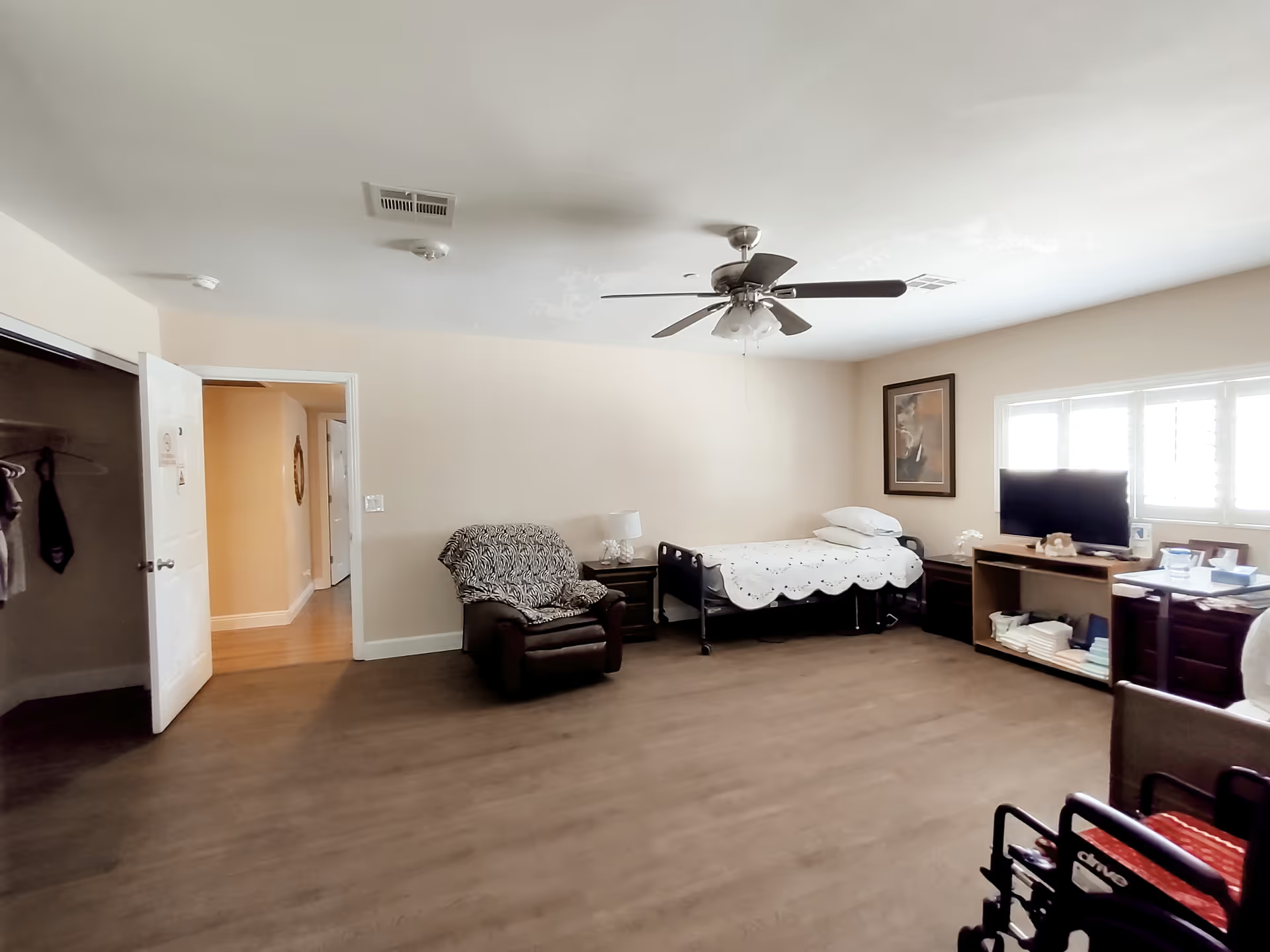
Facilities and safety: Physical spaces are described as clean, renovated, and comfortable, with well-sized apartments and communal areas. Maintenance responsiveness is a clear strength. Noted operational concerns include variability in housekeeping consistency, some compact public-room layouts in certain areas, security and access-control limitations (for example, limited front-desk hours and locked doors), and smoke drifting from entrances due to gaps in smoking-area enforcement. Prospective residents should inquire about overnight staffing, fire-safety measures, and smoking policies during a visit.
Management and communication: Leadership presence and responsiveness are mixed in the feedback. Several families commend an involved executive director and teams that follow up on issues, while others describe inconsistent communication, changes in clinical arrangements without timely family notification, and occasional supervisory shortcomings. There are also isolated but serious concerns about how clinical incidents and infection-related events were handled and communicated; families may wish to ask for the facility's incident-response and family-notification protocols.
Notable patterns and suggestions for prospective families: The strongest, most consistent themes are the caring, resident-centered attitude of many staff members, a well-maintained physical environment, and a lively activities program. The most common operational weaknesses are inconsistent staffing/coverage, variability in dining and medication processes, and management communication gaps. When evaluating this community, consider asking specific questions about staffing ratios and shift coverage, medication-administration checks, dietary accommodations, infection-control procedures, smoking policies, security/after-hours access, and the facility’s capability to manage higher-acuity clinical needs. A careful tour focused on those areas — including meeting nursing leadership and seeing meal service — will help determine whether the facility’s strengths match a particular resident’s clinical and lifestyle requirements.