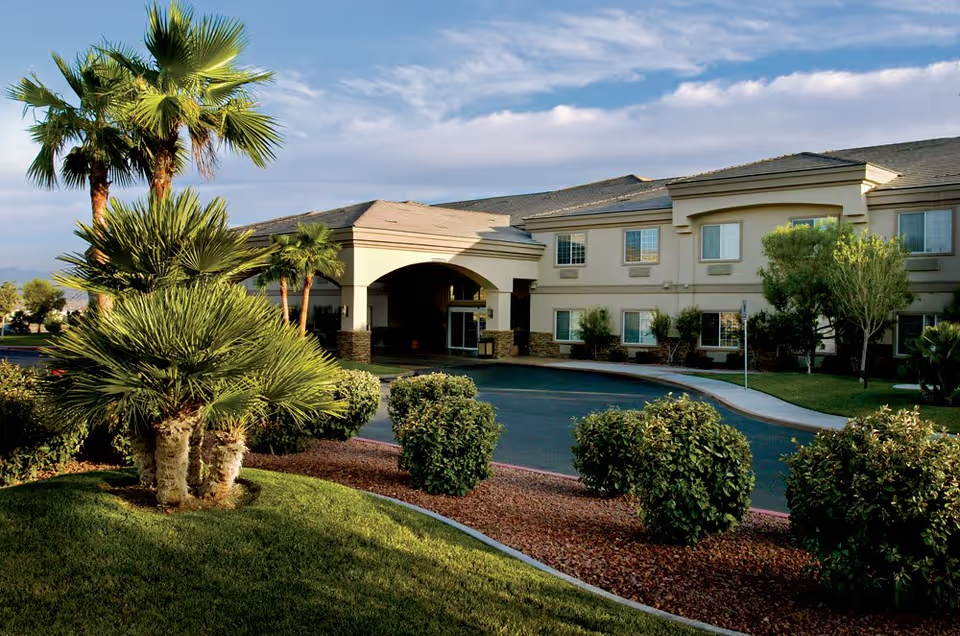
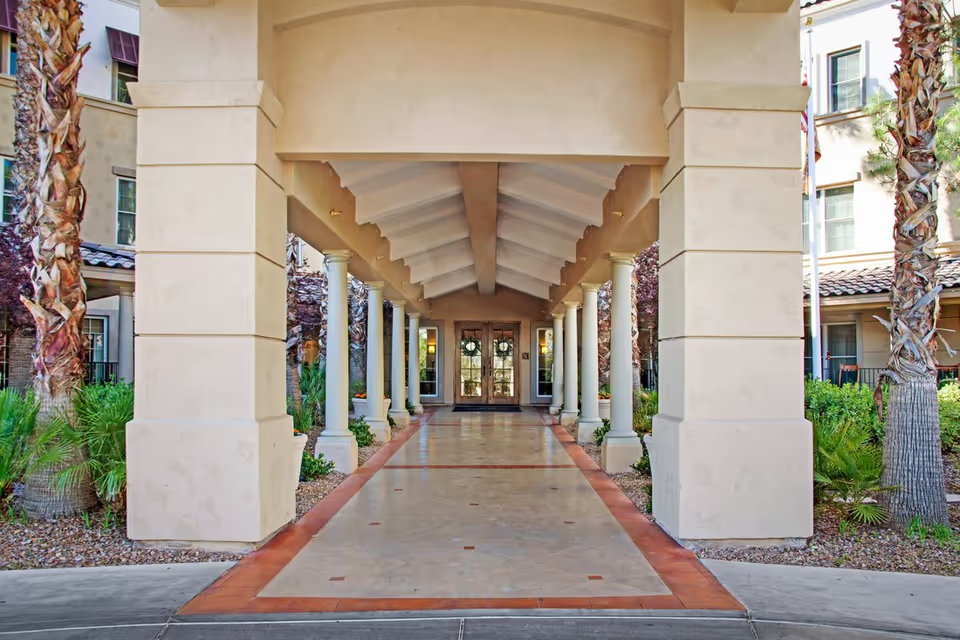
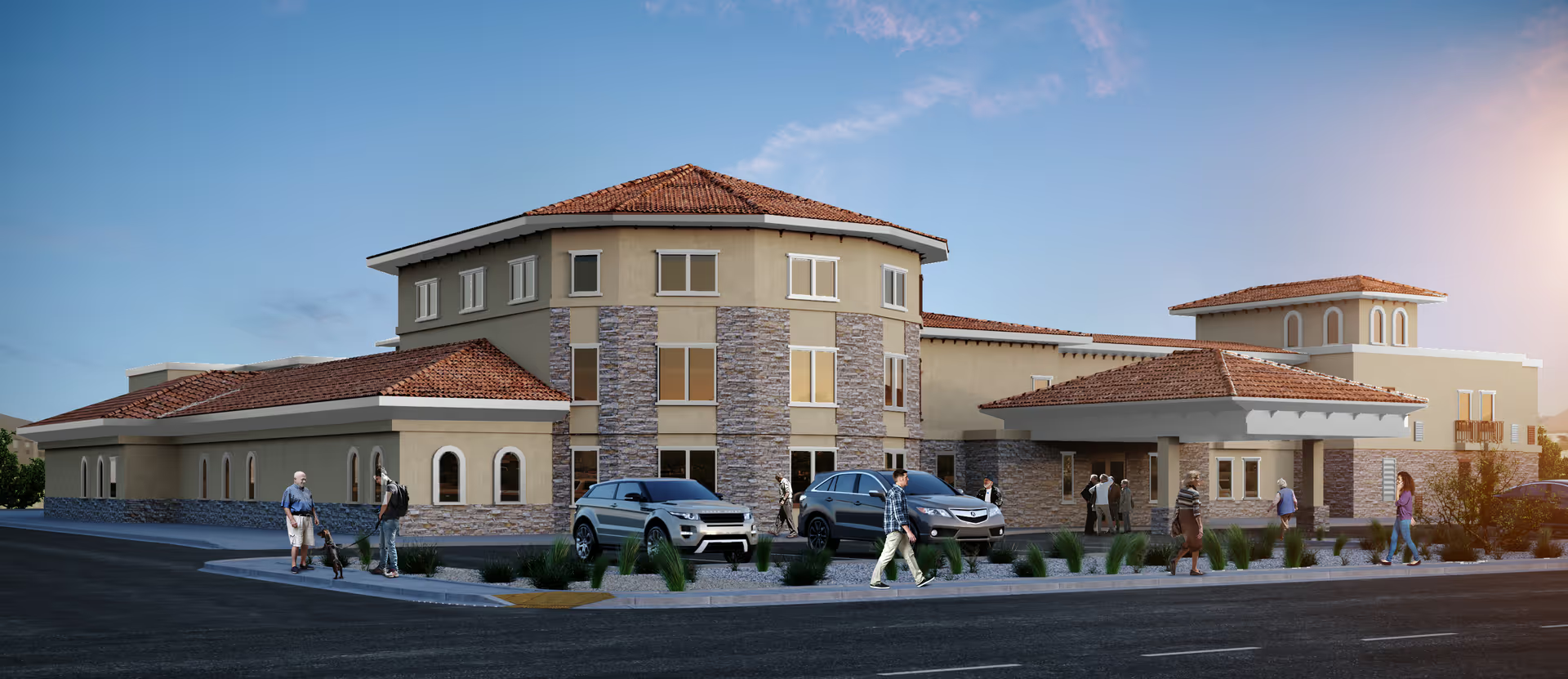
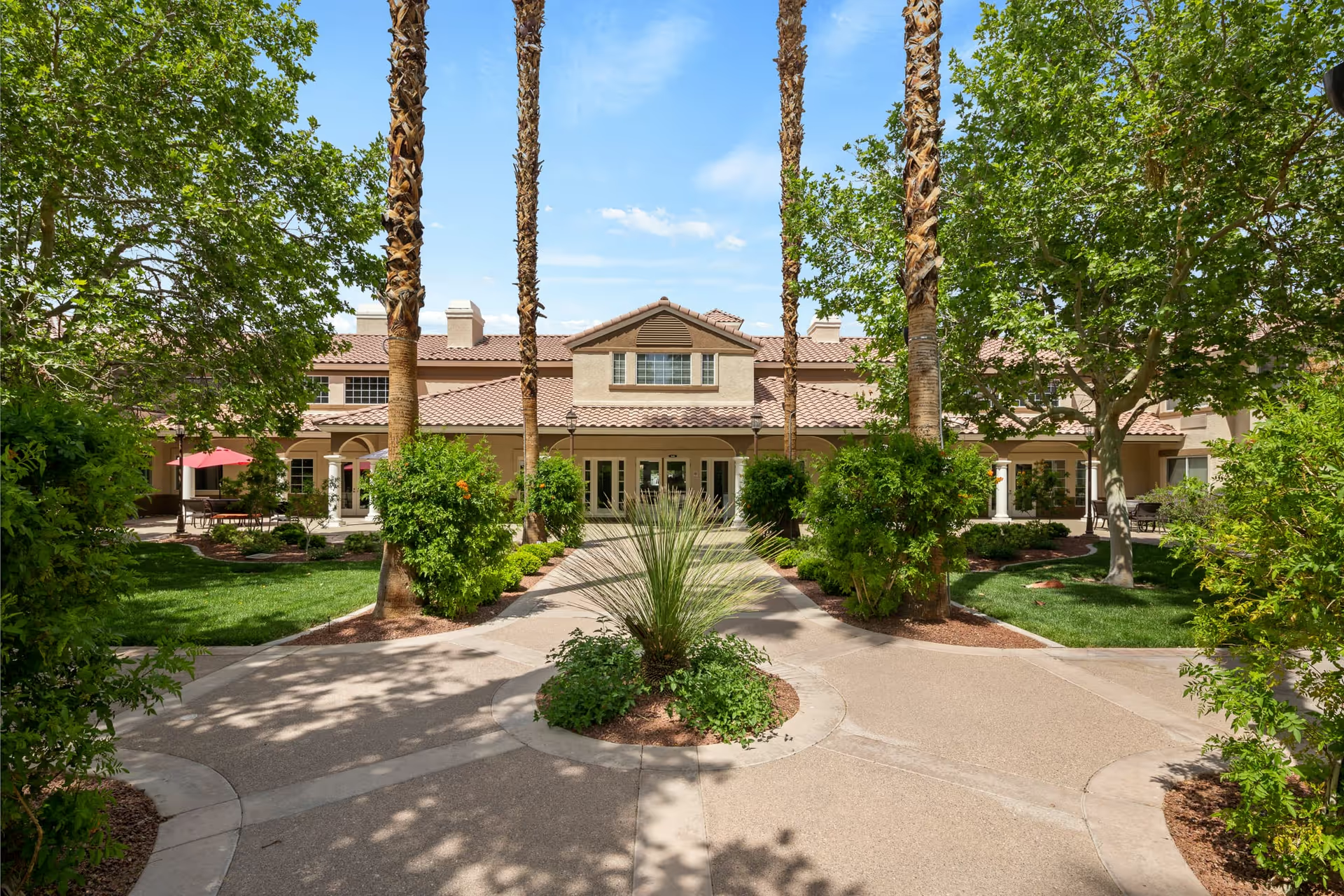
Overall impression: Vista Pointe at Mira Loma is characterized by a strong, person-centered staff culture and a broad set of amenities that many families find reassuring. Consistent themes include warm, attentive caregivers who remember residents by name, a robust activities program, and a range of on-site clinical supports (house doctor, podiatry, LTC pharmacy, on-site vaccine clinics). Move-in and admissions processes are frequently described as smooth and well-supported, and the community offers multiple communal spaces, courtyards, salon and therapy/gym areas, and pet-friendly policies that contribute to a resort-like, family atmosphere.
Care and staff: Care quality is frequently praised — nursing staff, medication-room personnel, and direct caregivers receive high marks for compassion, responsiveness, and individualized attention. Families commonly describe a team-oriented approach and staff who create a family-like environment. At the same time, reviewers identify an operational pattern of staffing instability and turnover that can affect continuity of care. These staffing fluctuations are associated with occasional delays in personal care and inconsistent attention to routine tasks; reviewers call out variability in bathing frequency, timeliness of medication administration, and after-hours responsiveness in some instances.
Dining and nutrition: The community offers chef-driven menus, flexible dining options (salads, sandwiches, specials), and a pleasant dining-room atmosphere that some families find very good. Regular praise is given to menu variety and special events (holiday meals, themed evenings). However, dining quality and service consistency are uneven across accounts: some families describe excellent meals and accommodating service, while others cite cold meals, timing issues, and a perceived decline related to culinary staffing changes. Meal scheduling (meals served early for some residents) and intermittent food-quality variability are recurring operational concerns.
Activities and social life: Activity programming is a clear strength. The community provides an extensive calendar — live music, outings, card and video games, memory-appropriate stimulation, cultural events, group exercise, book clubs, and themed parties. Families note high engagement and opportunities for socialization; activity staff are frequently singled out by name for their effort. A minority of comments suggest a desire for a broader mix of non-gambling dementia-appropriate activities and more evening programming for residents who are active later in the day.
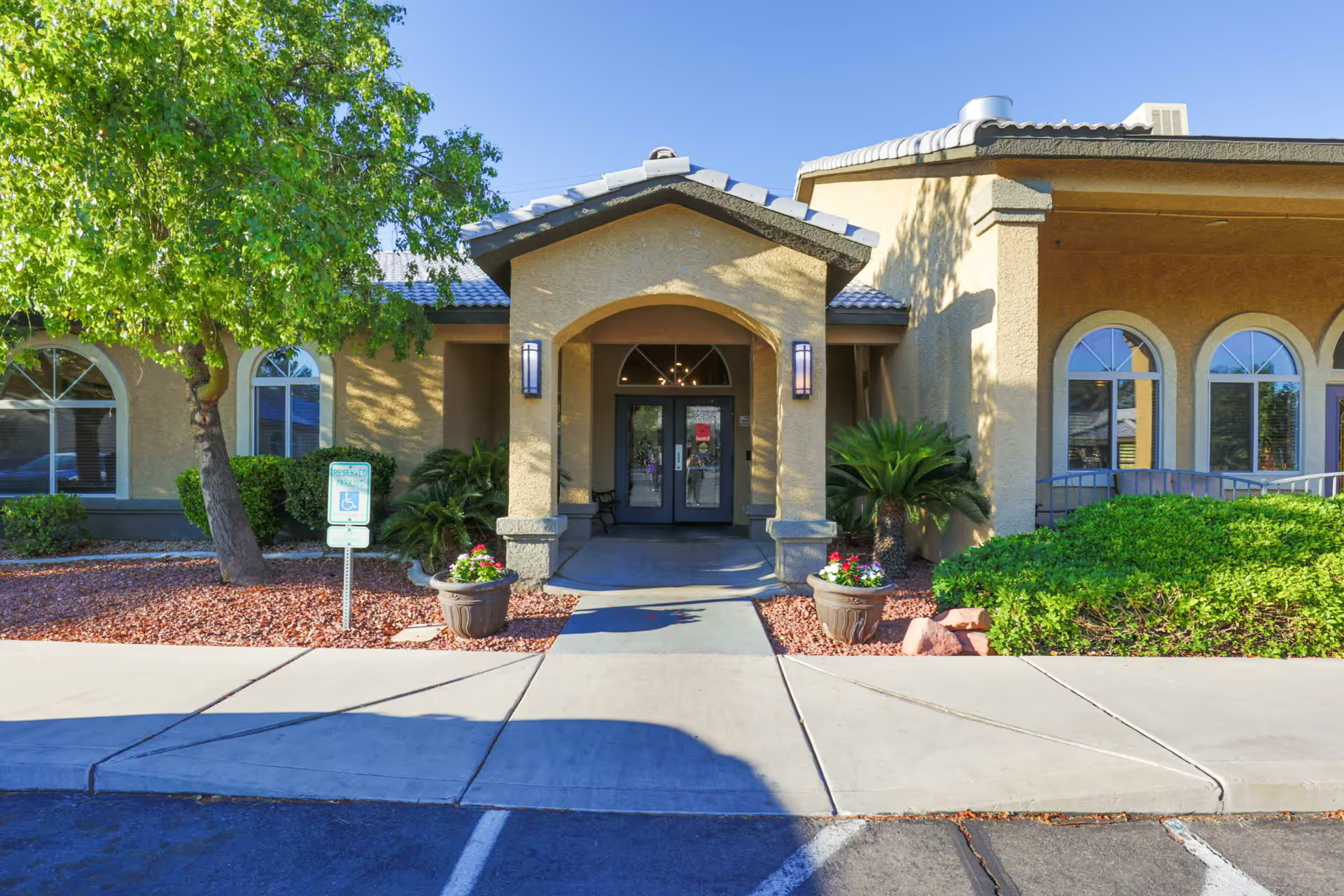
Facilities and operations: Physical plant attributes are often described positively: bright, well-decorated common areas, spacious apartments (including two-bedroom memory-care units with Jack-and-Jill bathrooms), accessible showers, and secure access control. The community provides transportation, on-site medical services, and housekeeping. Nevertheless, there are intermittent operational concerns: isolated sanitation and odor issues in some common areas, occasional pest-control reports, and episodic maintenance breakdowns (hot-water and cable outages). These items appear sporadic rather than pervasive but represent meaningful quality-of-life and reliability issues when they occur.
Management and communication: Administrative strengths include responsive admissions staff, individualized move-in assistance, and proactive outreach during COVID-19 by some leaders. Multiple staff members and department heads are praised by name for strong family communication and problem-solving. Offsetting this, reviewers note variability in management consistency — turnover among directors, uneven front-desk readiness during tours, appointment-scheduling errors, and occasional perceptions of intimidating or inconsistent managerial tone. Rate increases and cost transparency are also cited as a concern by some families.
Patterns and recommendation guidance: The dominant pattern is a community with strong relational care, broad programming, and useful clinical supports that provide many families with peace of mind and enrichment for residents. The main operational risks to weigh are staffing stability and consistency in daily services (meals, housekeeping, personal-care routines, and medication administration), plus isolated facility-maintenance or sanitation events. Prospective families should tour during activity periods, ask for recent staffing/turnover data, review medication and personal-care protocols, and inquire about culinary staffing and pest-control history to assess how reliably the community delivers on its strengths.