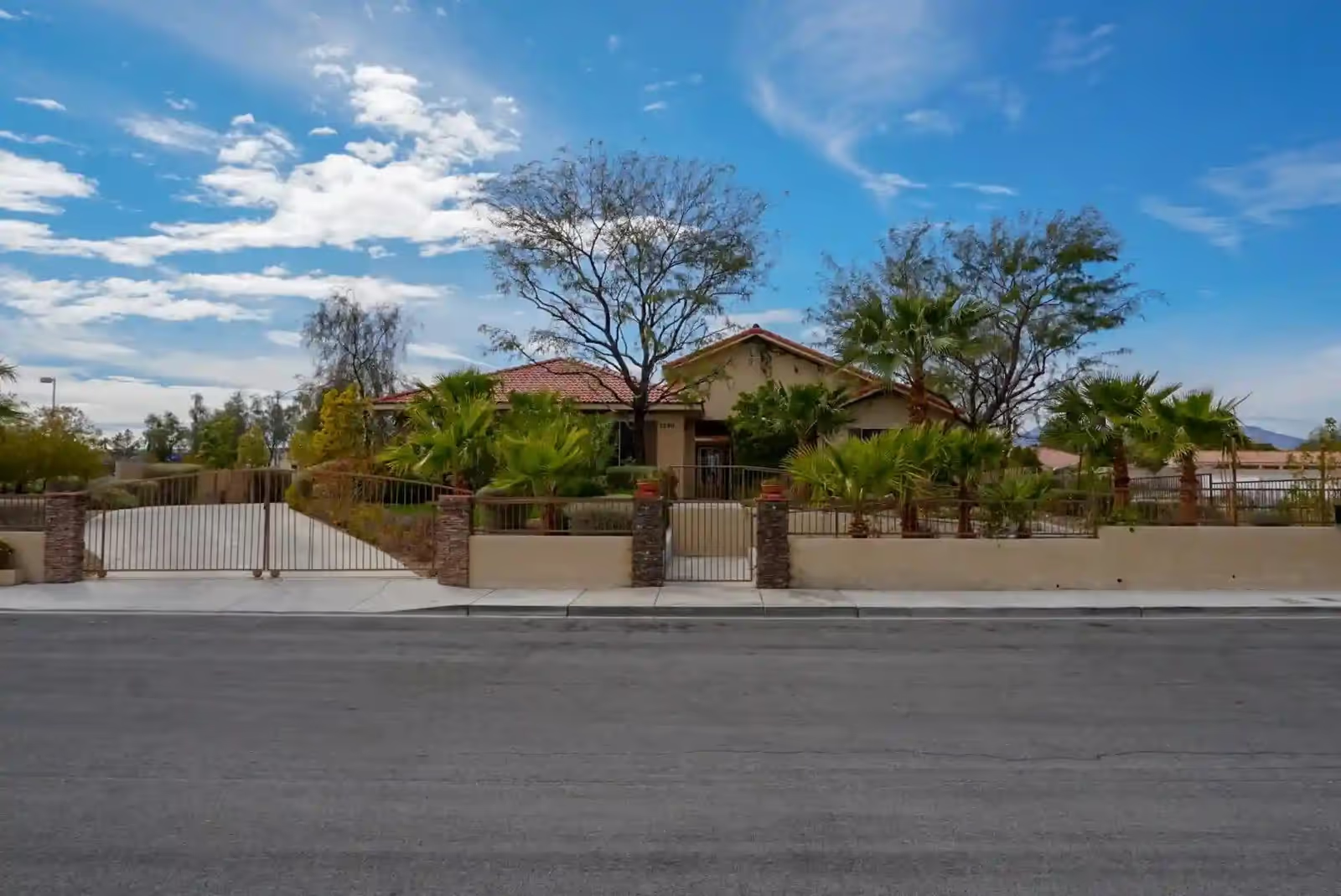
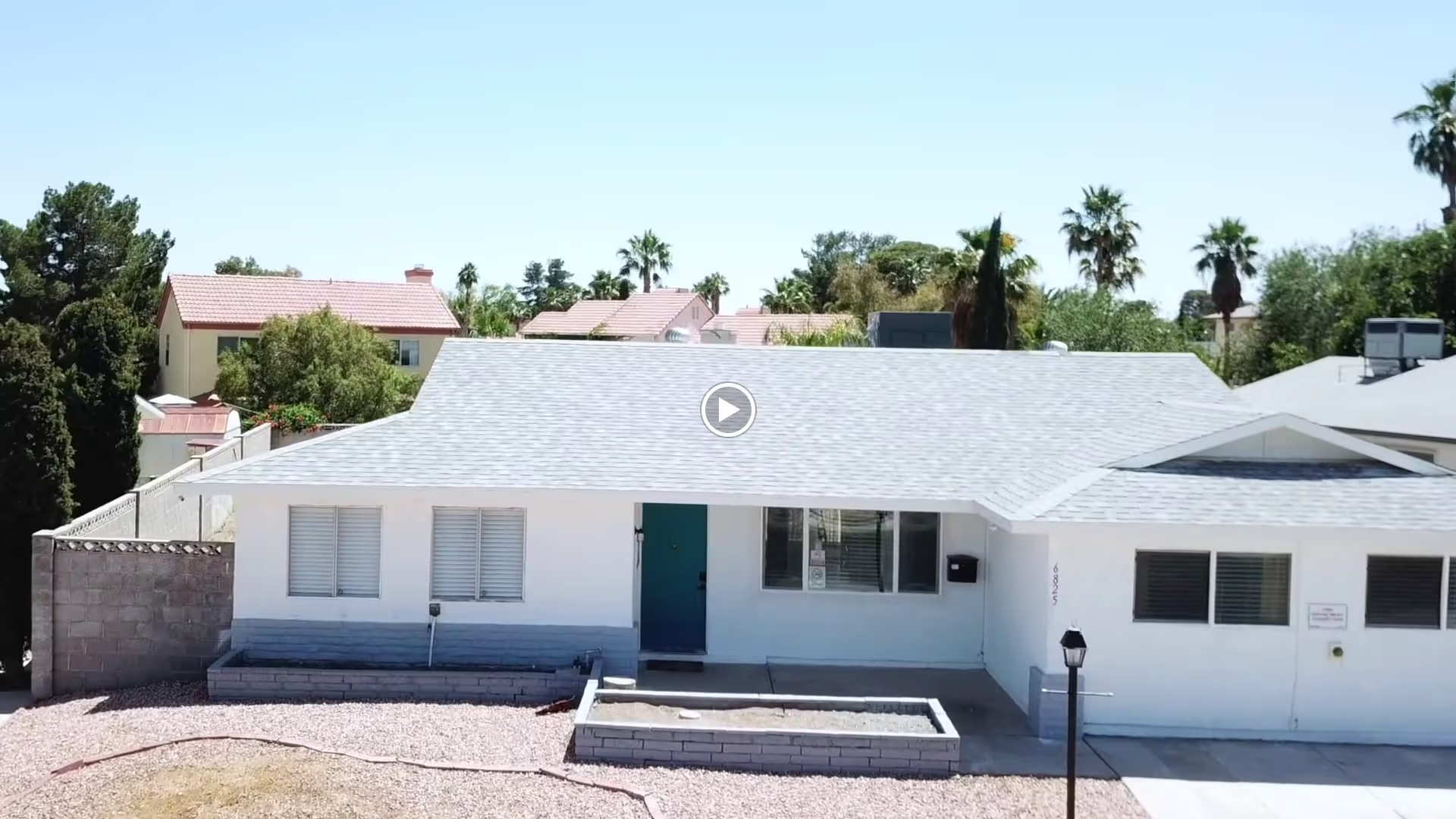
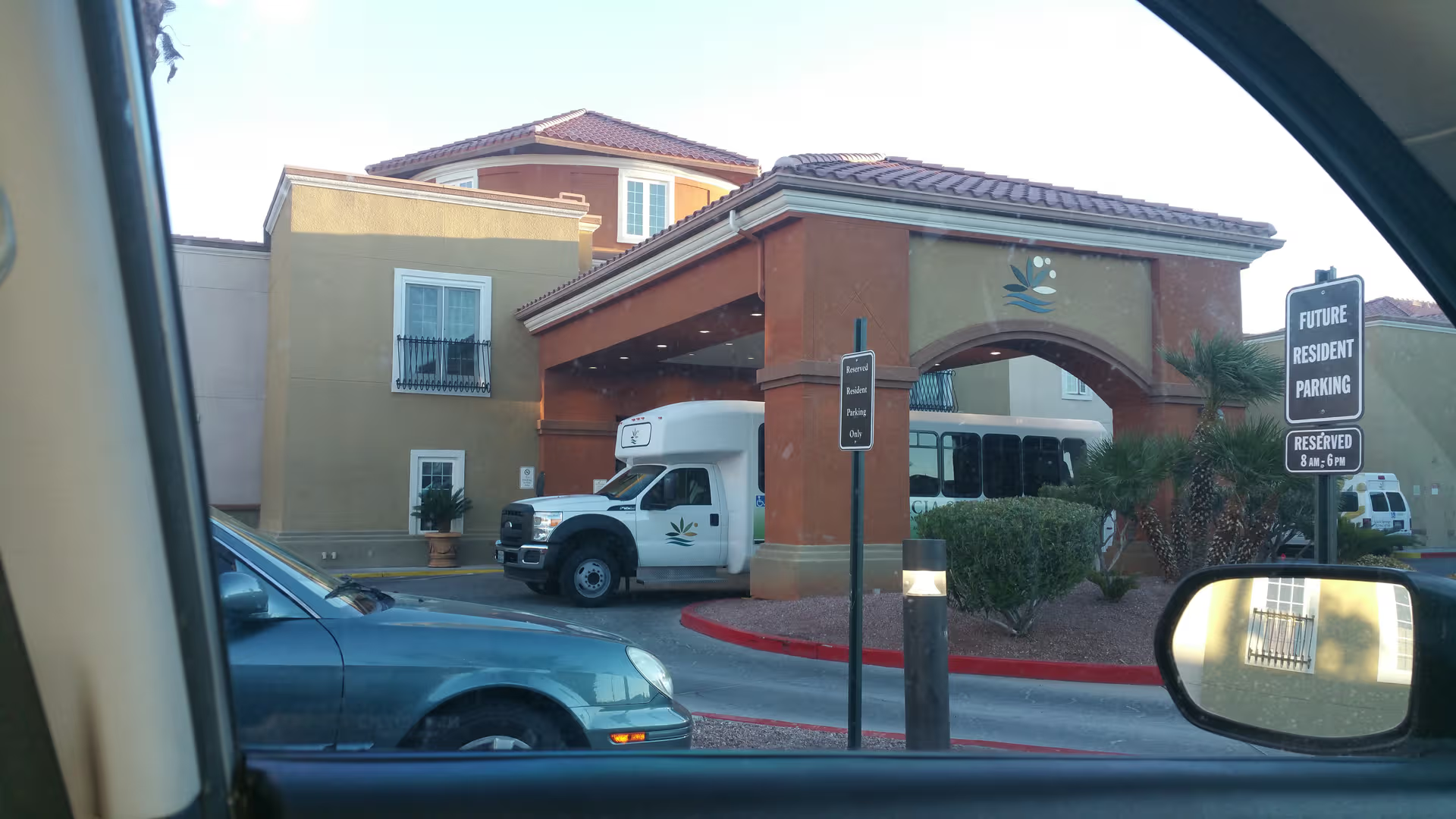
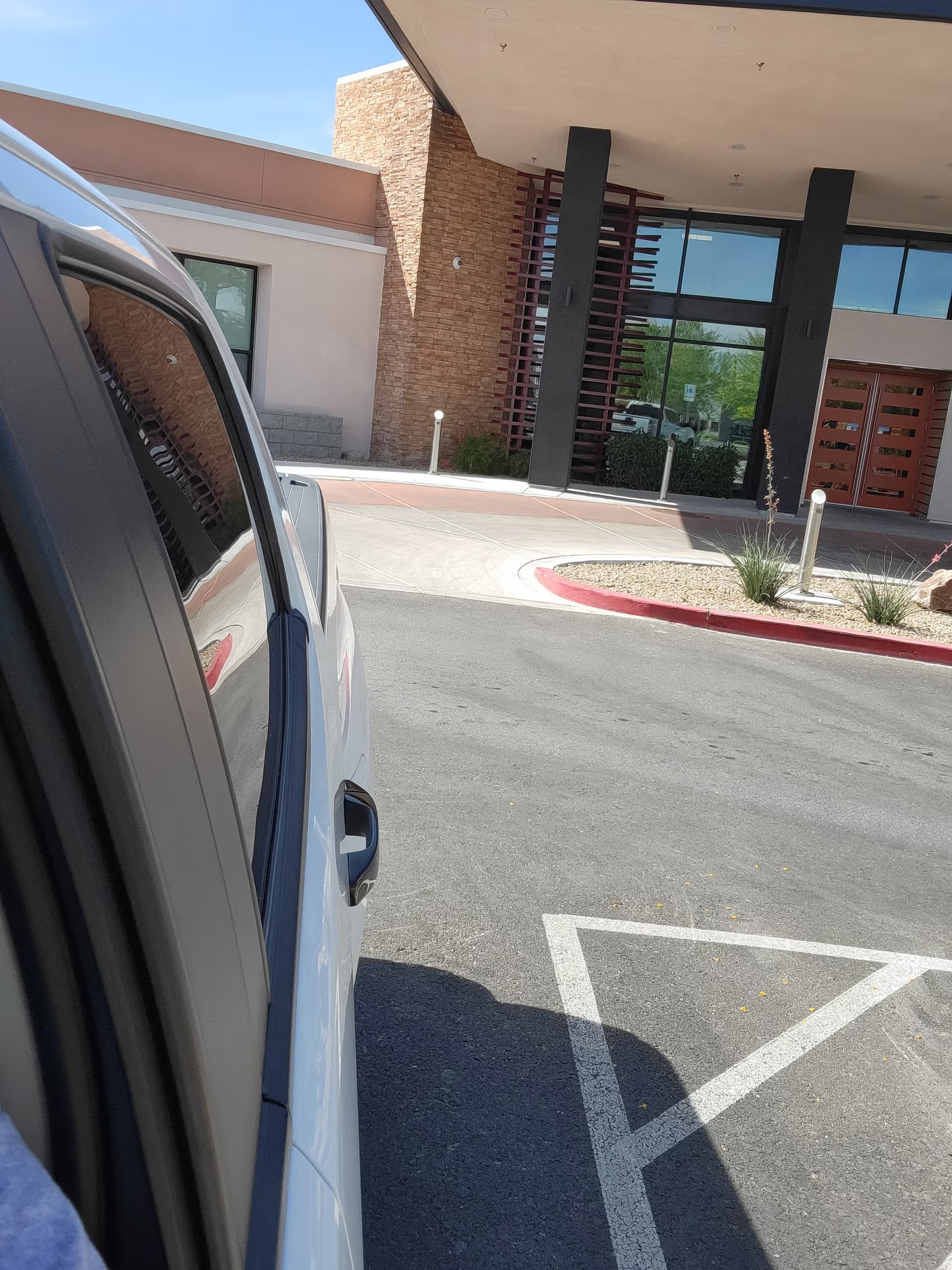
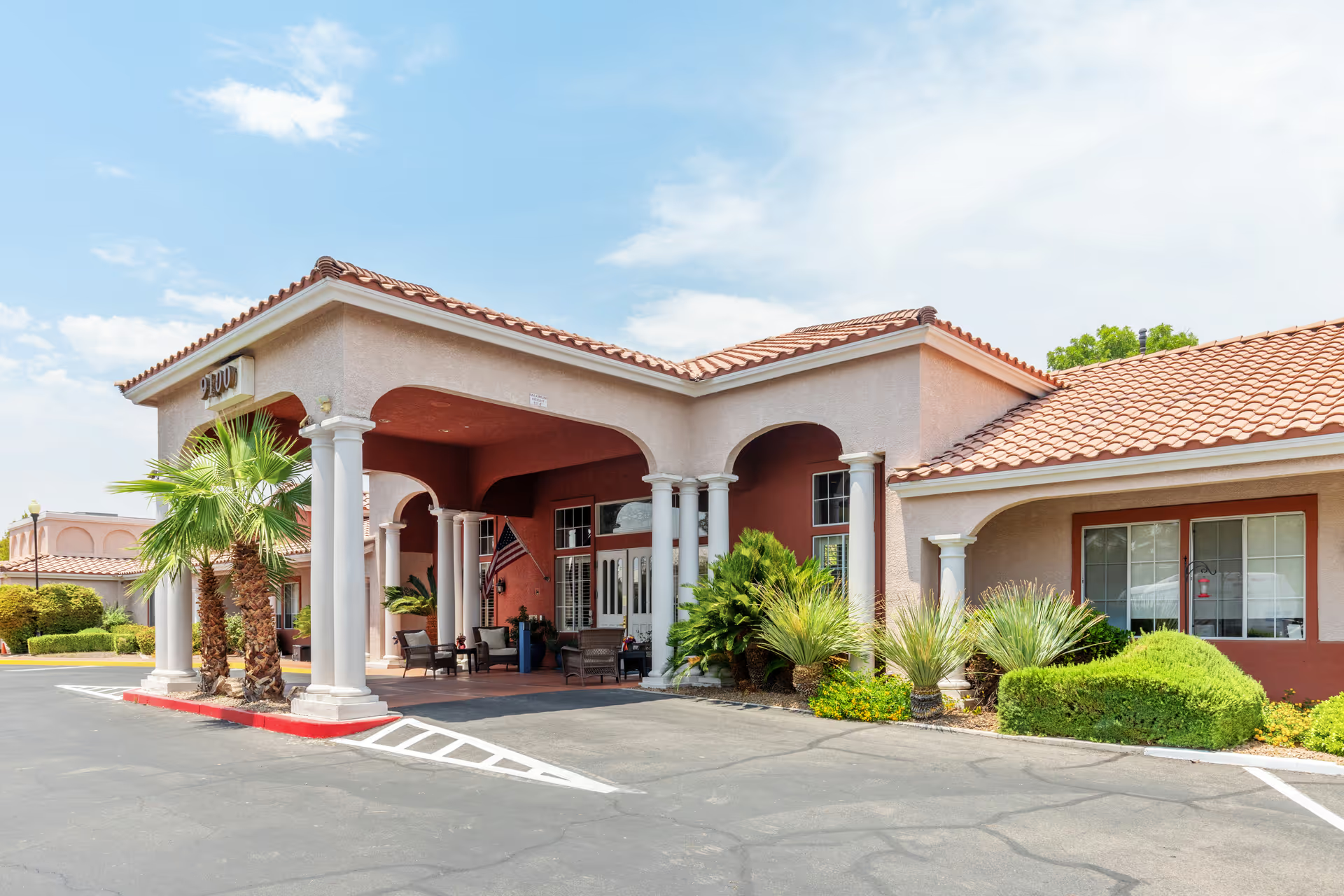
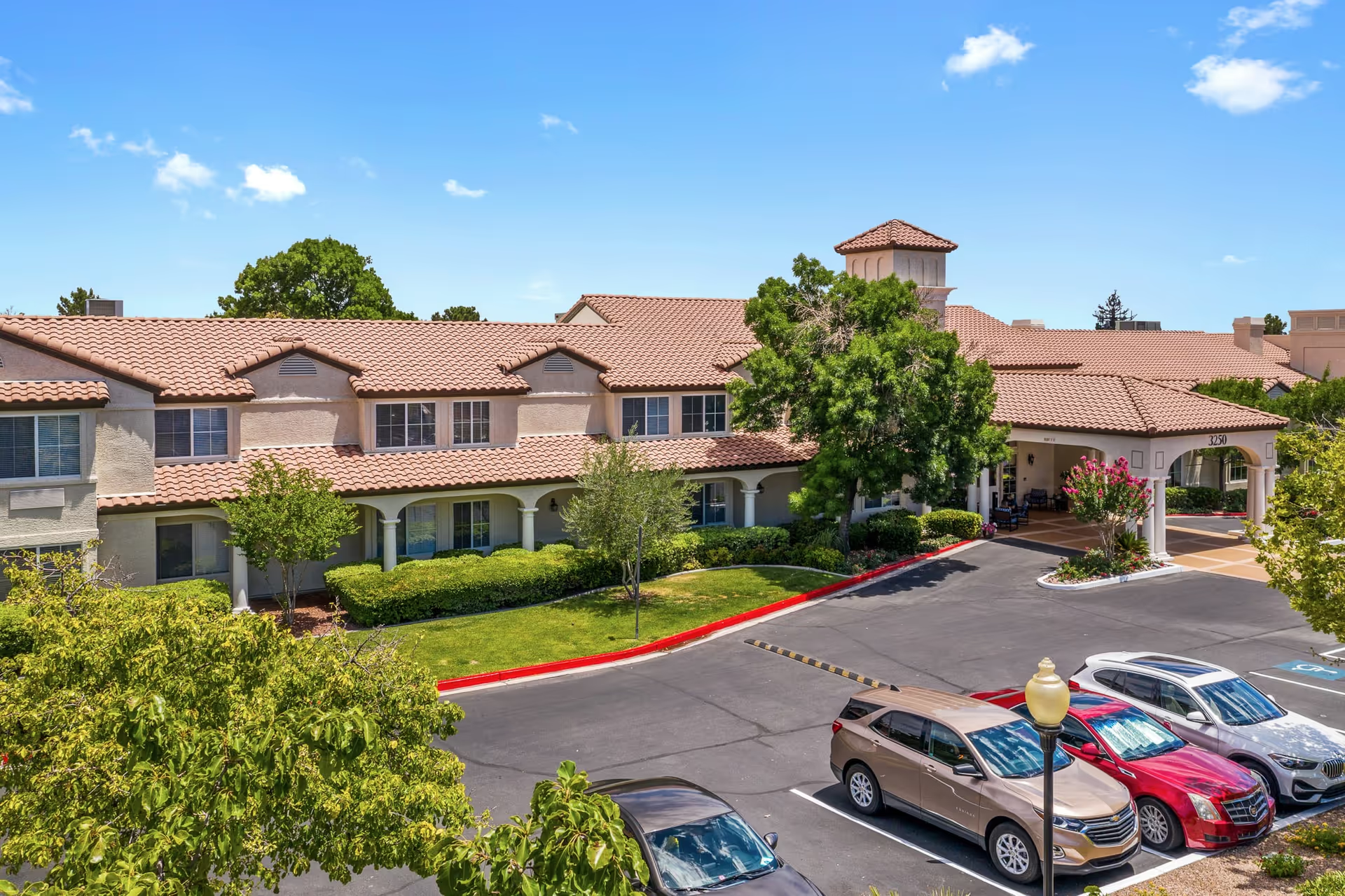
European Home Care is consistently described as a small, home-like memory-care provider with a strong emphasis on personalized, compassionate support. Reviewers emphasize attentive, affectionate caregiving and an environment that fosters family-like relationships between staff and residents. Consistent caregiver assignments and a 24-hour care model are highlighted as key contributors to residents feeling safe, valued, and emotionally supported. The provider’s specialization in dementia and memory care appears to inform daily practice, with caregivers trained or experienced in dementia-friendly approaches.
Communication and management practices are noted as strengths. Owners and management are described as accessible and calm, providing frequent updates to families, often with photos. Staff members proactively work on functional-support strategies for residents, and families report clear, regular communication about daily life and care needs. This responsiveness and the small-home setting contribute to a sense of partnership between families and staff.
Operationally, dining and programming are presented positively. Meals are characterized as nutritious and multi-course, and activity programming is described as engaging and tailored to residents with memory impairment. The facility’s physical environment is reported to be clean, spacious for its size, and includes usable outdoor space. Easy visitation and an inviting atmosphere are recurring points, reinforcing the home-like character and family accessibility.
Notable patterns and limitations: the small-scale, residential model appears to be both a strength and a constraint. While it supports personalization and consistent staffing, it also implies limited bed capacity and fewer on-site specialty clinical services compared with larger institutional facilities. Because care quality is closely tied to individual caregivers and the small team, continuity risk may increase if key staff change or turnover occurs. Prospective families with high-acuity medical needs should clarify on-site clinical capabilities and emergency arrangements during a visit. Overall, the pattern of commentary suggests strong relational care, effective family communication, and a clean, well-run homelike environment, with trade-offs typical of smaller memory-care providers in terms of capacity and clinical breadth.