Overall impression: The facility presents as a small, owner-led memory care community with a strong emphasis on compassionate, dignity-focused care. Families frequently emphasize attentive, person-centered caregiving, around-the-clock supervision, active medication monitoring, and available hospice support. The leadership and direct-care staff are repeatedly described as knowledgeable and emotionally invested, creating a family-like atmosphere that many relatives find reassuring.
Care and staff: Care quality appears to be a primary strength. Staff are characterized as compassionate, patient, and respectful, with management (notably the owner/lead) involved in operations and family communication. This hands-on leadership contributes to good coordination for hospital discharges and transitions. That said, there are indications of variability: staff engagement and responsiveness can fluctuate, and commenters implied that staffing levels at certain times may limit proactive interaction and personal grooming support for residents.
Dining and activities: Dining receives generally positive feedback for home-cooked, nutritious hot meals, and several families credited food with improving resident well-being. A minority of comments described meals as merely adequate, indicating potential variability in dining quality. Activity programming is noted as creative and engaging by many, but there are also observations of limited frequency or variety; some families wished for more consistent or structured programming to keep residents actively engaged throughout the day.
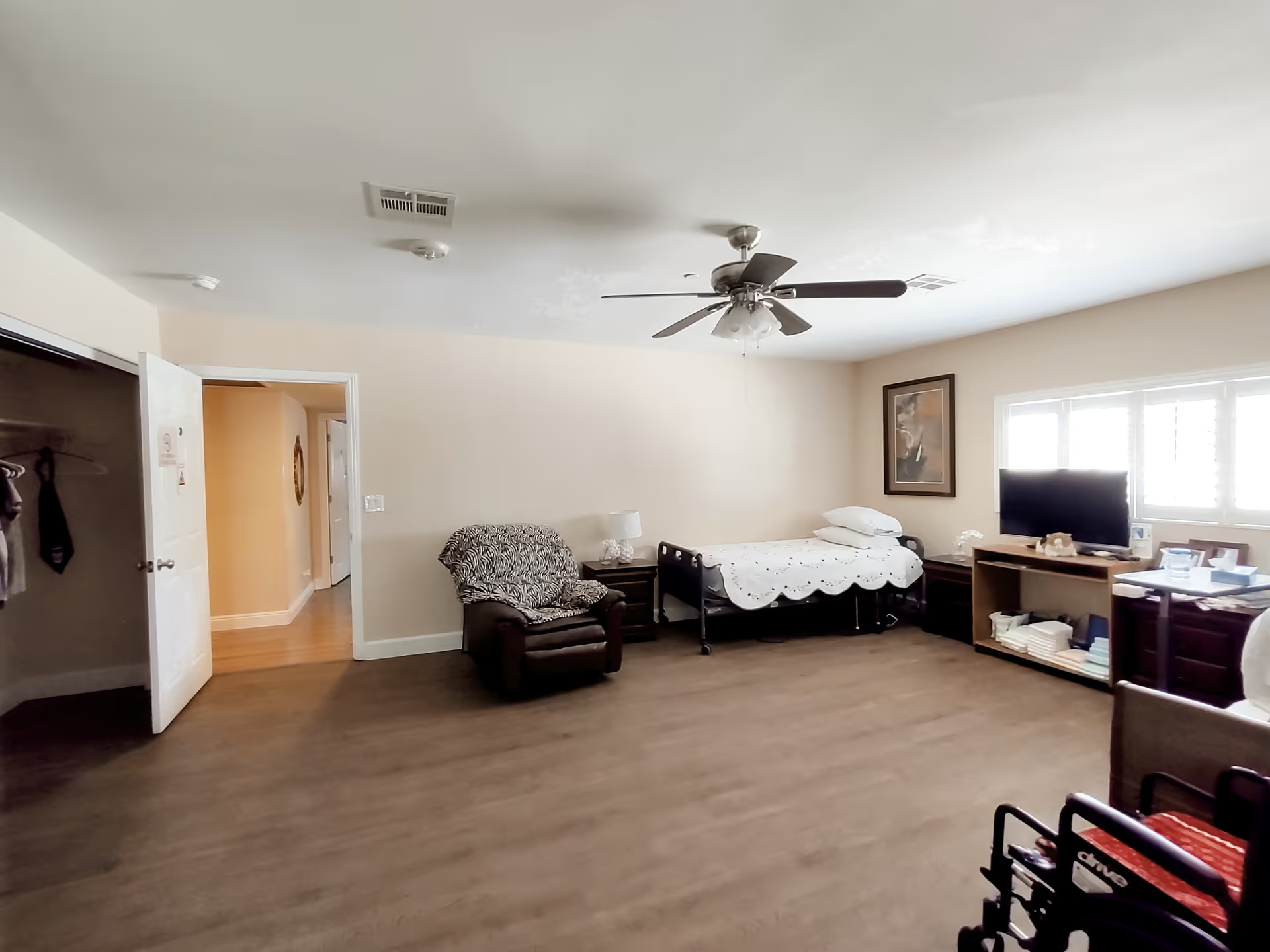
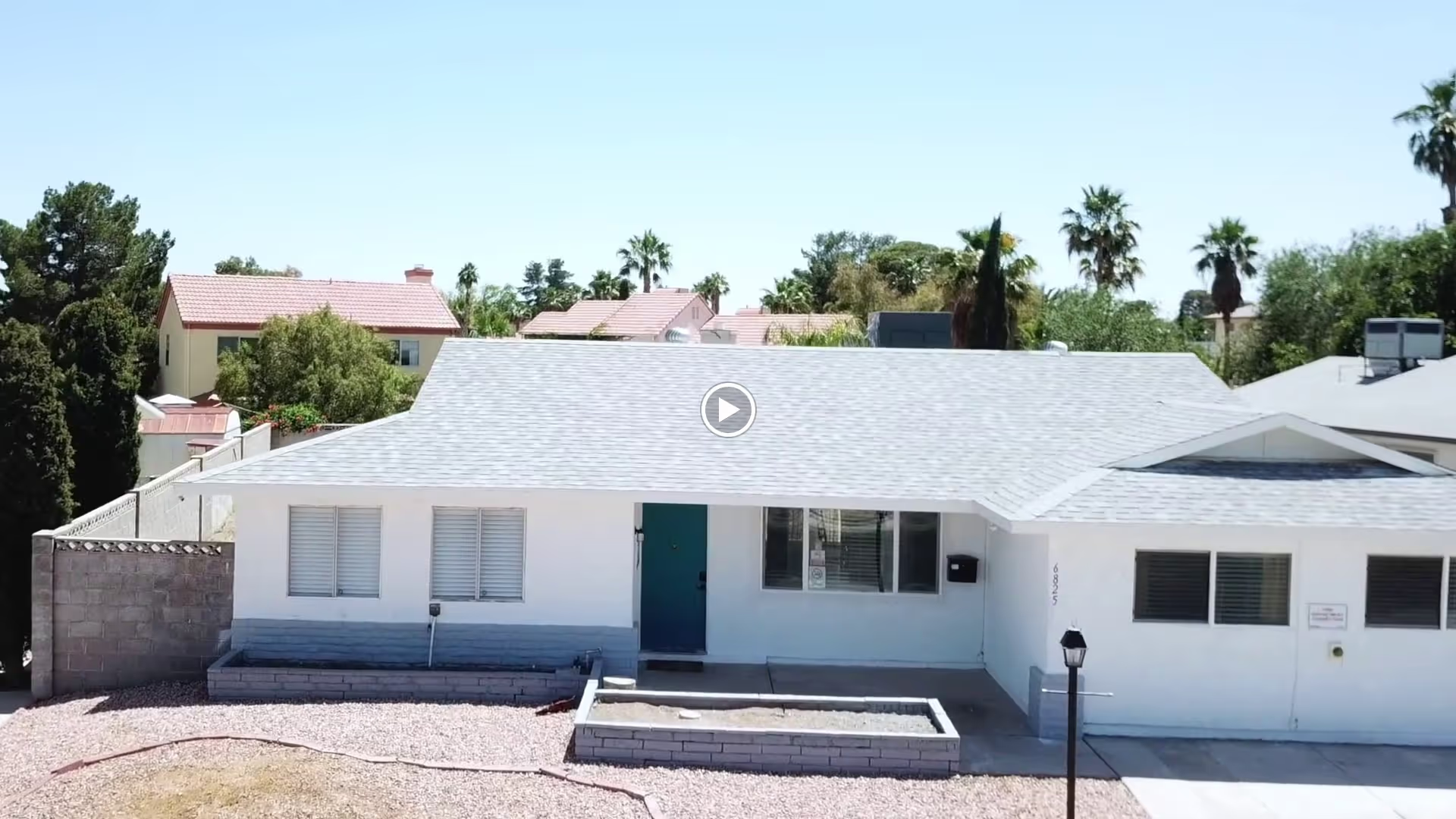
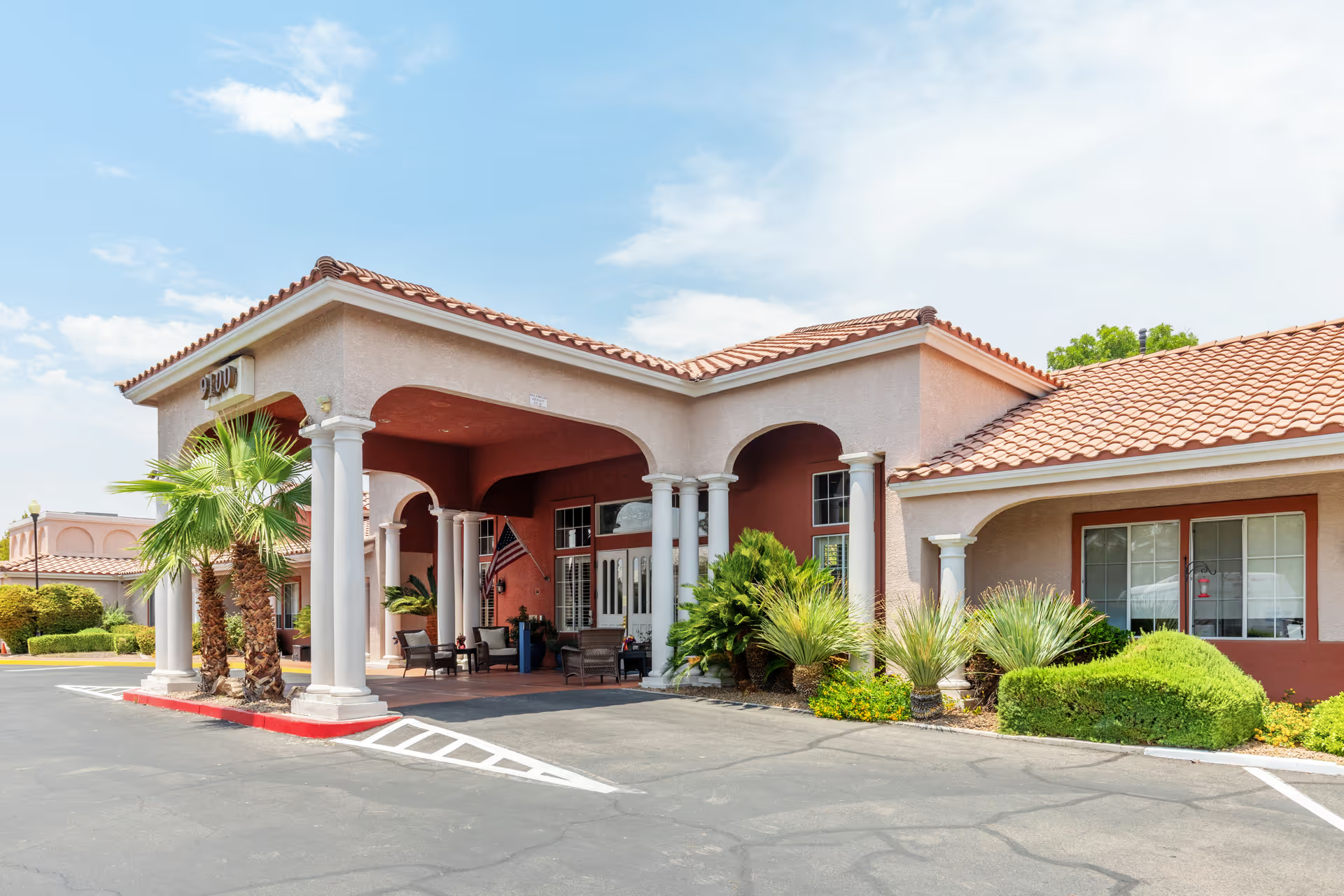
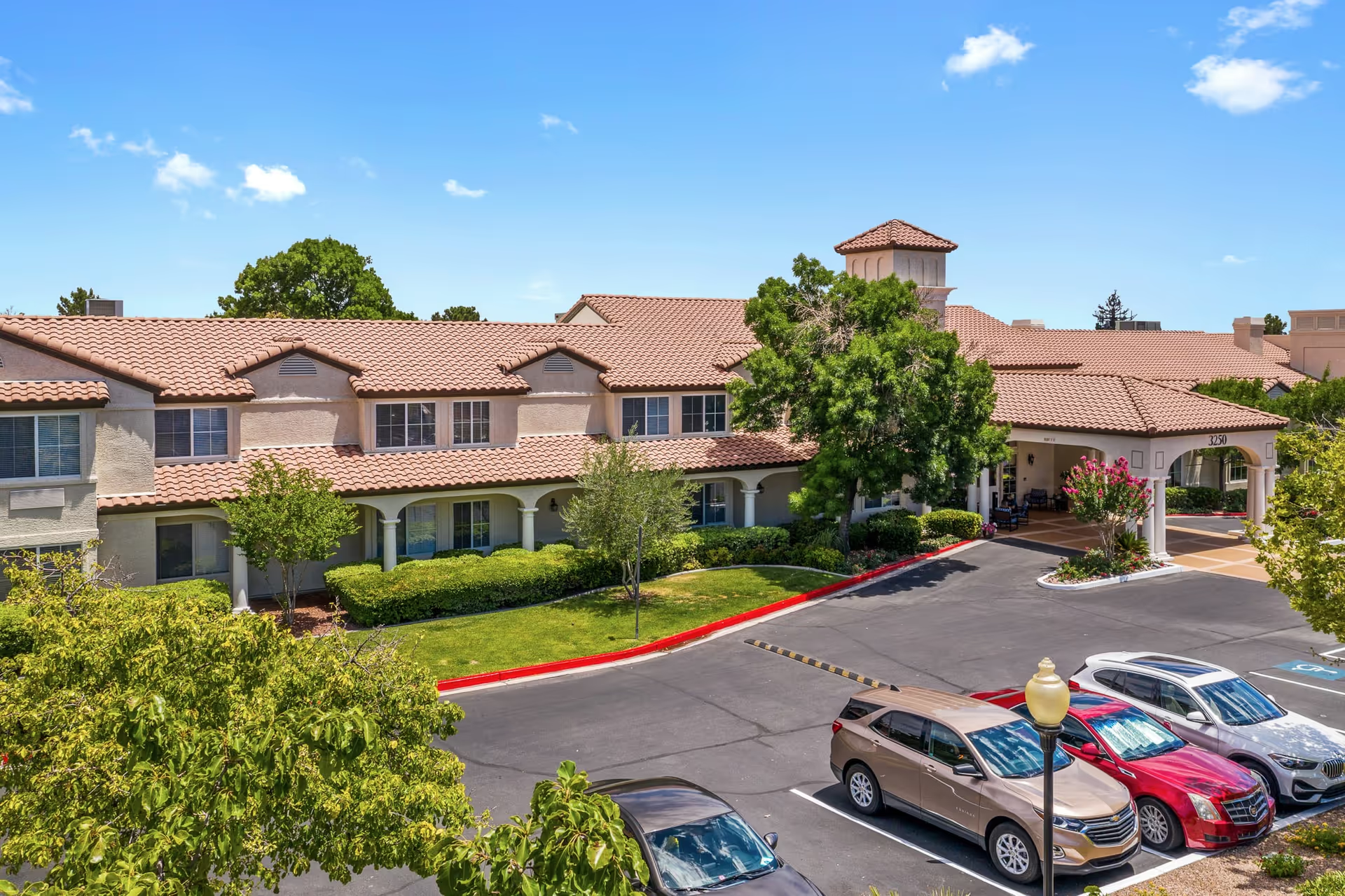
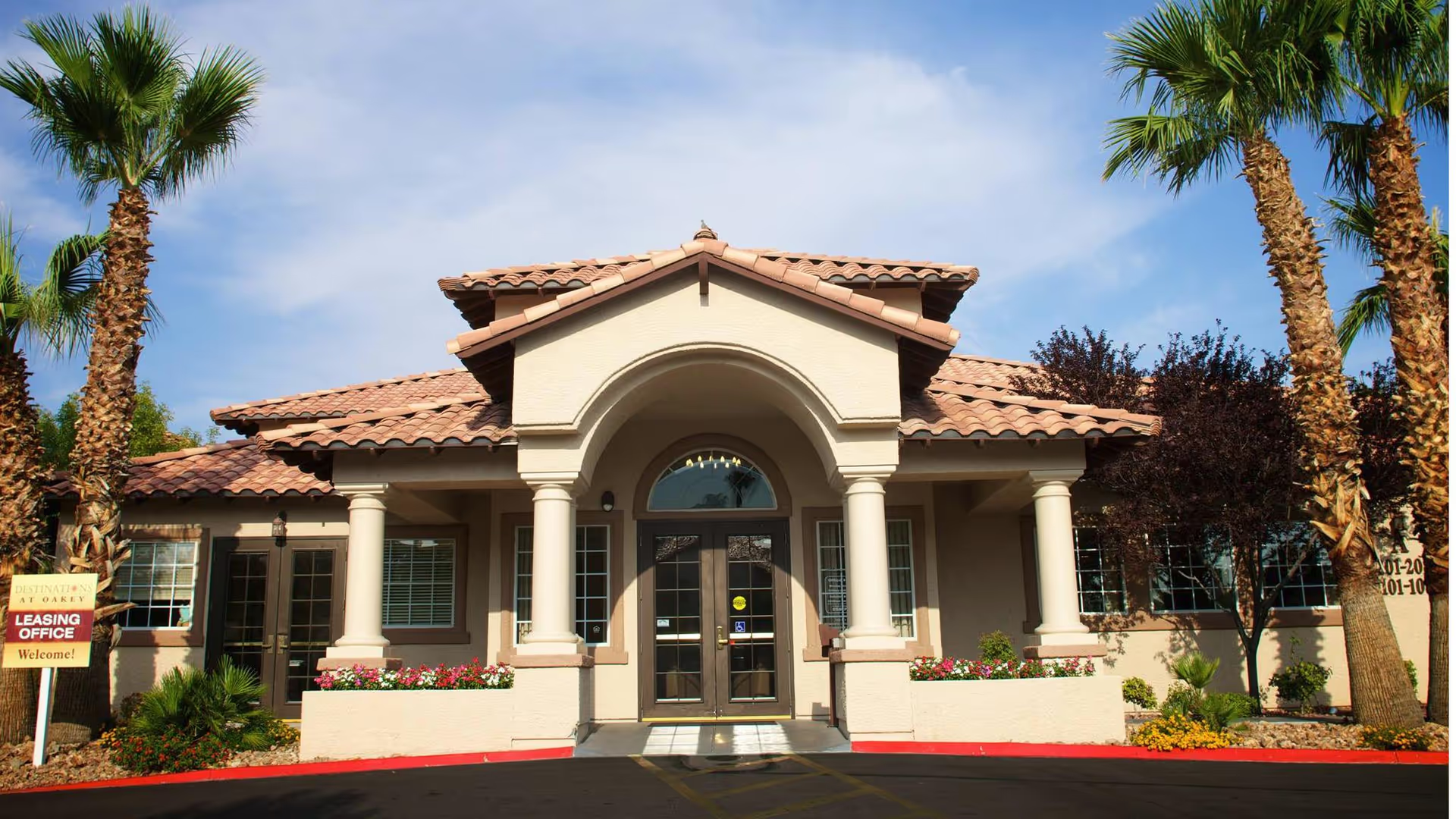
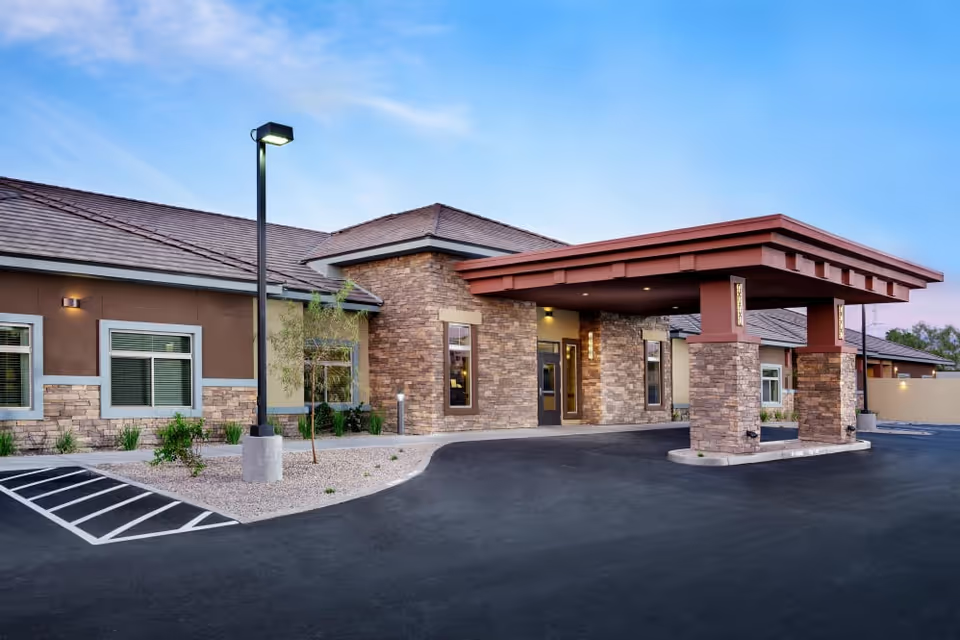
Facilities and infection control: Interior areas and resident rooms are largely described as clean and well-maintained, with tiled floors, functional furnishings, and comfortable communal spaces such as a large community room and TVs. Infection-control practices, including vaccination protocols during COVID, are emphasized as part of the facility’s safety measures. However, there are specific concerns about outdoor areas and grounds upkeep—examples include landscaping and outdoor cleanliness lapses—that suggest maintenance is uneven between interior and exterior spaces.
Notable patterns and guidance for families: The dominant pattern is one of strong relational care delivered by committed staff and owner-led management, which many families find provides peace of mind. Counterbalancing that are operational weaknesses tied to staffing consistency, activity scheduling, and grounds maintenance. Prospective families may want to verify current staffing ratios at the times their loved one would be present, review the weekly activity calendar, sample a recent menu, and inspect outdoor/common areas during a visit. Asking about contingency plans for peak staffing needs and routine maintenance schedules can help assess whether the facility’s positive culture is matched by consistent operational performance.