Overall impression: Reviews for Spring Valley Memory Care describe a facility with clear strengths in caregiving culture and programming alongside notable operational inconsistencies. Many families highlight a compassionate, familiar staff culture, an active and well‑regarded activities program, and a bright, town‑like physical environment designed for memory care. At the same time, a subset of reviews raises significant operational concerns that prospective families should evaluate closely before placement.
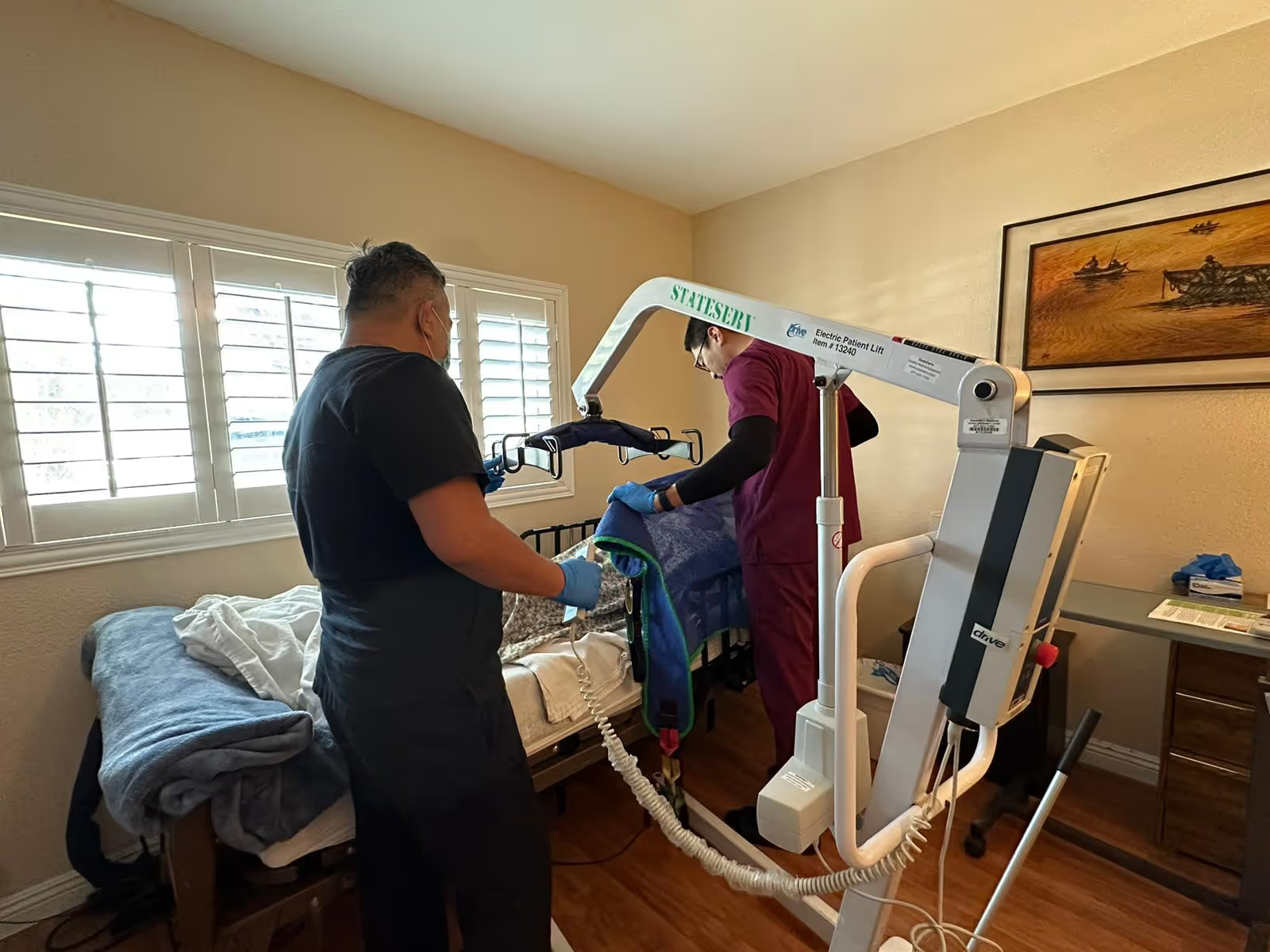
Care and staff: Staffing is the most polarizing area. Numerous comments praise caregivers as attentive, patient, and personally engaged with residents; reviewers repeatedly mention continuity of assignment, staff knowing residents by name, and individual staff members who go above and beyond. Conversely, other accounts point to staffing shortages, coverage gaps (including nighttime monitoring), long waits for assistance, and variability in staff training or conduct. There are also specific clinical concerns noted about medication timing and coordination between nursing, physicians, and families; these present potential safety and continuity-of-care risks if not actively managed.
Dining and nutrition: Dining receives mixed feedback. Several families report nutritious, appetizing meals and a well‑organized dining experience, while another group describes inconsistent food quality, limited menu variety, and interruptions in meal service. Some reviewers raised weight‑loss and inadequate feeding concerns; a small number of very serious allegations about prolonged periods without food or fluids appear in the materials and, if substantiated, would represent major clinical and regulatory issues. Prospective families should ask for current menus, sample meals, documented meal‑service procedures, and how the community monitors intake and weight.
Activities and social engagement: Activity programming is frequently cited as a strength. Reviewers commonly note a lively calendar (games, music, crafts, exercise, outings), a highly praised activities staff, and multiple onsite enrichment spaces that support socialization and cognitive engagement. Several families emphasize improved resident mood and participation after admission, suggesting that programming is a consistent asset.
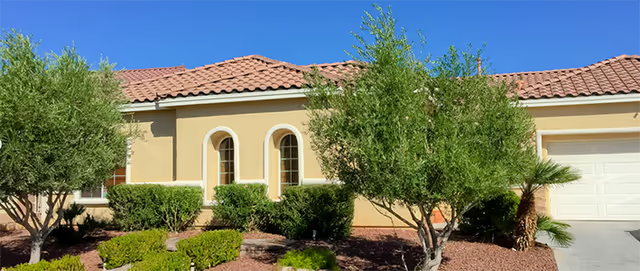
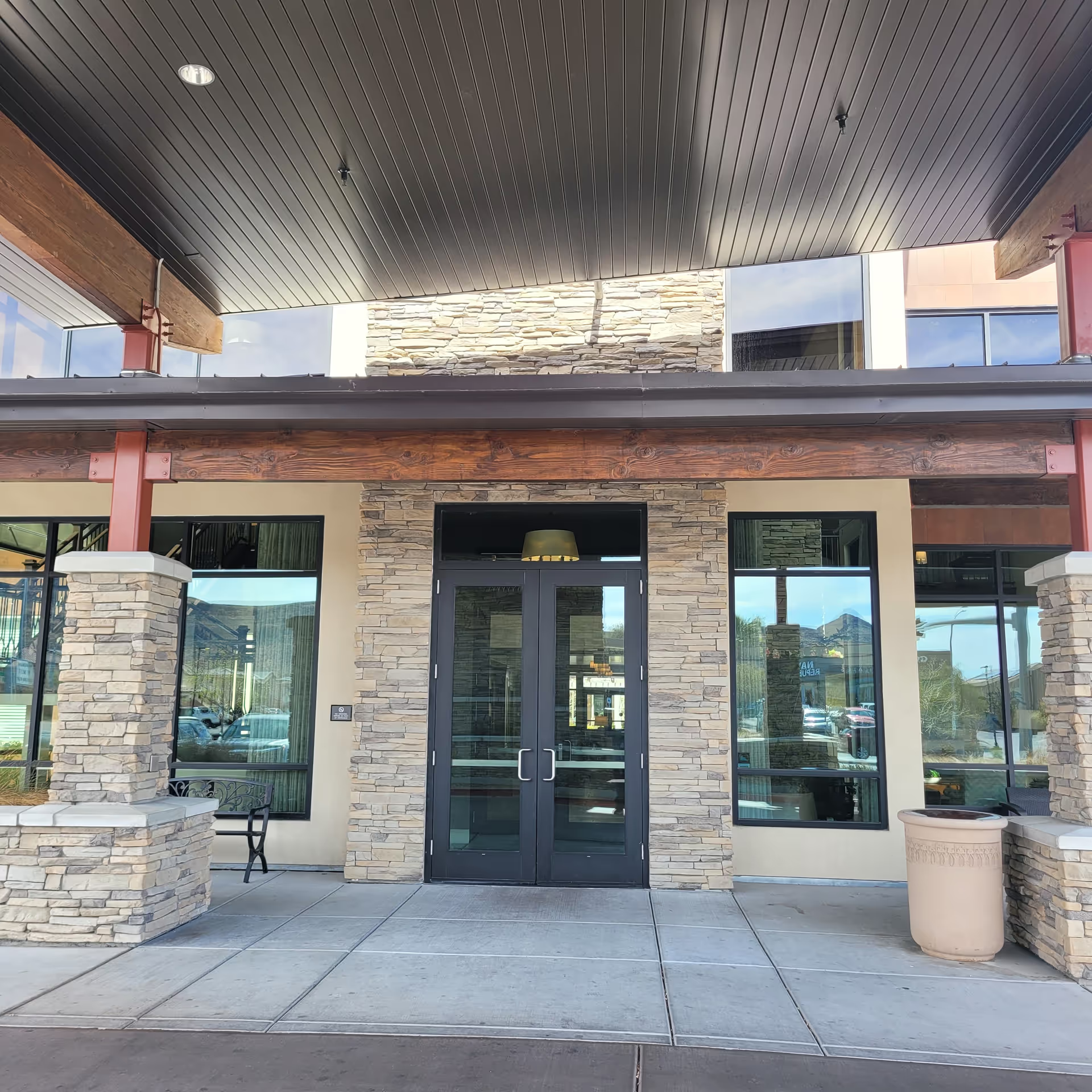
Facility, cleanliness and maintenance: Many reviewers describe a clean, bright, well‑maintained environment with helpful wayfinding and private room options. However, others report maintenance lapses and sanitation concerns in shared areas (laundry machines, occasional delayed repairs, and outdoor upkeep). These mixed reports indicate variability in housekeeping and facilities management that prospective families should confirm on a tour and in recent inspection records.
Management, communication and administration: Experiences with leadership and administration range from highly accessible, proactive directors to accounts of slow or inconsistent responses and limited corporate engagement. Common administrative issues include unclear billing, delayed final statements, and at least one complaint about collections activity. Families should request written clarification of billing practices, dispute procedures, and contact pathways for escalating clinical or administrative concerns.
Notable patterns and practical guidance: The overall pattern is high marks for frontline caregiving and programming paired with operational variability—especially around meals, staffing levels, maintenance, medication coordination, and billing. To evaluate fit, prospective families should tour the community multiple times (including mealtimes and evening/night checks), ask for current staffing ratios and turnover metrics, review recent health and safety inspection reports, request sample menus and weight‑monitoring protocols, confirm transportation availability and salon scheduling practices, and obtain written billing and grievance procedures. Given the mixed reports, these targeted questions will help clarify whether the community’s strengths align with an individual resident’s clinical needs and family expectations.