Lakeside Manor presents as a small, value-oriented independent living community with consistent praise for its caregiving staff, social programming, and basic household services. Many families and residents highlight the compassion and attentiveness of long‑tenured staff and managers, a 24/7 on-site presence, proactive COVID-19 measures, routine check-ins, and timely family communication. The community offers three home-style meals daily (including a salad bar and special menus), weekly housekeeping and laundry, transportation for appointments and shopping, and a broad activity schedule that includes games, exercise classes, outings, and social events that contribute to a strong sense of community.
Care quality and staffing are frequently cited strengths: reviewers describe staff who know residents by name, prioritize safety, and support independence while maintaining oversight. Several accounts emphasize the value of stable leadership and low staff turnover as contributors to continuity of care. At the same time, there are recurring notes about variable staff responsiveness and occasional concerns about conduct or prioritization of tasks; these point to episodic inconsistencies rather than a uniform pattern of failure. Staffing-resource pressures and perceptions of under-compensation for employees were also mentioned and may explain some variability in service delivery.
Dining and activities are central to the facility’s appeal. Meals are generally described as homemade and varied, with takeout options and special events that families appreciate. However, reviewers also raised operational issues: intermittent meal-supply interruptions, concerns about portioning and timing, and at least one suggestion for clearer staff-meal policies to avoid resident impact. The activity program is robust, with a packed calendar of on‑site and off‑site events, structured groups, and social opportunities that many residents find engaging.
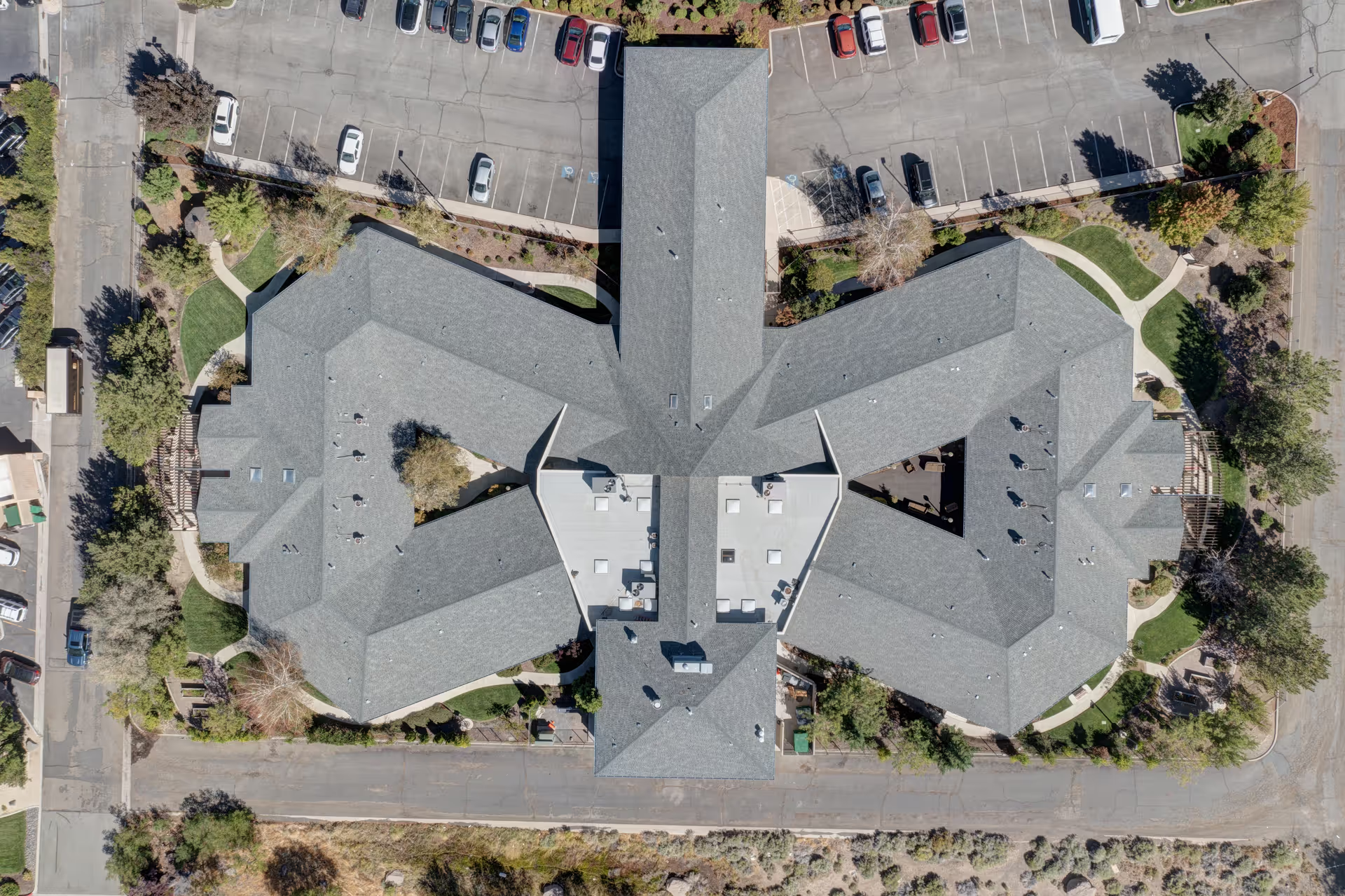
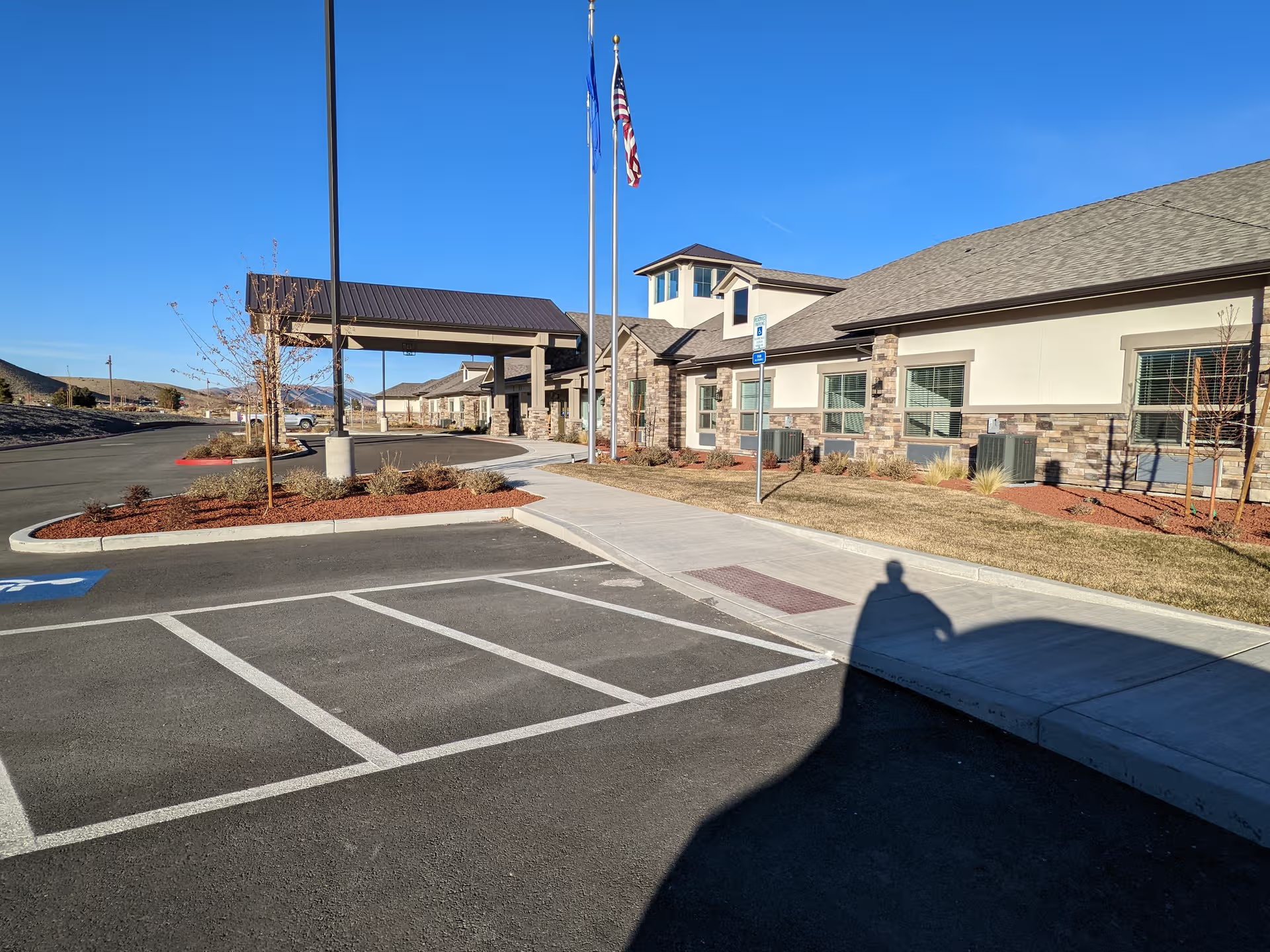
Facility condition and physical plant are notable trade-offs. Lakeside Manor occupies an older building with dated finishes, worn carpeting, older-style furniture, narrow or dim hallways in places, and areas that reviewers felt would benefit from fresh paint, new flooring, and other renovations. There are also mentions of cleanliness issues and odor concerns in some common areas and explicit pest-control concerns; these items merit direct inquiry during a tour. Unit sizes tend to be on the smaller side with a preponderance of studios and limited one‑bedroom availability, which influences suitability depending on a prospective resident’s space needs.
Management and admissions receive mixed commentary. Many reviewers praise warm, helpful tour staff and inclusive family events, private dining options for gatherings, and accommodating transportation. Conversely, a subset of accounts describes aggressive admission/hold-fee practices and pressure around non‑refundable holds; there are also isolated but serious allegations related to sanitation and admission conduct that would require verification. Prospective residents and families should ask for written policies on hold fees, pest control, maintenance schedules, meal‑service continuity, staffing ratios, and what is available when a resident’s care needs increase.
Overall, Lakeside Manor’s strengths are its relational culture, active programming, basic services, and perceived affordability. The principal concerns center on the age and upkeep of the physical plant, operational consistency in housekeeping and dining, pest-control management, and some admission-practice complaints. For families prioritizing warm staff relationships, frequent activities, and value, Lakeside Manor is worth a tour; for those prioritizing modern finishes, larger private units, or on-site higher-acuity care, it may be important to confirm upgrades and clinical capabilities before committing.