Overall impression: Reviews present a mixed but actionable picture. Many families describe a facility that delivers a home-like environment with strong day-to-day caregiving, while a smaller subset of feedback raises operational concerns that could affect reliability of care. The result is a facility with clear strengths in direct caregiving and hospitality but with identifiable management and process areas that merit clarification during a tour.
Care and staff: Multiple accounts praise attentive, readily available staff and individualized attention that contributed to improved resident happiness and quality of life. These positive accounts emphasize personal caregivers and specific staff members who provided supportive, consistent presence. Contrasting feedback points to inconsistent staff conduct and responsiveness in some interactions; reviewers described delays in attention and concerns about staff patience. One review included an allegation of missing supplements, which points to potential weaknesses in item security and inventory controls that administrators should address.
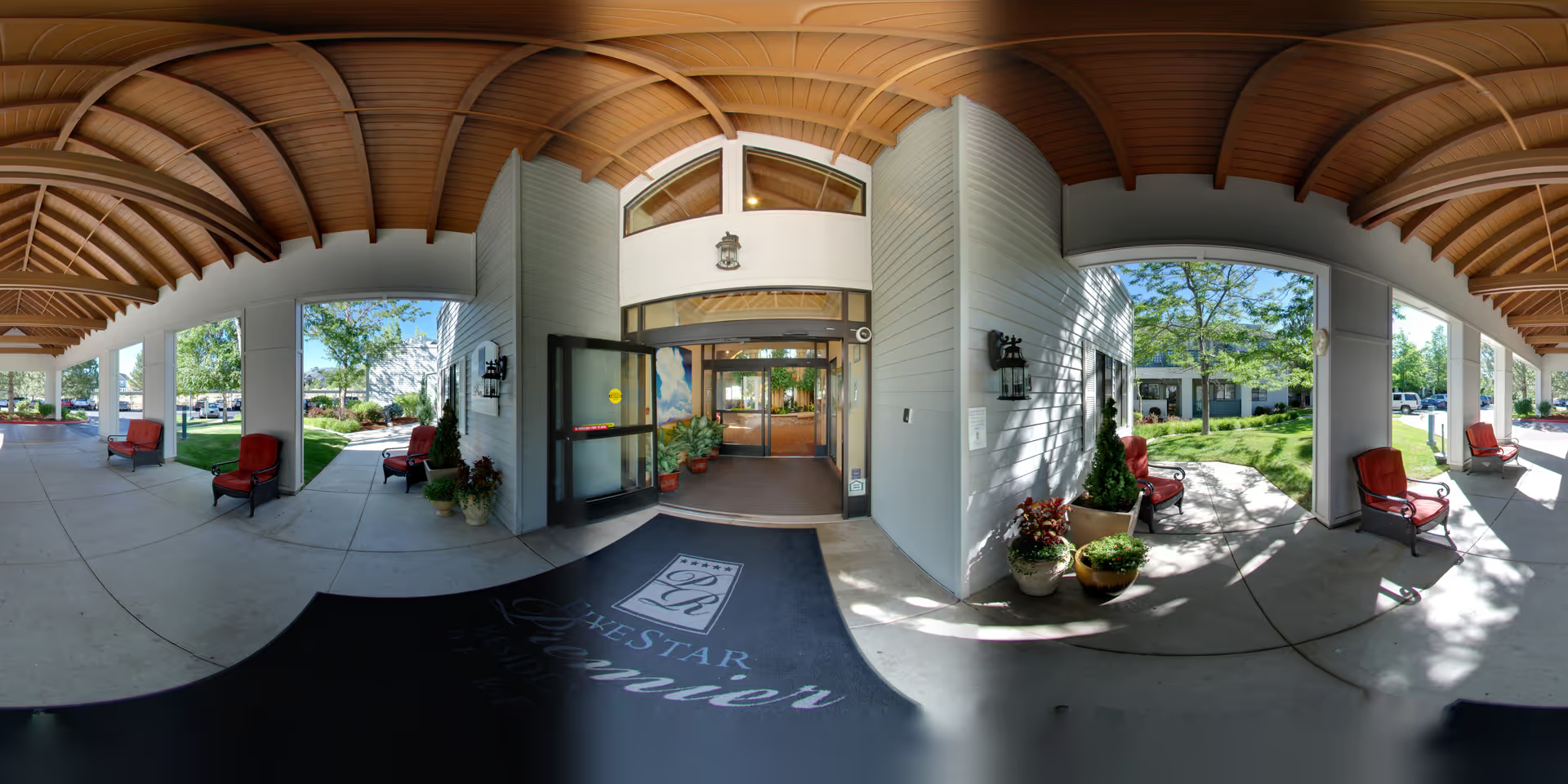
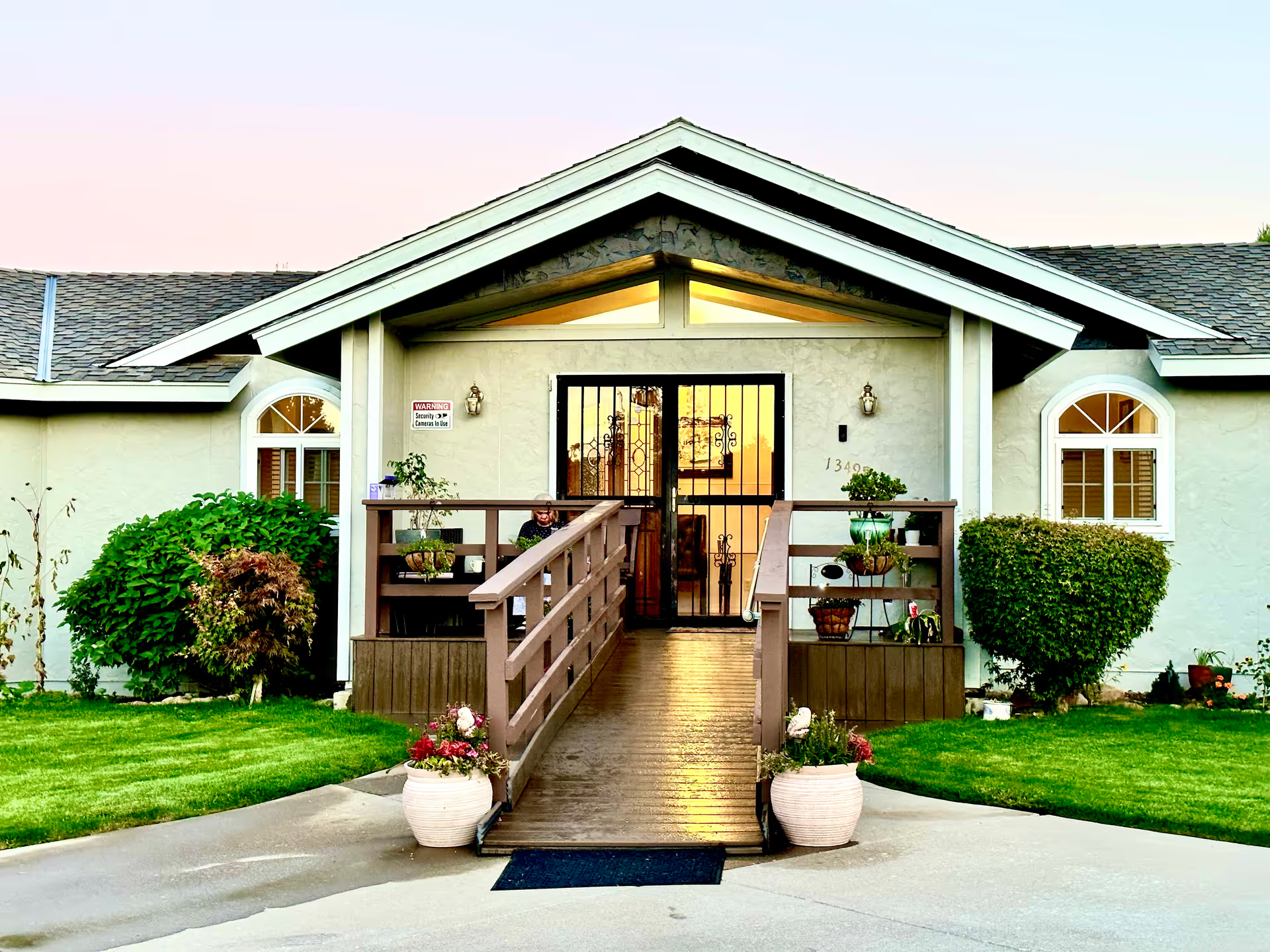
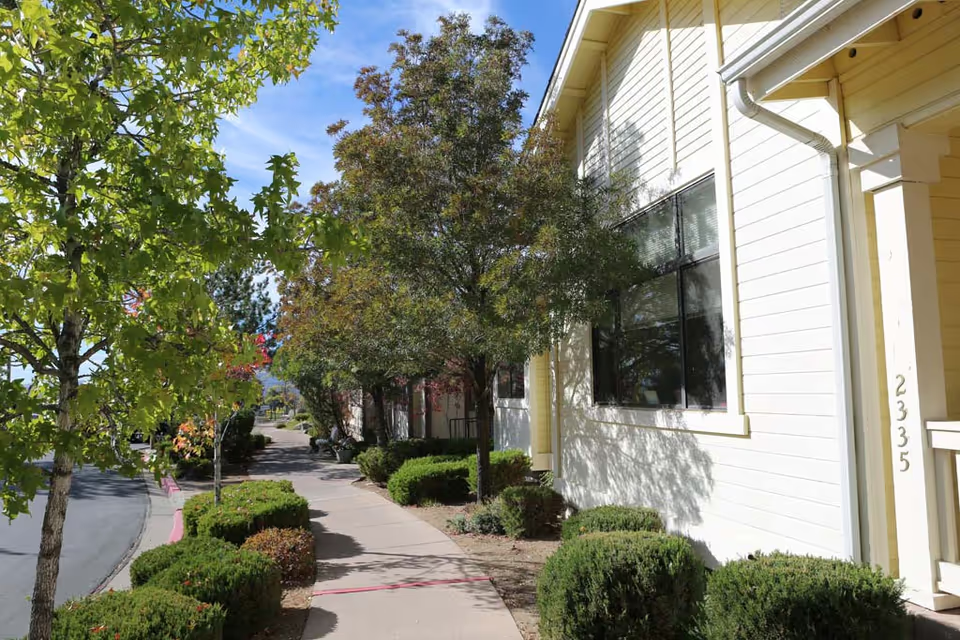
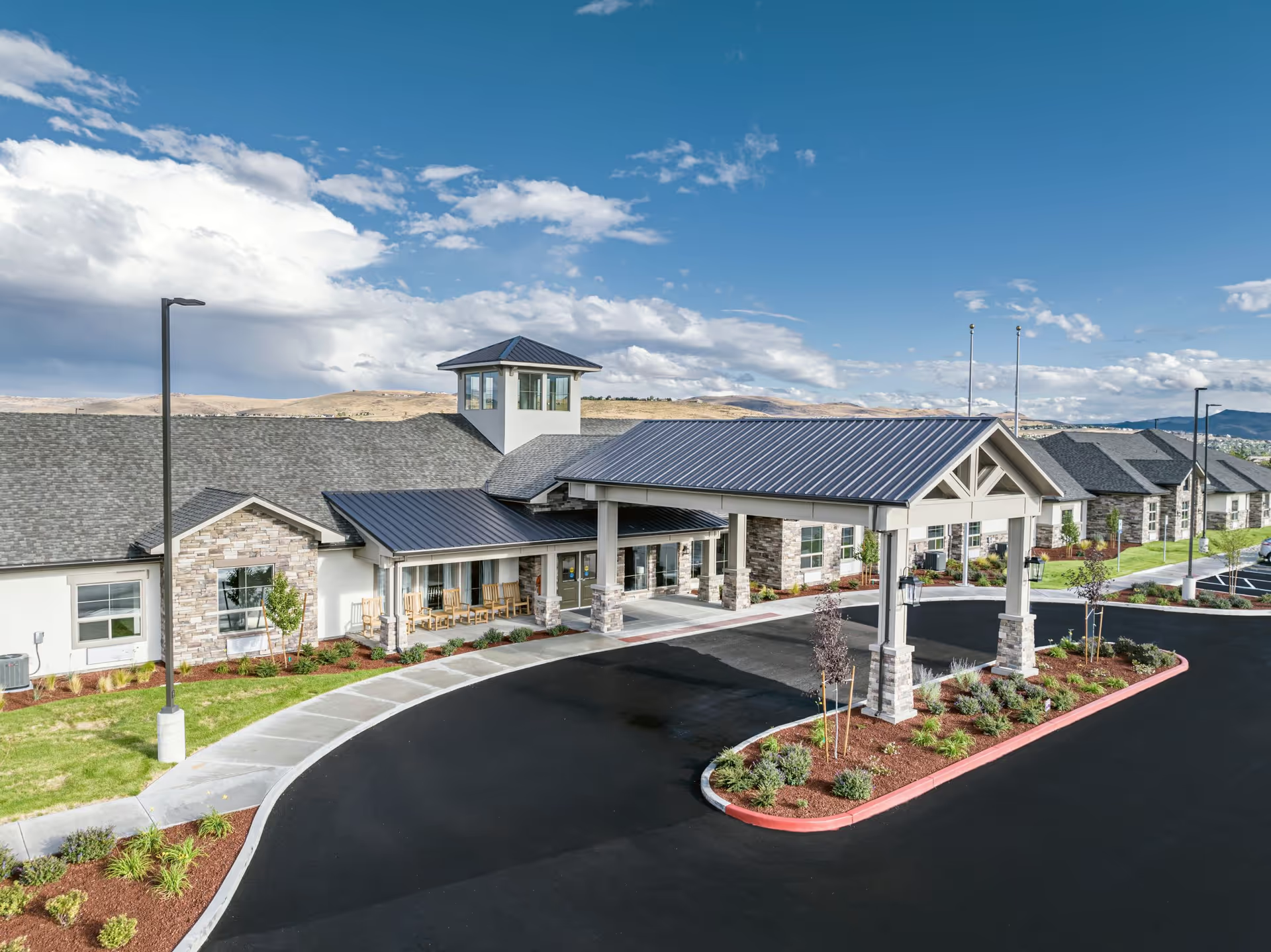
Dining, activities, and facilities: Dining is generally described positively, with meals characterized as good and well presented. The setting is frequently described as home-like and comfortable, with private rooms and in-room televisions noted as appreciated features. Many reviewers said the interior was clean and well maintained, and visitors found the environment pleasant and accessible. However, there are sanitation and laundry protocol gaps referenced that suggest periodic inconsistencies in linen and small-item cleaning practices; these are operational areas to verify during a visit.
Management and communication: Some feedback indicates an administrative focus on metrics or operational targets rather than explicit, resident-centered priorities. An outdated website and inconsistent public information were also noted, which can complicate initial research for prospective families. Taken together, these items suggest opportunities for clearer communication, stronger inventory and sanitation controls, and reinforced staff training to reduce variability in conduct and responsiveness.
Notable pattern and practical implication: The dominant pattern is bifurcated — strong, compassionate direct care and a comfortable physical environment on one hand, and episodic process and management shortcomings on the other. Prospective residents and families would benefit from direct inquiries about linen and sanitation protocols, medication/personal-item security procedures, staffing levels and training, and recent quality or inspection documentation. Observing meal service, visiting during different times of day, and speaking with current families can help confirm whether the facility’s strong caregiving practices are consistent and whether the operational concerns have been addressed.