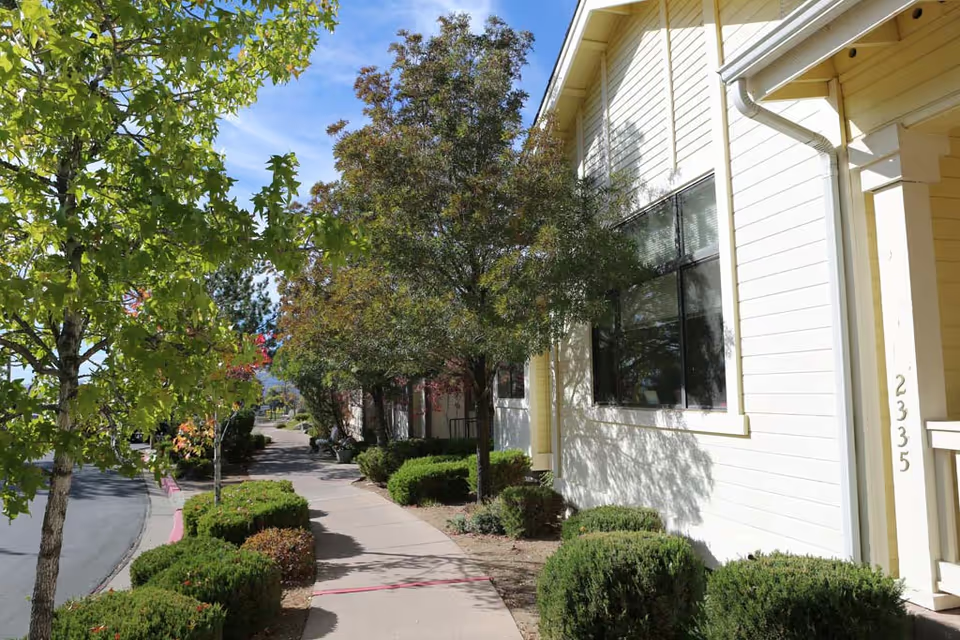
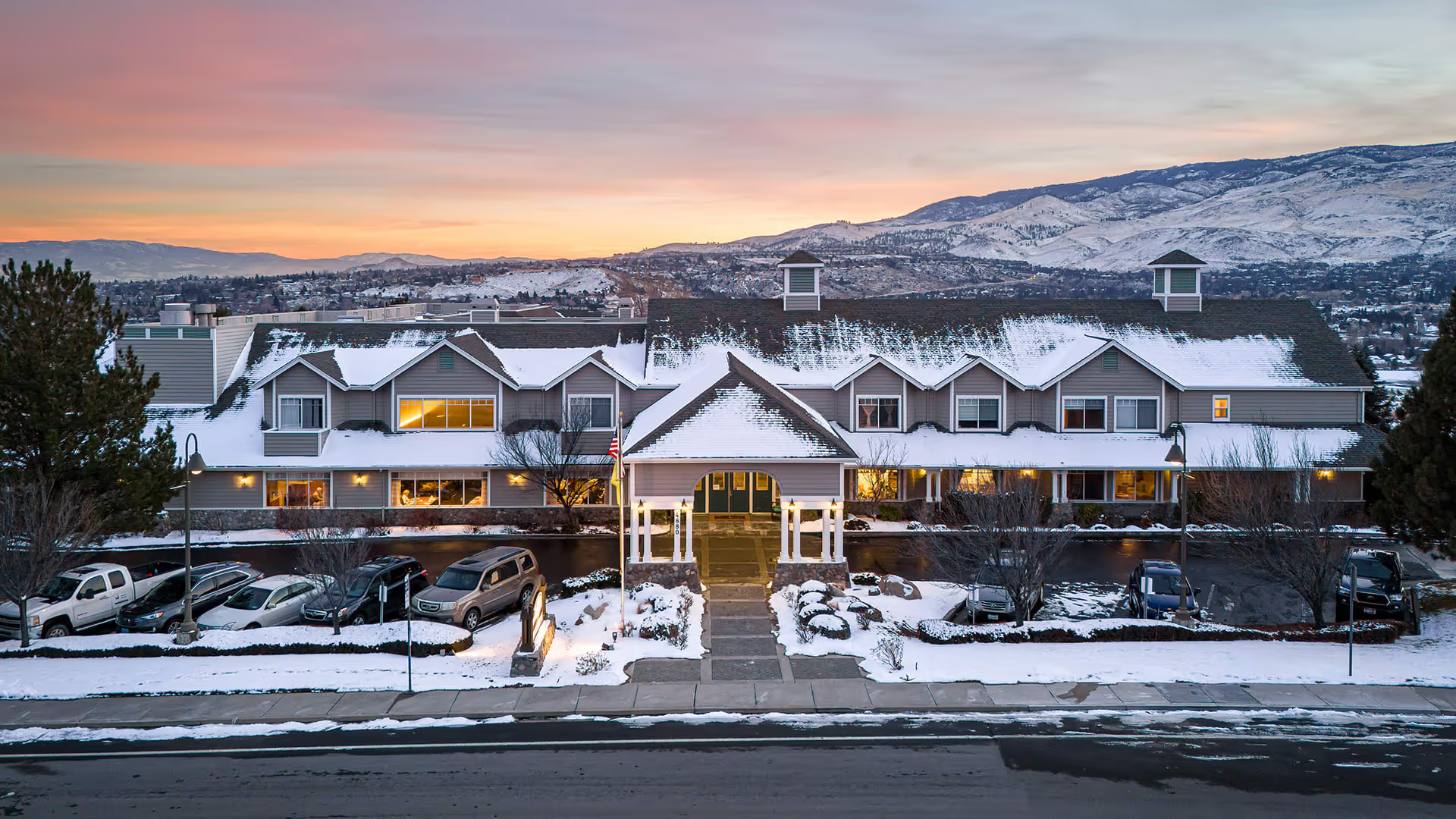
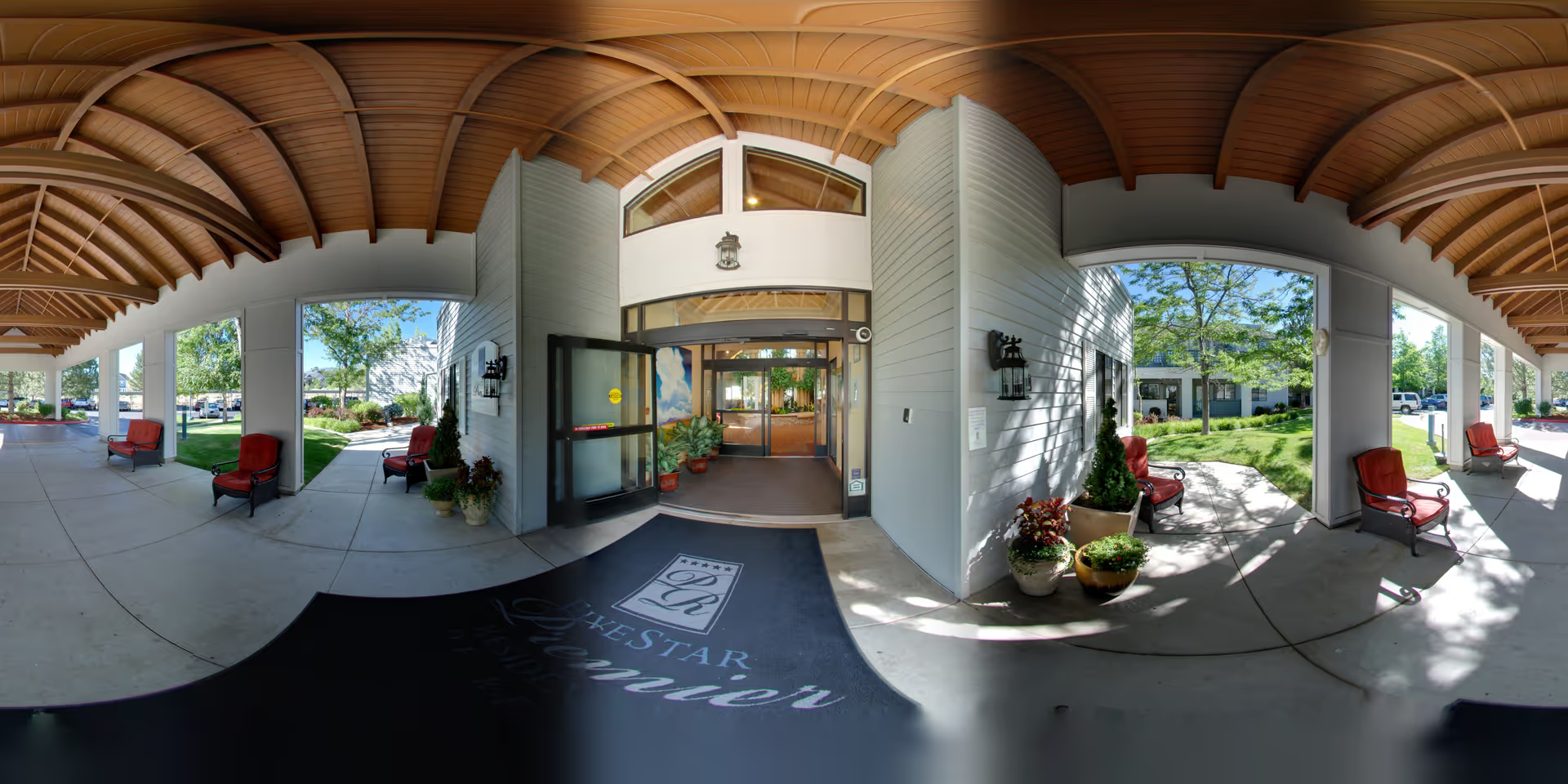
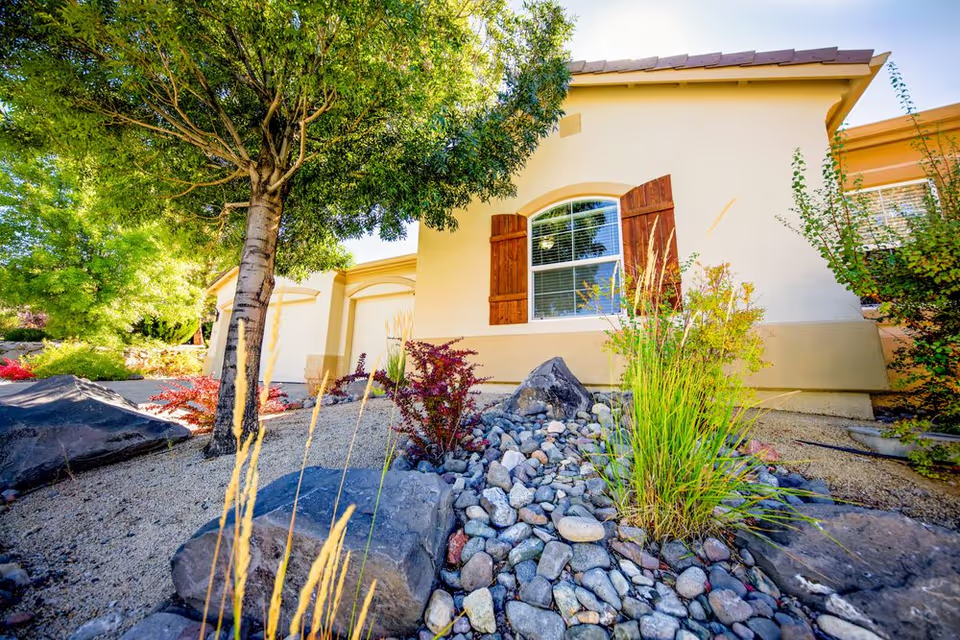
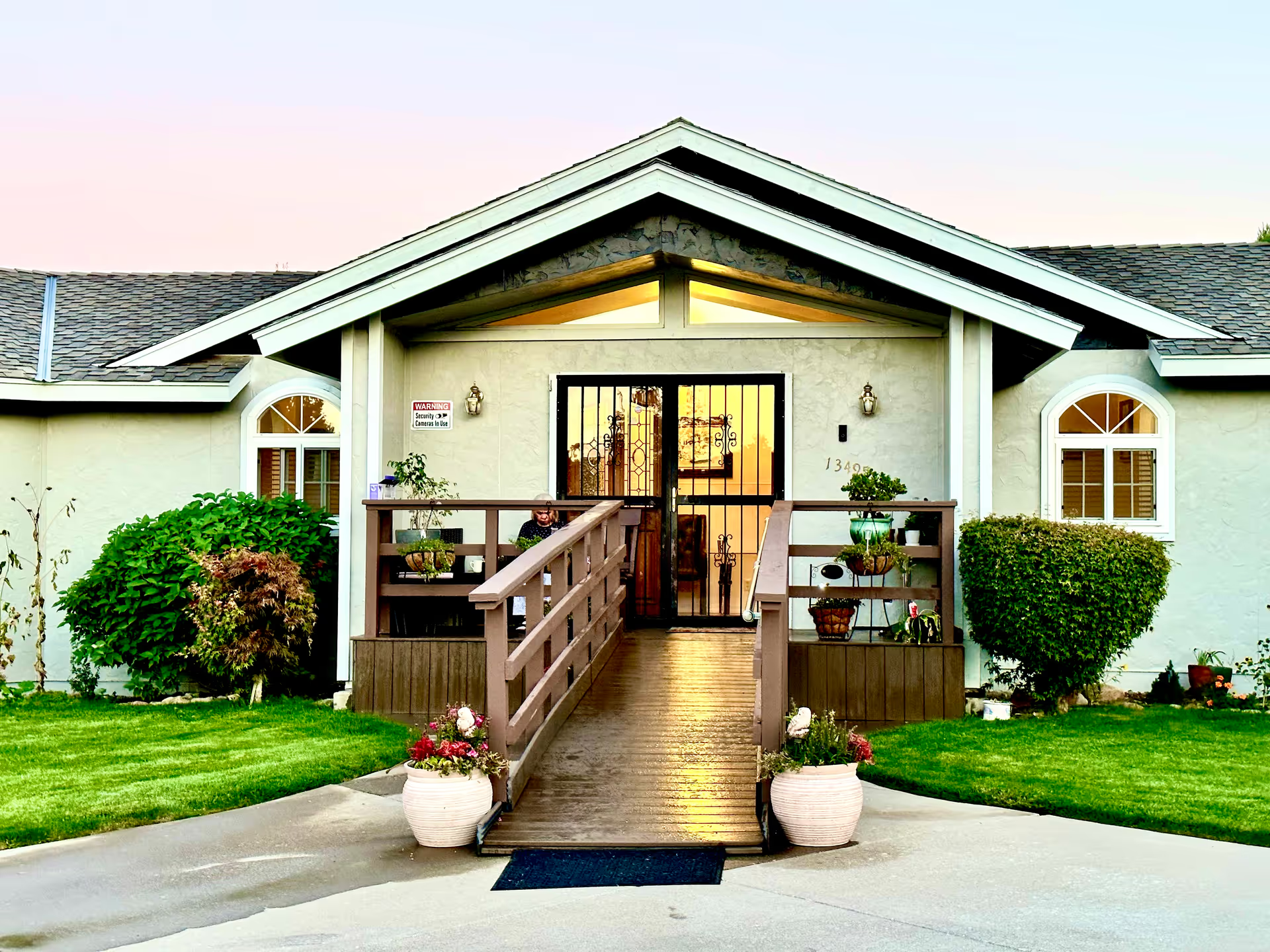
Across the summaries, day-to-day caregiving is most often described positively: nursing staff and frontline caregivers are characterized as compassionate and attentive, and several accounts highlight successful care for residents with dementia. Families and visitors also noted a generally clean facility and a pleasant, home-like atmosphere; residents were frequently described as appearing content and engaged.
Dining is a clear strength in these accounts. Multiple mentions of good or great food, a nice kitchen and dining area, and above-average cleanliness around meal service suggest the facility places emphasis on mealtime quality and upkeep. The combination of palatable meals and a tidy dining environment appears to contribute to overall resident satisfaction.
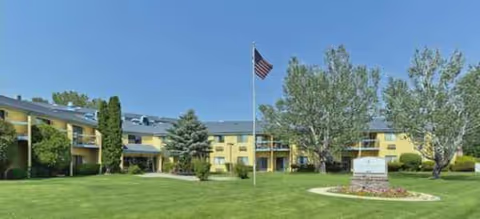
Facility and accessibility concerns are recurring. The building is older and two-story without an elevator, which creates access limitations for people with mobility impairments; reviewers noted uneven or bumpy decking and other maintenance items that may affect safe movement. Rooming configuration is another operational factor: there are private suites available upstairs but shared rooms on the lower level, which may be relevant when evaluating privacy and placement for prospective residents.
Scope of clinical capability is mixed. While routine care and dementia support are described positively, reviewers indicate the facility may not be well suited for residents with high-acuity needs or full-time wheelchair dependence. Families seeking higher-level medical or mobility support should verify staffing ratios, transfer protocols, and equipment availability before placement.
Comments about management are inconsistent. Several accounts praise the owner and leadership, while others raise serious concerns about management conduct and suggest care prioritization may be influenced by payment status. These are significant differences in impression and warrant direct discussion with administrators about policies on admissions, care prioritization, billing, and family communication.
In summary, the facility appears to offer a clean, home-like environment with strong daily caregiving and meal programs, and it can be a good fit for residents with moderate care needs including dementia support. Prospective residents and families should conduct an in-person visit to assess physical accessibility, room-configuration options, and maintenance condition; ask specific questions about the facility's ability to manage higher-acuity or wheelchair-dependent residents; and clarify management policies on admissions, payment prioritization, and dispute-resolution to address the mixed impressions about leadership and communication.