Hearthstone Health & Rehab elicits a mixed but actionable profile from families and residents. The facility is frequently praised for its rehabilitation services: physical, occupational and speech therapists are described as skilled, motivated and effective in improving mobility, speech and independence. Many accounts emphasize positive rehabilitation outcomes, daily therapy engagement, and therapists who go beyond assigned duties to support recovery. Transportation, drivers and some administrative staff are also noted as pleasant and accommodating.
Care delivery shows meaningful strengths alongside notable inconsistencies. Numerous reviewers describe compassionate, personable CNAs and nurses who provide attentive bedside care; however, others describe slow responses to call lights, delays in basic assistance, and variability in how personal-care tasks (showers, linen changes, toileting assistance) are scheduled and executed. Understaffing of aides and CNAs appears to be a recurrent operational driver for these delays. Medication administration delays and occasional medication-management lapses were raised by multiple families, which underscores a need to clarify medication processes and monitoring.
Dining and nutrition present mixed experiences. Some families praise meal presentation and the availability of dining options, while many note inconsistent food quality, cold meals, and difficulties obtaining appropriate therapeutic textures or allergy-safe meals. Several reviewers reported incorrect meal provision relative to prescribed diets and limited accommodation for special requests such as gluten-free or pureed diets. Meal-temperature control and small hospitality tasks (heating meals, providing utensils) were also identified as intermittent service gaps.
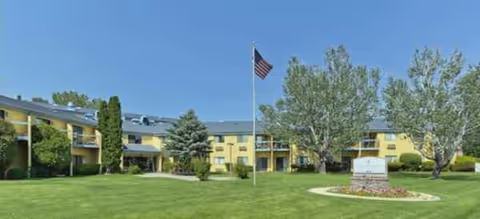
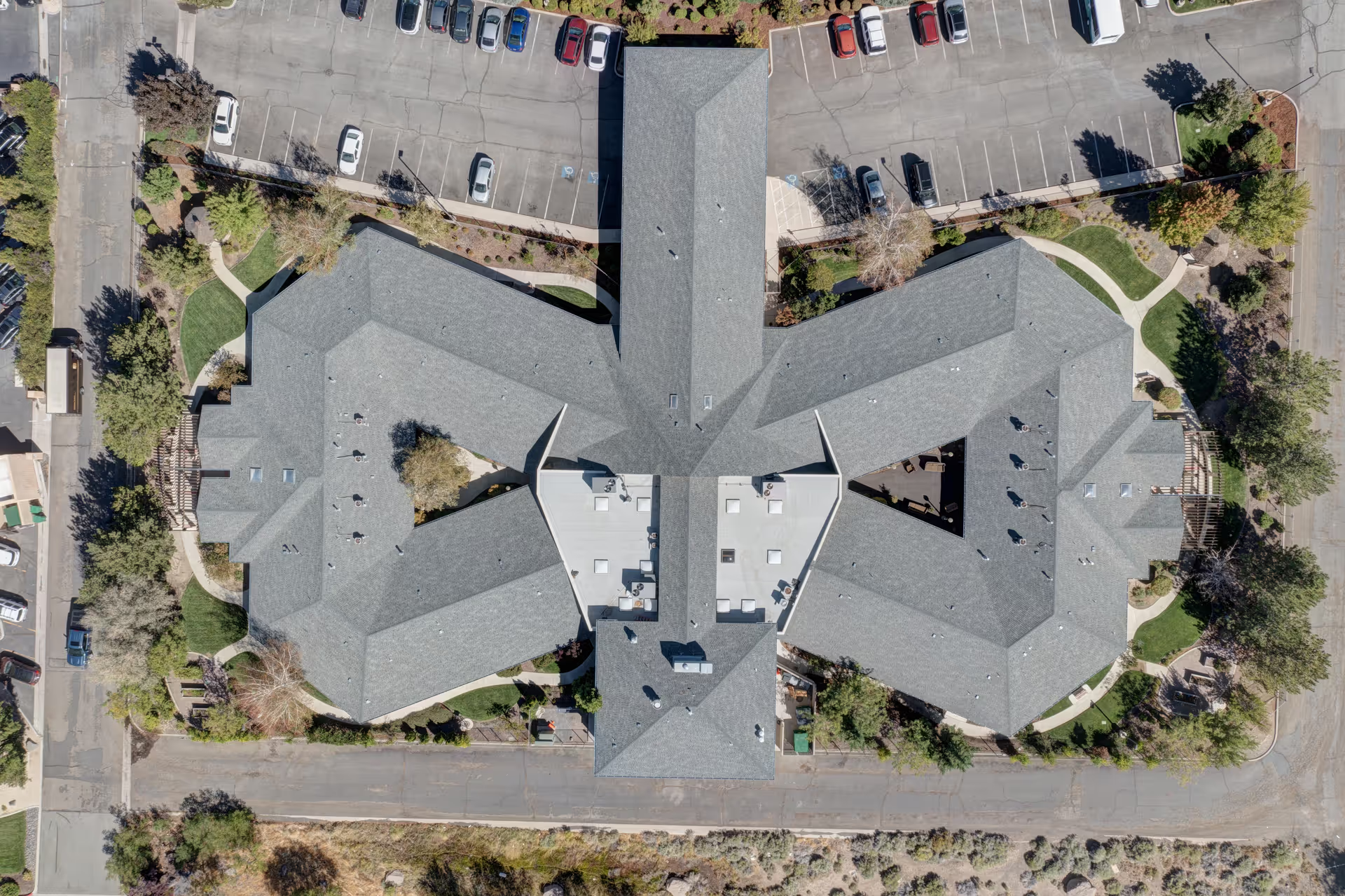
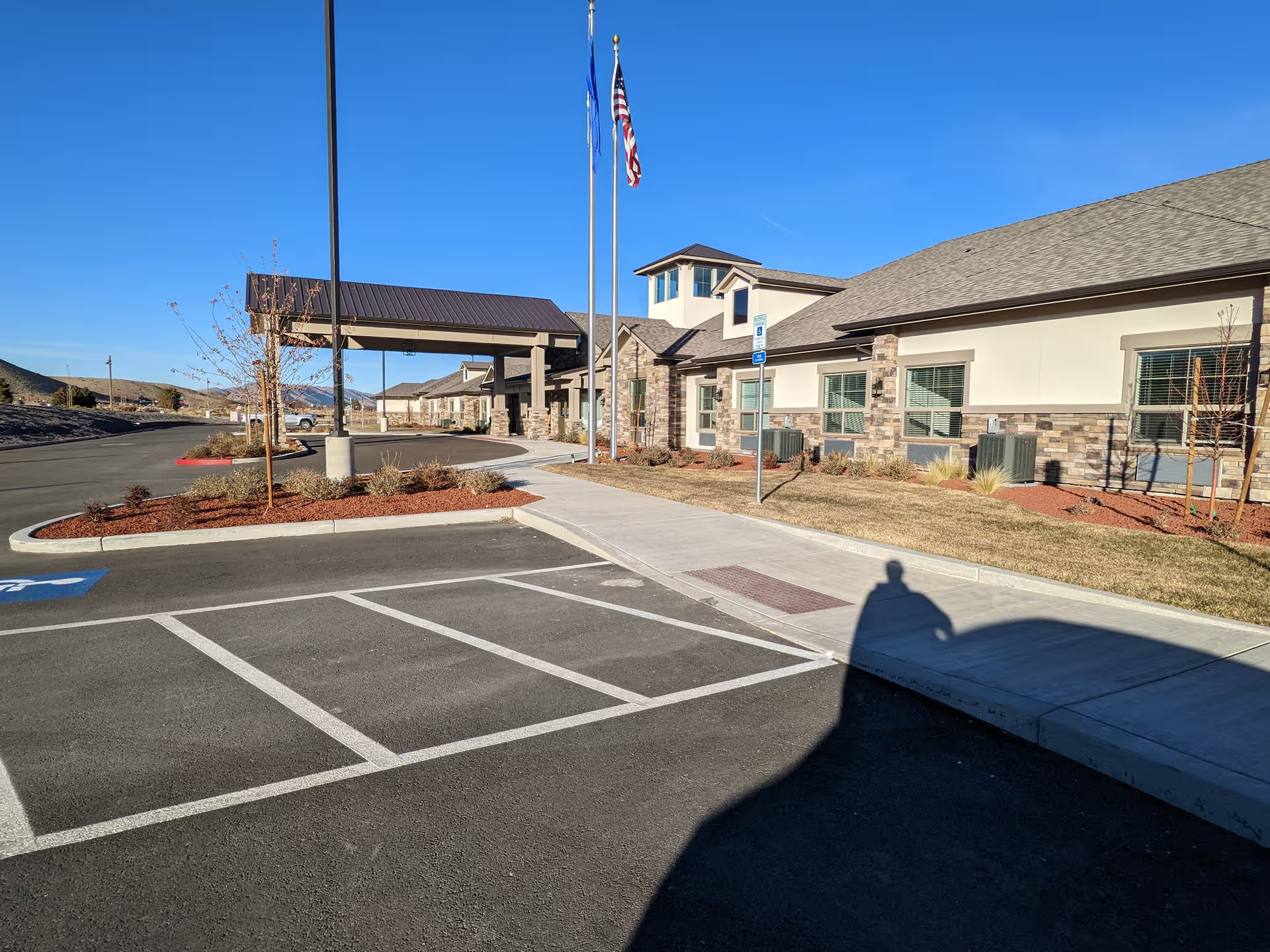
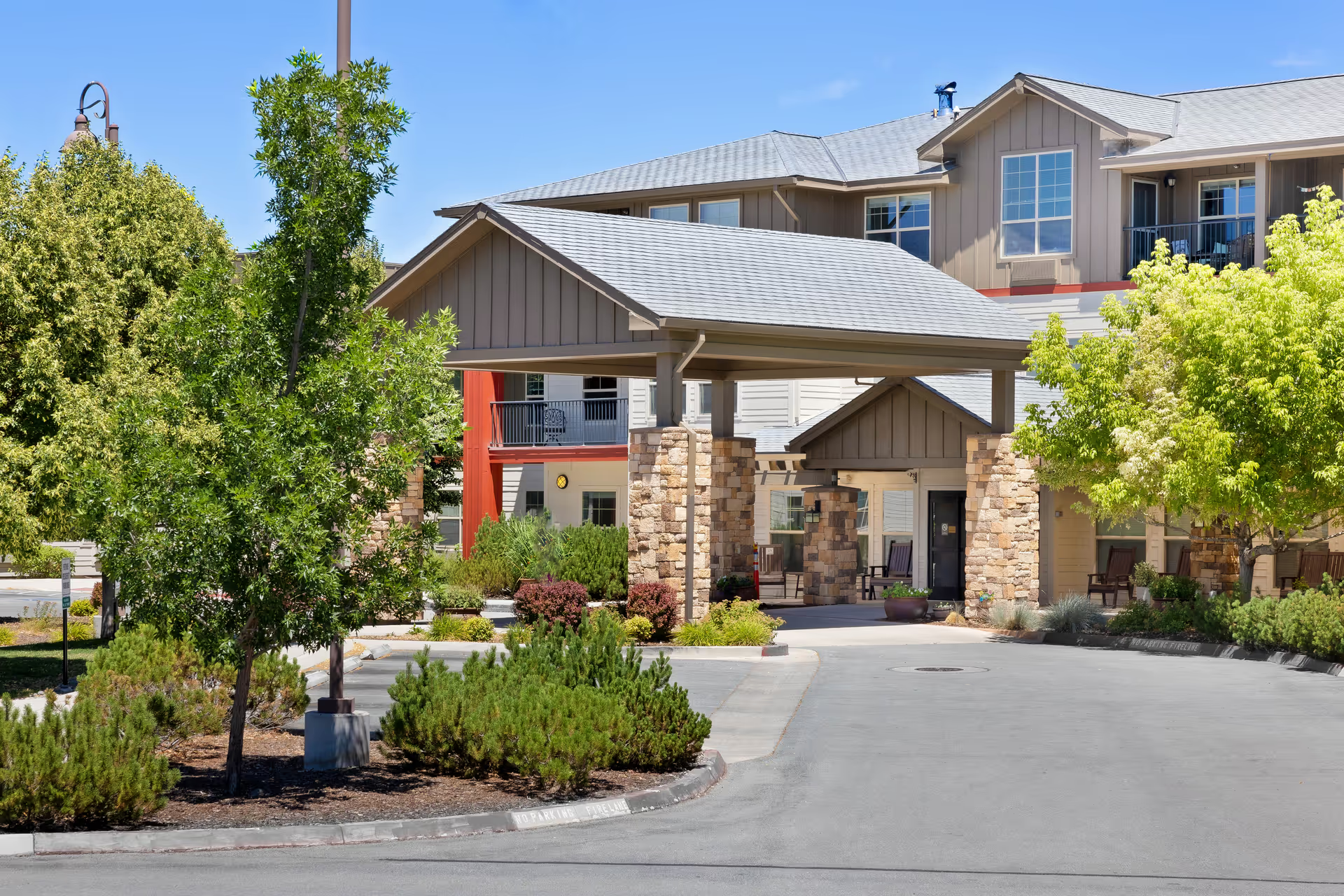
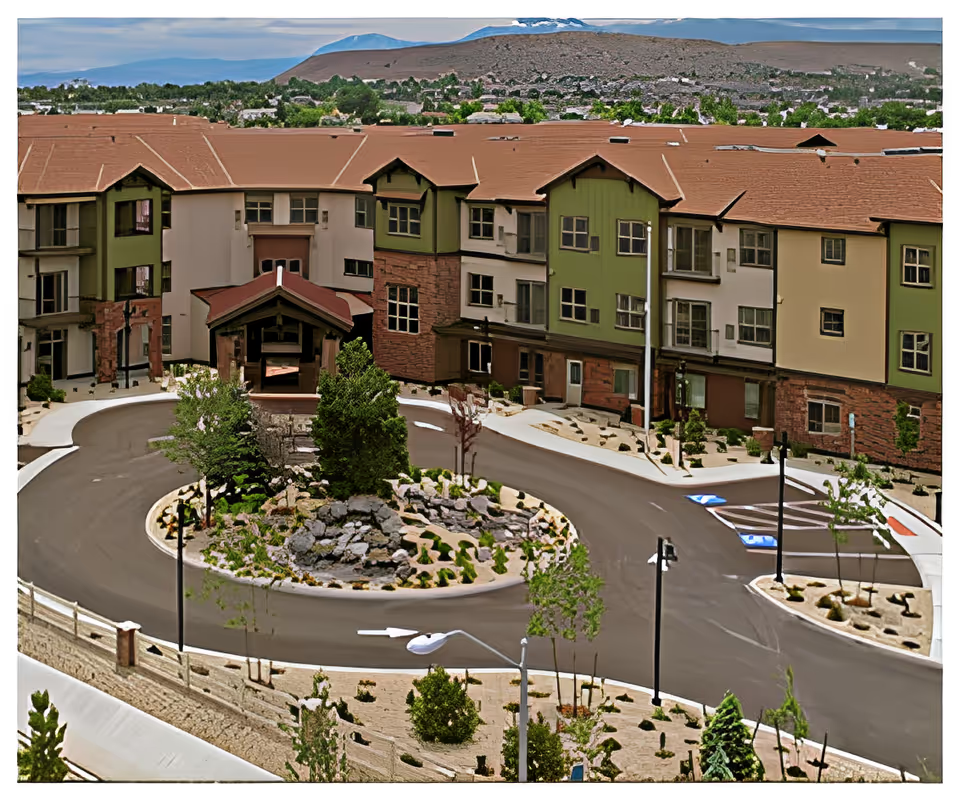
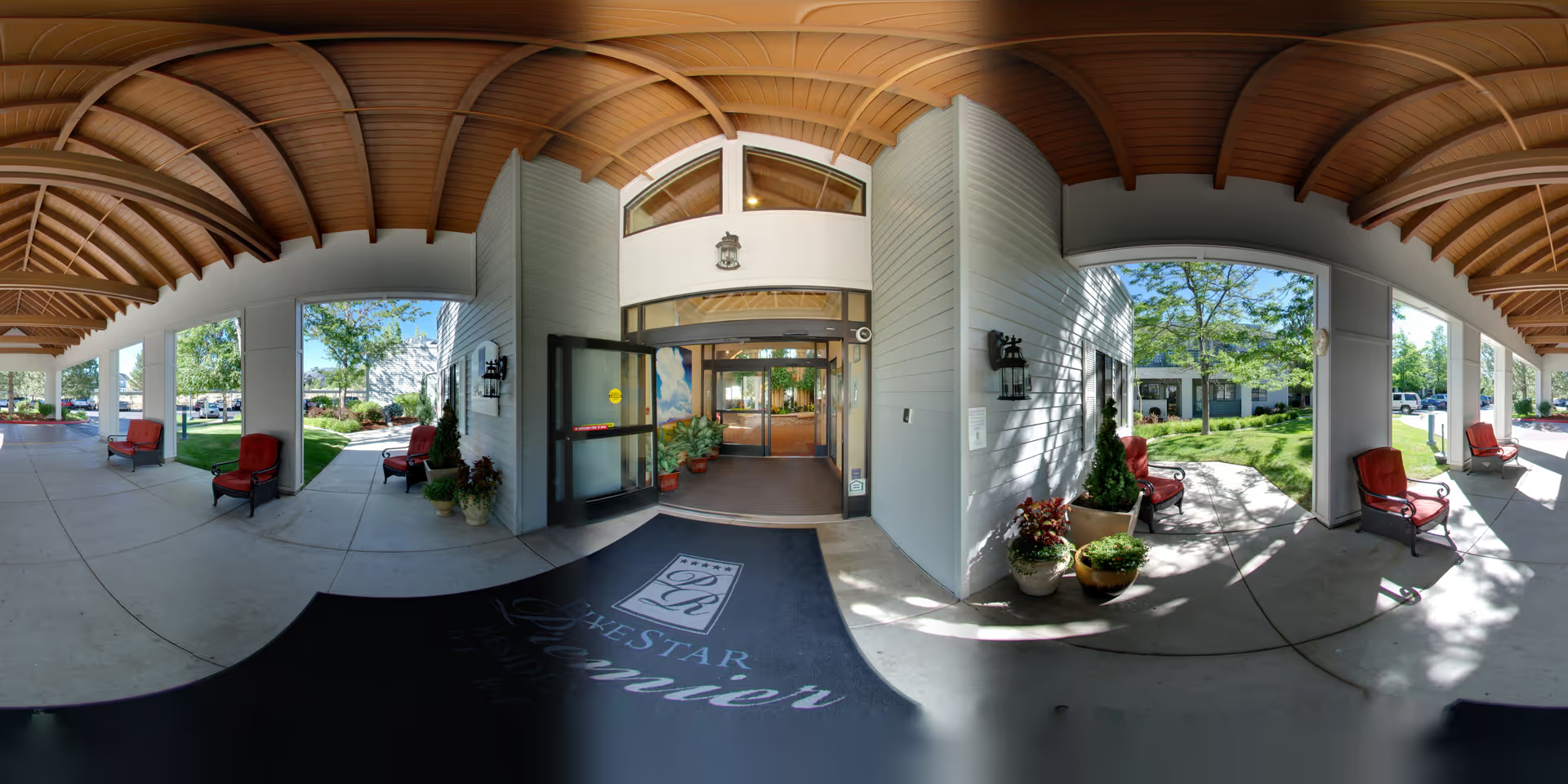
Facility condition and housekeeping receive both positive and critical comments. The entrance, lobby and some common areas are widely described as clean and welcoming, and housekeeping in public spaces is frequently acknowledged. At the same time, reviews point to sanitation inconsistencies in some resident rooms, sporadic odor concerns in areas, worn linens, missing towels, and occasional lapses in laundry or supply management. These inconsistencies appear localized rather than universal but are significant when they occur.
Communication and management responsiveness are uneven. Several families commended proactive social work and administrative follow-through, timely updates, and collaborative care meetings. Conversely, multiple reports note difficulties reaching staff by phone, slow or absent clinical updates, and perception of indifferent responses from some supervisors. These communication gaps tended to amplify concerns arising from staffing shortages or clinical delays and contributed to families’ frustration.
Safety and operational oversight trends merit attention. Reviewers raised concerns about inconsistent incident response, variable supervision during night shifts, and a few isolated safety-related events that point to gaps in resident-safety oversight and escalation protocols. While these appear not to be pervasive, they are consequential and related in part to staffing levels and shift coverage.
Activities and community life are generally a positive aspect: reviewers describe a welcoming atmosphere, meaningful activities (bingo, outings), and staff who create a sense of community. Overall impressions vary widely by unit, shift and individual staff assignment: the strongest, most consistent positives lie in the therapy program and in individual caregivers who form strong bonds with residents; the most consistent operational weaknesses are in staffing levels, responsiveness, dietary accommodation, communication, and some aspects of room-level cleanliness.
For prospective residents and families: Hearthstone may be a strong choice when rehabilitation is the primary need, given its therapy capabilities and many dedicated staff. Families considering placement should proactively ask about staffing ratios, call-light response expectations, processes for medication administration and allergy/dietary accommodations, and the facility’s plan for consistent family communication. Regular check-ins during the stay can help identify and resolve the intermittent operational issues families described.