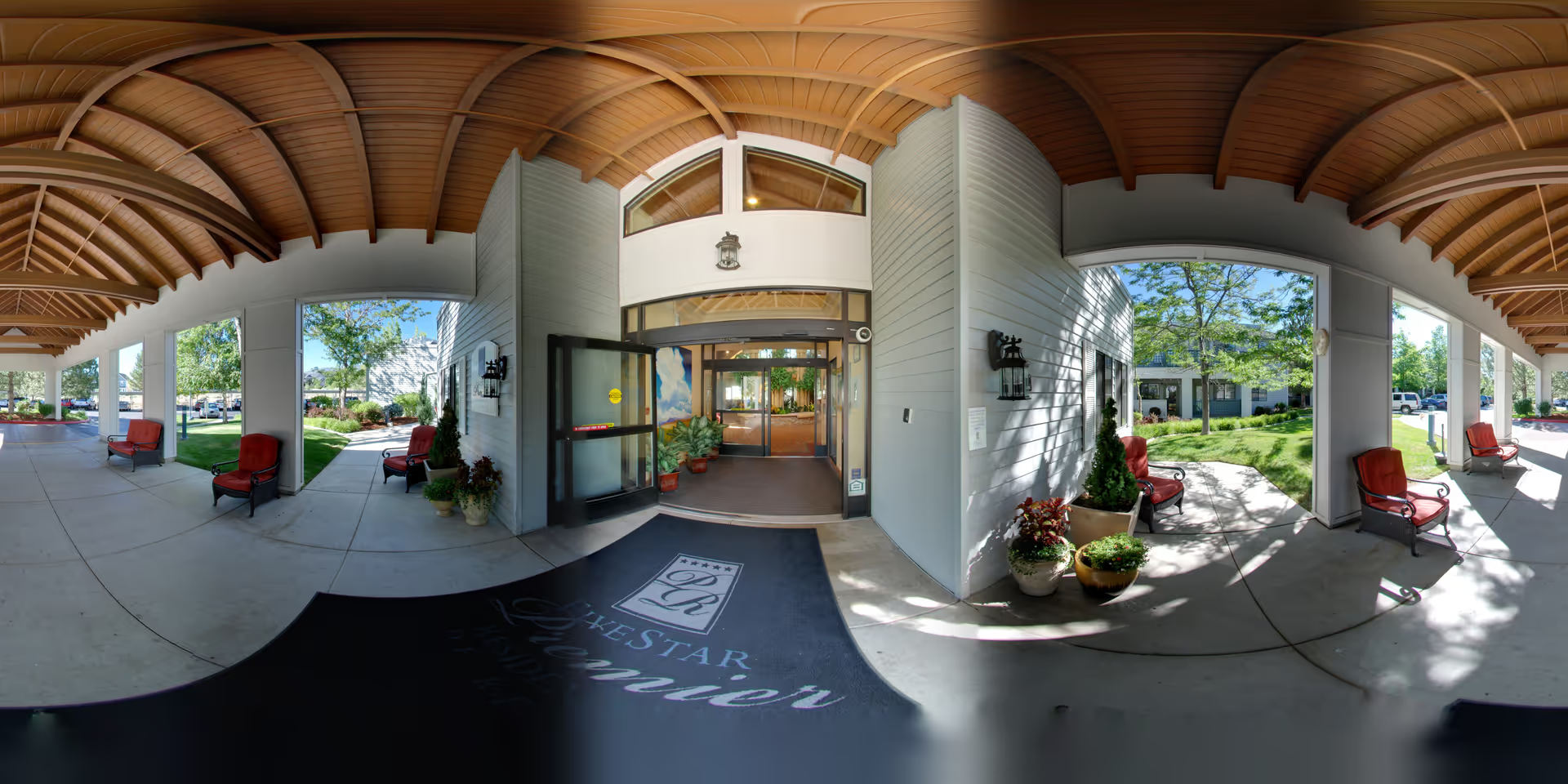
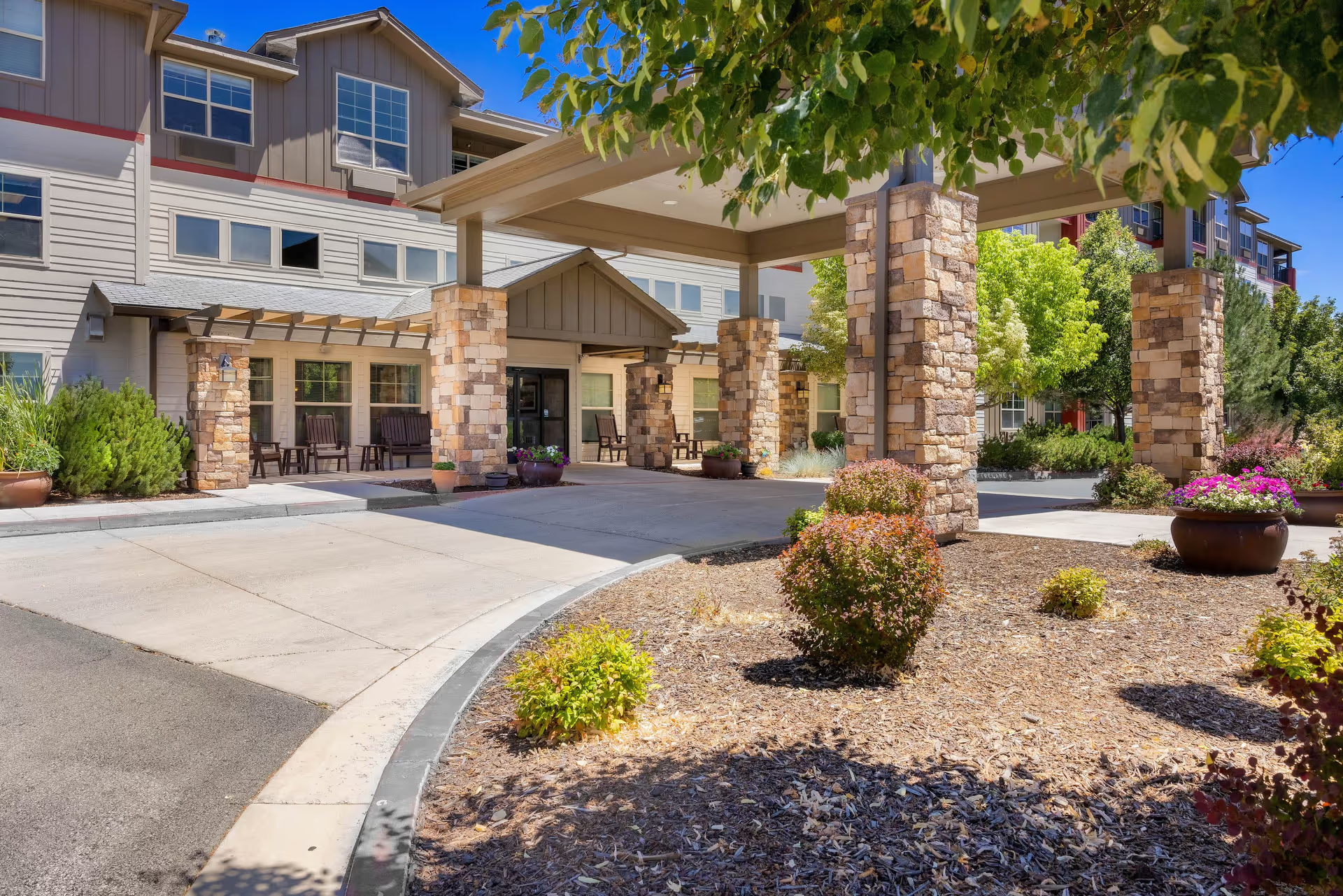
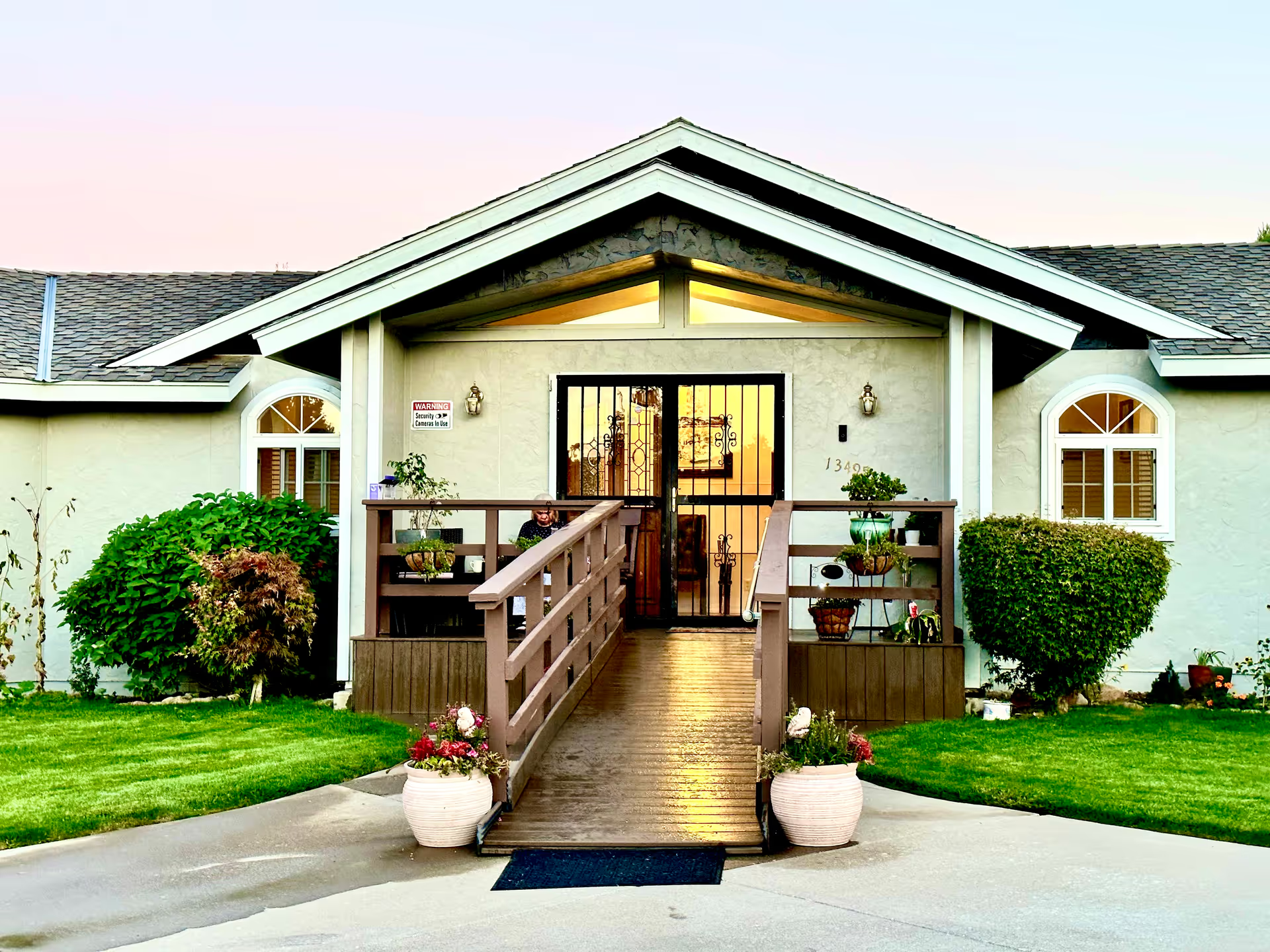
Park Place presents as a small, cottage-style assisted living community with a number of consistent strengths alongside operational variability that prospective families should evaluate. Strengths commonly cited include a family-like culture, long-tenured and compassionate caregivers, private studio rooms, an active calendar of events and outings, attractive grounds and views, and onsite hospice/clinical capabilities. Many families praised the admissions process, move-in support, maintenance responsiveness, and an all-inclusive pricing model that simplified billing and planning.
Care quality and staff performance are the most polarizing areas. Numerous accounts describe attentive, kind staff who provide individualized support, continuity for long-term residents, and strong hands-on caregiving. Counterbalancing those accounts are repeated descriptions of understaffing, long waits for assistance, inconsistent personal-care routines (for example, missed or infrequent shower assistance), and instances where call-button responsiveness was delayed. There are also recurring mentions of staff turnover and variability in skill levels; where staff stability is high the experience is reported as markedly better, and where turnover has occurred families describe declines in continuity and communication. A few reviews referenced specific clinical-process lapses — for example, malfunctioning monitoring devices and medication-administration concerns — which suggests the need to ask about current clinical oversight and training during a tour.
Dining and programming produce mixed impressions. Several families described varied, homestyle meals and accommodations for special diets, while others characterized food quality as inconsistent and coping with occasional off-site or prepackaged meal service. Activity programming is a clear strength when it is fully staffed: live music, outings, arts and classes, and community events are frequently praised. However, multiple notes about activities being canceled, uneven scheduling, or limited offerings at times indicate program delivery can be irregular, especially during staffing or post-pandemic operational changes.
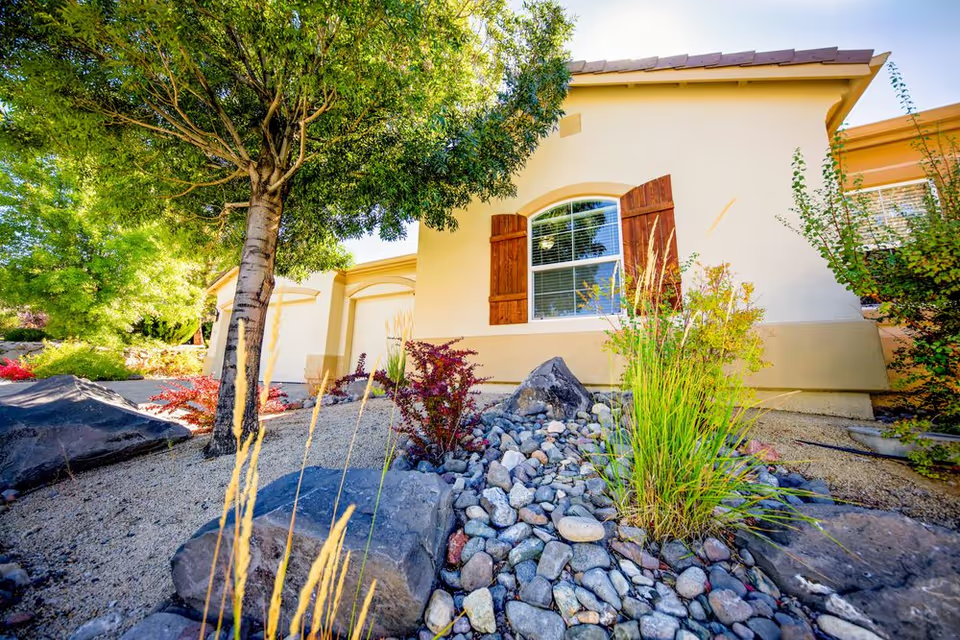
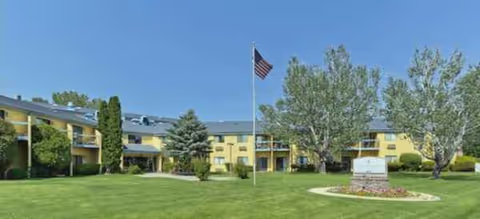
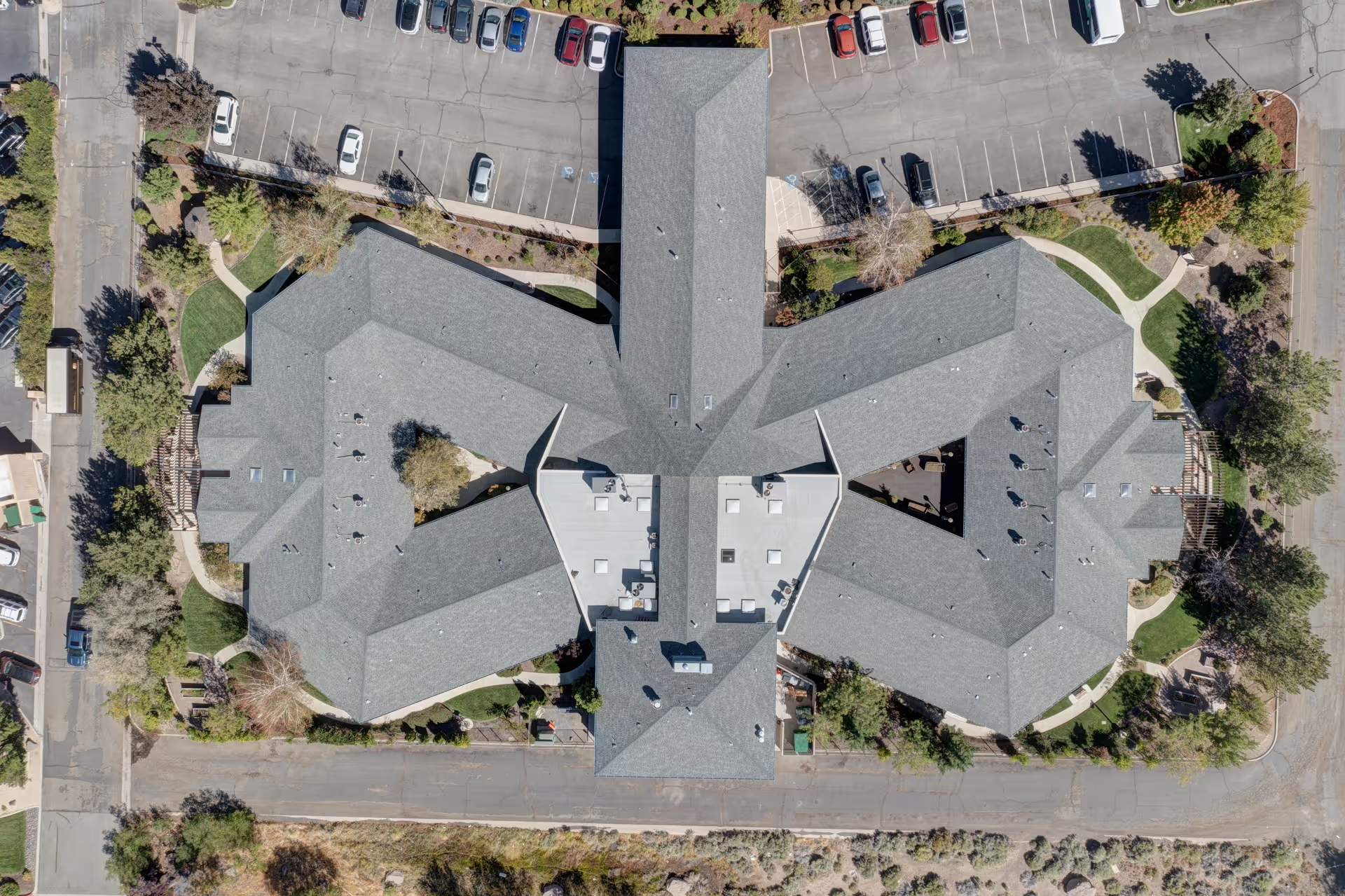
Facility and management themes are similarly mixed. The cottage layout, porches, gardens, and proximity to local attractions were widely appreciated and are good fits for residents who value a smaller, neighborhood feel. At the same time, reviewers identified small private rooms and some building limitations (steps, distance between cottages, or narrow corridors) that may be less suited to residents with significant mobility needs. Several reviewers raised concerns about housekeeping and sanitation inconsistencies, access-control or safety-process gaps, and uneven follow-through on infection-prevention measures such as annual immunizations. Administrative feedback ranged from highly responsive leadership to criticisms about front-office communication and a management emphasis on occupancy; prospective families should probe current staffing models, care protocols, and safety procedures.
In summary, Park Place appears to offer a warm, home-like setting with strong potential for high-quality, personalized care when staffing and clinical processes are stable. Prospective residents and families should weigh the favorable resident-centered culture, activities, and grounds against reported variability in staffing, housekeeping, meal quality, activity consistency, and some clinical oversight concerns. A thorough tour with focused questions about current staffing ratios, nurse oversight, medication and monitoring procedures, housekeeping schedules, activity calendars, and security/access controls will help determine whether Park Place aligns with a particular resident's needs.