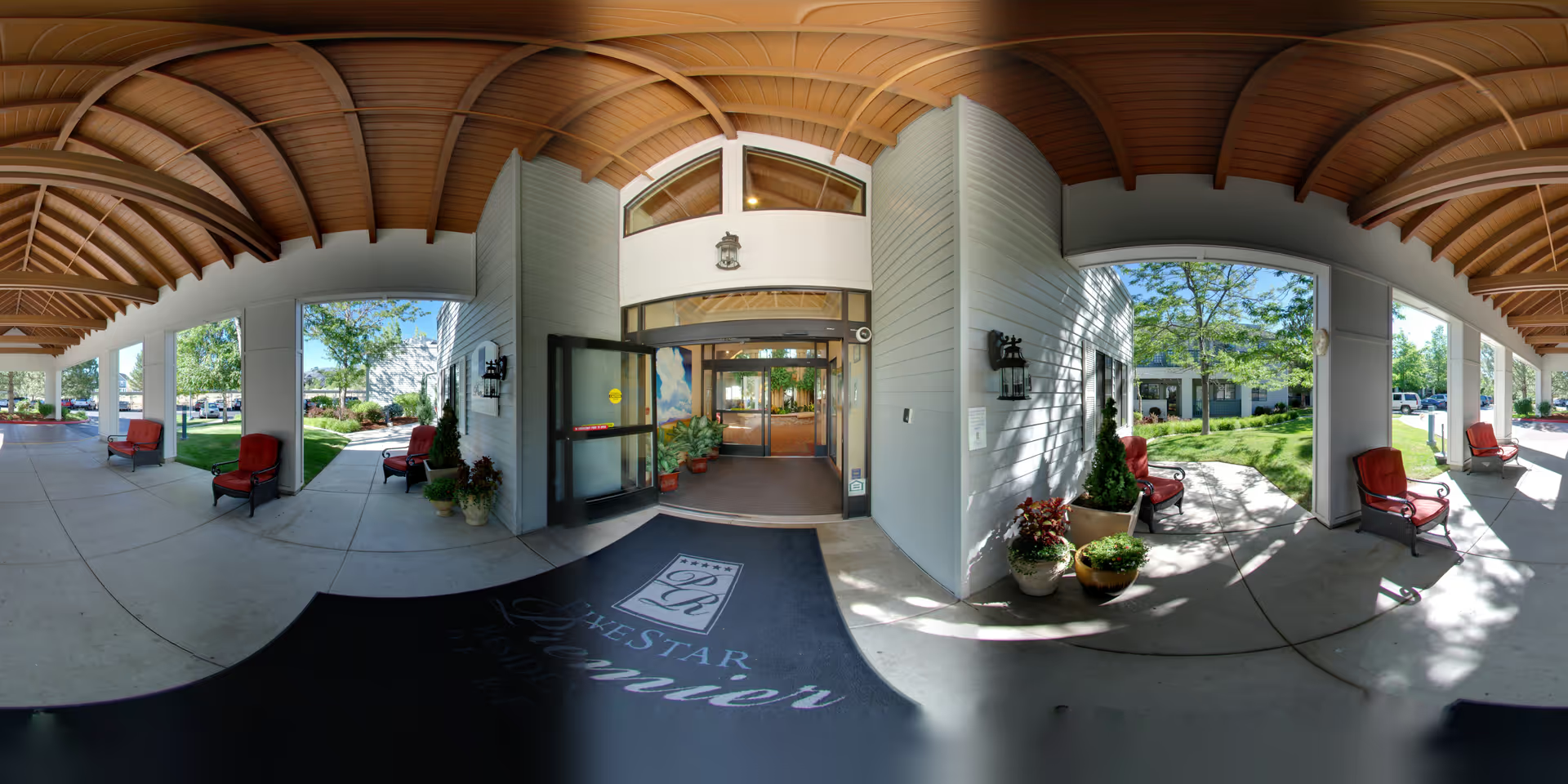
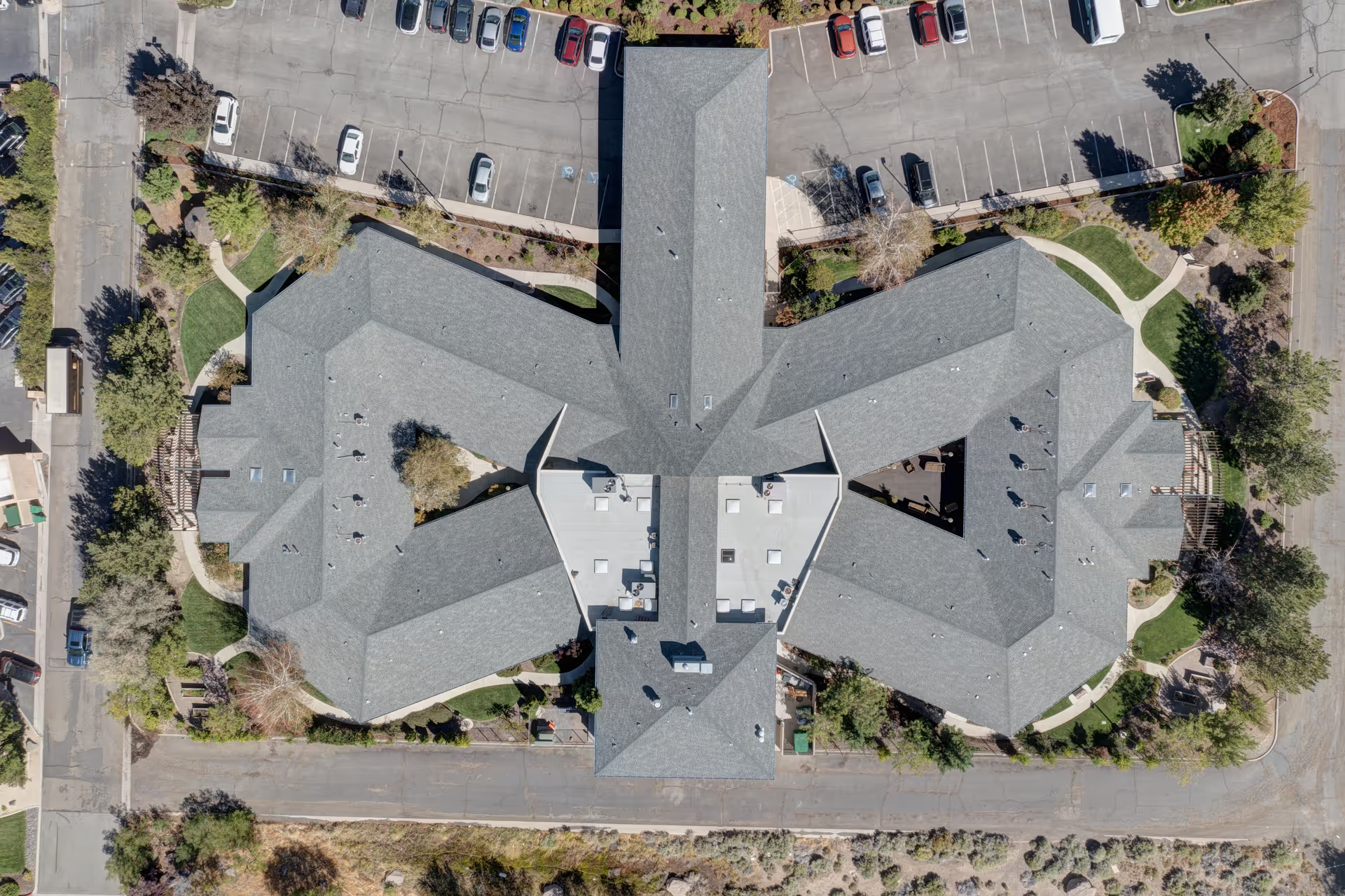
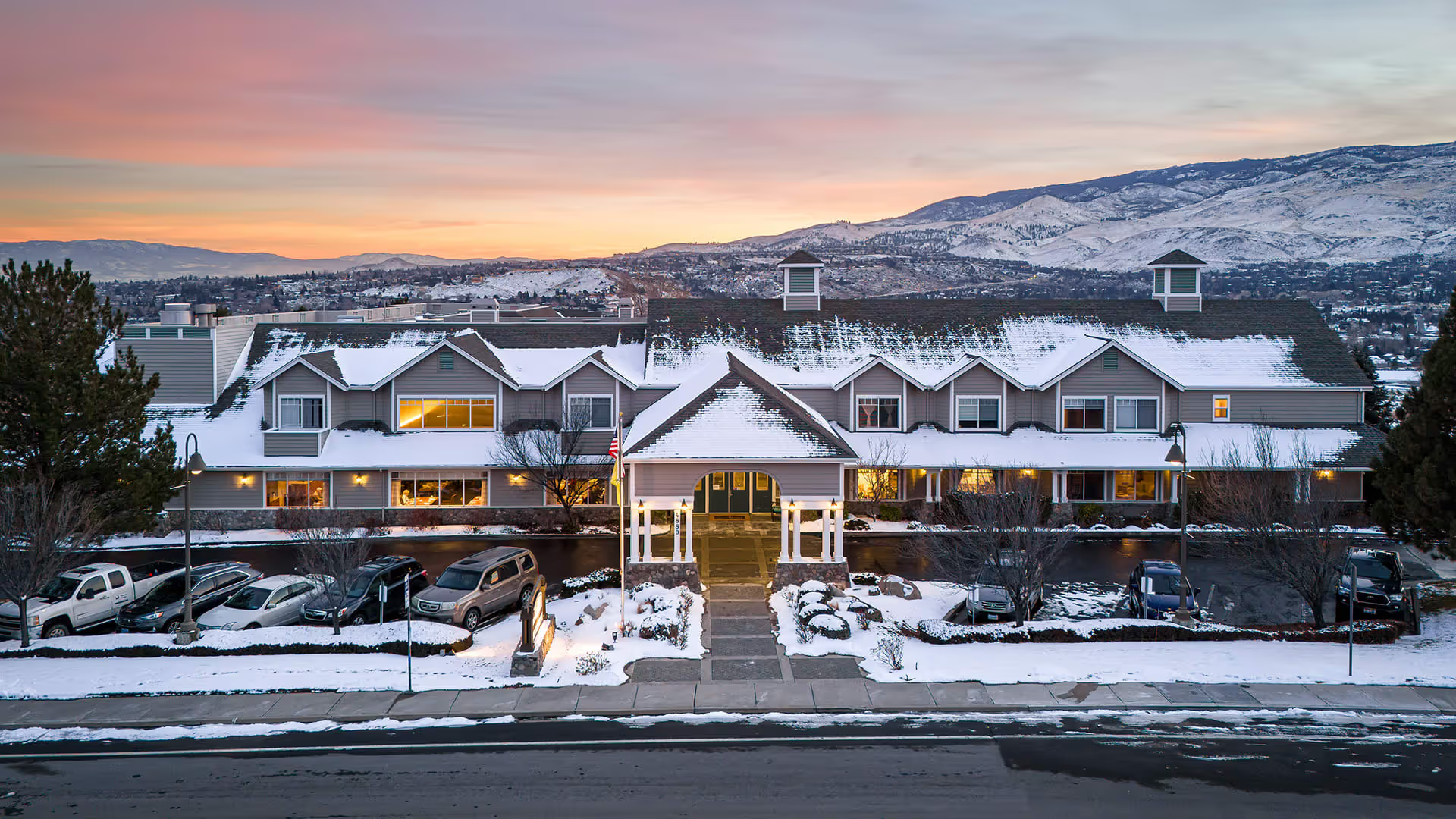
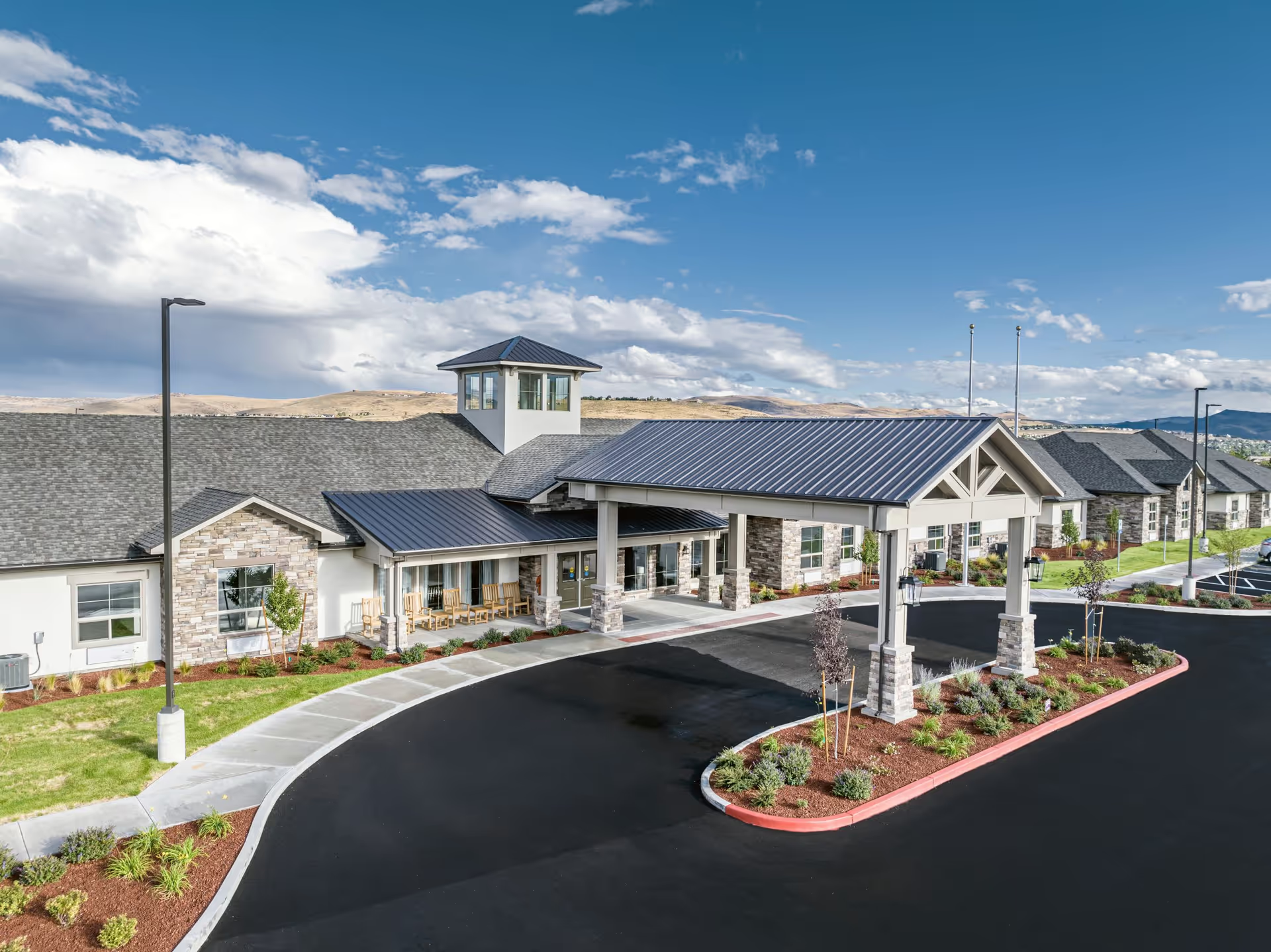
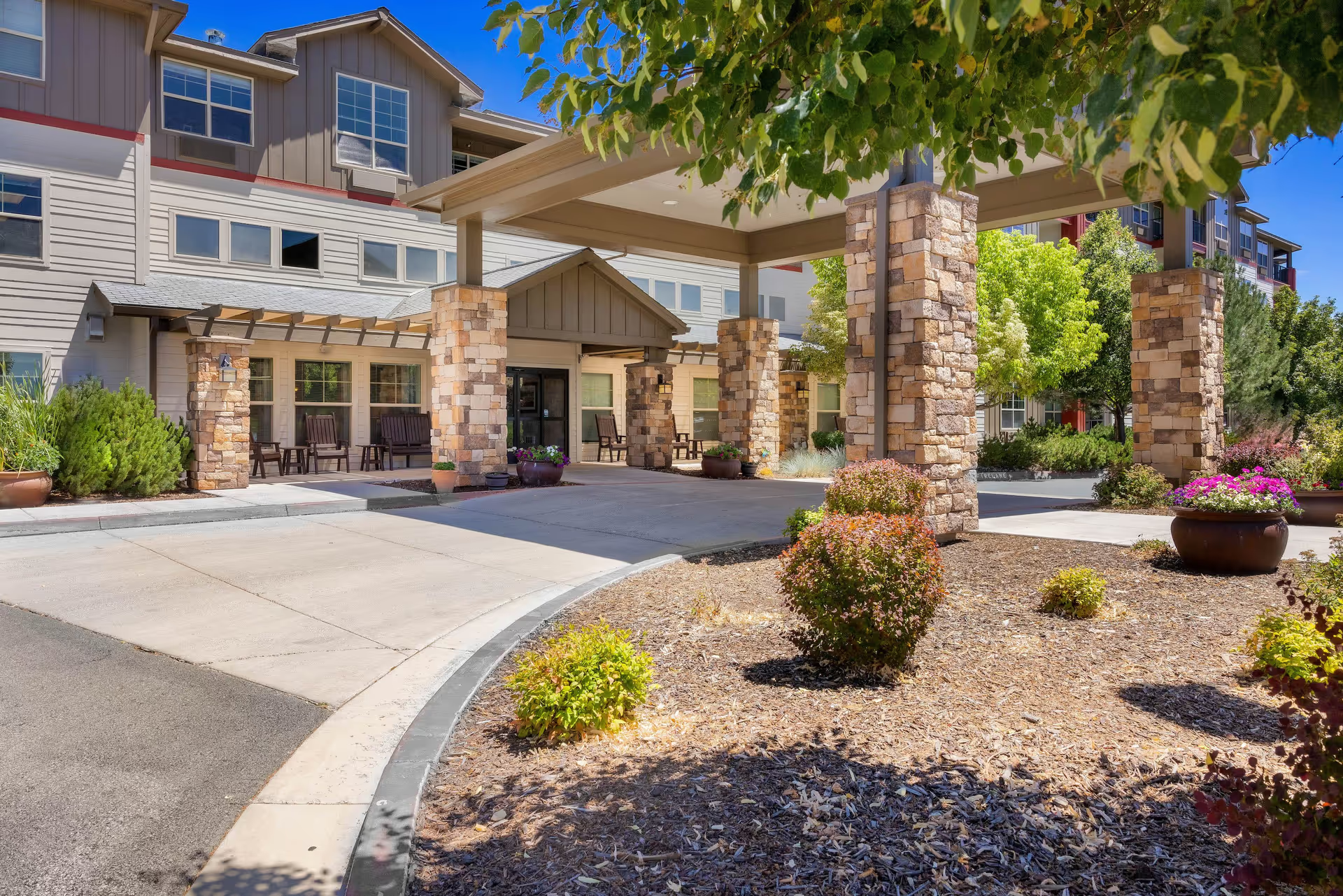
Northern Nevada State Veterans Home receives consistent praise for its facility, amenities, and many aspects of daily care. Reviewers describe a new, high-end interior with hotel-style reception areas and multiple social venues such as a sports bar, coffee shop, and an entertainment room. Housekeeping and laundry receive positive mention for attention to detail, and the overall environment is frequently characterized as clean and odor-free. The community’s veteran-focused culture, pet- and family-friendly visiting policies, and visible efforts to honor service members are recurring strengths.
Clinical and direct-care staff are commonly portrayed as compassionate and professional. Nursing teams, RNs, and CNAs are frequently described as responsive and attentive, and therapy services (physical and speech) are noted as available and competent. There is an on-site physician and a named director-level presence for food and activities, which appears to support coordinated services. Dining is a clear positive in many accounts: restaurant-style meal service, customizable options, and a capable culinary team are highlighted as contributing to resident satisfaction.
Despite these strengths, several operational patterns raise concerns for prospective residents and families. Admissions and waitlist practices lack transparency: long wait times are referenced alongside uncertainty about whether a formal waitlist exists and how positions are tracked. Administrative communication gaps are evident in descriptions of inconsistent follow-up on insurance and documentation and of front-desk unresponsiveness. These issues combine to create difficulty contacting the facility or obtaining clear answers during the admissions process.
There are also notable concerns about clinical responsiveness and care continuity. Some reviewers described delayed physician callbacks, inconsistent medical follow-up, and poor clinical outcomes in individual cases. These accounts suggest variability in how medical issues are escalated and managed; a subset of families pursued complaints or legal action in response to their experiences. Given the seriousness of those individual claims, prospective families should specifically inquire about physician coverage, clinical escalation protocols, and documentation of adverse-event handling.
Overall, the facility shows many hallmarks of a high-quality, veteran-focused community—clean physical environment, robust dining and activities, and generally caring direct-care staff. The most consistent operational weaknesses relate to admissions transparency, administrative communication, and variable clinical responsiveness. Prospective residents and families would be well served to confirm waitlist procedures and timelines, ask for written examples of clinical escalation and physician-coverage policies, and verify current staffing levels and points of contact before making placement decisions.