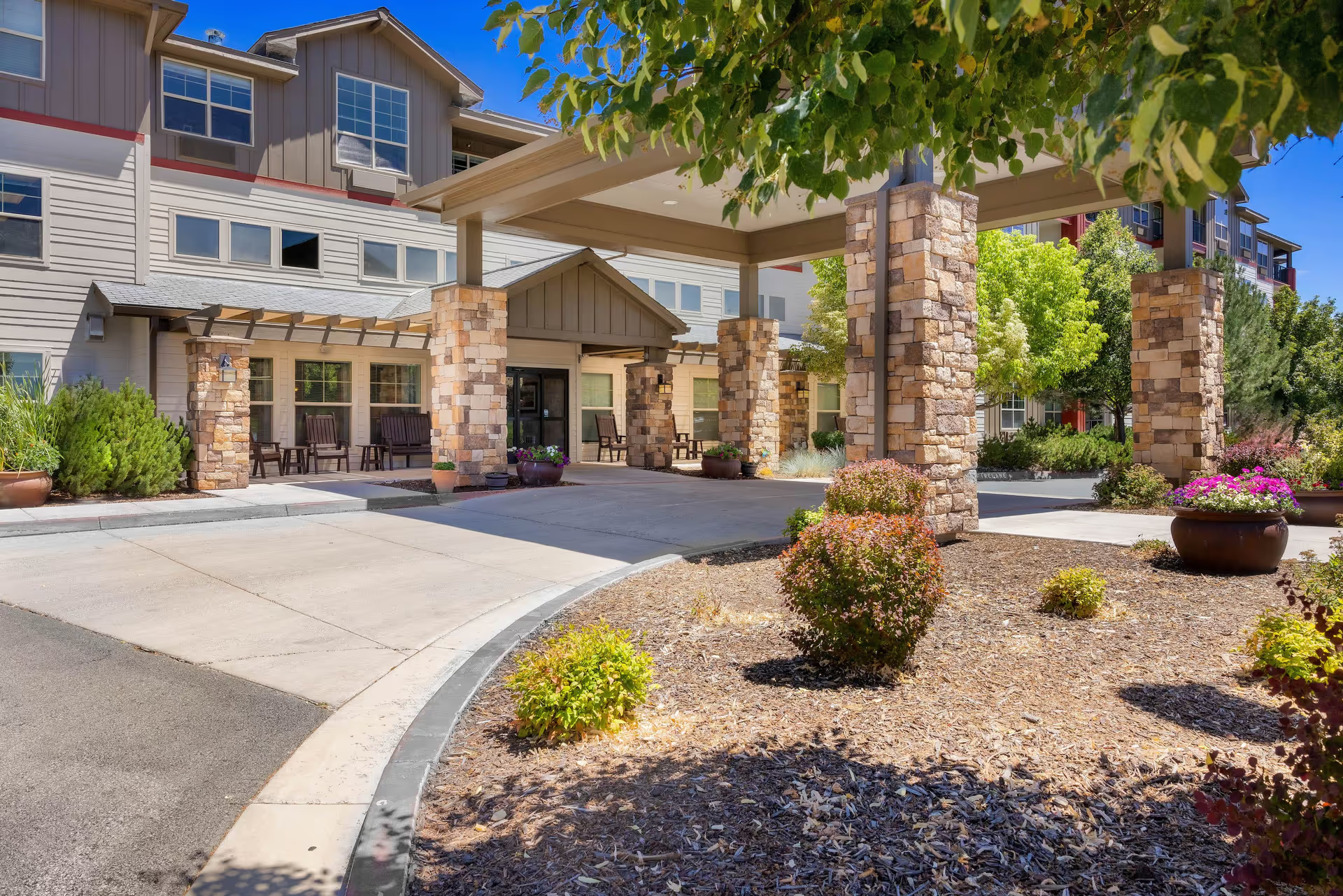
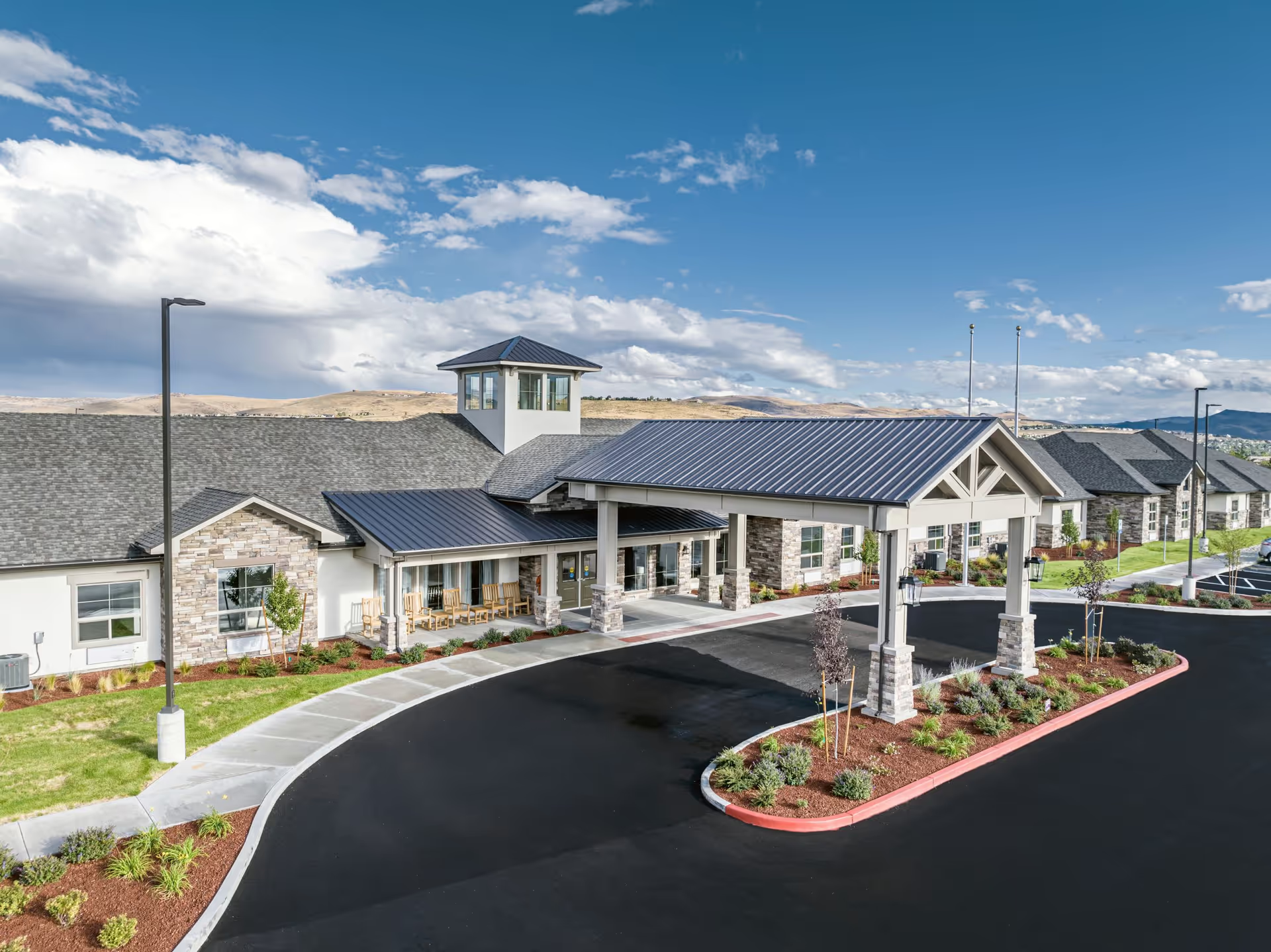
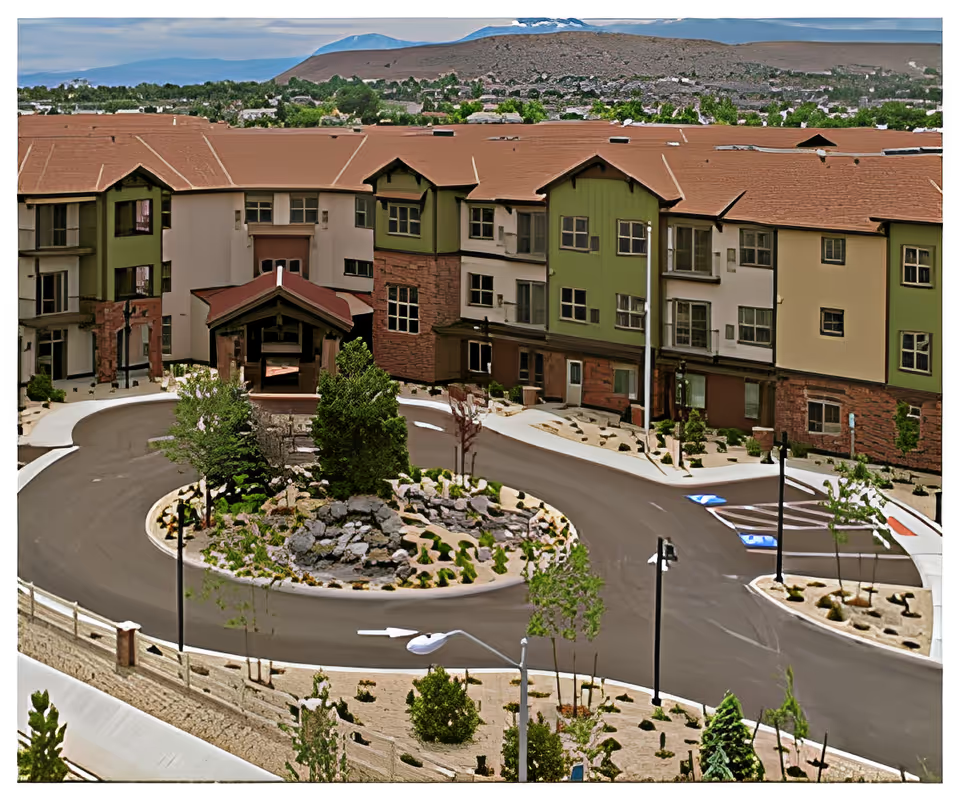
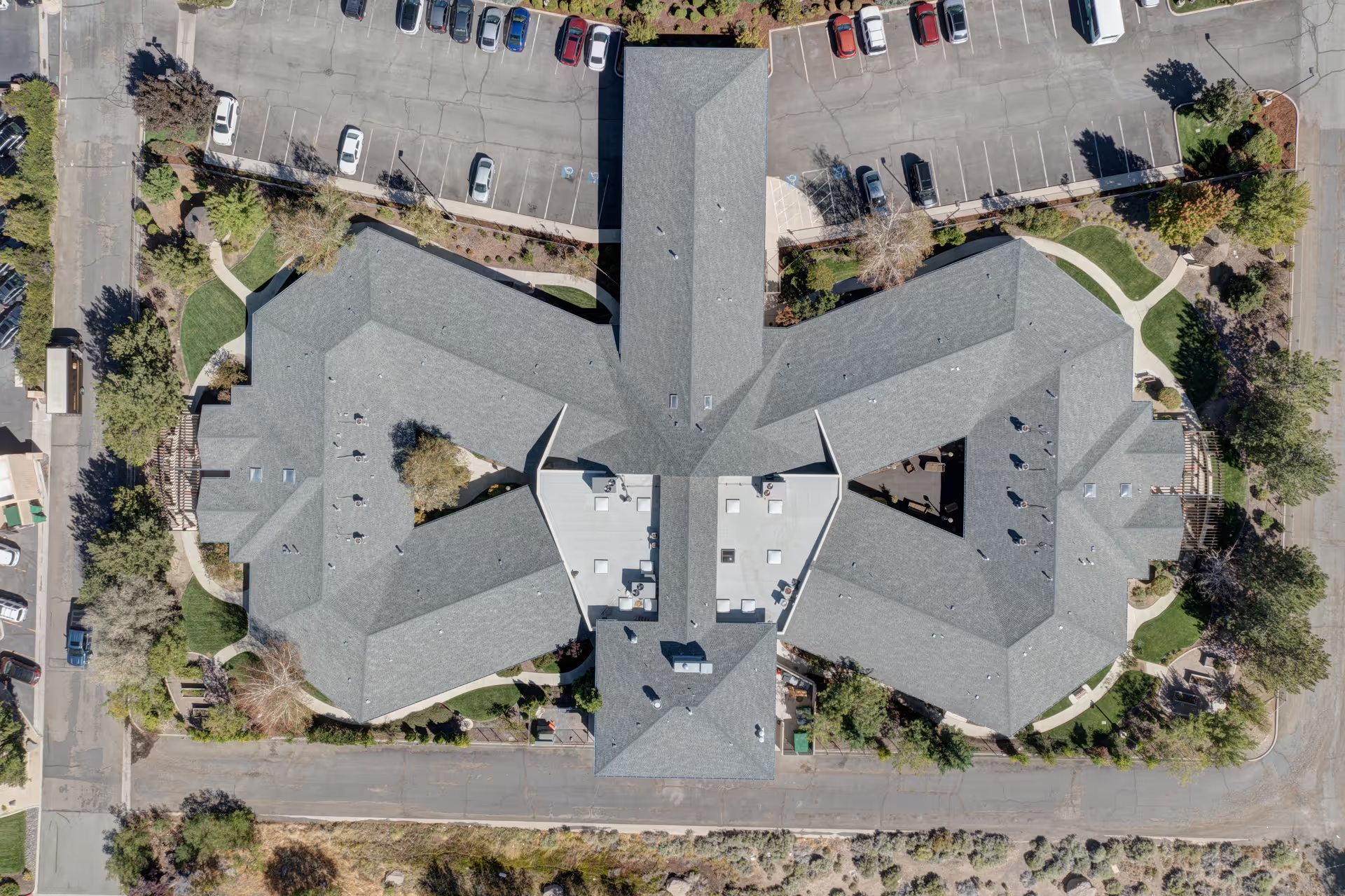
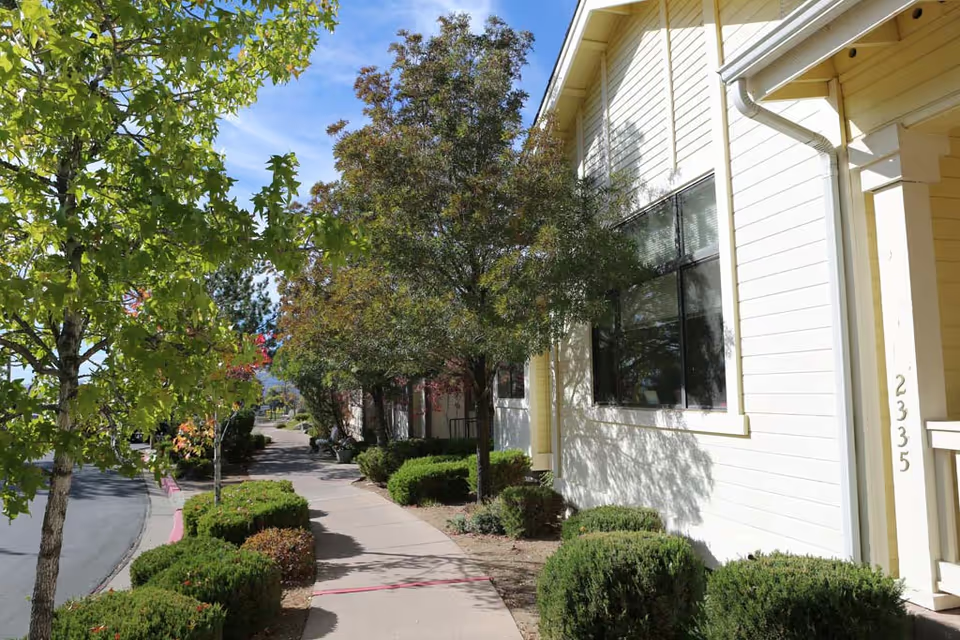
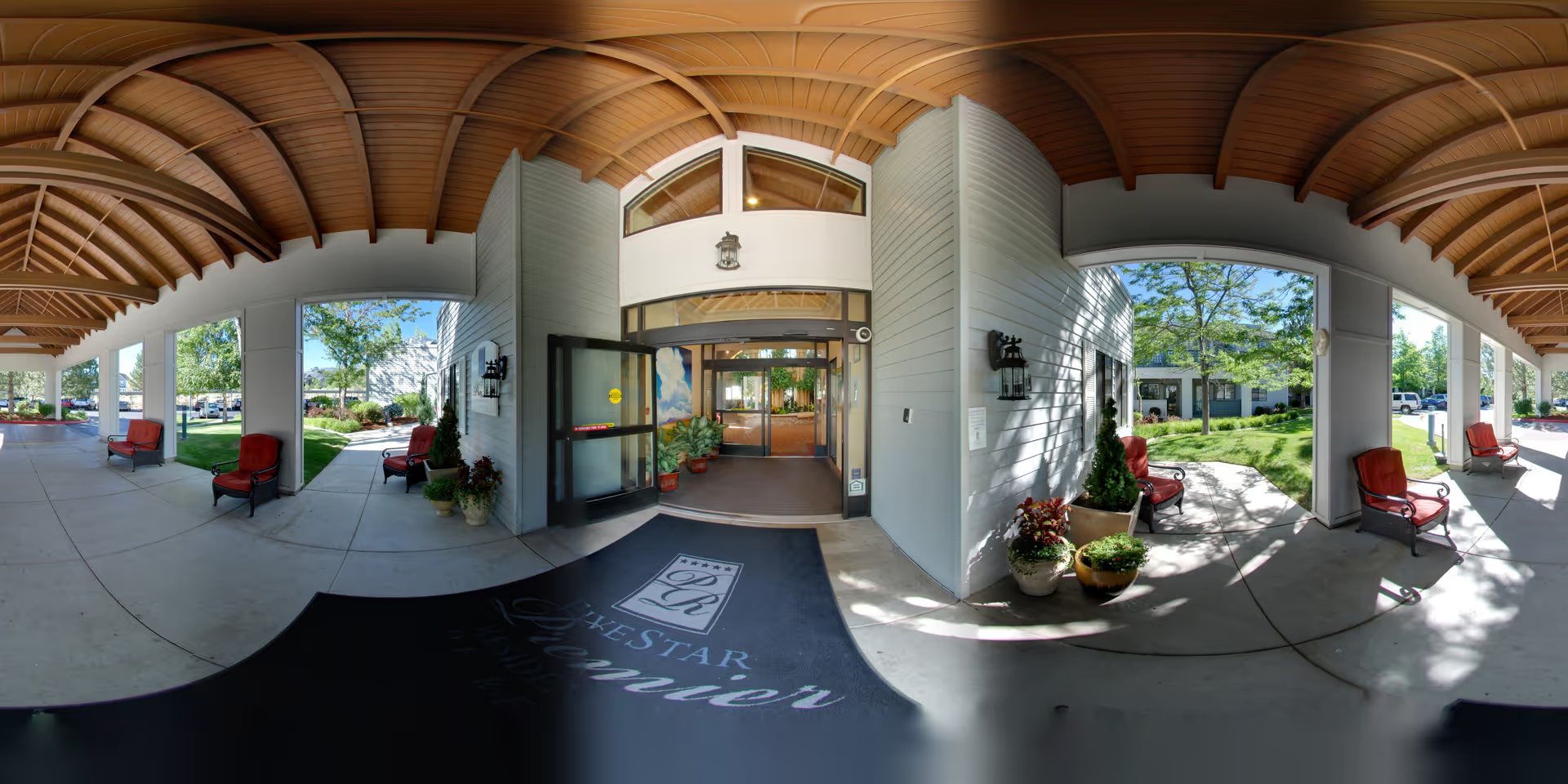
The reviews describe a facility with a clear strength in therapy services and many positive interpersonal interactions, alongside persistent operational variability. Physical, occupational, and speech therapy are repeatedly cited as effective and often instrumental in measurable functional gains. Multiple families credited therapists for meaningful improvements in mobility and independence. The facility’s public areas and patient rooms are frequently described as clean and well-maintained, and controlled access contributes to a sense of security.
Staff behavior and clinical care present a mixed picture. Many reviewers praised individual nurses, CNAs, and social workers for compassion and responsiveness; others described delays in assistance, unavailability of staff at times, and inconsistent nursing performance across shifts. Night and evening shifts were singled out more often for slower response times. Nursing leadership was noted to intervene effectively in some cases, but the overall pattern indicates variable shift-to-shift reliability. Medication timing and documentation were raised as concerns in multiple accounts, suggesting the need to confirm medication-administration and handoff procedures during admissions.
Dining and basic care show variability. Several families reported that meals can be adequate or even improved after dietitian involvement, but meal temperature, portioning, selection clarity, and timeliness were common issues. Housekeeping and room readiness are generally adequate, yet there are intermittent sanitation concerns and inconsistent linen/room maintenance that warrant inquiry. Assistance with feeding, bathing, and toileting was described as attentive in some cases and delayed or insufficient in others; reviewers’ descriptions point to inconsistent personal-care scheduling and incontinence-care delays rather than a uniform facility practice.
Safety and coordination are recurring operational themes. There are multiple references to falls or transfer-safety issues and to equipment not being immediately available (walkers, shower chairs, bedrails), indicating gaps in transfer protocols and equipment provisioning. Discharge planning and transport coordination were also flagged repeatedly: families reported unclear or last-minute discharges, billing or insurance confusion, and difficulties arranging reliable transportation. These concerns suggest the facility’s discharge, case-management, and billing processes may be inconsistent and benefit from clearer procedures and family communication.
Management and communication show both strengths and weaknesses. Several reviews note responsive administrators, social workers, and a head nurse who address issues when escalated; others describe poor follow-through, slow responses to family inquiries, and billing/insurance coordination problems. Documentation and shift handoffs appear uneven, producing episodes where staff are unaware of day-to-day preferences or recent clinical changes. A small number of reviewers raised serious concerns following adverse outcomes; those accounts have led to complaints and should prompt prospective families to ask specifically about clinical-incident handling and escalation pathways.
For prospective residents and families: ask targeted questions at intake about current staffing ratios by shift, average call-response times, medication-administration protocols, transfer and fall-prevention practices, and the facility’s discharge-planning process (including transport and insurance/billing coordination). Also request details on therapy scheduling and expected goals, how dietary preferences and restrictions are accommodated, and who the primary point of contact will be for clinical updates. The facility demonstrates clear clinical and rehabilitative strengths, but reviewers consistently advise confirming operational details up front to reduce the likelihood of variability in daily care and communication.