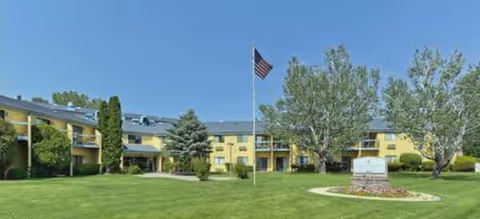
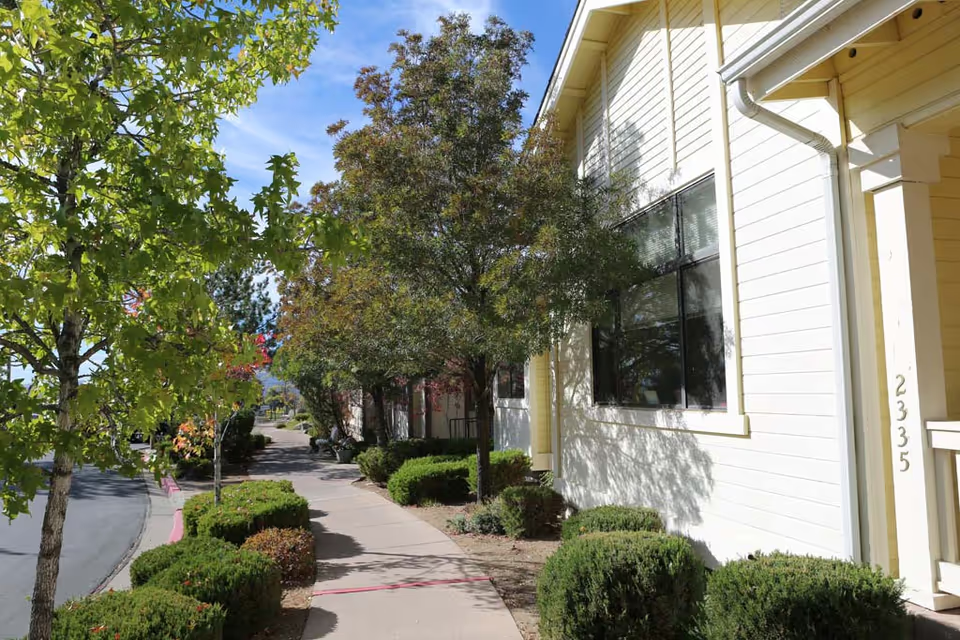
The reviews present a mixed picture of BeeHive Homes of Winnemucca, with clear strengths in facility comfort and some aspects of caregiving but significant operational concerns that merit verification during a visit. Positive commentary highlights a memory-assisted care layout that reviewers found logical and comfortable, tidy common areas and resident rooms, and an overall home-like atmosphere. Several comments praise friendly, knowledgeable caregivers and staff members who provide attentive, first-aid-capable support. Meal service is described positively by some families, noting homemade-style breakfasts and lunches and generally palatable food at an affordable price point. Tours guided by reception staff and a pet-friendly approach are also cited as conveniences by some visitors.
Care quality and staffing assessments are inconsistent across reviews. On the positive side, some reviewers describe caring, hardworking staff and a manager credited with improving standards. Conversely, other reviews raise concerns about staff responsiveness and conduct — examples include frequent cellphone use during shifts, unanswered calls, and reports of brusque or harsh communication style from some staff members. There are also operational risks noted around clinical oversight: expired CPR certifications, reportedly incomplete elder-care/HIPAA training, and claims of no recent fire drills point to gaps in training and emergency-preparedness systems that should be confirmed with current documentation.
Dining and daily-life observations also vary. While some visitors found meals homemade and satisfying, multiple accounts describe boxed convenience food presented as homemade and a lack of diabetic or other therapeutic-diet accommodations. Activity-level concerns appear recurrent: reviewers mention limited programming, few outings, and residents spending long periods idle or watching television. These patterns suggest inconsistent engagement programming and may affect social and cognitive stimulation for residents.
Facility condition is generally described favorably for cleanliness and layout, though there are specific personal-care and sanitation concerns reported by some reviewers — for example, inconsistent grooming and odor concerns — which indicate variability in day-to-day personal-care practices. Memory-care features and comfortable rooms receive consistent positive mention, reinforcing that the physical environment can be an asset when staffing and routines are functioning well.
Management and organizational issues are a prominent theme. Reviewers cite HR and payroll instability (bounced paychecks, lack of sick or vacation leave, limited promotion opportunities), owner-level interference in admissions and care planning (admissions without documented medical orders cited by reviewers), and threats around utilities and payments. There are also claims about state inspections and investigations being insufficiently remedial, and concerns about review authenticity linked to owner-family members posting highly favorable feedback. These items raise governance and compliance questions — some operational, some reputational — that should be explored with facility leadership and through state licensing records.
Given the mixture of positive and negative observations, prospective residents and families should arrange an in-person visit, review current staff certification records, inspect medication-management and emergency-preparedness documentation, and consult recent state inspection reports. Asking about therapeutic-diet capabilities, activity schedules, staff turnover and payroll policies, and how complaints are handled will help clarify whether the facility’s strengths are consistently applied and whether the operational concerns raised in reviews have been addressed.