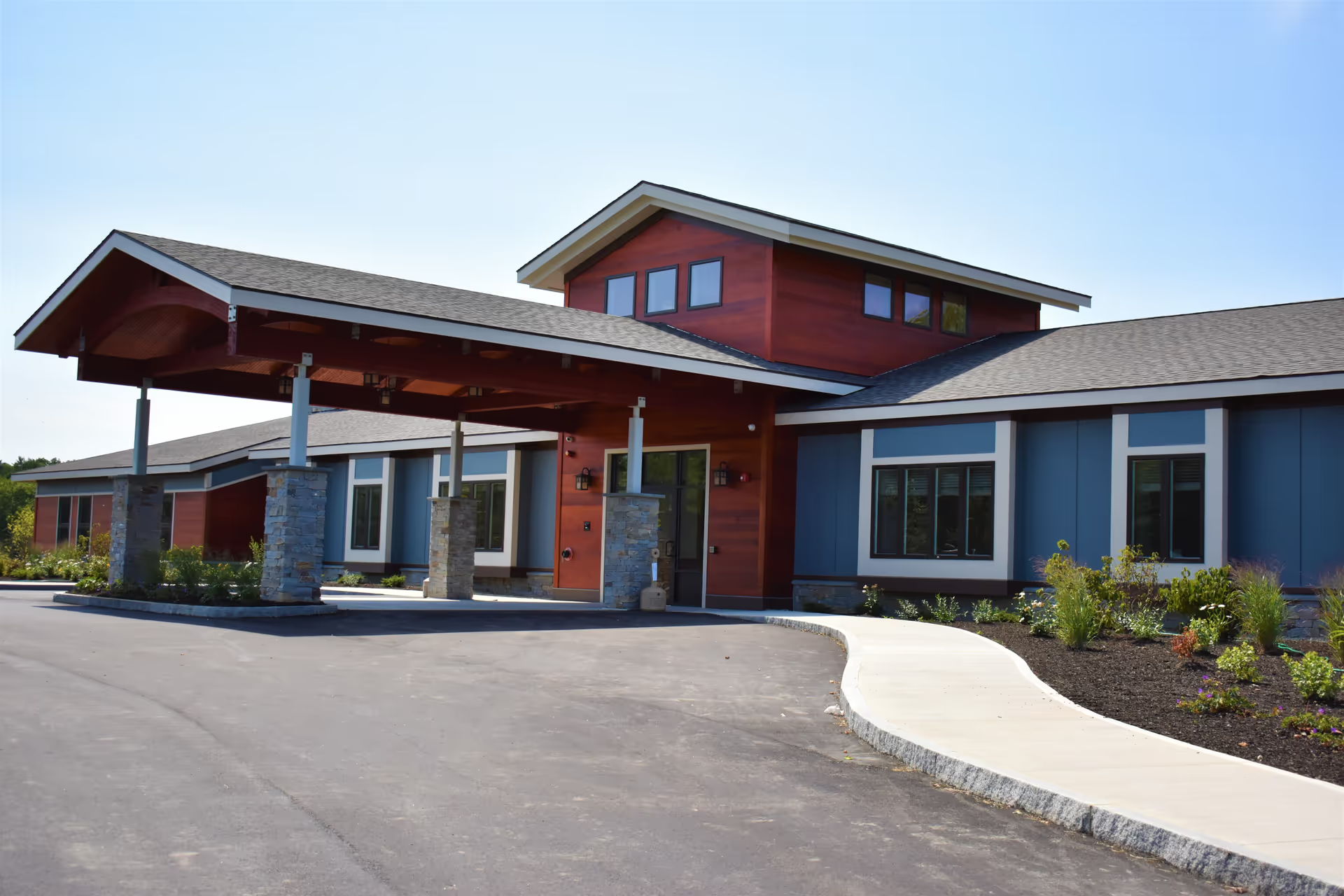
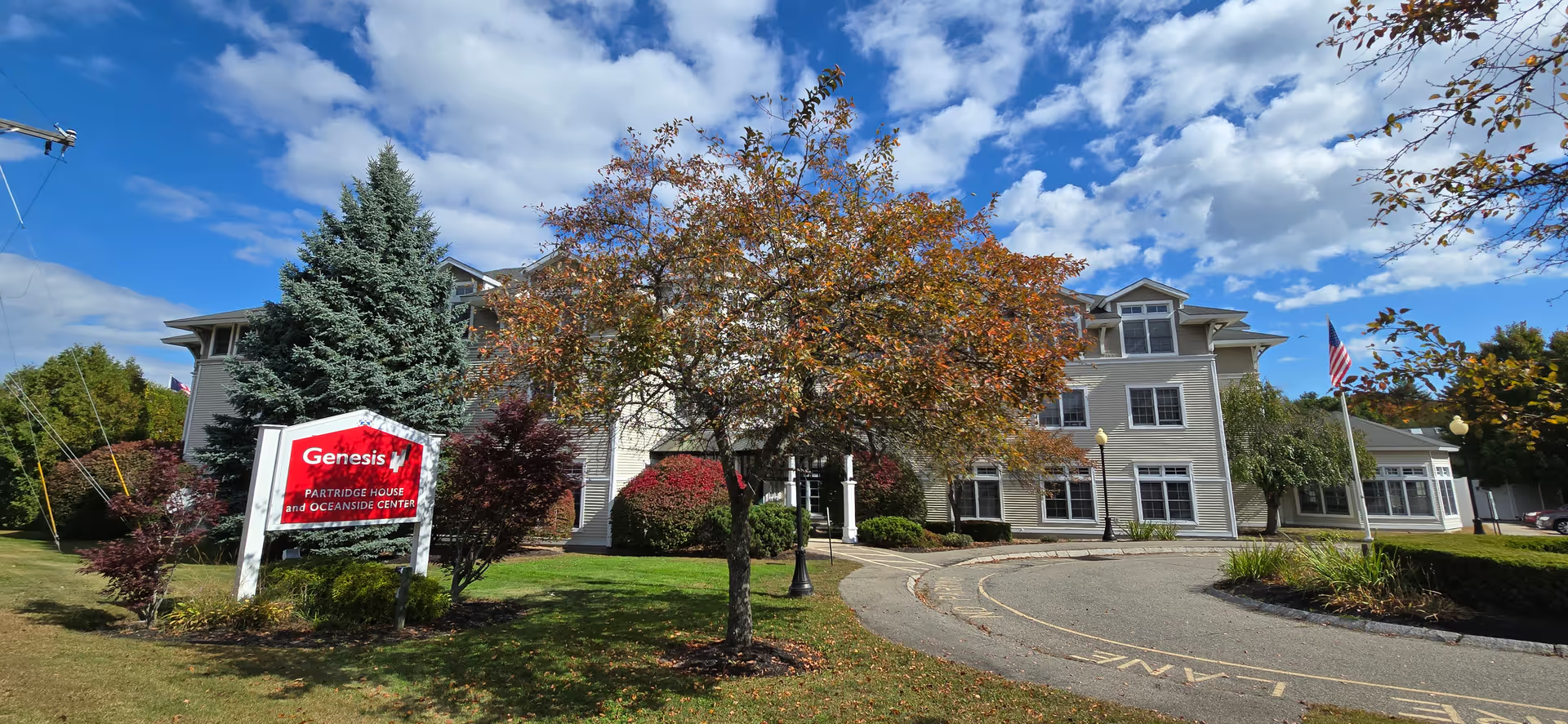
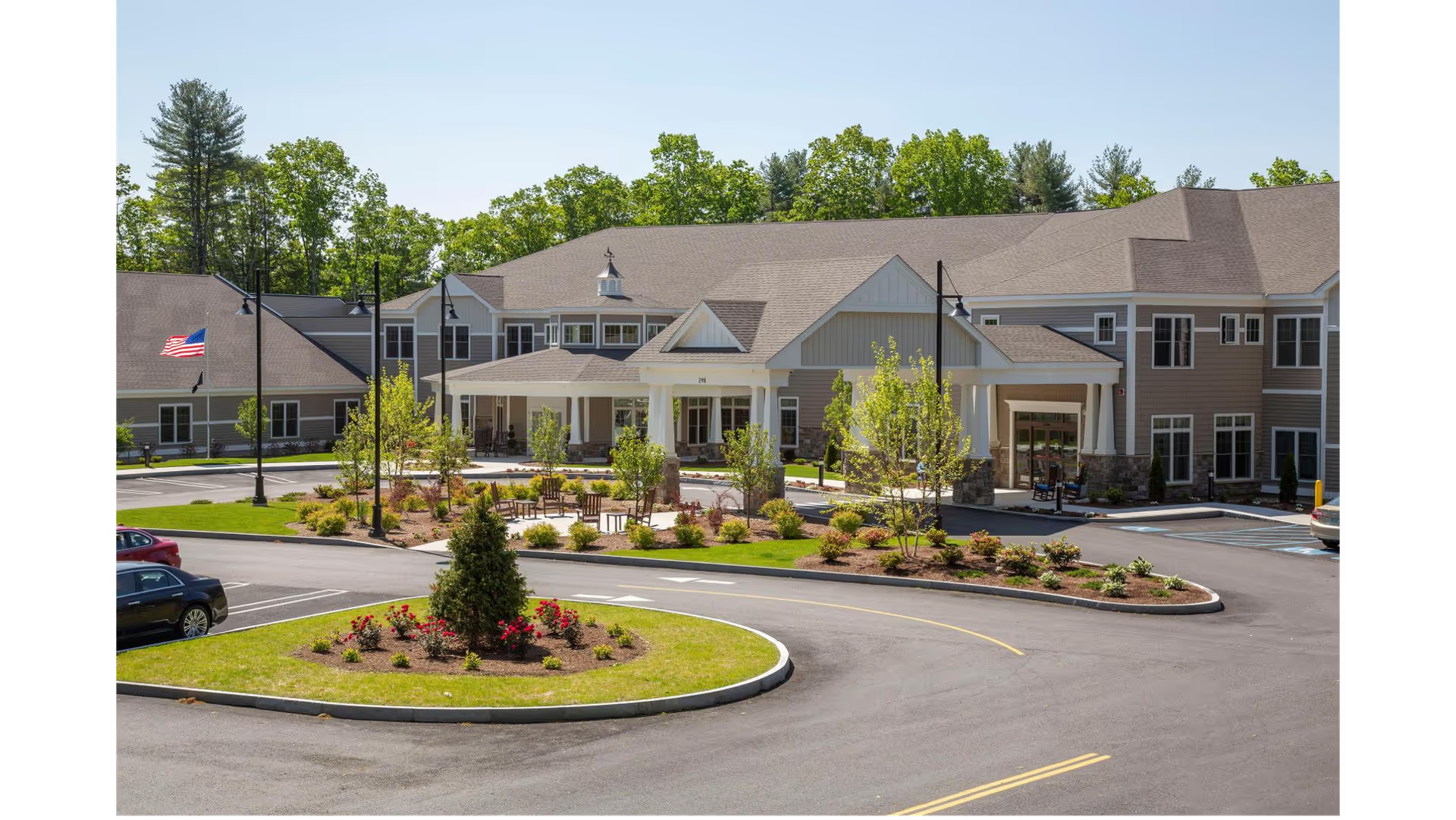
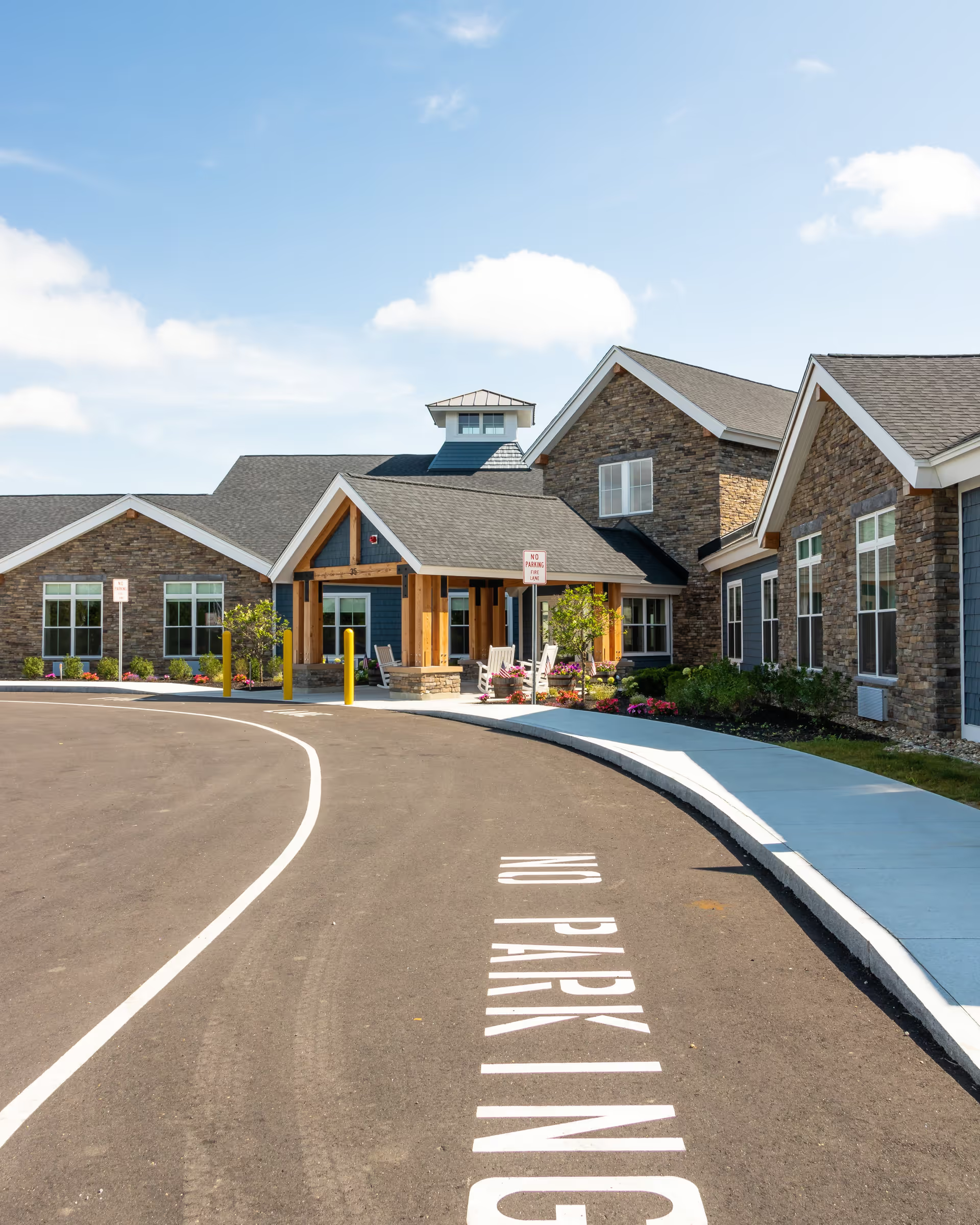
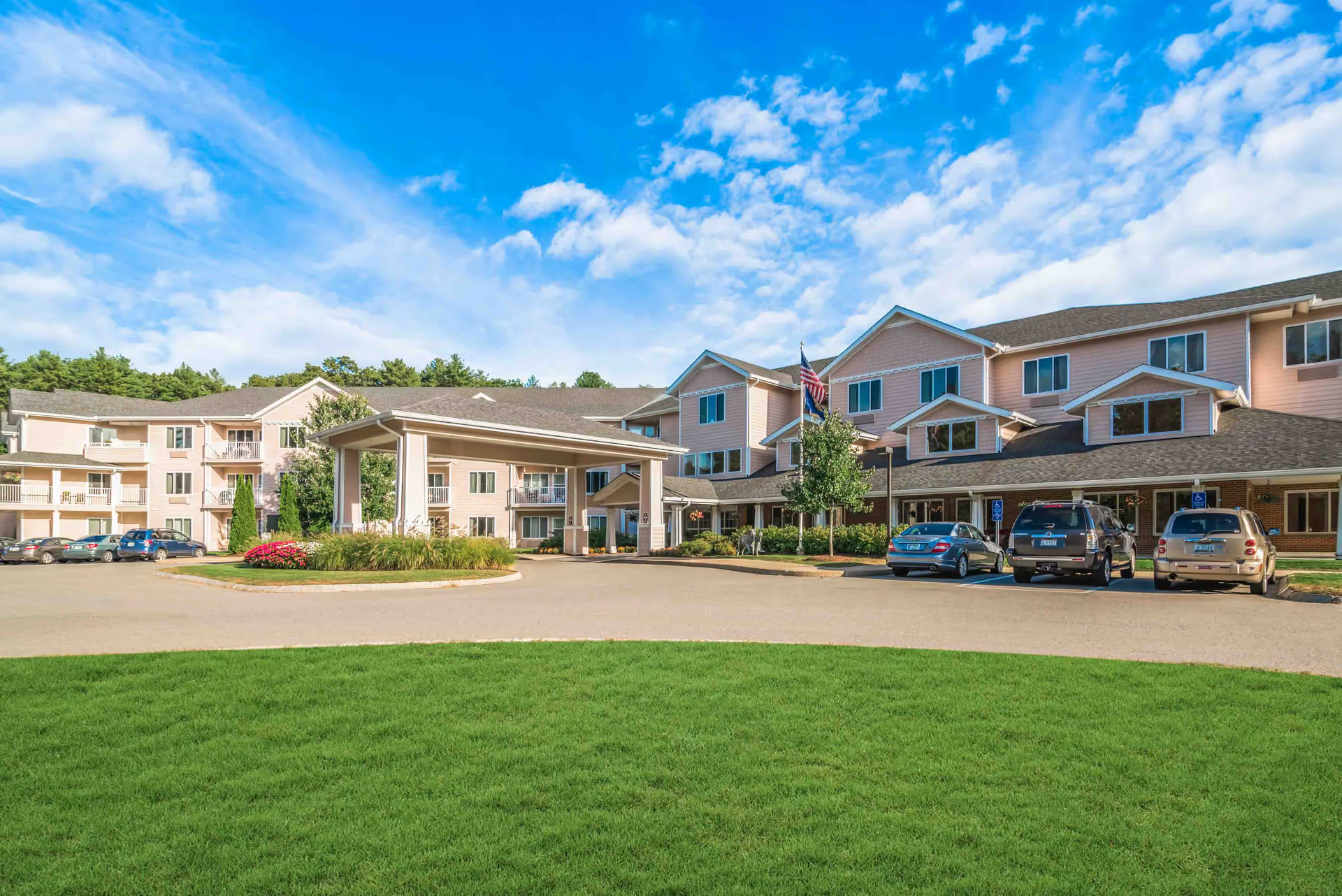
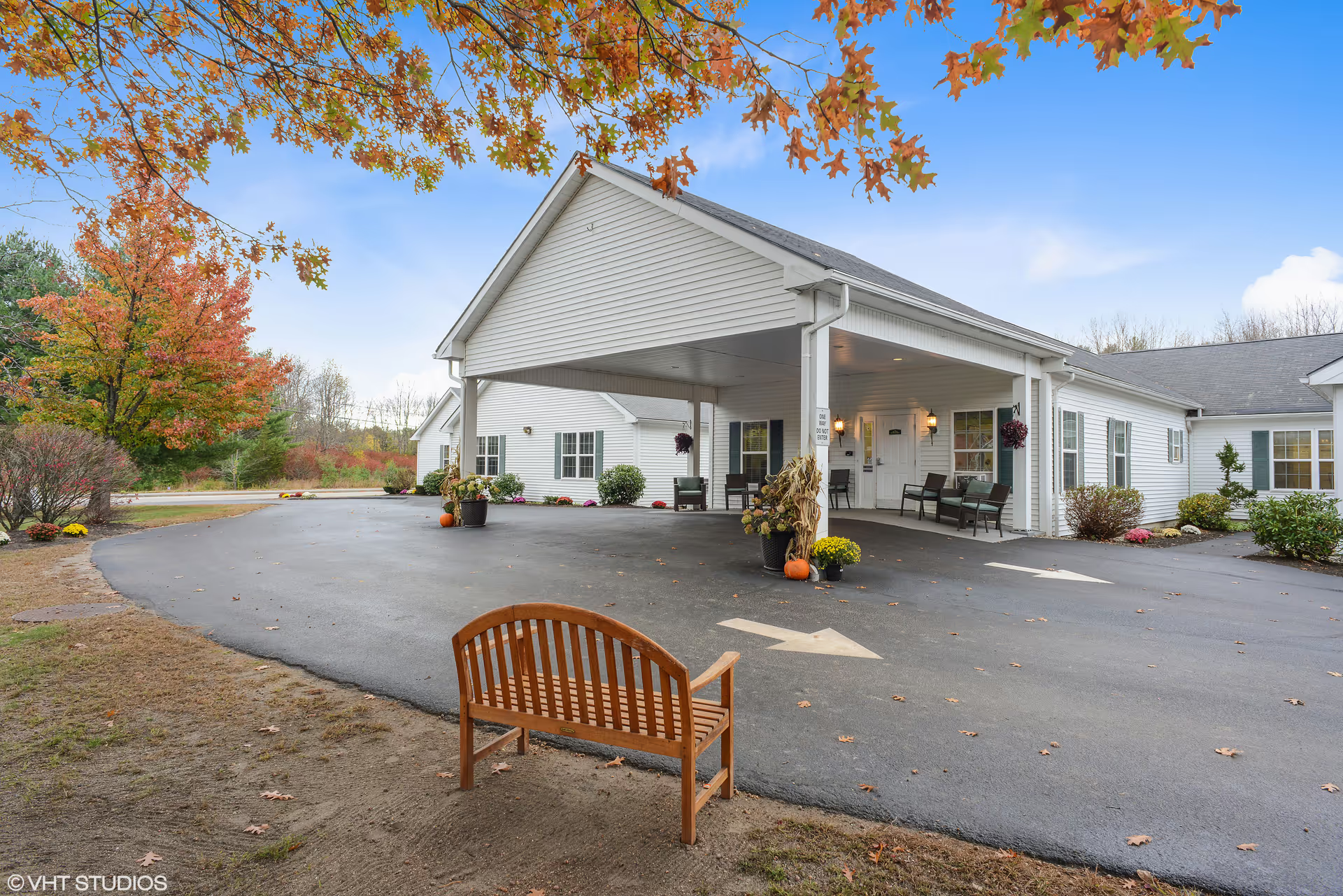
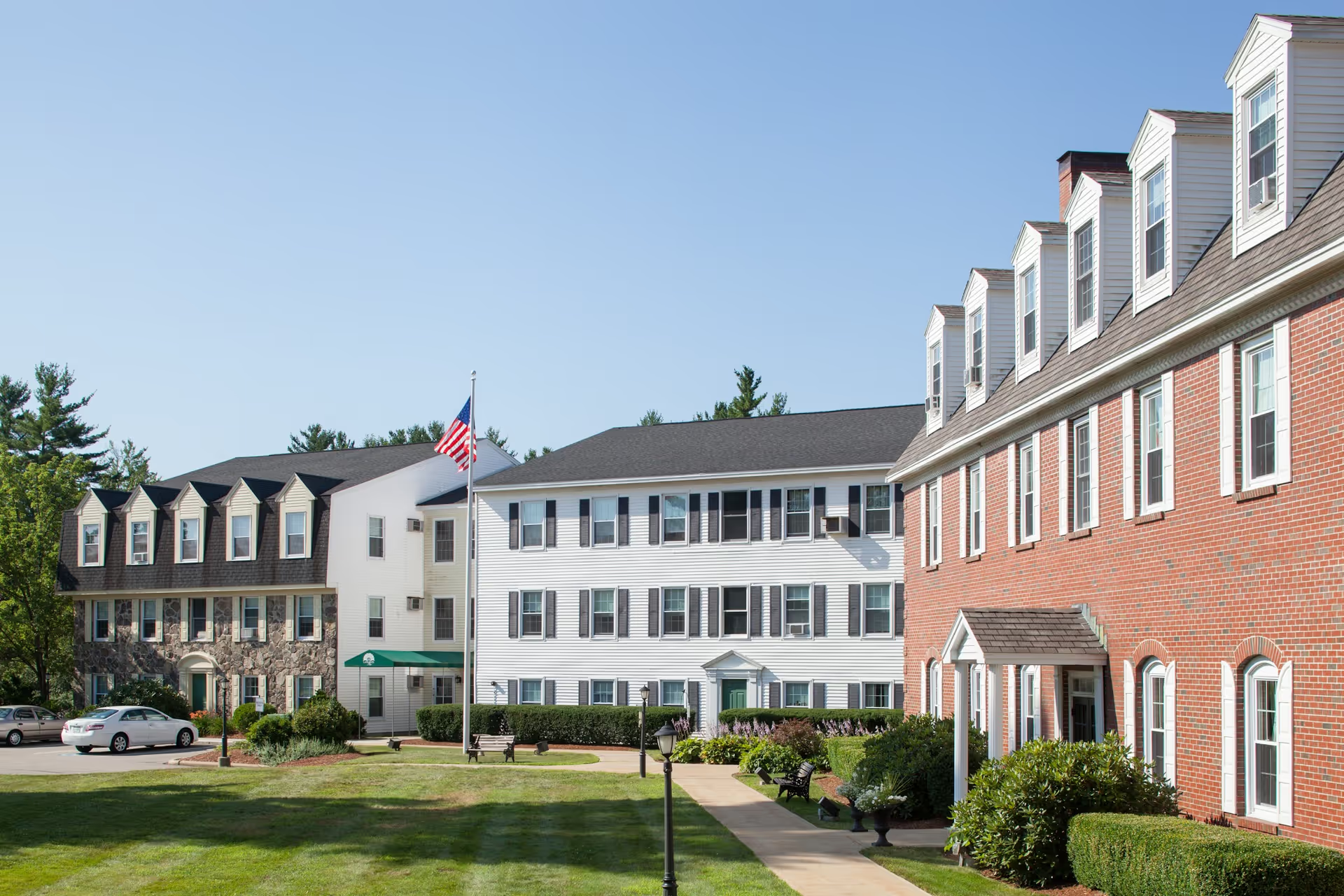
Edgewood Center receives consistent praise for its physical environment and many aspects of daily life. Reviewers commonly describe the building as clean, well-maintained and attractively decorated, with home-like bedrooms, bright common areas, and appealing outdoor spaces including gardens and a pond. Admissions impressions tend to be positive: visitors note cordial front-desk staff, escorted tours, and clear intake procedures, and the facility is frequently described as welcoming on first contact.
Staffing and direct care are central strengths with many families and visitors highlighting compassionate, resident-focused employees. Numerous comments single out specific staff members and teams for kindness, effectiveness, and personal attention. Hands-on management and a resident-centered leadership style are also noted; families describe empowered staff and local problem solving. Rehabilitation services are repeatedly commended: PT/OT are reported to start promptly, with measurable functional gains for many residents. The activities program is active and broad, offering crafts, outings, musical events, holiday celebrations, and themed meals that contribute to a community atmosphere for residents who can participate.
Dining impressions are mixed. Several accounts praise well-presented meals, special-event menus and sizeable holiday dinners, while other accounts characterize the everyday culinary experience as more institutional or inconsistent. Facility-level amenities include updated clinical equipment in rooms, accessible bathing fixtures in parts of the building, and COVID-era screening procedures at entry; however, there are limitations in in-room technology amenities noted by visitors.
Notable operational concerns emerge across the reviews. Staffing levels and workload pressure in nursing areas appear to be recurring themes, with corresponding reports of delayed responses to call systems and variability in how quickly staff attend to needs. Those operational pressures are linked in some accounts to uneven clinical responsiveness and to family dissatisfaction with communication when clinical incidents occur. There are also isolated but significant clinical concerns in the record — including a medication-related adverse event and concerns following a resident's death — that reviewers cite as drivers of distrust; these items appear as individual serious events but highlight the importance of robust clinical-incident response, documentation, and transparent family communication.
Facility layout and room options are additional trade-offs to weigh. While many areas are newly renovated and visually comfortable, some wings appear older with smaller shared rooms and limited en-suite bathing options; prospective residents preferring private rooms or full en-suite bathrooms should verify availability. Cost and waitlisting are practical constraints mentioned by families. Finally, while staff behavior is generally described as warm and attentive, reviewers note occasional variability in tone and service orientation, which can be exacerbated when staffing is constrained.
Overall, Edgewood Center presents as a clean, well-appointed, and rehabilitation-capable community with a strong culture of compassionate caregiving and active programming. Prospective residents and families should weigh those strengths against operational considerations such as staffing levels, dining consistency, room configuration, and the facility's approach to clinical-incident communication. When visiting, request up-to-date information on staffing ratios, private-room availability, medication-management protocols, and recent clinical-incident handling to align expectations with current operational realities.