Applewood Center receives broadly positive feedback for its clinical and interpersonal caregiving. Many families describe nurses, licensed nursing assistants, therapists, and social-work staff as compassionate, attentive, and collaborative; reviewers commonly attribute successful short-term rehabilitation outcomes and safe discharges to the therapy team. The facility's administration and specific staff members (including social workers) are frequently credited with proactive communication, coordinated care-planning, and effective use of virtual visits to keep families involved.
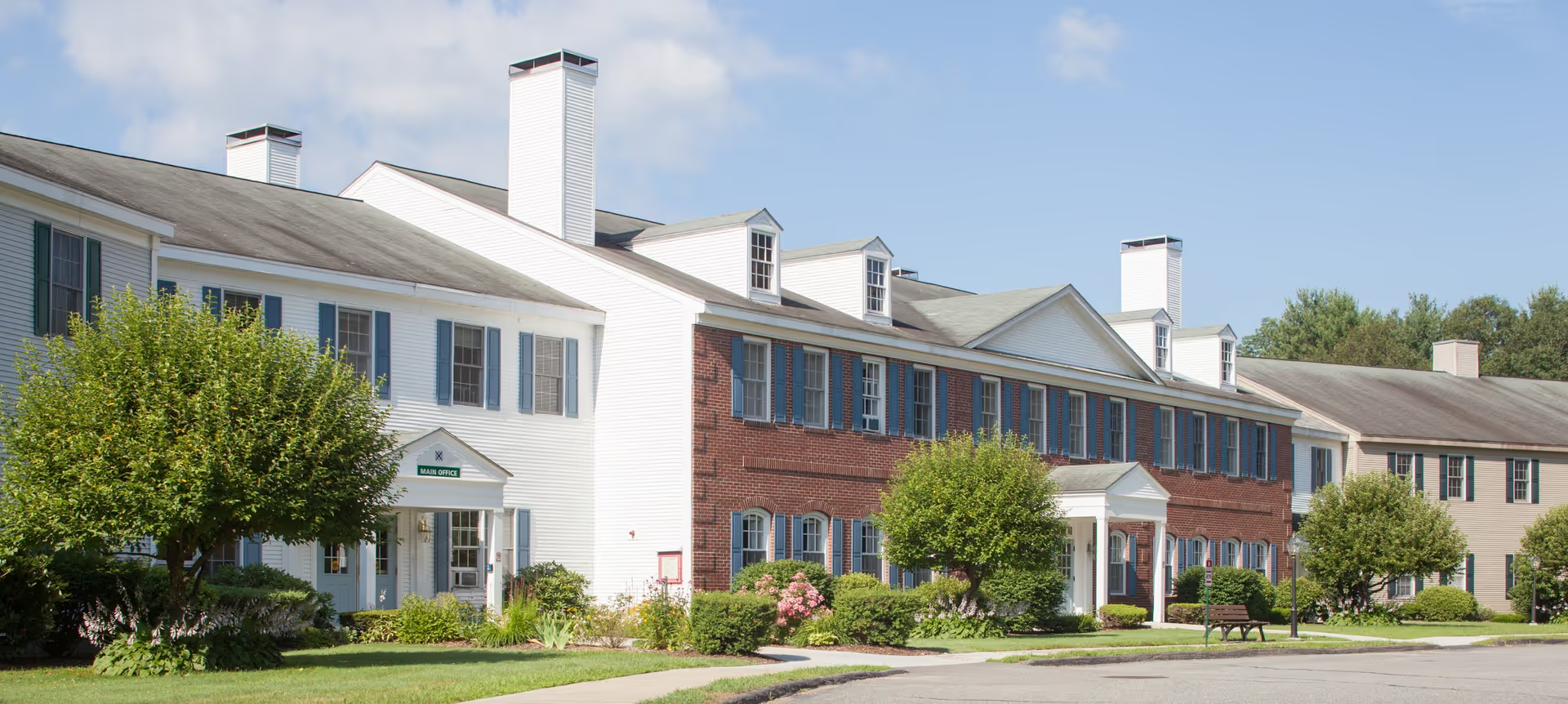
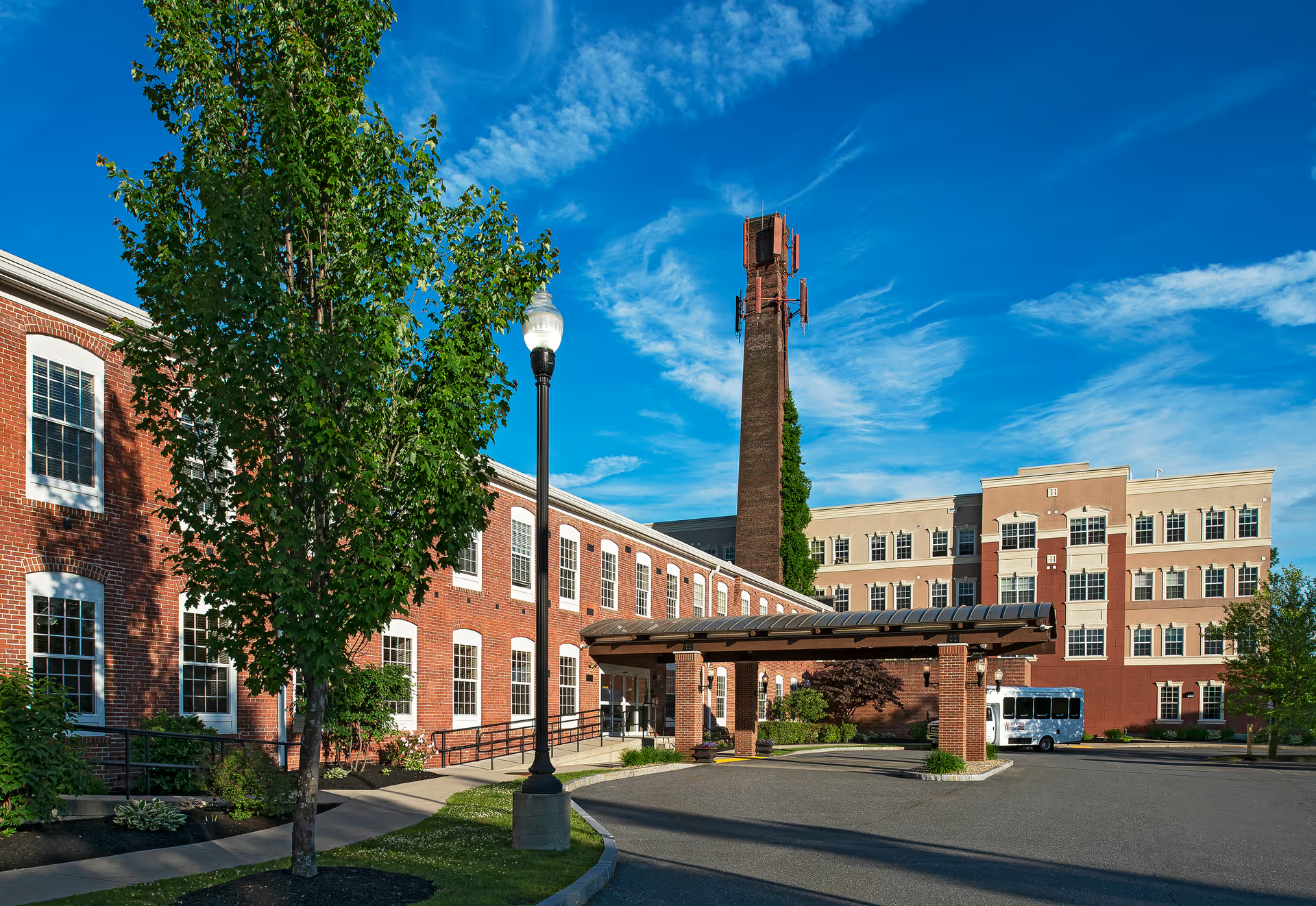
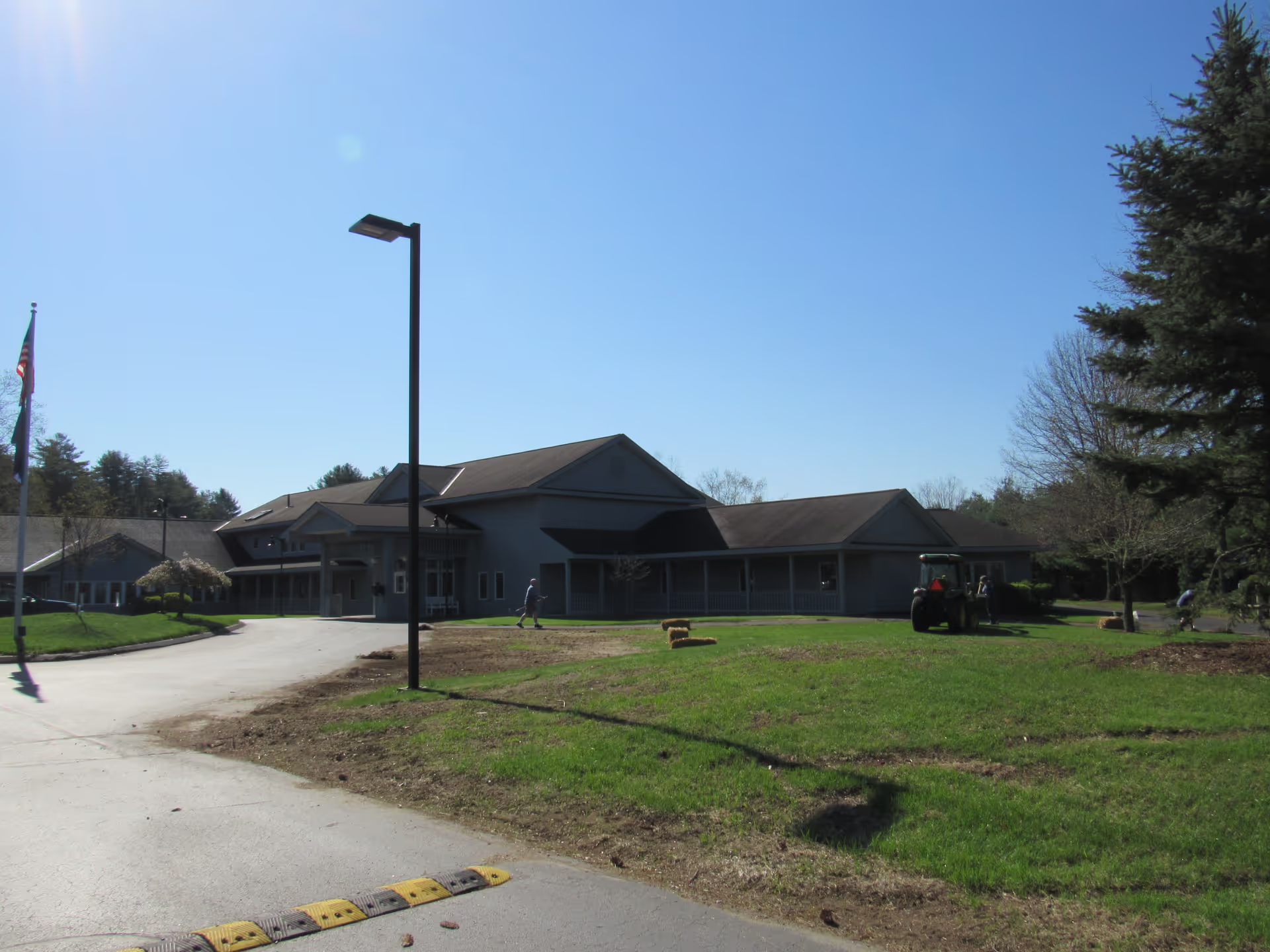
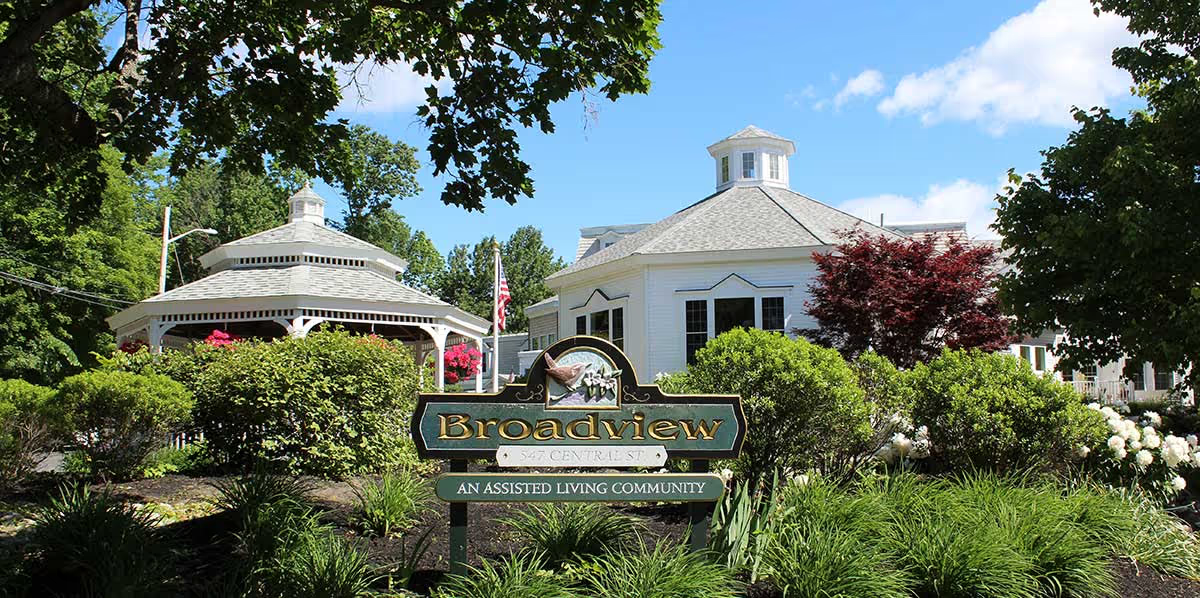
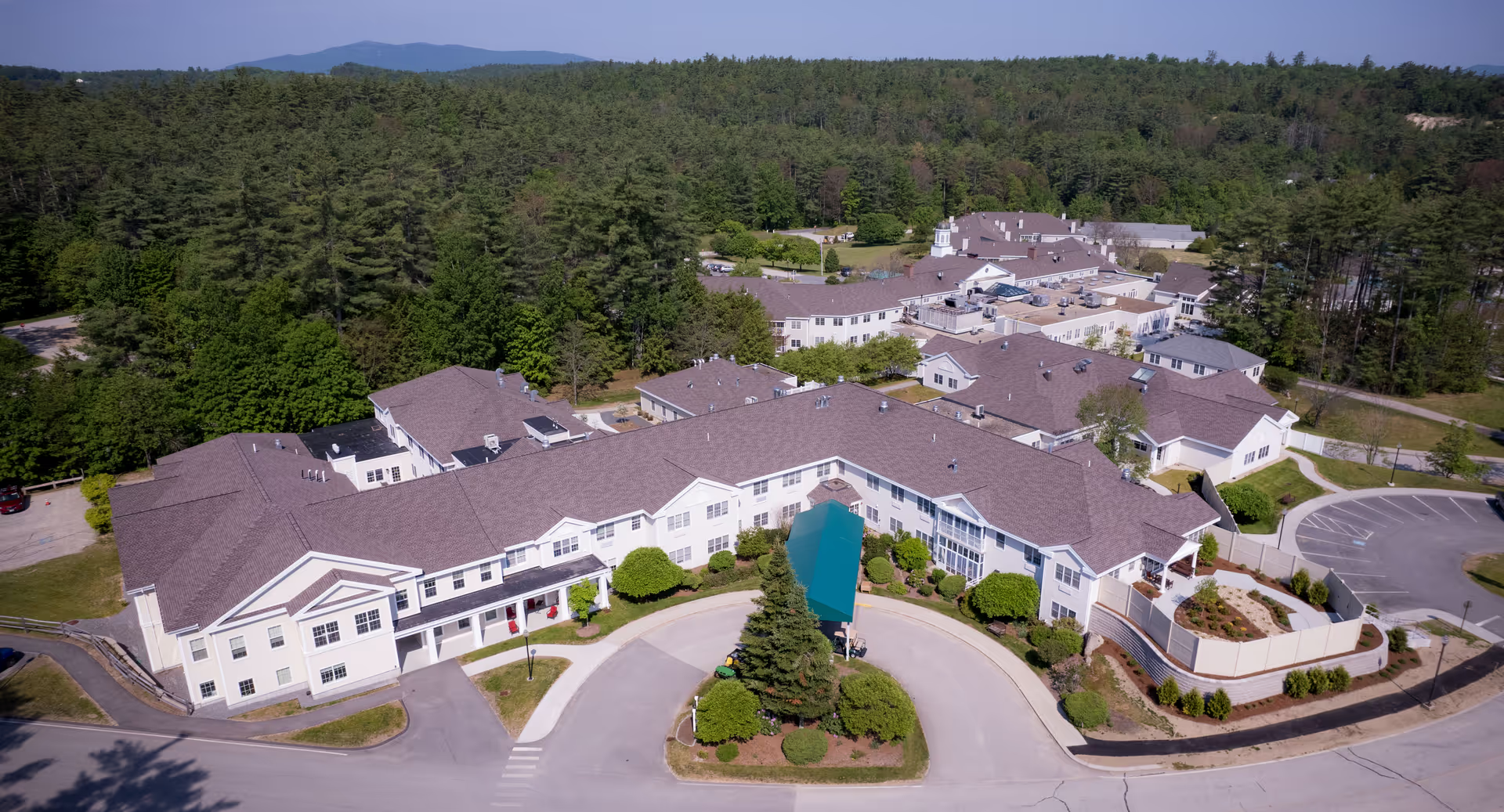
The activities program and communal dining are also recurring strengths. Reviewers praise an active events calendar, music programs, outings, and family-friendly communal meals that contribute to a home‑like atmosphere. The campus and grounds are noted as pleasant and well-maintained, with outdoor areas that residents use when weather permits. Many accounts emphasize personalized attention, small gestures that support quality of life, and strong end‑of‑life and hospice support when needed.
Despite numerous favorable accounts, there are notable areas of variability that prospective families should evaluate during a tour. Cleanliness and housekeeping standards appear inconsistent across different units and stays; while many describe immaculate rooms and common areas, other accounts cite sanitation concerns and odors in some spaces. Laundry and personal‑property handling are additional operational pain points for some families. Staffing levels and workload are another theme: several reviewers note times when staffing constraints affected responsiveness, whereas others describe consistently attentive care. These contrasts suggest variability over time or between care areas.
More serious clinical concerns appear in a minority of accounts and warrant direct inquiry. Some reviewers describe medication‑management and clinical‑monitoring gaps—including an allegation related to medication handling in a memory‑care context—and a separate note about perceived misrepresentation of memory‑care services. There are also mentions of post‑hospital infection monitoring and of meals being delivered in non‑dining spaces during busy periods. These items should prompt specific questions about medication protocols, staffing ratios in specialized units, infection‑control practices, and how the facility handles transitions from hospital to rehabilitation.
In summary, Applewood Center demonstrates many strengths: a caring staff culture, effective rehabilitation services, active programming, and generally good family communication. However, variability in housekeeping, operational logistics (laundry, meal service), and staffing levels has been reported and there are isolated but serious clinical concerns that merit targeted questions. Prospective residents and families would be well served to tour the specific unit they would occupy, ask about staffing levels and supervision, review medication-safety and memory-care protocols, and request examples of recent quality‑assurance measures before making a placement decision.