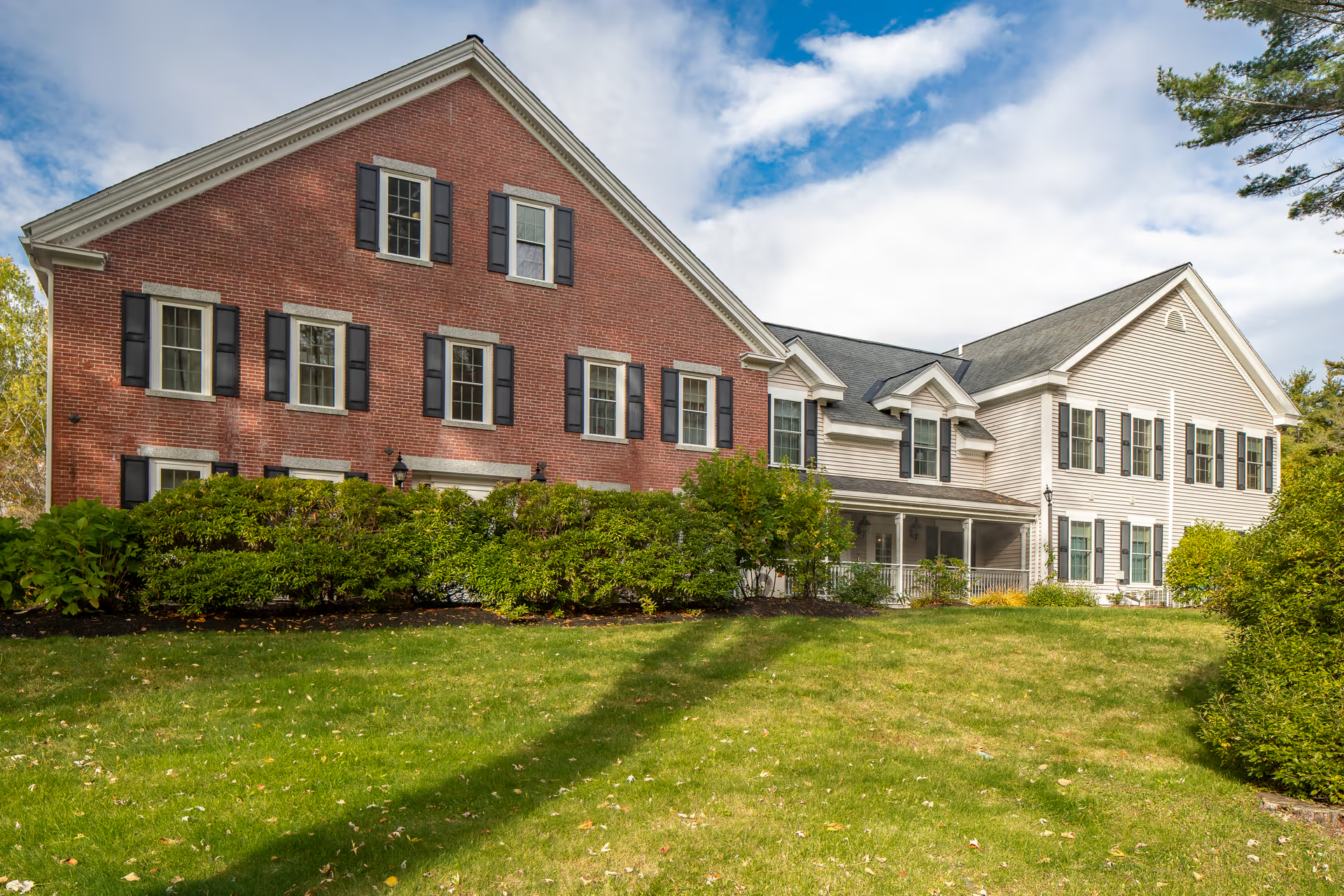
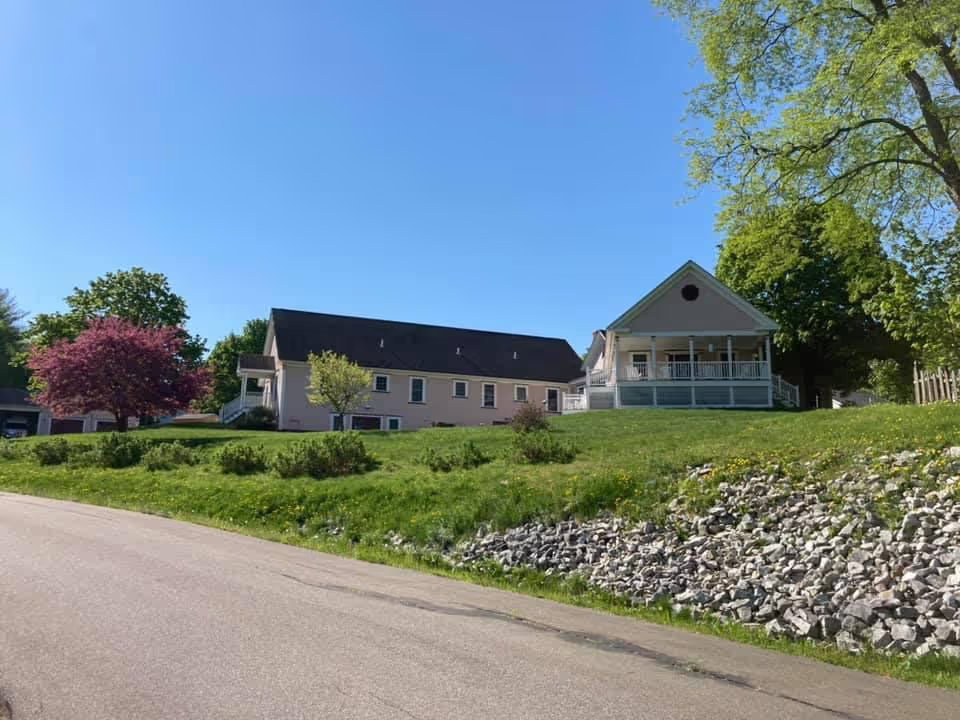
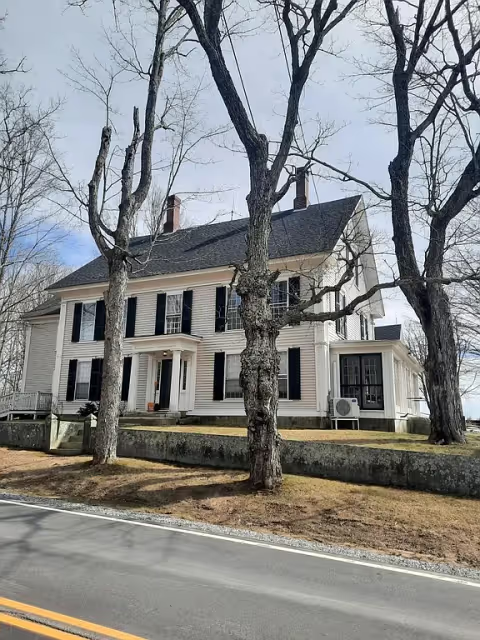
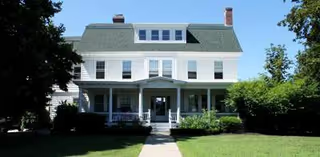
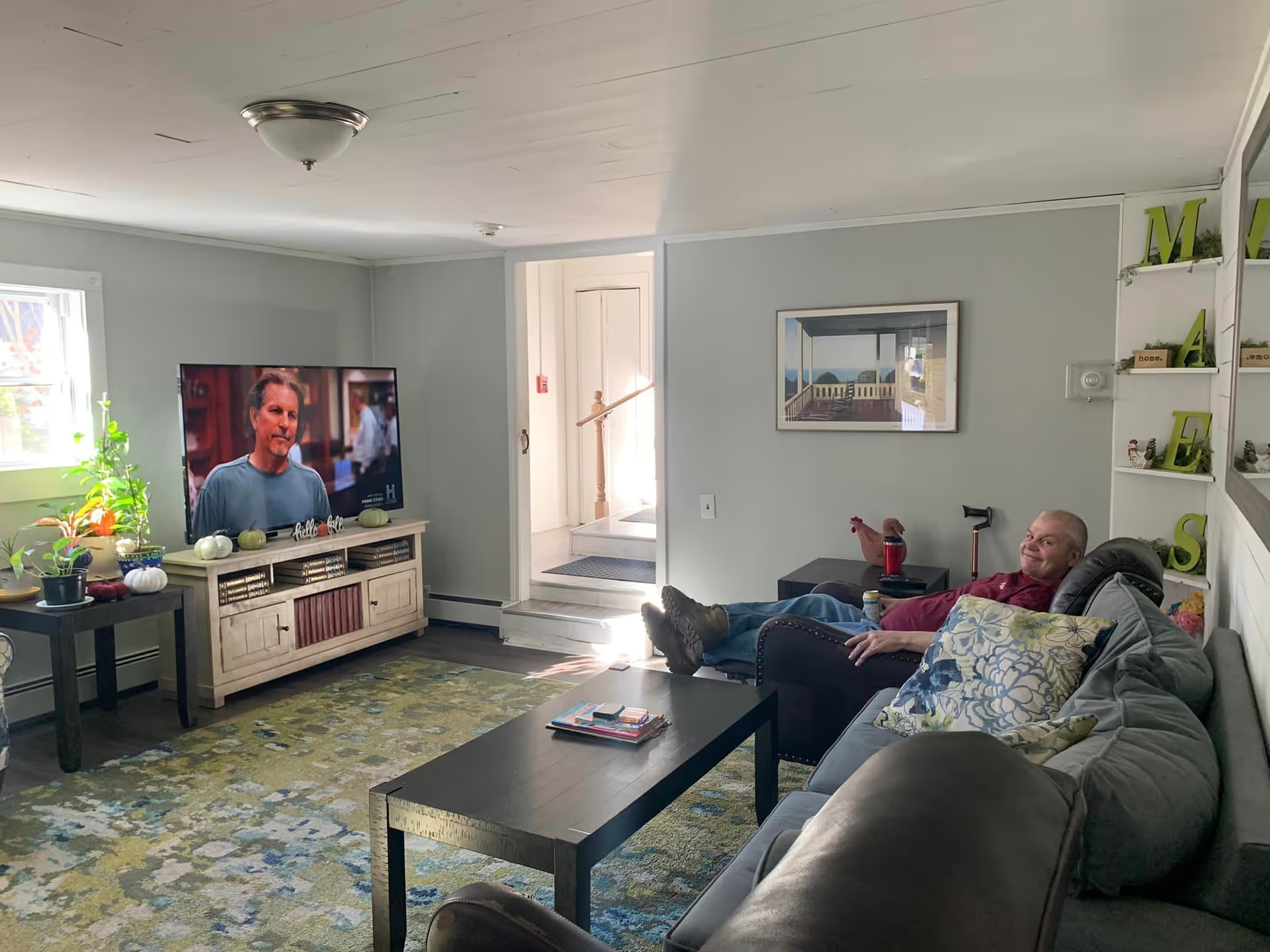
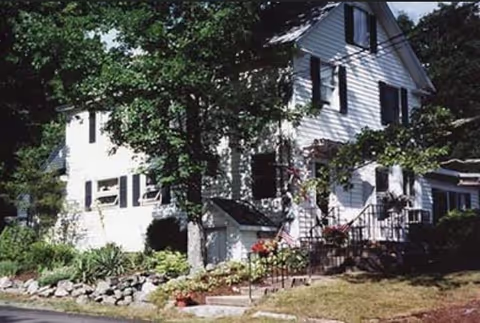
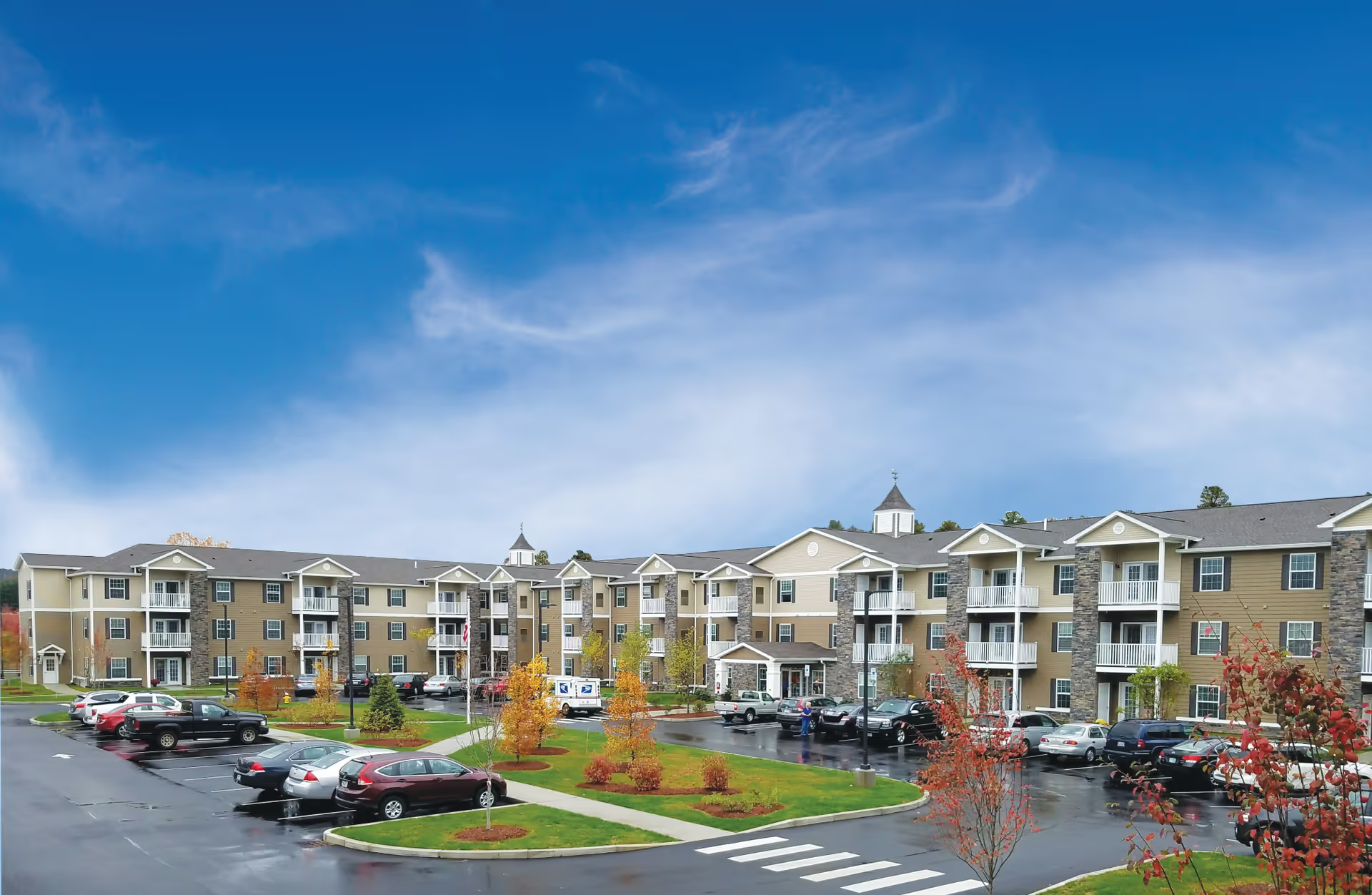
Sugar Hill Retirement Community is consistently described as an attractive, well-maintained campus with multiple housing options — cottages, apartments and an assisted-living component — set on scenic grounds with lake views. Physical amenities and common spaces receive positive note: grounds are kept up, interior spaces are clean, and there are a range of on-site recreational options (pool table, bocce, card games) that support daily social interaction. Reviewers identify the facility as secure and campus-like, with a small, close-knit neighborhood atmosphere that many residents and families find comforting.
Staff and management are a frequent strength in the reviews. Descriptions emphasize a warm welcome from admitting staff, friendly and professional day-to-day interactions, and capable management. Clinical ties to a hospital and visible nursing leadership (for example, a head nurse explaining options) are mentioned as reassuring elements for families evaluating care pathways. At the same time, reviewers characterize the workforce as attentive and accommodating, contributing to a sense of extended-family community among long-term residents.
Dining and programming are also strong features. Dining experiences are described positively, with good-quality meals and regular evening meal service for independent living residents. Activity offerings are broad and active: scheduled outings to coastal destinations, museums and concerts, plus a lively on-site calendar of parties and games. The community culture around activities appears inclusive — there is ample opportunity to participate, and reviewers note there is no pressure for residents to join events they do not want.
Care and clinical capacity present a mixed picture. The hospital affiliation and available nursing staff are seen as positives for clinical oversight, but several reviewers indicate that the community’s capacity to provide higher-acuity, long-term, or immediate-care services is limited. A common pattern is a long waitlist for care services and restricted availability for residents who need to transition to higher levels of medical or personal care quickly. Prospective residents who anticipate increasing care needs should confirm current capacity, waitlist status, and the community’s protocols for care transitions.
The most consistent drawback across reviews is cost. Many describe the community as expensive or premium-priced, which can be a deciding factor for prospective residents. When combined with limited availability of higher-acuity services and waitlists, cost and access are the principal operational trade-offs to weigh against the facility’s strong environment, staffing, dining, and activity strengths.
Overall, Sugar Hill appears to be a well-run, aesthetically pleasing community well suited to active independent seniors who value social programming, a small-community feel, and attentive staff. Families and prospective residents needing or anticipating higher-level medical or long-term nursing care should verify service availability, expected timelines, and financial implications before committing.