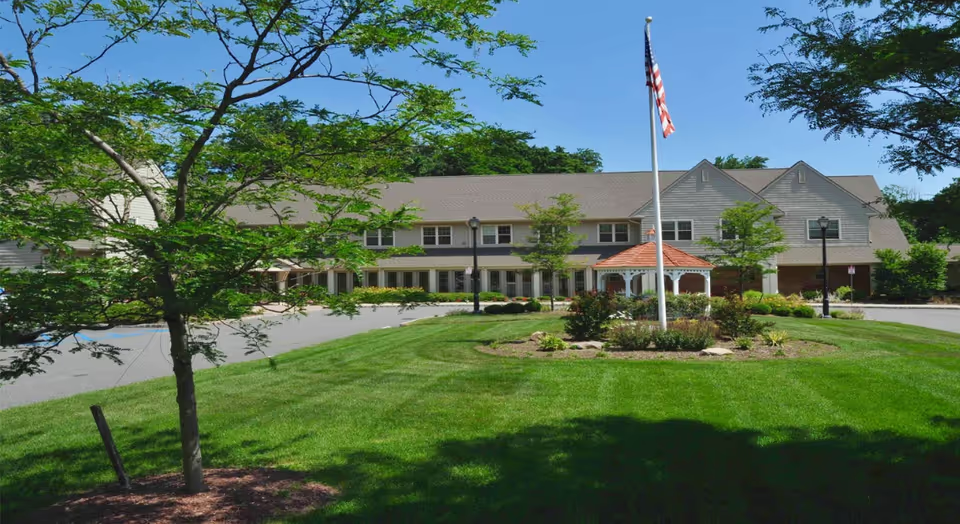
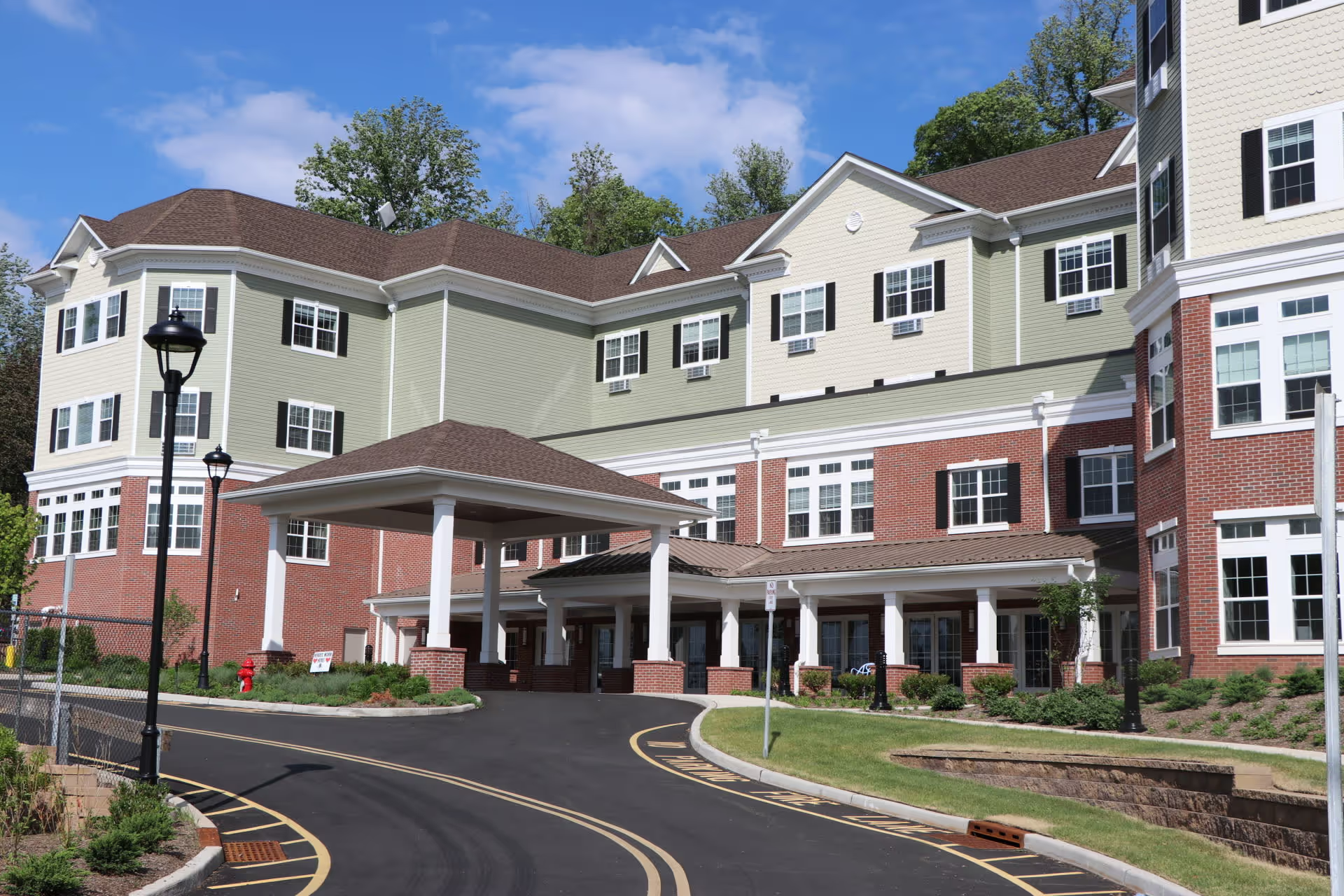
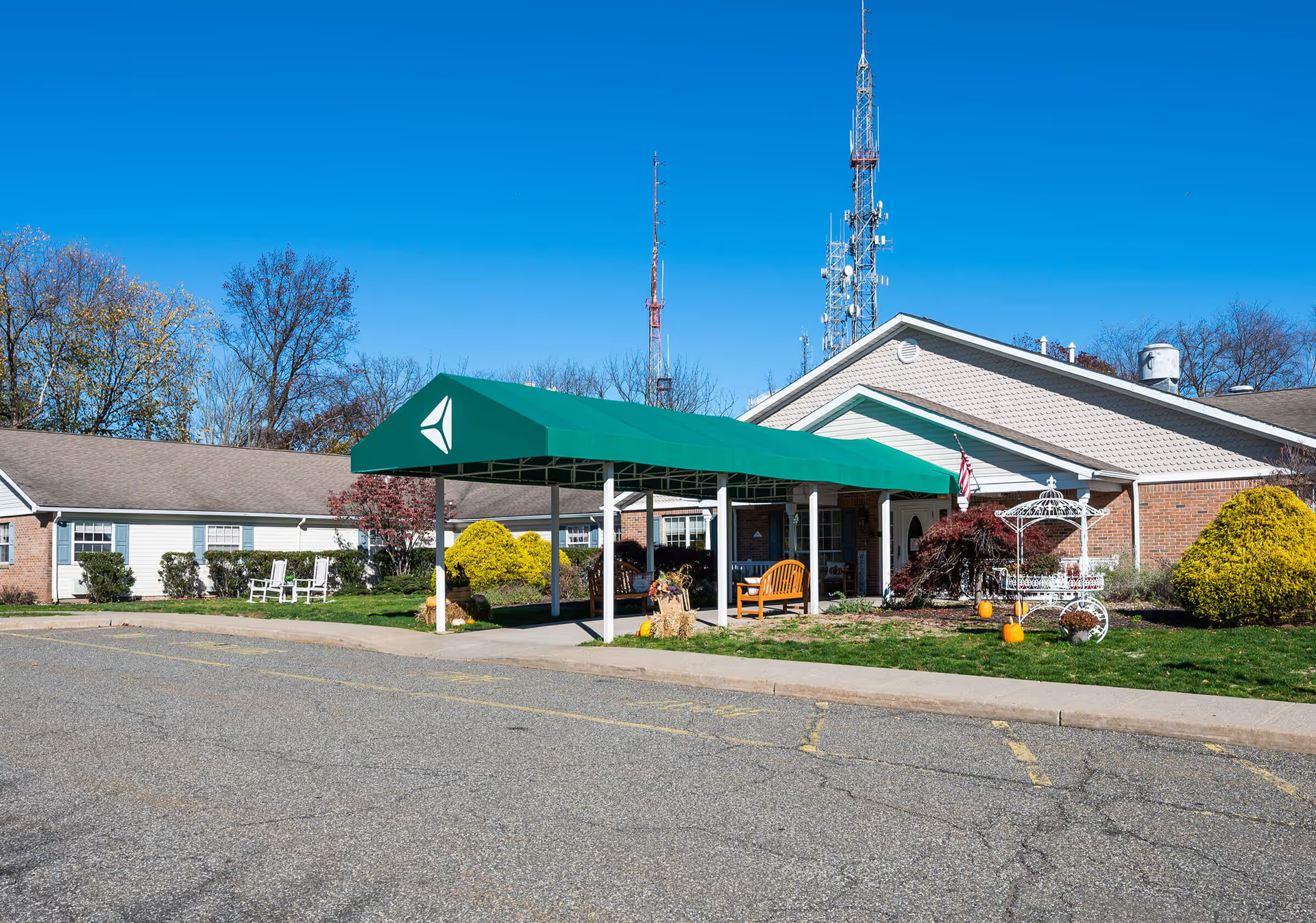
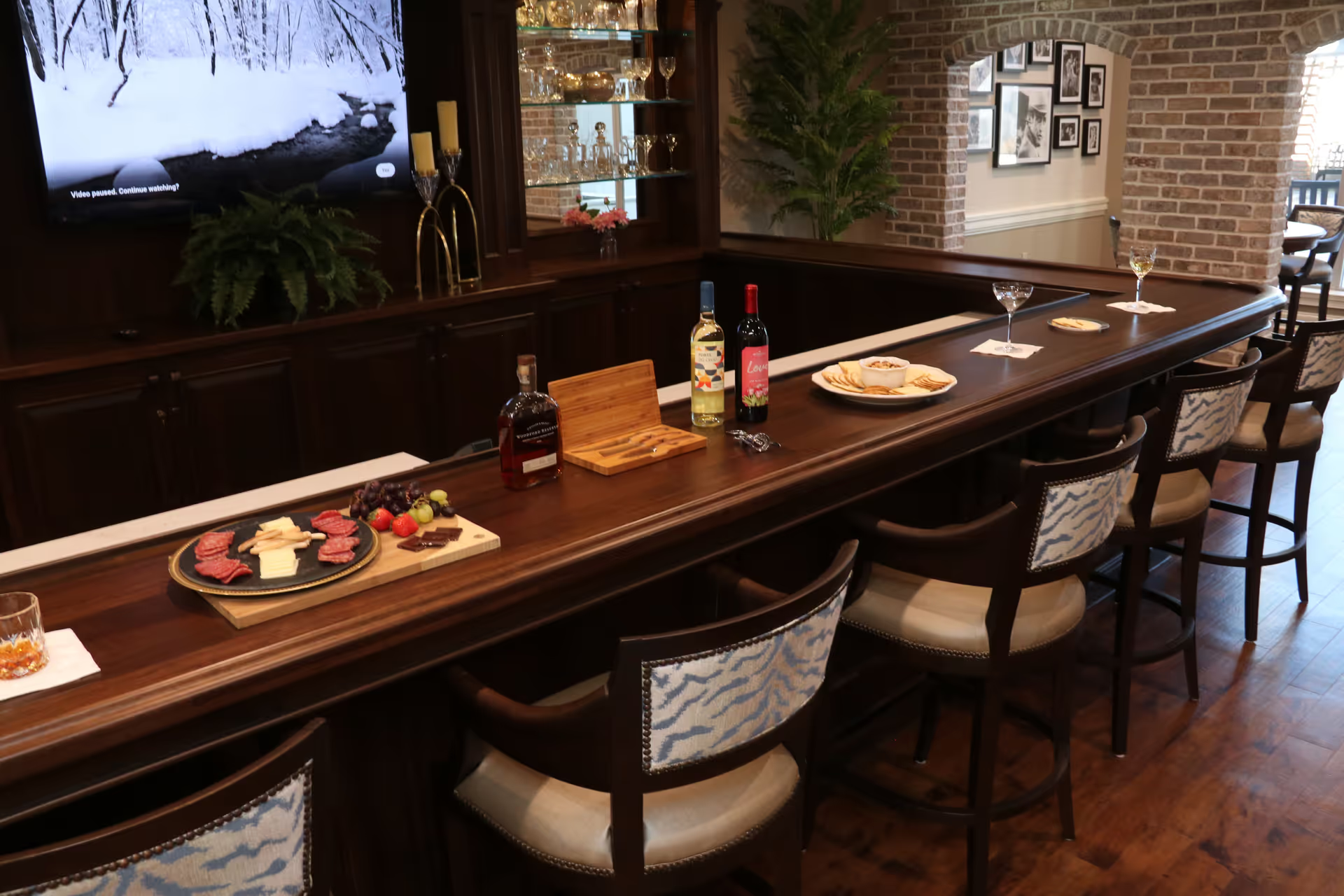
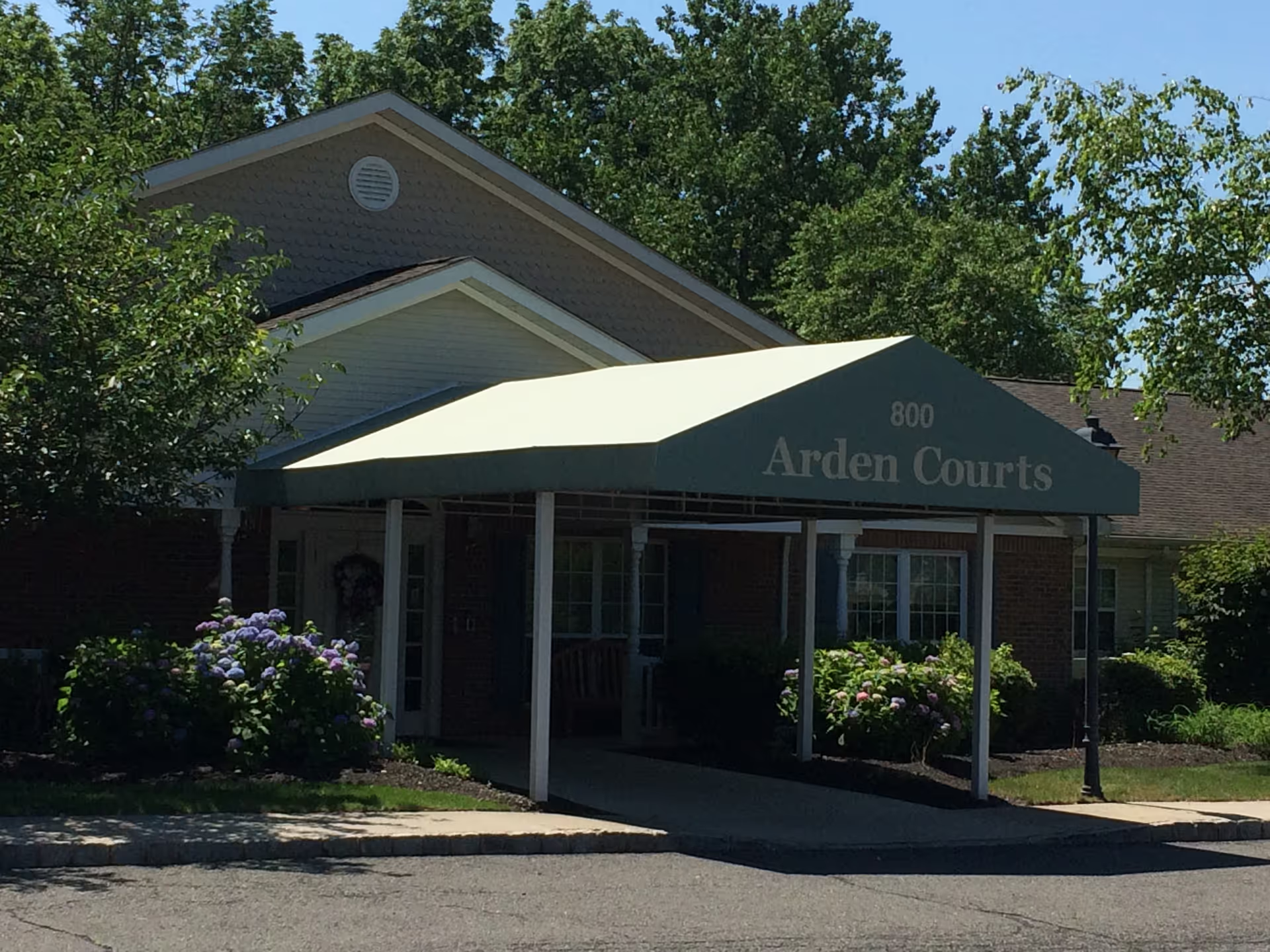
Alaris Health at Cedar Grove elicits strongly polarized impressions. A recurring strength across accounts is the facility’s rehabilitation program: the physical therapy team, gym resources, and therapy-focused staff receive consistent praise for restoring mobility and promoting discharge home. Many families highlight therapists who are knowledgeable, motivating, and effective at returning residents to independence. The campus setting and amenities — attractive landscaping, courtyards, and a well-kept interior in many areas — are additional positive points that reviewers frequently mention.
Care-team performance is uneven. Numerous reviewers describe individual nurses, CNAs, and aides as compassionate, attentive, and professional; those staff members are credited with providing dignified care and good clinical oversight. At the same time, there are repeated accounts of staffing shortages, long response times to call bells, and periods when care staff appear overextended. These operational pressures are linked to delays in assistance with basic needs and inconsistent supervision on patient floors.
Clinical reliability and safety show mixed signals. Several accounts raise concerns about medication delays, missed medication administration, and other medication-timing issues that families believe contributed to clinical deterioration or hospital transfer. There are also statements indicating inconsistent equipment and supply management (for example, assistive devices and oxygen-related readiness). Given these reports, families should ask specific questions about medication administration policies, medication-timing safeguards, and emergency/transfer protocols when evaluating care.
Housekeeping, dining, and environment also vary. Many reviews praise cleanliness and housekeeping, while others cite sanitation concerns, odor issues, and pest-control problems. Meal quality is another area of inconsistency: reviewers report both enjoyable meals and recurring issues with cold, unappetizing, or mislabeled food and insufficient accommodation of dietary needs. These patterns suggest variability in day-to-day operations rather than a uniform standard across the facility.
Management and communication produce mixed impressions as well. Some families commend approachable administrators and clinicians who respond to questions and implement changes. Others describe slow or insufficient follow-up on complaints, poor communication with families, and a perceived lack of responsiveness from leadership. There are also several serious accounts that describe adverse clinical events and concerns following a resident’s death; those reports indicate a need for prospective families to review incident reporting, escalation procedures, and regulatory follow-up records.
Overall, Alaris Health at Cedar Grove appears to offer exceptional rehabilitation services and has many staff who deliver compassionate care in a pleasant campus setting. However, the facility shows recurrent operational weaknesses—most notably inconsistent staffing, variability in clinical and medication practices, fluctuating cleanliness and pest-control, and uneven meal service. Prospective residents and families who value strong therapy services may find the facility beneficial, but they should perform targeted inquiry on staffing levels, medication administration safeguards, supervision and safety checks, pest-control measures, and meal accommodations before admission. Regular family engagement and clear escalation expectations may help mitigate some of the variability described in reviews.