Reviewer sentiment is highly polarized: many families and former residents describe positive rehabilitation outcomes, attentive nurse aides, and helpful therapy teams, while a subset of reviews raises serious clinical-safety and operational concerns. Strengths most consistently cited include a robust therapy program, caring and engaged CNAs and therapists, a well-organized admissions process, and clean or well-maintained public spaces that support social activity and communal engagement.
Care quality: Therapy and short-term rehab emerge as clear strengths — physical and occupational therapists are frequently credited with meaningful progress and successful discharges home. Nursing assistants are often described as attentive and compassionate. Conversely, there are recurring concerns about clinical oversight: reviewers cite medication-administration errors, delayed assessments following falls or acute changes, and instances where infection management and escalation to higher-level care were contentious. These issues point to uneven clinical processes and the need for stronger medication and incident-response controls.
Staff and communication: Reports describe a mix of highly supportive front-line staff and inconsistent professional conduct among licensed nursing staff and mid-level clinical leadership. Several families praised specific nurses, aides, and admissions staff for responsiveness and clear communication; others described slow response times, abrupt tones, or poor follow-through. Shift-to-shift differences (day vs. night) and variability in how staff communicate with families were commonly noted. Spanish-language support and named staff who helped families are positives highlighted repeatedly.
Dining and nutrition: Feedback on dining is mixed. Some reviewers found meals warm and acceptable, while others raised concerns about adherence to prescribed diets, food-quality inconsistency, and limited availability of requested alternatives such as fresh fruit or specific textures. These comments suggest variability in food-service execution and diet management rather than a uniformly reliable dining program.
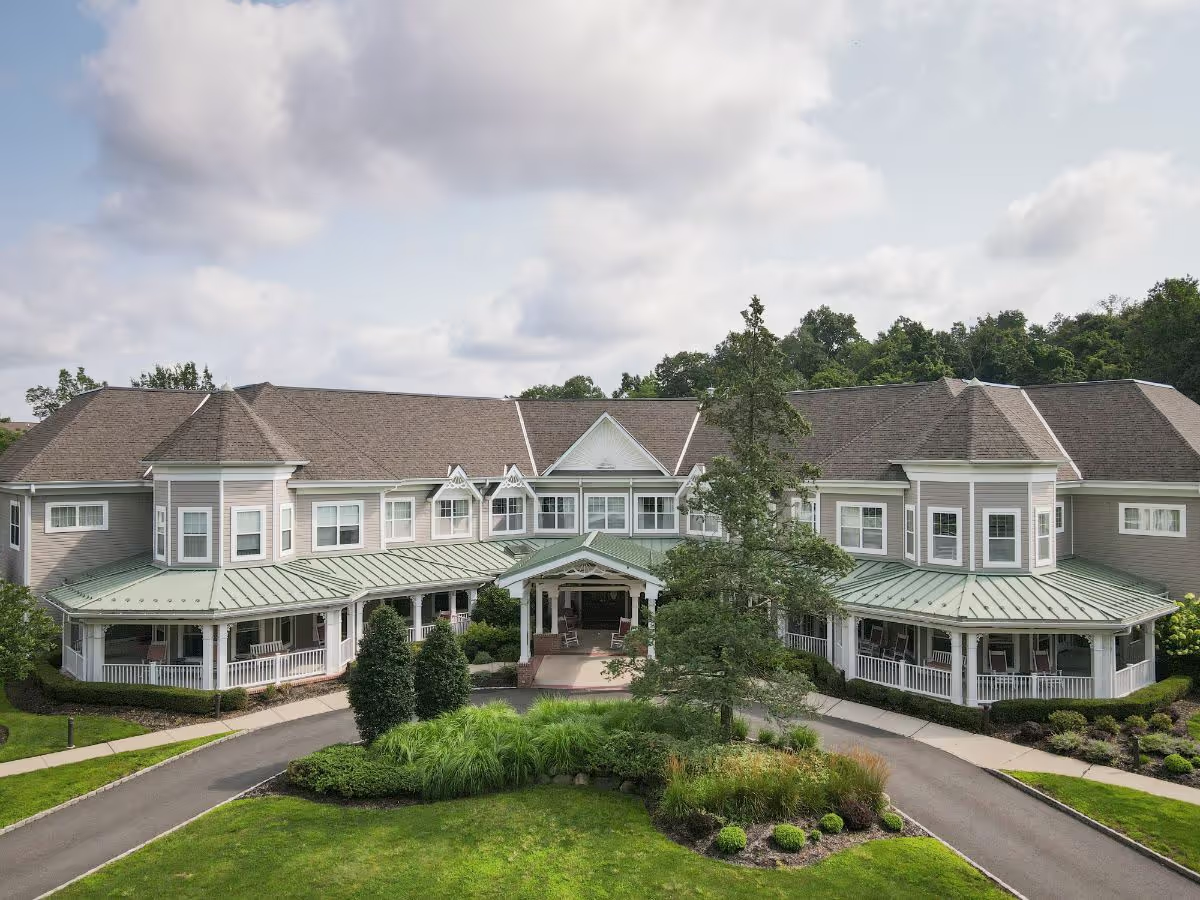
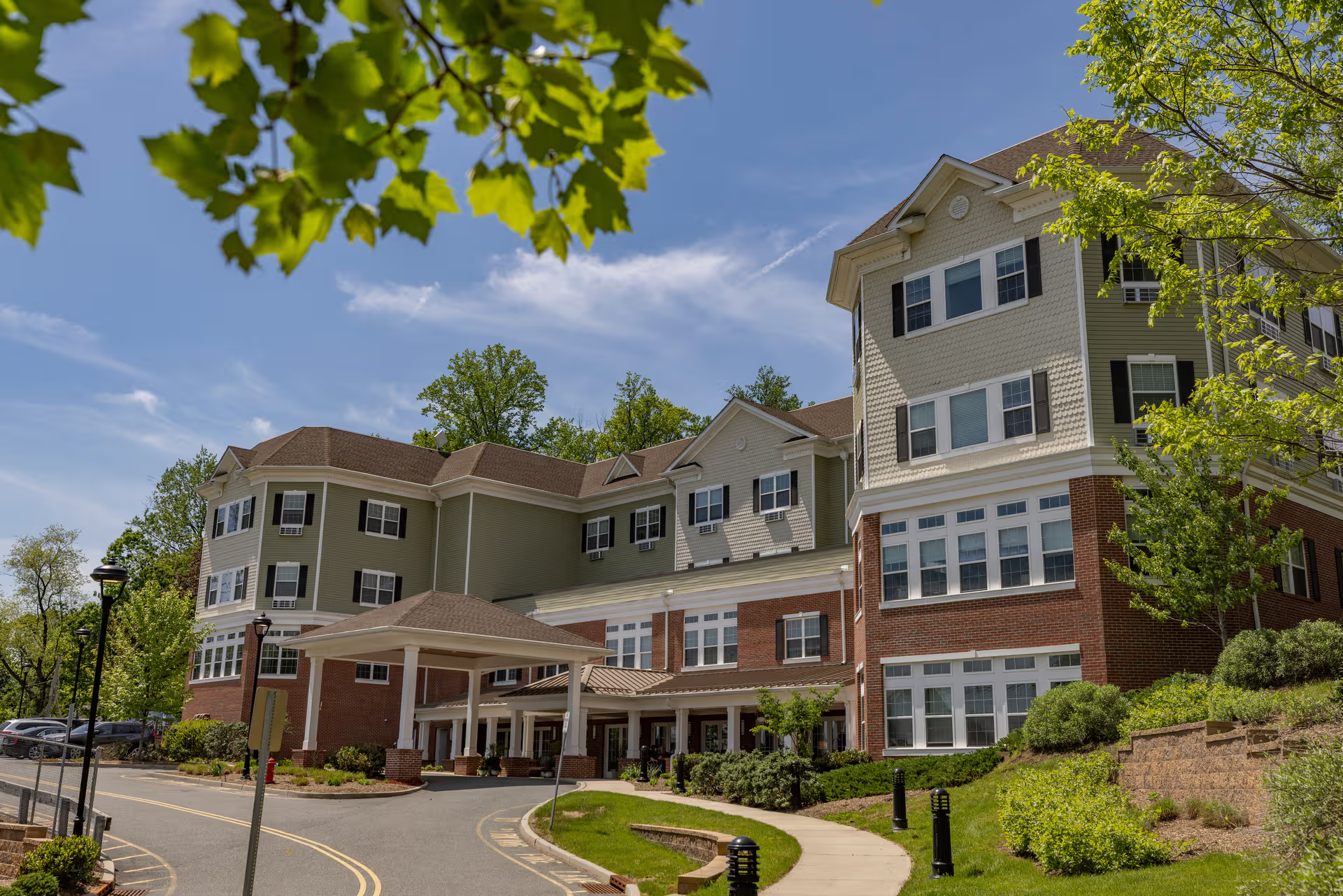
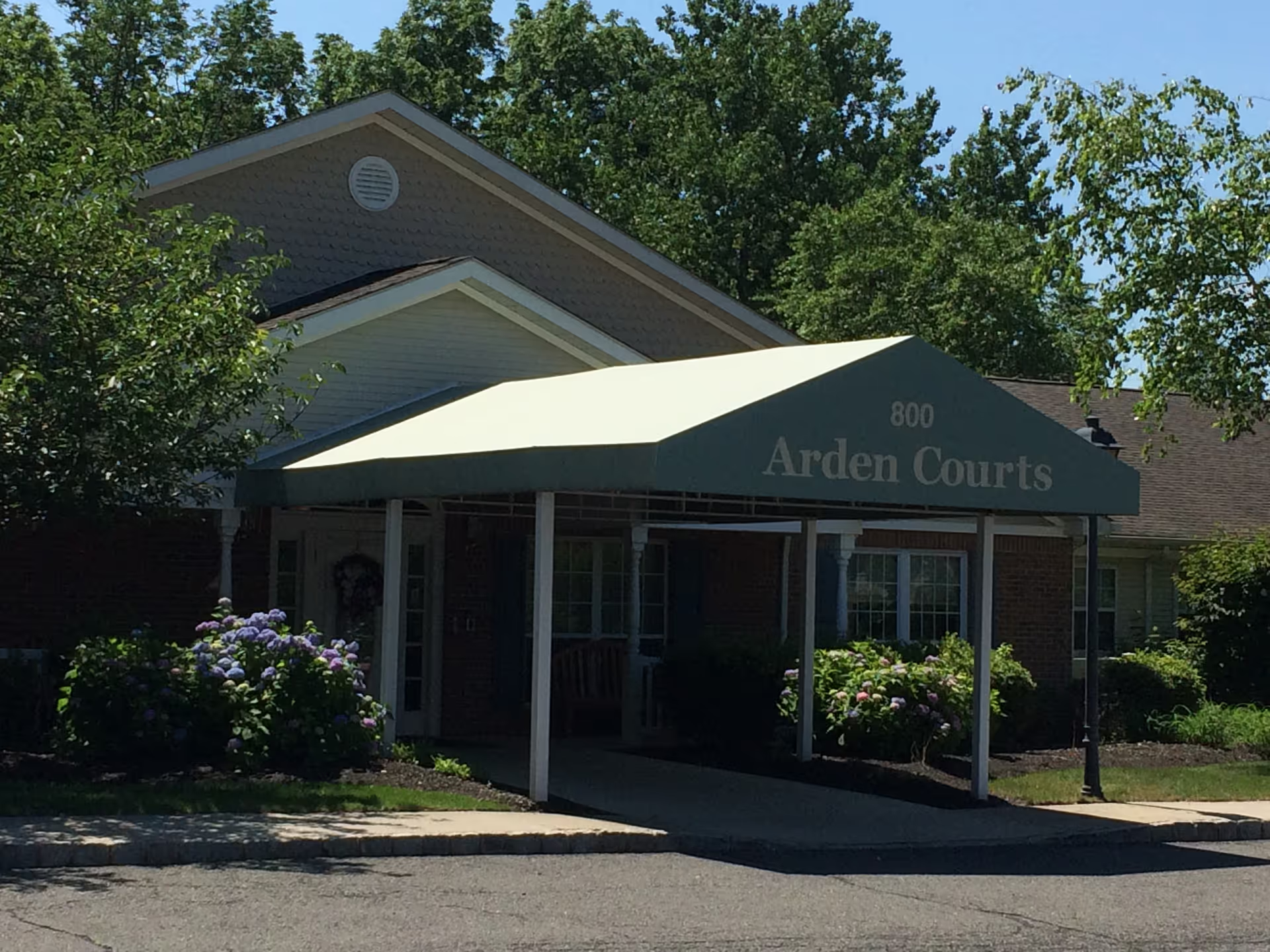
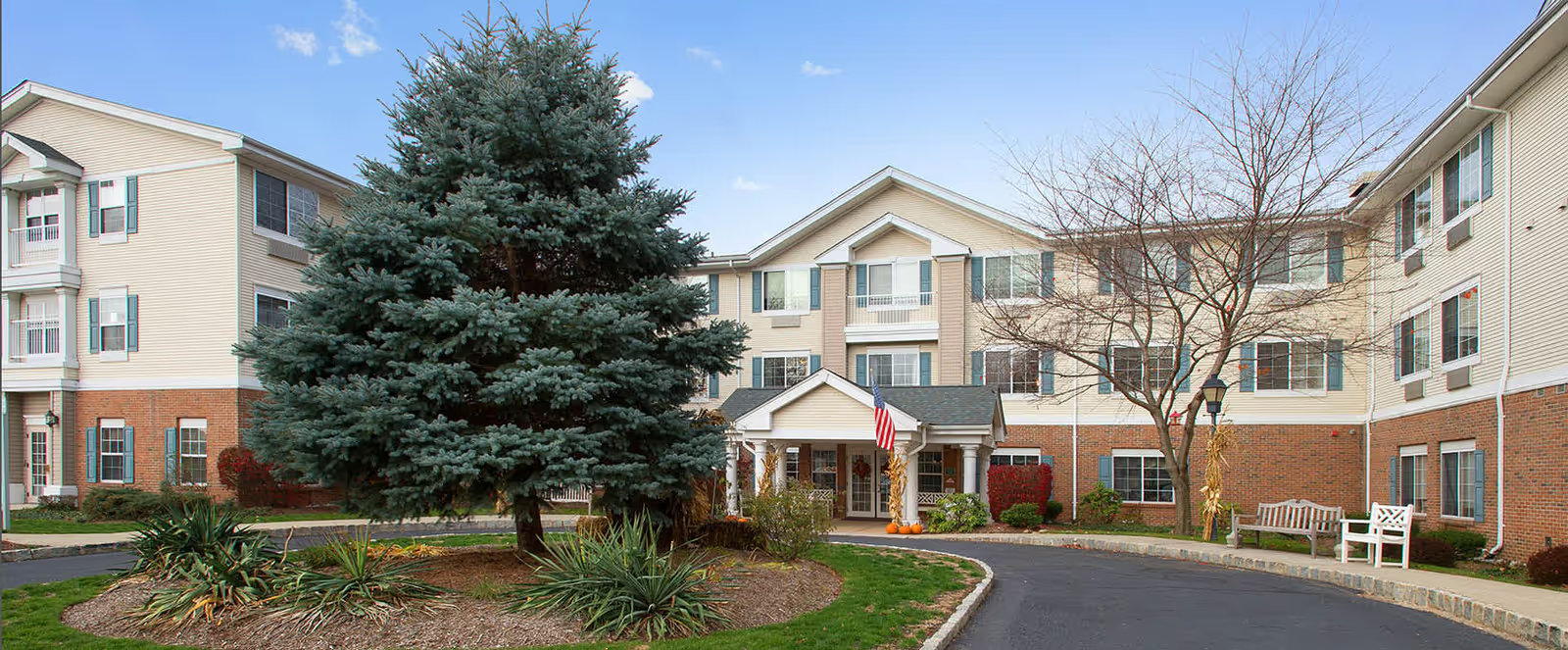
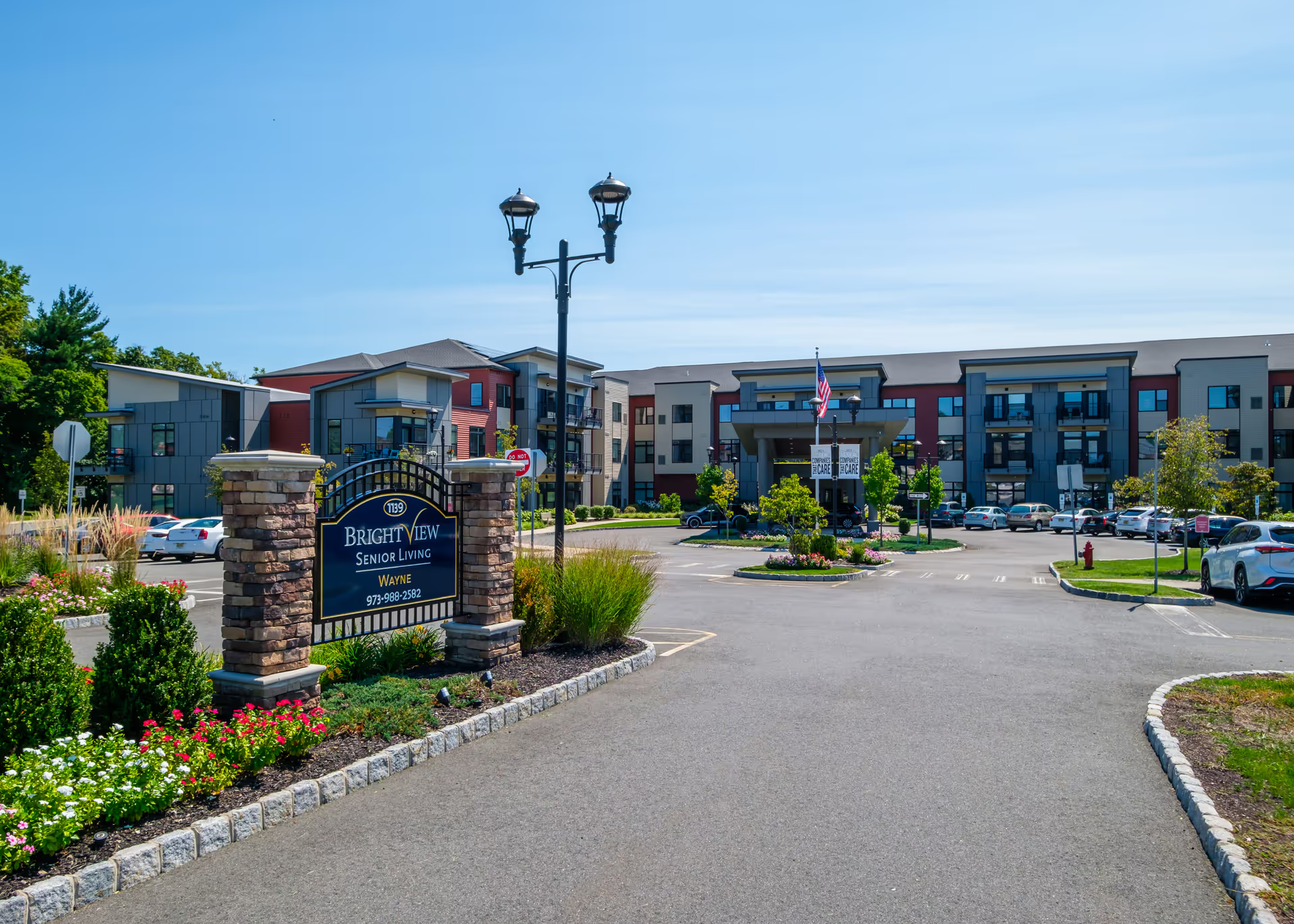
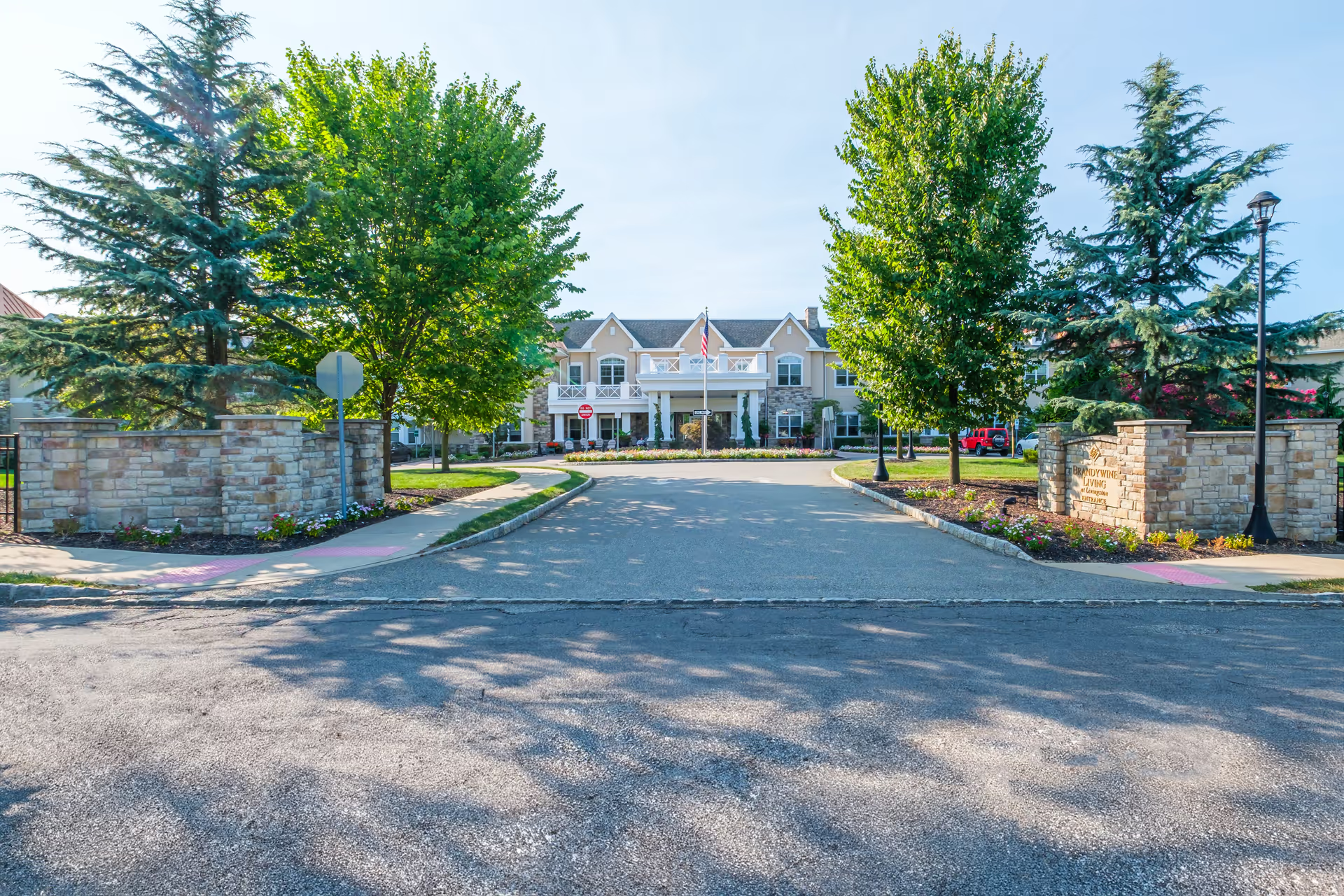
Facilities and activities: The building and communal areas are frequently described as comfortable, with a large activity space and a lively program of activities. Many reviewers found the facility clean and well-maintained. However, other reviews referenced localized sanitation or odor concerns, variability in room quality (including shared-bathroom arrangements), and areas in need of cosmetic maintenance. Prospective residents should expect variability between rooms and units.
Management and governance: A notable pattern is mixed impressions of administration. Several reviewers praised admissions and therapy leadership and cited recent administrative changes that improved operations. At the same time, others reported difficulty getting timely responses to grievances, described unsympathetic or defensive administrative communication, and in one instance used the term allegation regarding executive-level staff conduct. Taken together, these reflect uneven grievance-handling and family-engagement practices that may benefit from continued oversight and transparency.
Notable patterns and advice for families: The dominant pattern is inconsistency — strong rehabilitation outcomes and excellent frontline caregivers coexist with operational weaknesses in staffing consistency, medication controls, cleanliness in some areas, and administrative responsiveness. Families considering this facility should conduct an in-person tour, ask specific questions about staffing ratios by shift, medication-administration protocols, infection-control procedures, diet-dietary-accommodation processes, and how the facility notifies families after clinical incidents. If possible, request to speak with therapy staff, visit during multiple shifts, and review recent inspection or corrective-action documentation to better understand current performance trends.