Brookdale Wayne is frequently described by families as a community with strong caregiving capacity and an active social environment. Across many accounts, nursing staff and memory-care teams receive consistent praise for clinical competence and responsiveness; reviewers highlight long-tenured aides, engaged nurses, and specific leaders in clinical roles. Several families attribute improved well-being and social engagement to the community’s care approach. Leadership and admissions staff are commonly singled out as accessible and helpful, and the community’s COVID-response and infection-control measures earned positive recognition.
Care quality and staffing present a mixed picture. Many reviewers describe compassionate, attentive staff and reliable clinical oversight, particularly in memory care and skilled-therapy services. At the same time, there are frequent comments about inconsistent staffing levels, turnover, and variability between shifts — with particular concerns about weekend and overnight responsiveness. Related operational themes include occasional coordination gaps around transfers and medication communication, and intermittent reliance on agency staff; these are presented as facility-level challenges rather than uniformly persistent conditions.
Dining and activities are prominent strengths. The community offers restaurant-style meals, resident input on menus, and a broad calendar of social and enrichment programs (bingo, tai chi, arts, gardening, outings, and holiday events). Many families praise the social-dining model and the variety of programming that supports resident engagement. That said, meal quality is described variably: several accounts praise the food, while others describe institutional-feeling offerings at times and occasional issues with food temperature or perceived decline after organizational transitions.
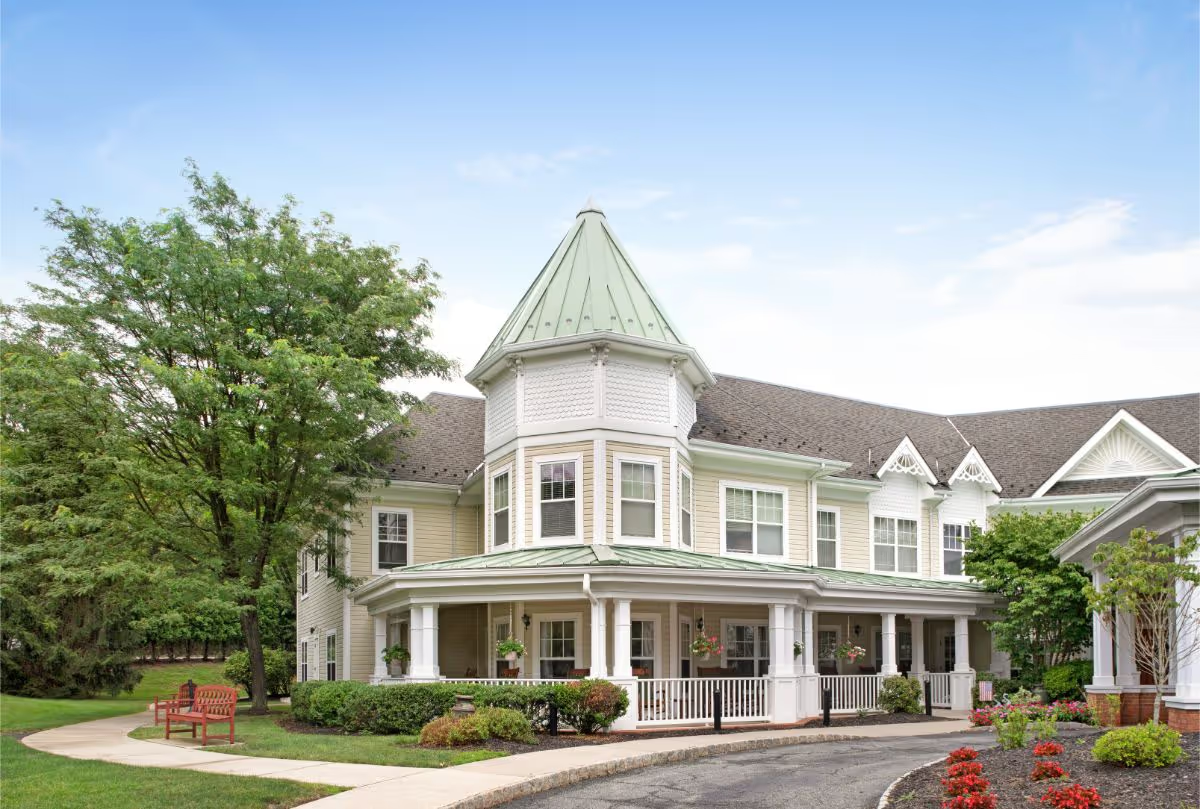
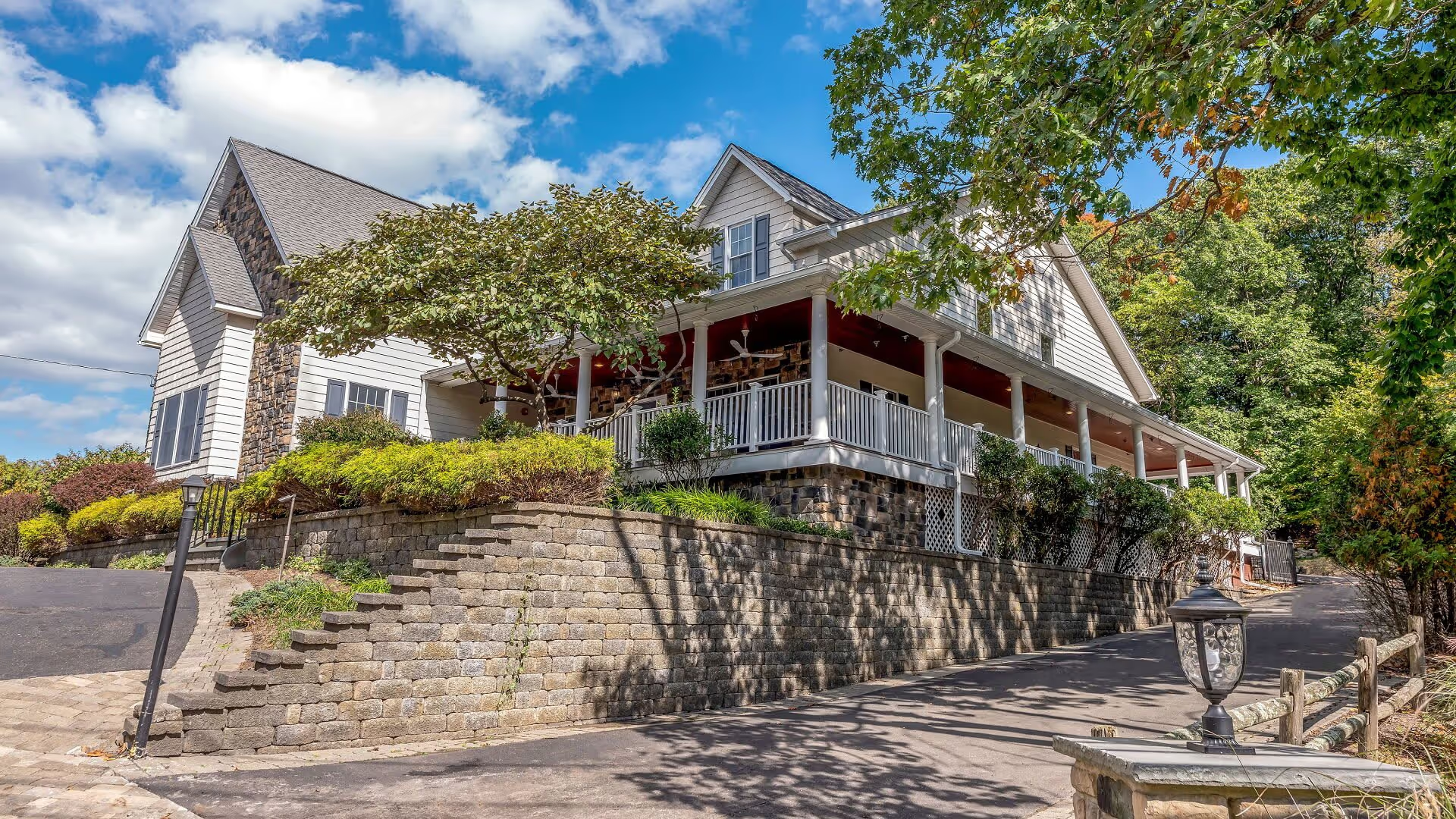
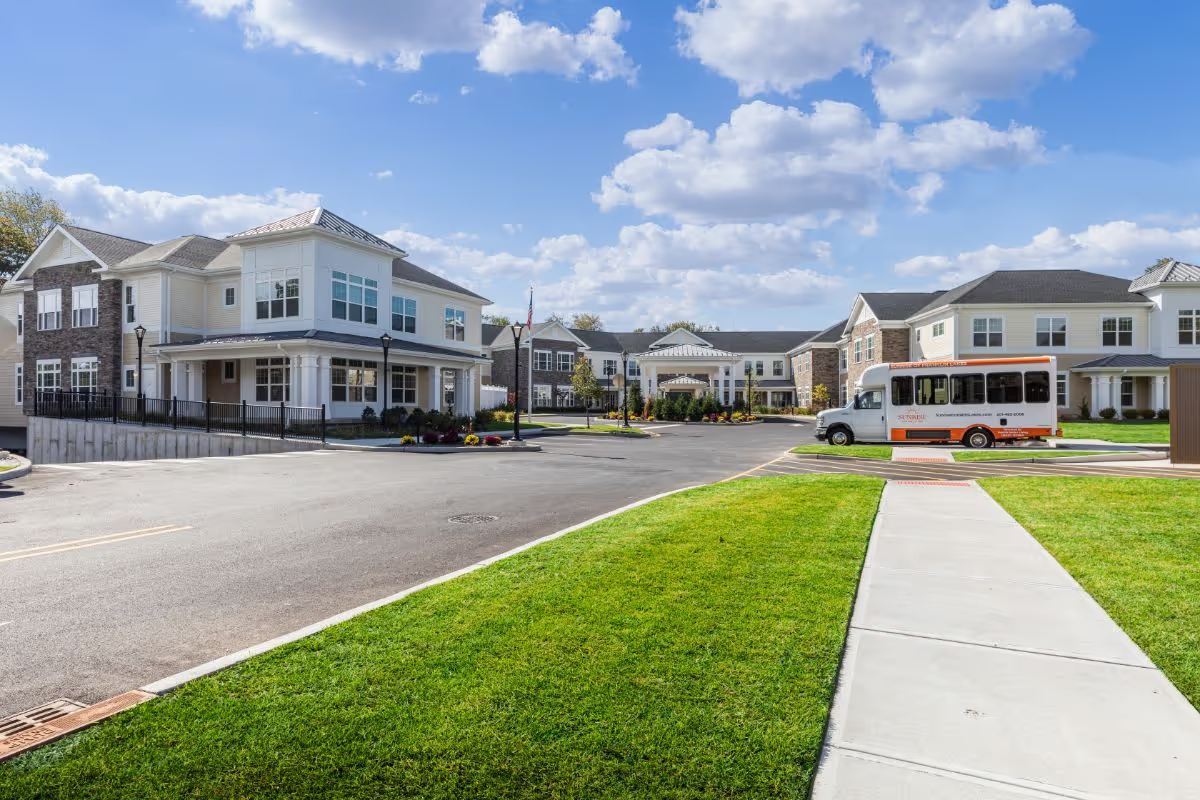
Facility condition and housekeeping are described as inconsistent. Common areas and many apartments are characterized as clean, welcoming, and well maintained; several reviews note attractive public spaces, a large dining room, salon and library, and usable outdoor patios. However, there are recurring comments that some wings or rooms feel dated, and that housekeeping and room-cleaning frequency/consistency can be uneven. Room sizes range widely across the campus — from smaller studio- or motel-sized rooms to 600-square-foot suites — and some unit layouts compromise privacy (shared-bath arrangements or odd bathroom placement).
Management and policy-level issues surface as mixed but actionable. Many reviewers praise the executive director and administrative responsiveness — citing quick issue resolution, helpful admissions processes, and active family communication. Conversely, reviewers also raise concerns about pricing and perceived value, limited transportation options, and restrictive Medicaid-bed availability or unclear bed-hold policies. A few accounts describe instances of unprofessional conduct or communication tone by individual staff members and isolated claims of dishonest behavior; these are presented by families as notable exceptions rather than community norms, but they underscore the need to ask direct questions during a tour.
Overall pattern and guidance: Brookdale Wayne appears to offer strong clinical capabilities, a broad activities program, and a generally warm, family-like atmosphere that many families find reassuring. Persistent operational themes to investigate during a visit include staffing ratios by shift, weekend/night responsiveness, the housekeeping schedule and what is included, the community’s Medicaid bed policy and financial counseling, transportation availability, and recent trends in dining quality. Prospective residents and families would be well served by asking for current staff-to-resident ratios, sample activity calendars, a recent housekeeping schedule, details on memory-care unit layout and visitation, and references from current families before making a placement decision.