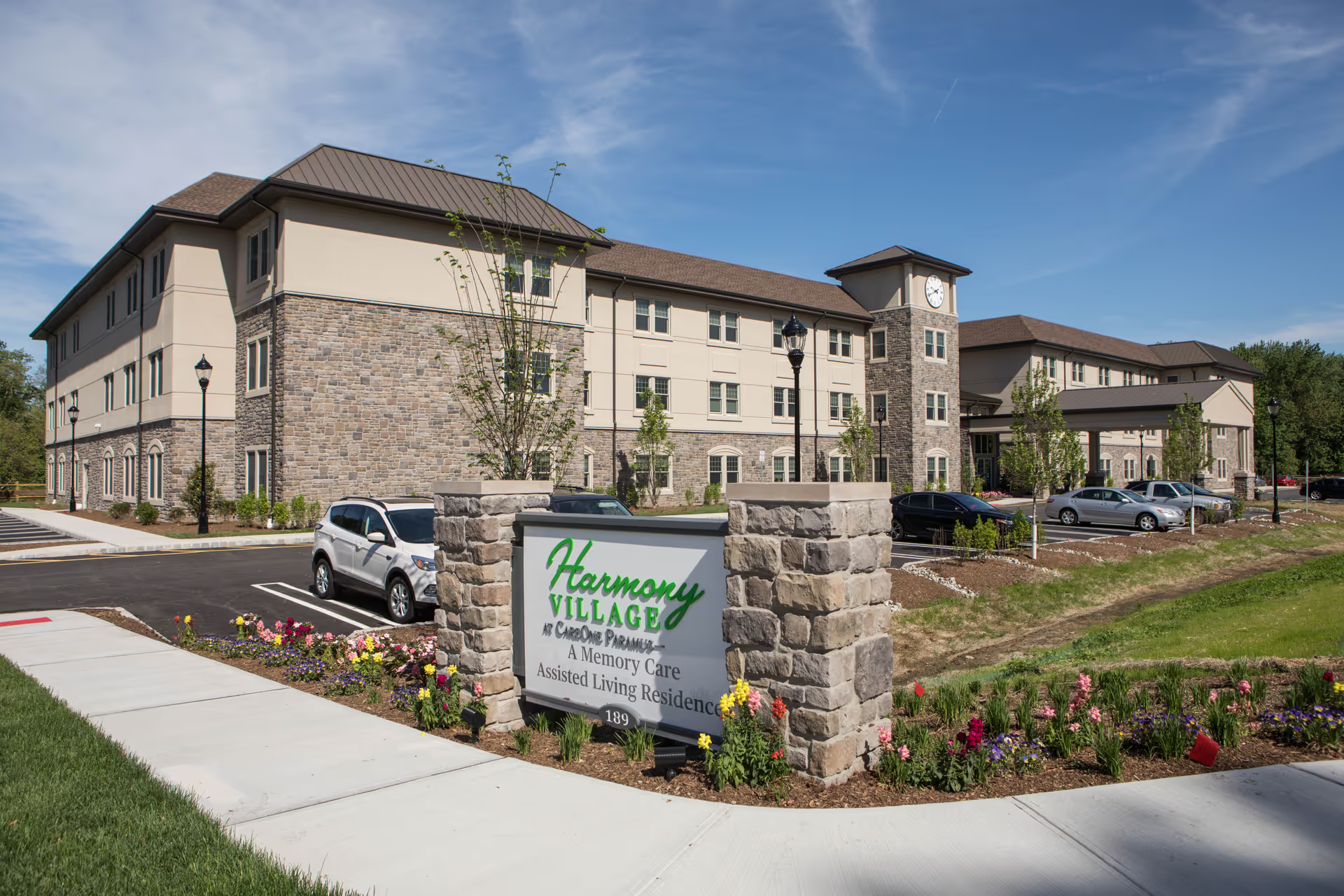
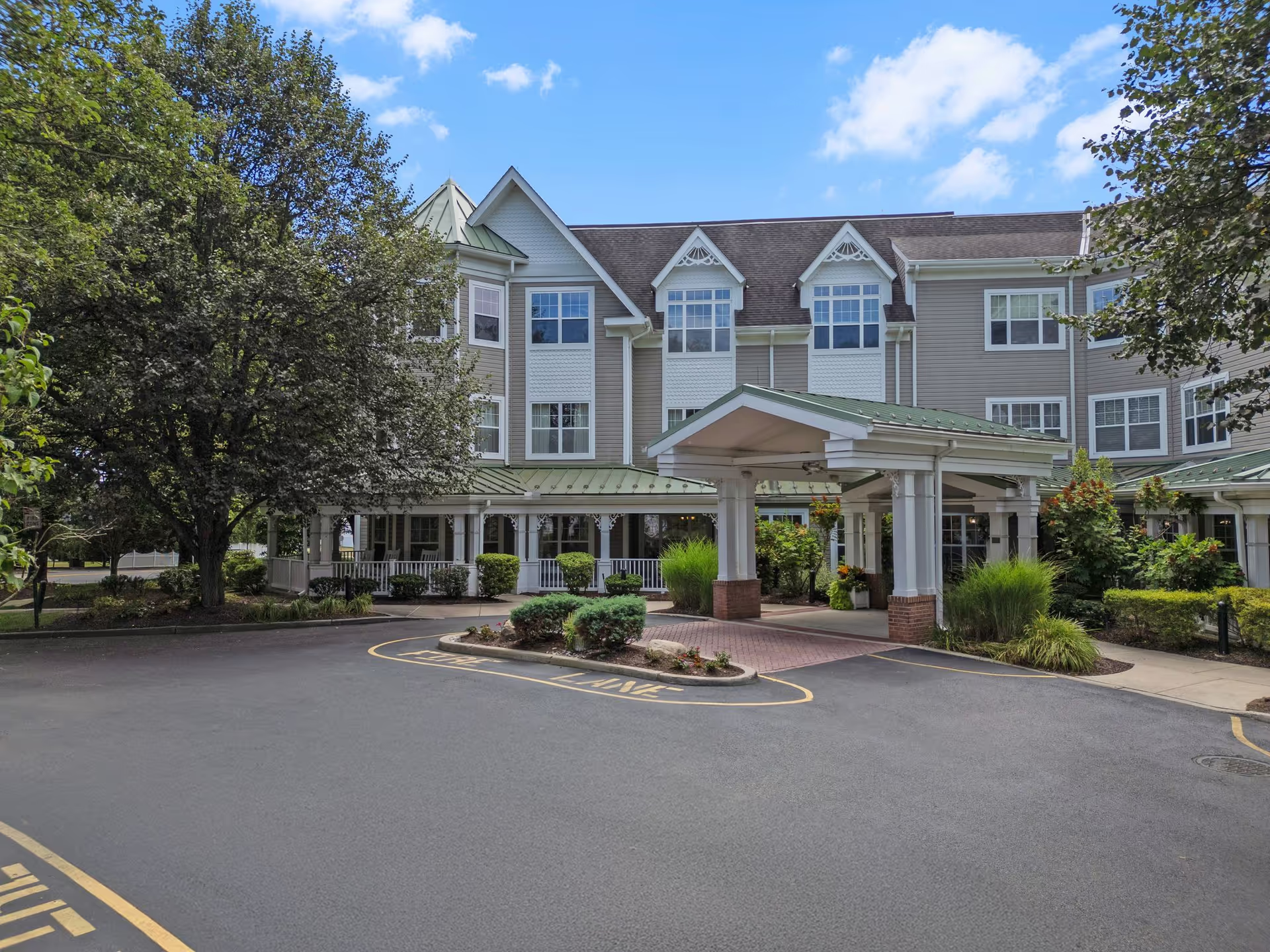
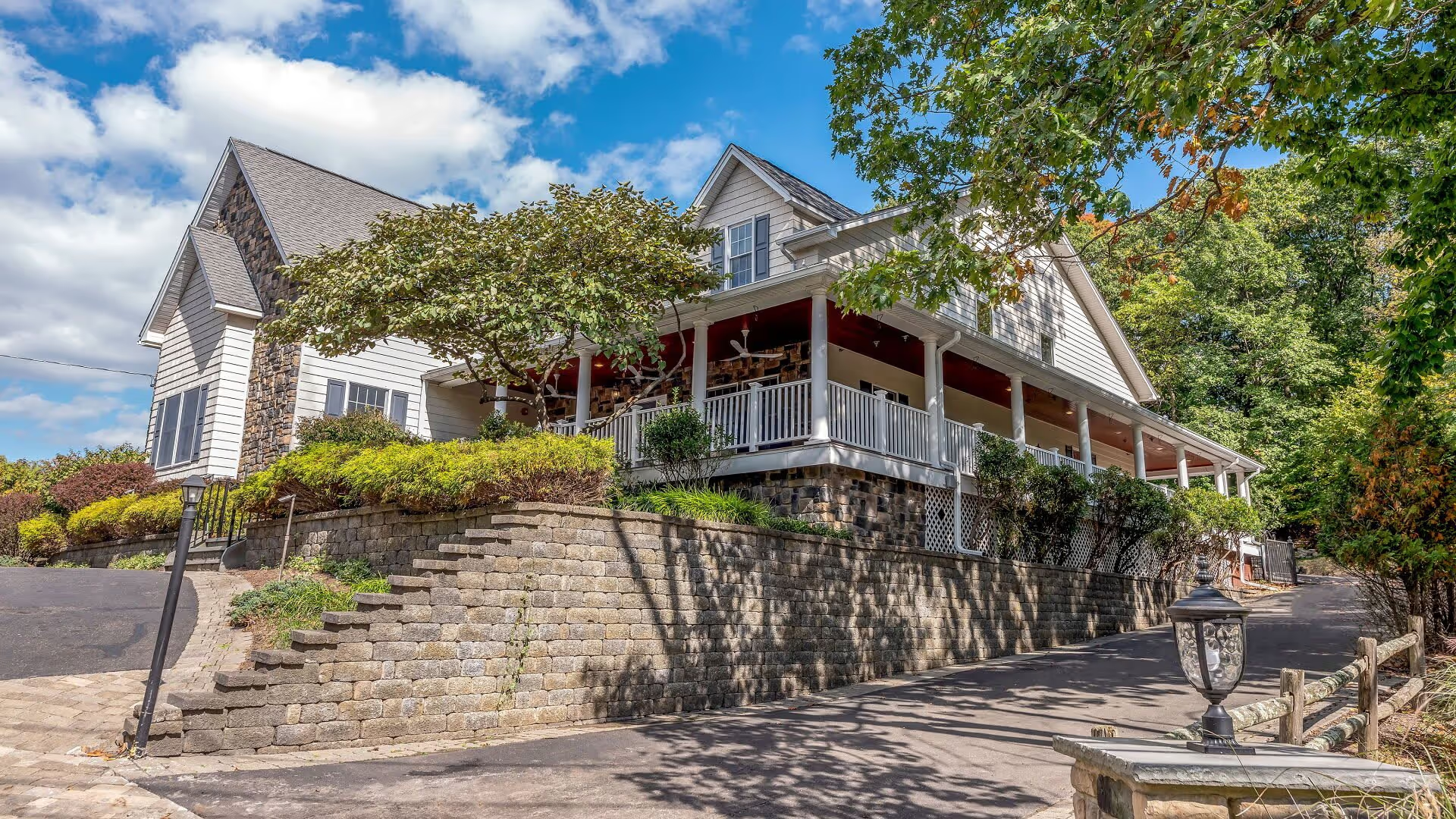
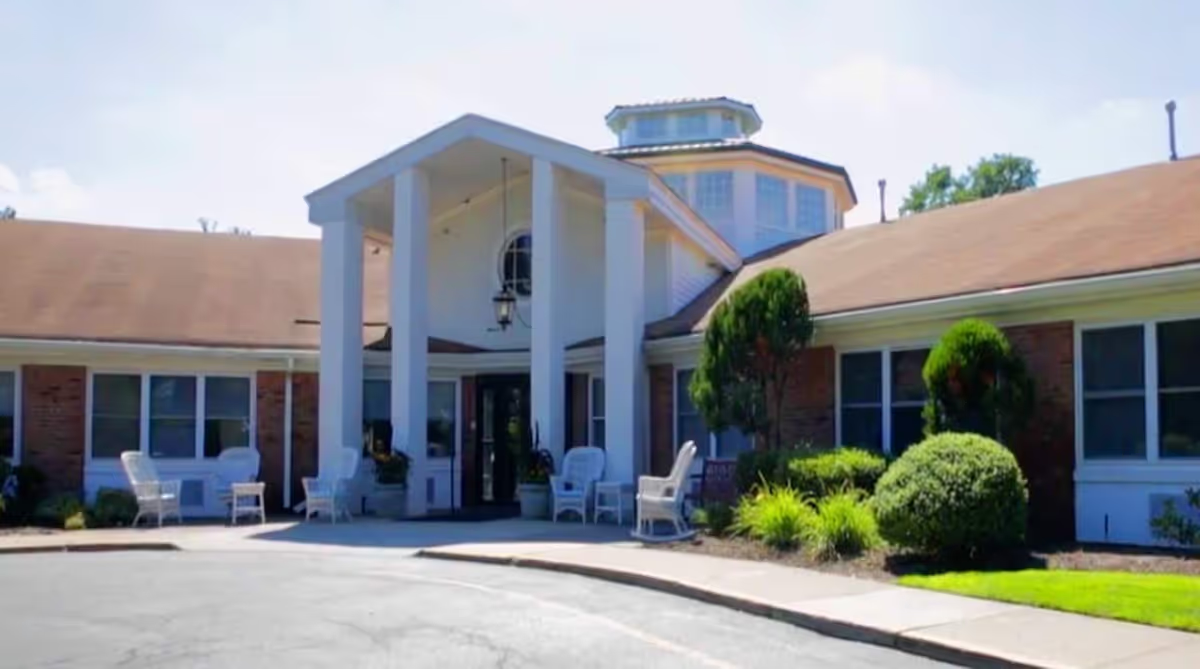
The Chelsea at Fair Lawn is a recently constructed senior living campus with many features that appeal to prospective residents and families. The building and common areas are consistently described as modern, bright, and well maintained; apartments are noted as spacious and well appointed. The location is convenient for shopping and family visits, and the campus offers a range of on-site amenities—underground parking, a gym, salon, theater, and in-house physical therapy—that support both independent and assisted living needs. The community also markets an all-in-one campus model that includes assisted living and memory-care services, and it is pet friendly.
Staffing and day-to-day care receive strong, repeated praise. Reviewers describe staff as attentive, compassionate, and accommodating; several individual team members were singled out for their supportive roles in helping residents settle and participate in activities. Low aide-to-resident ratios and a focus on personal attention are cited as positives that contribute to resident satisfaction and family reassurance. Move-in and admissions experiences are commonly described as smooth, with staff helping to coordinate furnishings and early needs.
Dining and activities are prominent strengths in many accounts. The culinary program and dining experience are frequently characterized as high quality, with flexible meal options and an upscale, ‘cruise-line’ dining vibe noted by multiple families. At the same time, there are descriptions of occasional inconsistency in food quality and service, particularly at certain meal times. Programming is robust — varied social, religious, and recreational activities, resident-led groups, and cross-community events are highlighted as contributors to a strong social environment and resident engagement.
Several operational and clinical patterns bear attention. As a new facility there have been start-up kinks that, per accounts, were often addressed promptly; nevertheless, families should expect some ongoing process refinement as the community stabilizes. More significant are concerns related to clinical coordination: reviewers raised issues about medication-management communication and about readiness to respond when a resident’s condition declines. These include gaps in clinical escalation and discharge/post-decline planning. Relatedly, some families encountered problems with care-level assessment and billing accuracy, indicating potential inconsistencies in administrative processes. Staffing turnover was mentioned as a factor that could affect continuity of care for some residents.
Memory-care suitability appears mixed. While some families reported supportive, compassionate care within the memory-care unit, others felt the setting or clinical readiness did not match their loved one’s needs. Prospective residents with complex clinical profiles or advanced care needs should probe clinical protocols, medication oversight, and escalation procedures during touring and contracting.
In summary, the Chelsea at Fair Lawn presents as a modern, well-appointed community with many operational strengths: appealing facilities, attentive staff, robust activities, and a strong dining program. Families appreciate the social atmosphere and the ease of move-in. Areas to investigate further during a tour and pre-admission discussions include medication-management practices, clinical escalation pathways, accuracy of care-level assessments and billing, and how the memory-care program aligns with a given resident’s needs. These operational areas appear to be the primary sources of variability in an otherwise positively regarded new community.