Care quality: Overall, the facility is frequently described as providing competent clinical and rehabilitative care. Reviewers highlight effective physical, occupational and speech therapy and many families felt their loved ones improved after rehab stays. Nursing and aide-level staff are commonly characterized as caring and involved; however, there is a recurring pattern of inconsistent responsiveness and staffing coverage that has led to delays in care or assistance in some accounts. A small subset of narratives raises concerns about medication administration timing and broader medication-management practices.
Staff and management: The caregiving team and activity staff receive consistent praise for warmth, knowledge and the ability to build personal relationships with residents. Communication with families is often described as transparent and proactive, and admissions/therapy coordinators are praised for facilitating smooth transitions. At the same time, some reviewers describe variability in administrative responsiveness and leadership engagement—examples include unreturned messages, differing experiences with unit directors, and a perceived emphasis on occupancy that can affect individual family interactions.
Dining and nutrition: Dining is regularly cited as a strength—menus are varied, presentations are appealing, and the dining experience is compared favorably to higher-end settings. That said, there are intermittent complaints about meal-service execution, incorrect meal selections for dietary restrictions, and inconsistent handling of special-diet needs. These issues appear sporadic rather than systemic but are important for residents with strict nutritional requirements.
Activities and social life: Activity programming is a clear asset. The facility offers a wide array of classes, crafts, musical programs, outings and exercise options, and reviewers emphasize active social engagement and opportunities for meaningful connection. Memory-care programming exists on-site, and families appreciate dementia-specific supports; however, some reviewers felt the level and type of activities for residents with advanced cognitive impairment could be improved or expanded.
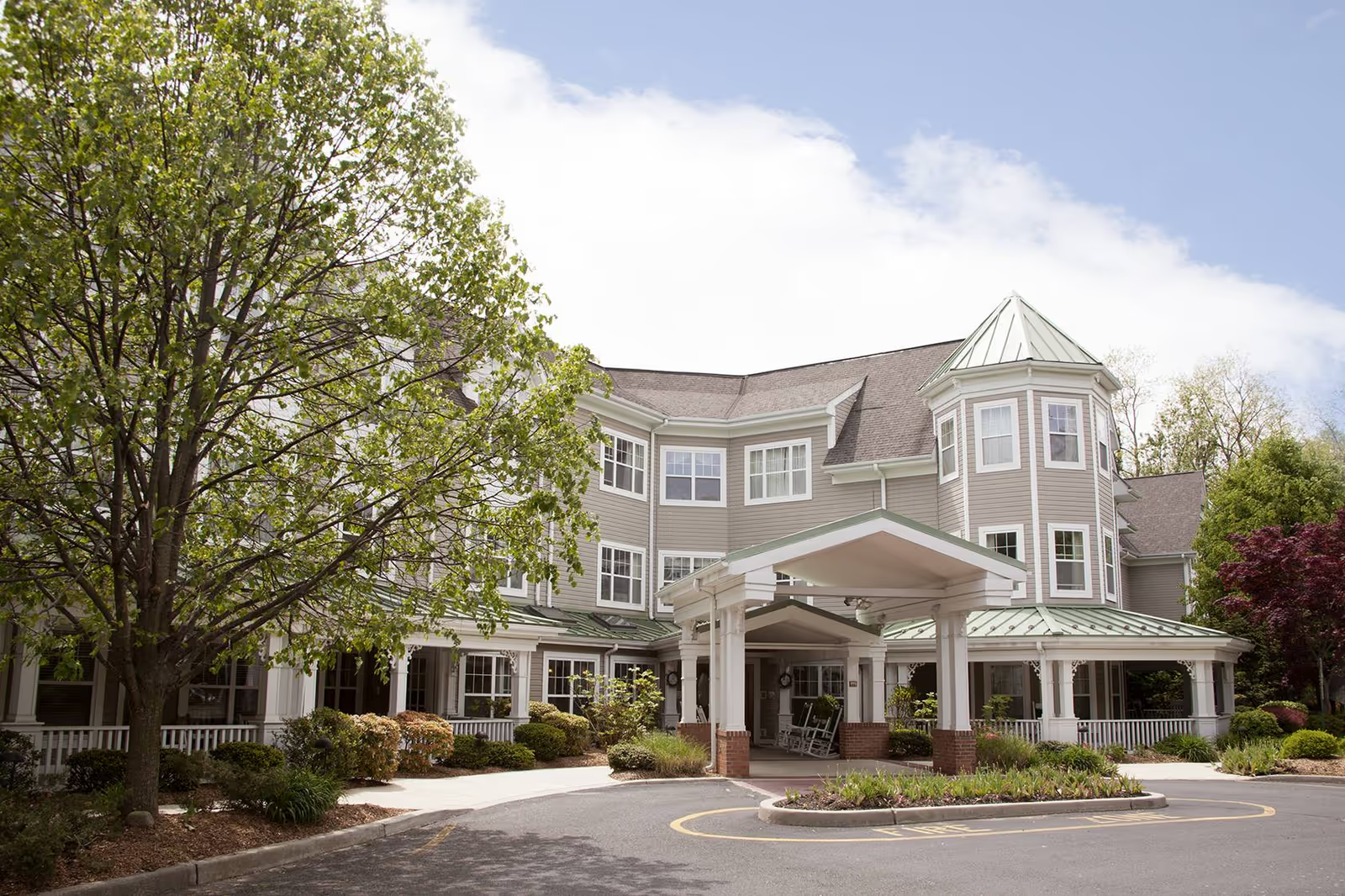
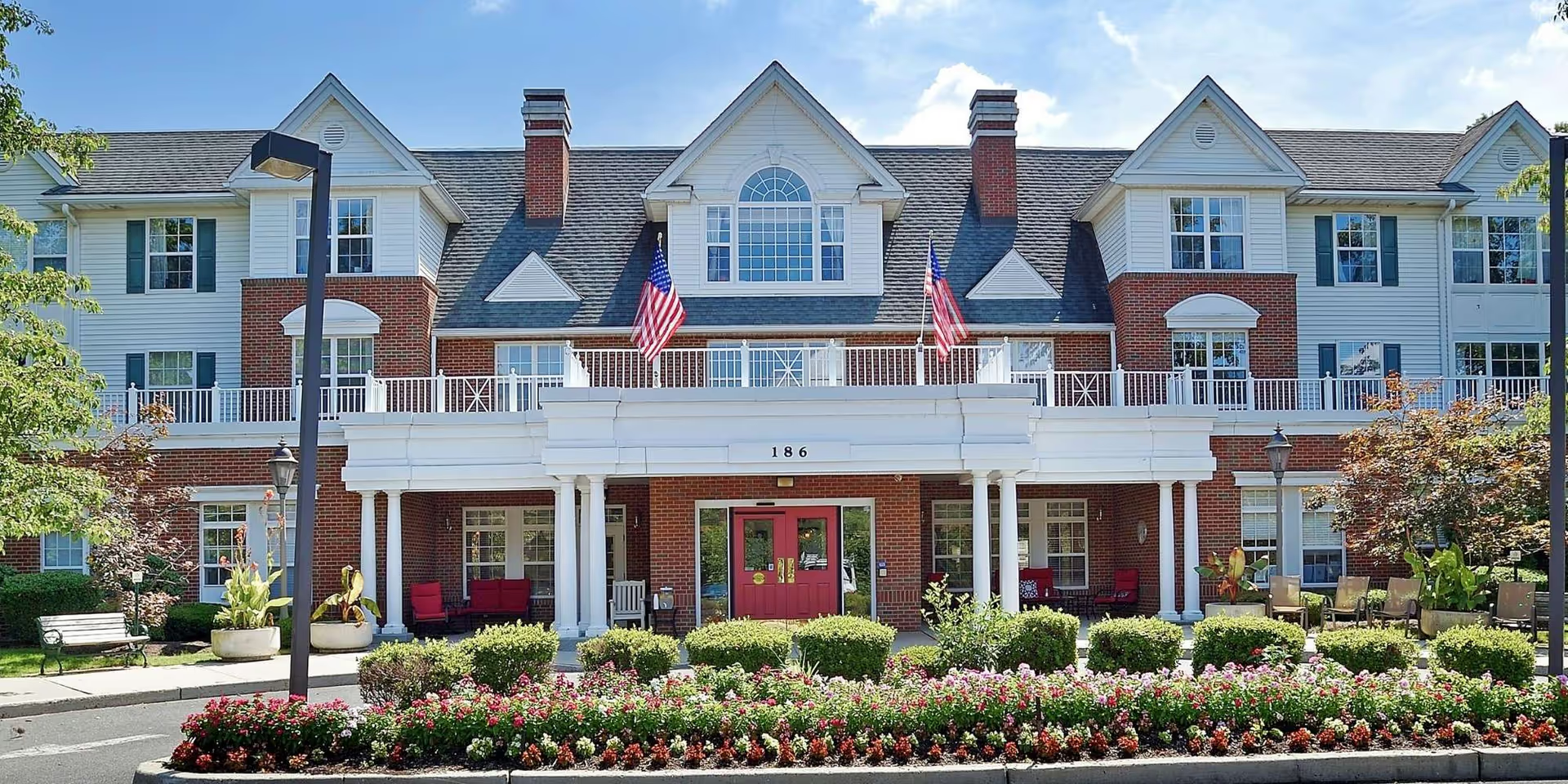
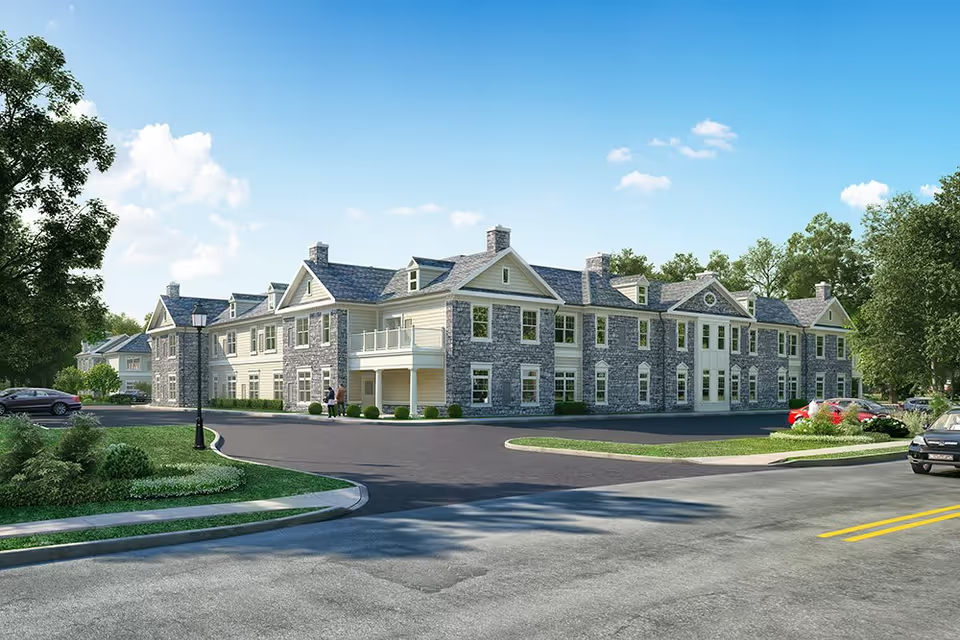
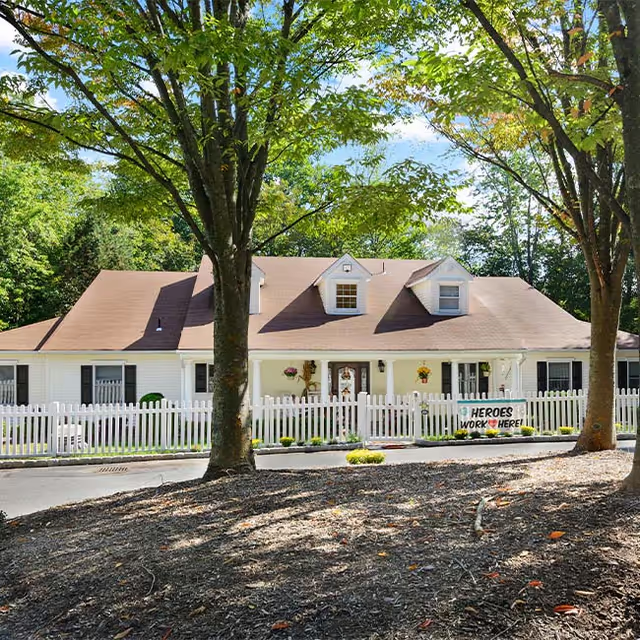
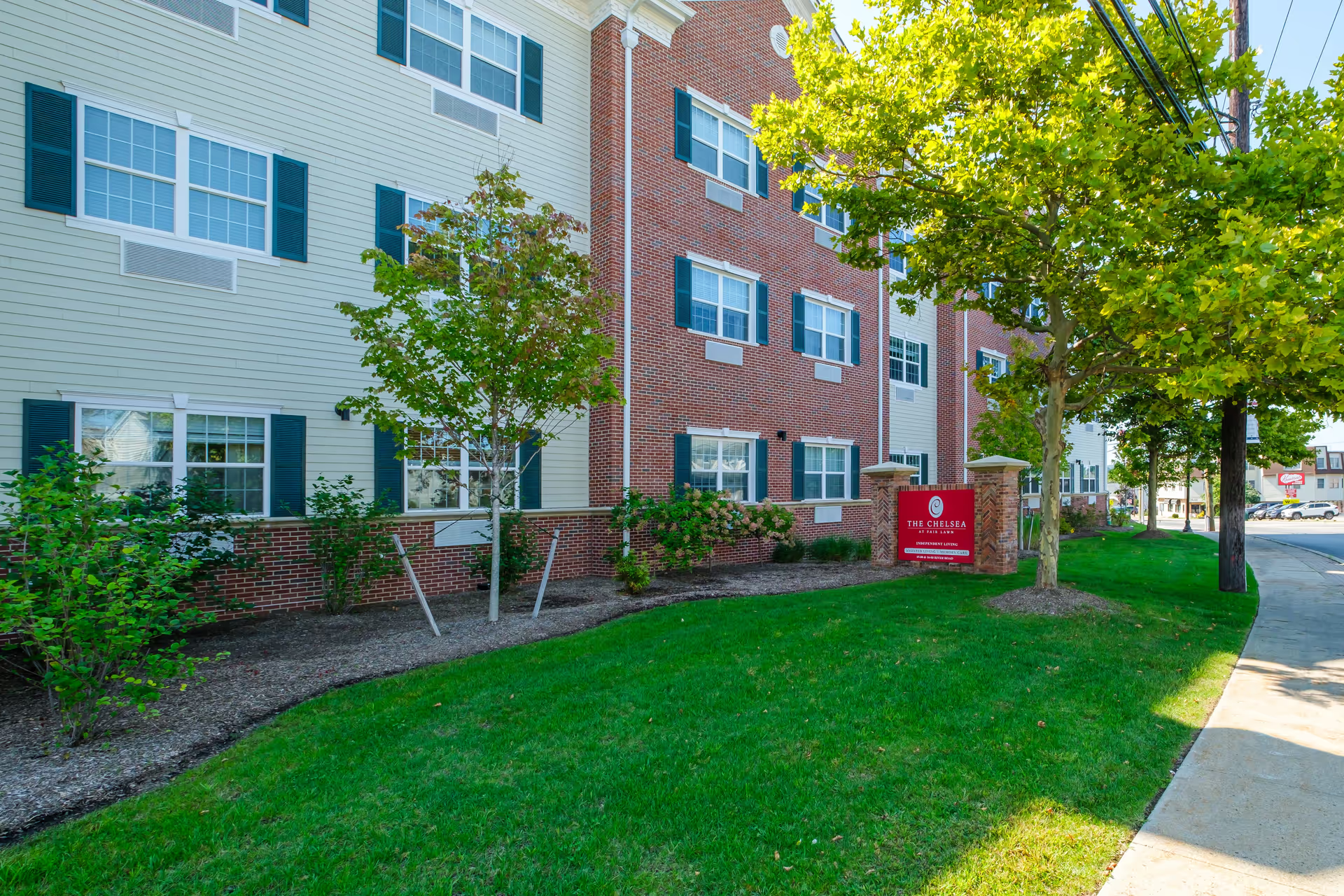
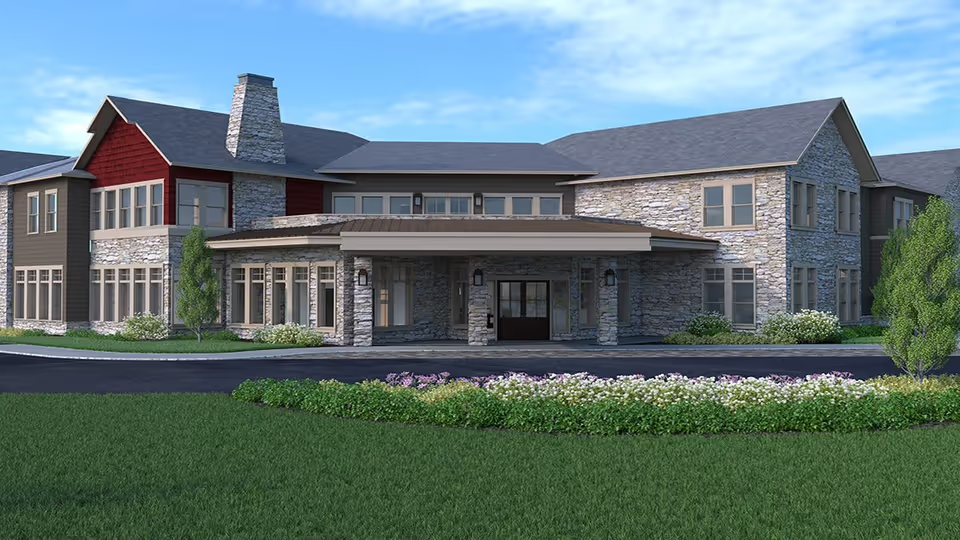
Facilities and campus: The property is frequently described as attractive, resort-like, and well maintained, with notable landscaping, outdoor dining areas and pleasant common spaces. Renovations in some areas and updated flooring were mentioned positively. Conversely, some units and rooms are described as small or dated, and the campus layout is large and spread out—this can create long walking distances to dining and activity areas and limit staff visibility. Construction noise and unit moves during renovations were also noted as disruptive in several accounts.
Safety, operations and costs: Operational concerns include exterior lighting and entrance safety, variable evening supervision, and occasional sanitation or odor concerns in common areas. There are also accounts of laundry and personal-belongings management issues. The facility’s pricing is often described as high, and limited Medicaid acceptance or additional assisted-living fees make cost a material consideration for many families.
Notable patterns: The overall pattern across reviews is one of a generally high-quality, activity-rich community with strong therapeutic offerings and an engaged caregiving staff, tempered by operational inconsistencies in staffing, administration, and some service areas (meals, medication timing, personal belongings). Prospective residents and families will likely appreciate the social programming, grounds and therapy services, but should ask targeted questions about evening staffing levels, medication-management protocols, special-diet procedures, room options and financial policies during tours to confirm fit and address variability noted by others.