Chelsea Senior Living at Washington Township receives largely positive feedback for its day-to-day caregiving, facility environment, and social programming. Reviewers commonly highlight a caring, attentive staff complemented by visible clinical oversight; many families describe staff who know residents by name, engage residents in activities, and provide individualized attention. The community is frequently characterized as warm and family-like, with a strong memory-care program, effective therapy and nursing teams, and leadership that is present and perceived as supportive.
Care and staffing are described in positive terms by numerous families: nurses, aides, med aides, and the onboarding team are credited with making transitions smoother and providing reassurance to relatives. Memory-care residents in particular are described as benefiting from a passionate, dedicated team and a cozy, secure environment. Clinical coordination and routine assessments are noted as strengths, and several reviews single out caregivers and dining-room personnel for going above and beyond.
Dining and activities are other strong areas. Reviewers mention appealing menus, attentive dining-room staff, and a lively activities calendar (bingo, social events, and relationship-building programs) that helps residents form new friendships and feel at home. Hospitality-related remarks emphasize high-end furnishings, tasteful interiors, and a generally well-maintained physical environment that is easy to navigate.
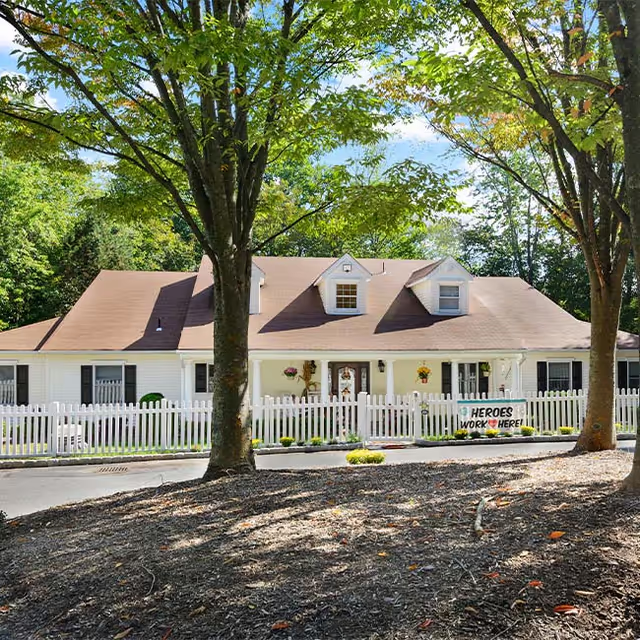
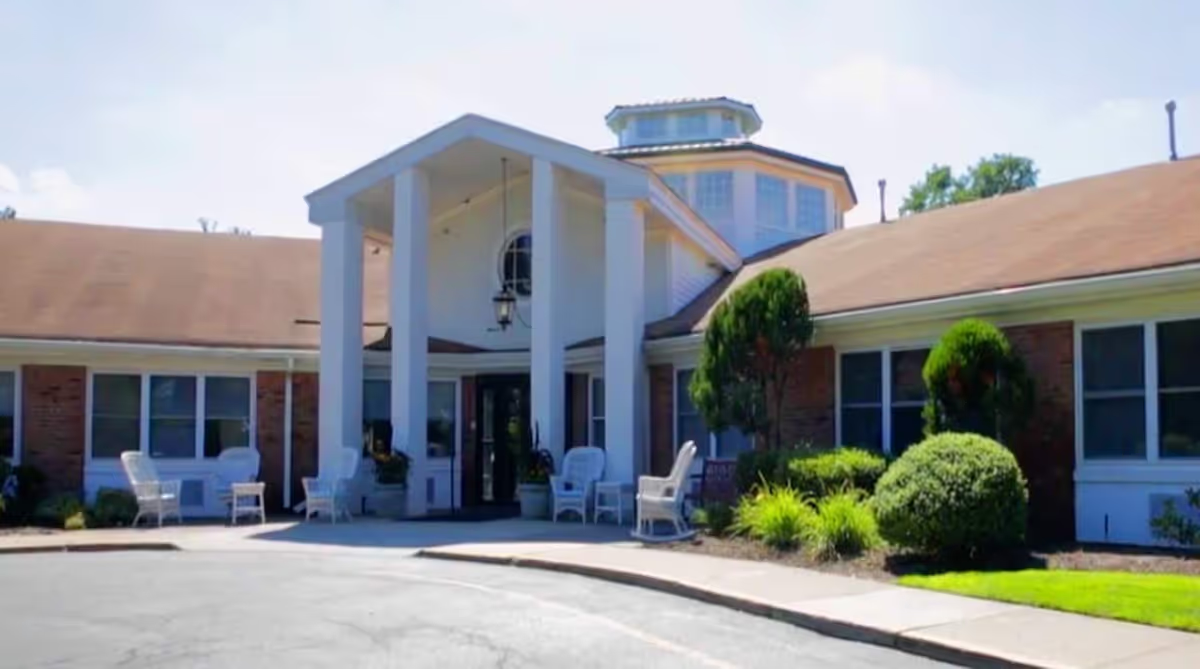
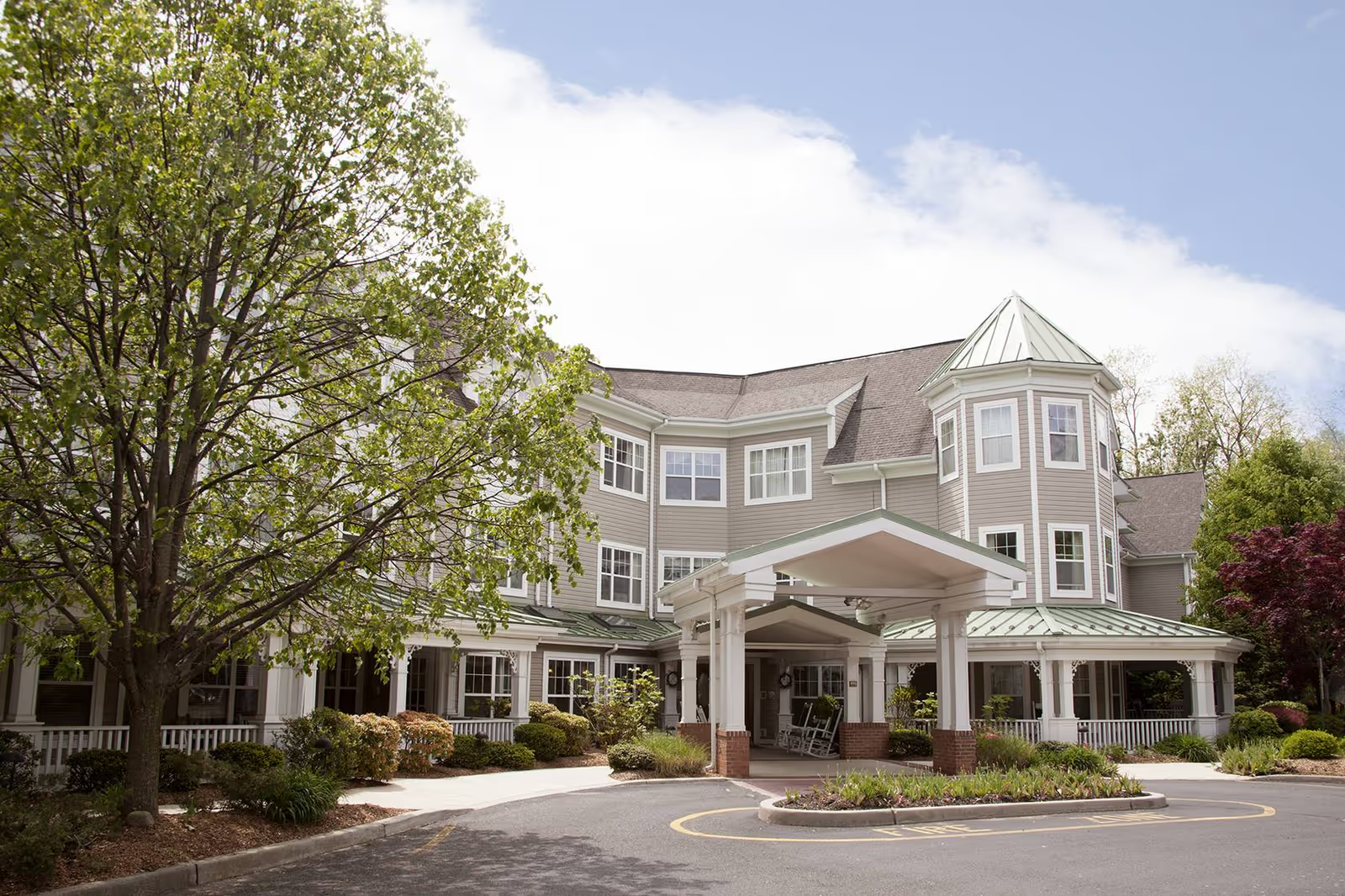
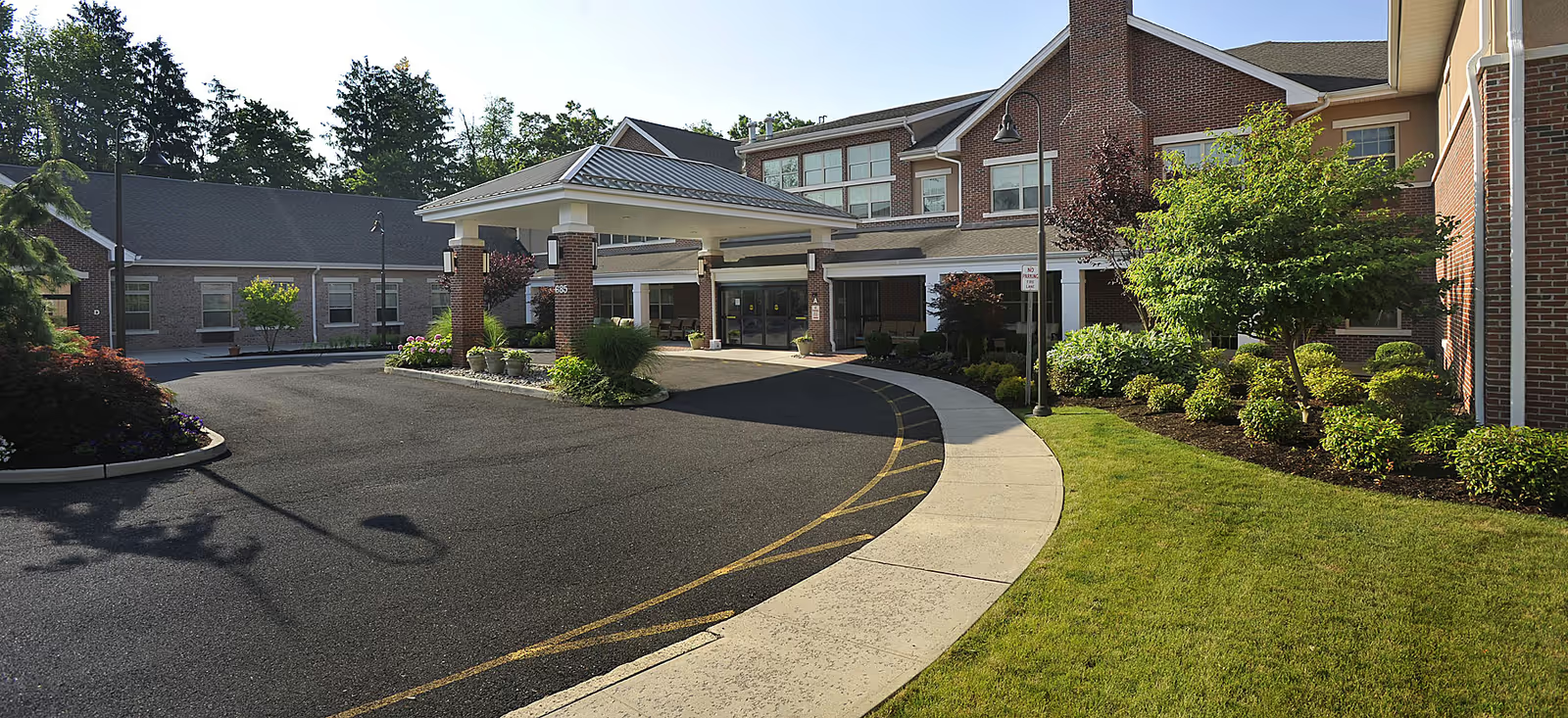
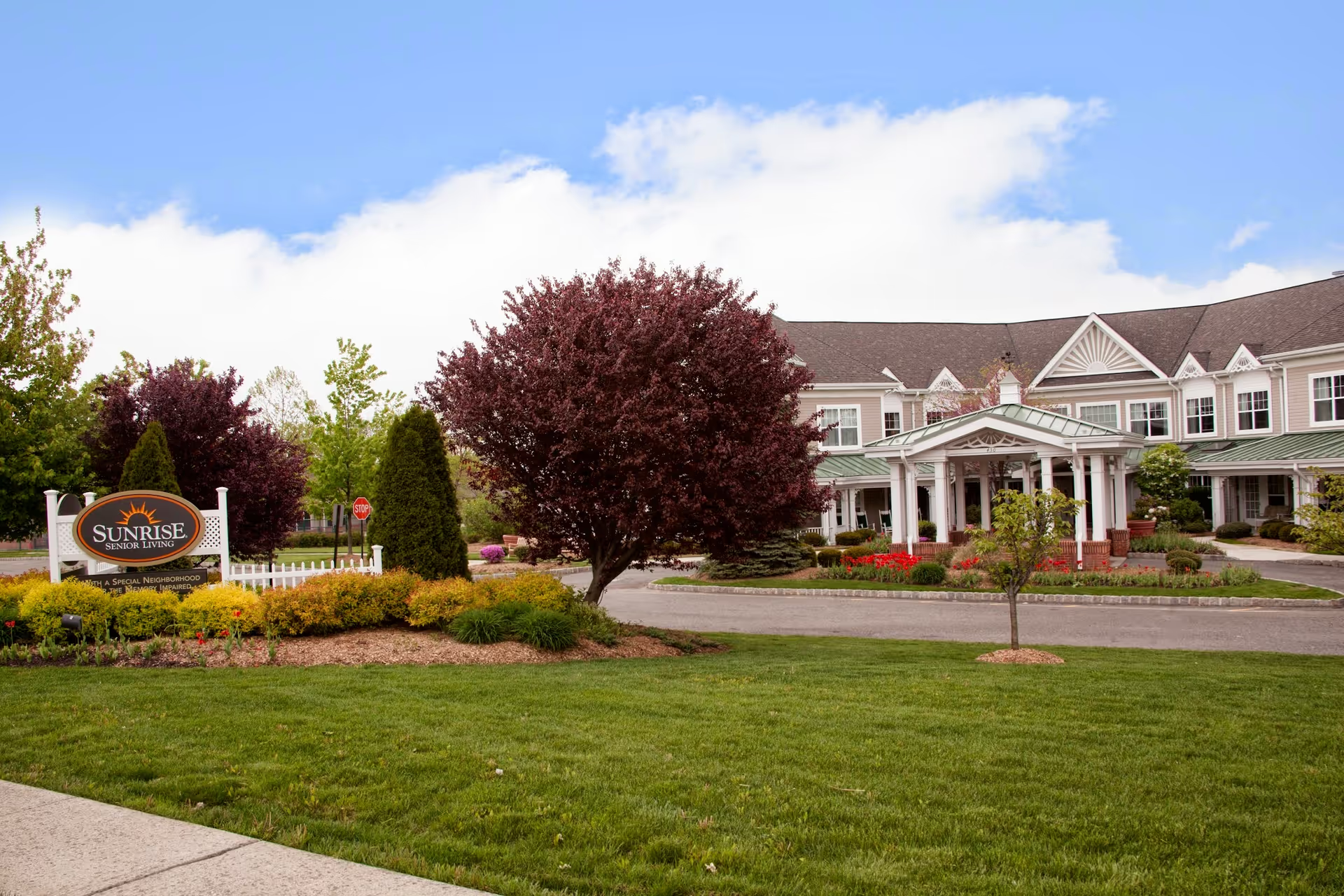
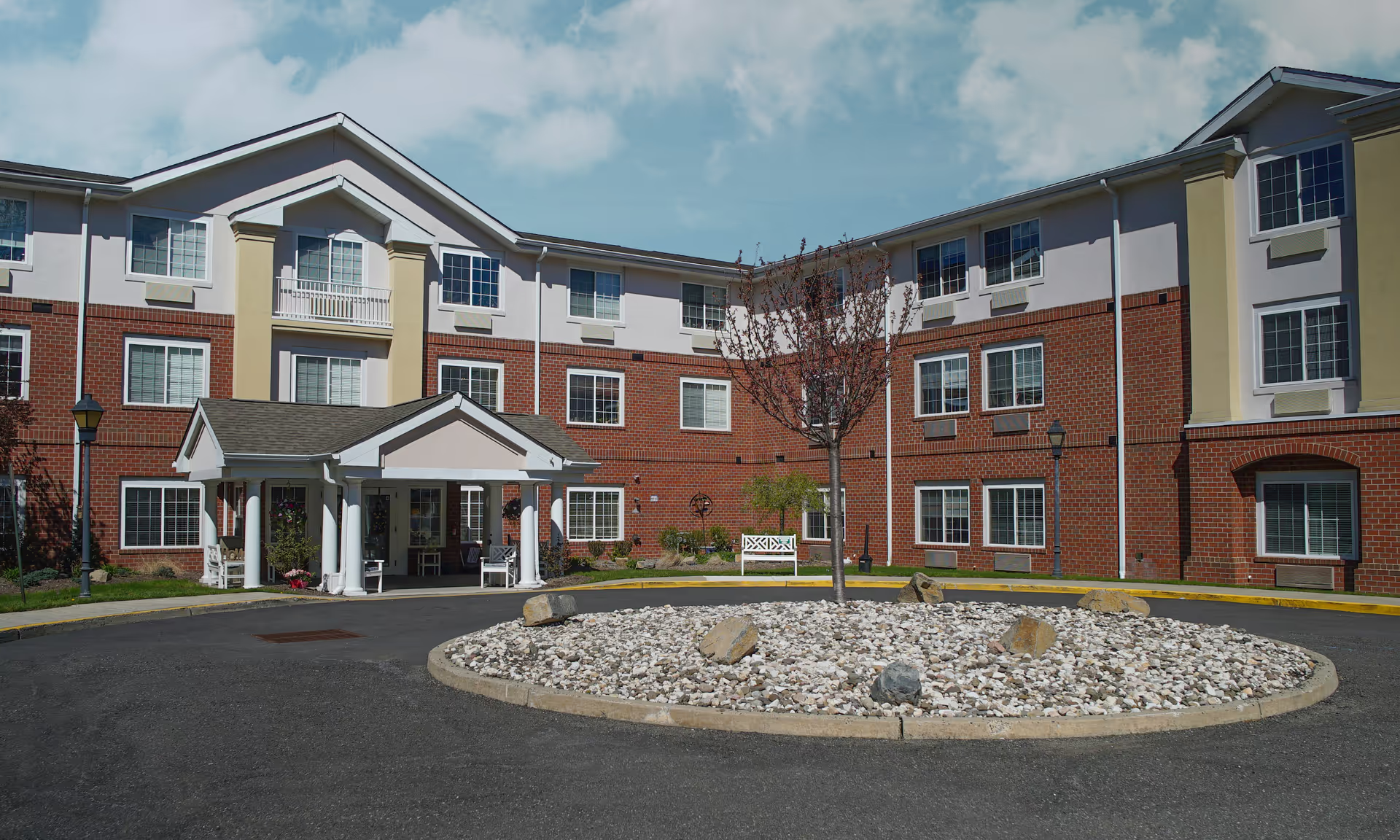
On the facilities side, the community is described as visually attractive, clean, and modern, with comfortable rooms and state-of-the-art common spaces. These physical attributes, together with routine housekeeping and maintenance, contribute to many families’ sense of safety and peace of mind.
However, a notable minority of critiques point to operational and administrative challenges that prospective residents and families should consider. Concerns center on variable administrative responsiveness and perceptions of a profit-focused orientation in some interactions. Chronic staffing shortages and associated workload pressures are described as producing inconsistent care quality at times; reviewers tie those shortages to strained caregivers and occasional service gaps. A small set of accounts raises issues about limits in the community’s capacity to manage higher-acuity clinical needs and about protracted or poorly communicated transfer processes and fees. Several reviewers framed these issues as growing-pains during expansion or turnover, which can result in periods of operational instability and communication breakdowns with families.
In summary, Chelsea at Washington Township shows strong strengths in hands-on caregiving, clinical oversight, attractive facilities, dining, and social programming. Those positives coexist with operational vulnerabilities—chiefly staffing stability, administrative responsiveness, and clarity around clinical capacity and transfer/fee policies. Prospective families would benefit from an in-person tour, direct conversations with leadership about current staffing levels and clinical capabilities for specific needs, and clear written explanations of fee and transfer processes before making a placement decision.